Reading a Boxer’s OFA Hip Score
Few things can strike fear into a Boxer owner's heart quite like the words "hip dysplasia." It's a common, often painful condition, and understanding your Boxer's hip health, especially through something like an OFA score, can feel like trying to decode a secret language. This guide is here to break down exactly what an OFA hip score means, why it matters for your beloved Boxer, and what steps you can take whether you're looking for a puppy or managing an adult dog.
Understanding Canine Hip Dysplasia in Boxers
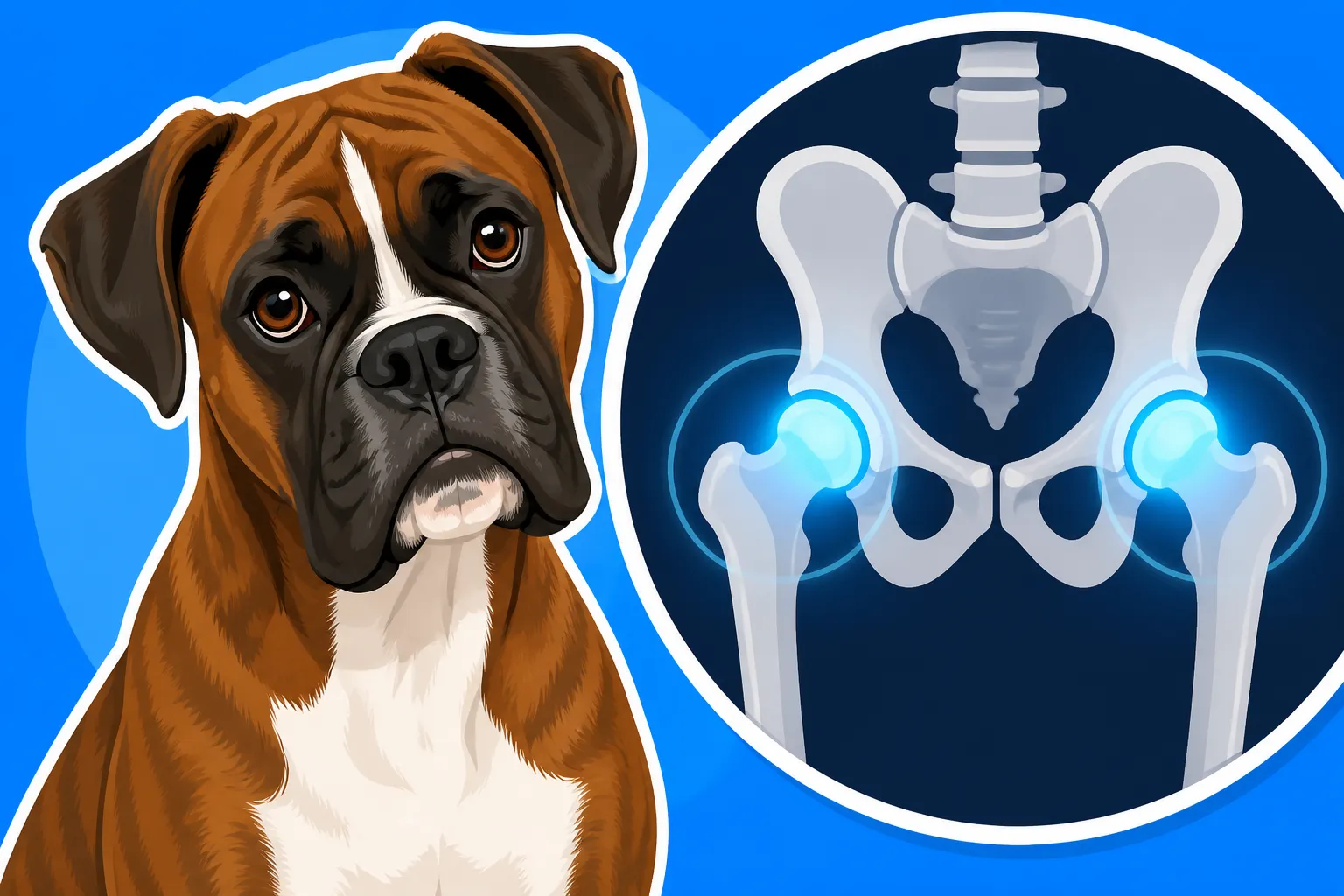
Hip dysplasia is a frustrating and often heart-wrenching condition that affects many dog breeds, and unfortunately, Boxers are among them. It’s not just a fancy medical term; it’s a real, tangible issue that can significantly impact your dog's quality of life. This condition occurs when the hip joint, which is a ball-and-socket joint, doesn't develop properly. Instead of a smooth, snug fit, the ball (femoral head) and socket (acetabulum) rub and grind, leading to deterioration over time.
Why Boxers Are Susceptible to Hip Dysplasia
Boxers, with their athletic build and enthusiastic nature, seem like they should be immune to such structural issues. However, their genetics play a significant role. Hip dysplasia is primarily an inherited condition, meaning it’s passed down from parent to puppy. While environment, diet, and exercise can influence its severity, the underlying genetic predisposition is key. Because Boxers are active and carry a good amount of muscle, the forces on their joints are considerable, which can exacerbate any existing laxity or improper formation in the hip joint. It’s not just about size; many medium to large breeds face this challenge, and Boxers are no exception. This genetic lottery is why responsible breeders focus so heavily on health screenings like OFA. You might also want to read up on Boxer Hip Dysplasia and Spondylosis to understand the full picture of hip health in the breed.
The Impact of Hip Dysplasia on a Boxer's Life
Imagine trying to run and jump with a constantly aching hip. That's often the reality for a Boxer with hip dysplasia. The symptoms can vary wildly from dog to dog. Some Boxers might show signs as early as puppyhood, while others might not exhibit noticeable pain until they're older, as arthritis starts to set in. Common indicators include a reluctance to jump, climb stairs, or even play as vigorously as they once did. You might notice a "bunny hop" gait, where they move both back legs together, or a noticeable limp, especially after exercise or when getting up from a rest.
Over time, the chronic inflammation and wear and tear can lead to severe arthritis, causing significant pain, stiffness, and reduced mobility. This can be devastating for a breed known for its boundless energy and playful antics. A Boxer who once bounded through the park might become reserved, preferring to lie down, and their muscle mass in the hindquarters might even start to diminish. Managing this can be a long-term commitment, often involving careful exercise, pain management, and sometimes even surgery. Early diagnosis and intervention are vital to maintaining their comfort and mobility.
What is the OFA and How Do They Score Hips?
The Orthopedic Foundation for Animals (OFA) is a name you'll hear often in the world of responsible dog breeding and health screening. They've been around for decades, working tirelessly to reduce the incidence of genetic diseases in companion animals. Their role is absolutely critical in helping breeders make informed decisions and giving prospective puppy owners peace of mind.
The Orthopedic Foundation for Animals' Role
The OFA's primary mission is to promote the health and welfare of companion animals through objective evaluation of inherited disease. For hip dysplasia, they provide a standardized, impartial grading system for hip joint conformation. When a breeder screens their dogs through the OFA, they are submitting X-rays that are then evaluated by a panel of three board-certified veterinary radiologists. These experts meticulously examine the images, looking for specific markers of hip joint quality. This consistency in evaluation helps to minimize subjective bias and provides a reliable assessment that breeders can use to select breeding stock, aiming to reduce the risk of passing on hip dysplasia to future generations. Without organizations like the OFA, it would be much harder for ethical breeders to demonstrate their commitment to health. This commitment is a big part of The Health Screening a Boxer Breeder Owes You.
The X-ray Process for OFA Evaluation
Getting an OFA hip certification isn't as simple as snapping a quick photo. It requires a specific radiographic technique to ensure the hips are positioned correctly for accurate evaluation. Typically, the dog needs to be sedated or anesthetized to achieve the precise positioning necessary for the X-ray. This involves placing the dog on its back with its hind legs fully extended and rotated slightly inward, ensuring the pelvis is symmetrical and the femurs are parallel. This specific positioning allows the radiologists to get a clear, unobstructed view of the hip joints and assess features like the depth of the acetabulum, the fit of the femoral head, and the presence of any degenerative changes.
The vet then takes the X-rays, which are digital or physical films. These images, along with specific paperwork, are sent to the OFA for review. The whole process is designed to capture the most diagnostic image possible, enabling the panel of radiologists to give an objective and consistent score. While the sedation might seem a bit much for an X-ray, it's absolutely essential to get accurate, reproducible results that truly reflect the dog's hip health.
Deciphering Your Boxer's OFA Hip Score
Once the X-rays are submitted and evaluated, your Boxer will receive one of seven possible hip ratings. These ratings are crucial because they tell you about the structural integrity of the hip joint and, importantly, indicate whether the dog should be bred. Understanding each category is key to making informed decisions.
The Seven OFA Hip Ratings Explained
The OFA's system is comprehensive, breaking down hip quality into seven distinct grades, ranging from excellent to severe dysplasia.
- Excellent: This is the best possible score. The femoral head fits very deeply and snugly into the acetabulum, with minimal space. This indicates superior hip conformation. If your Boxer achieves an "Excellent" rating, it means their hips are exceptionally well-formed.
- Good: While not "Excellent," this is still a fantastic score. The femoral head fits well within the acetabulum, and there is good congruity between the two. These hips are considered well-formed and healthy.
- Fair: This rating indicates that the hips are structurally normal, but there might be slight imperfections in congruence. For example, the ball might not fit quite as snugly in the socket as in "Good" or "Excellent" hips. However, these hips are still considered within normal limits and are certifiable.
- Borderline: This is where things get a bit ambiguous. A "Borderline" score means there are some minor changes that prevent a clear rating of "Fair" or better, but there's no definitive evidence of dysplasia. The OFA recommends re-x-raying the dog at a later date, usually within six to eight months, to see if the hip conformation has improved or deteriorated. It's like being on the fence – not quite passing, but not quite failing either.
- Mild Dysplasia: Now we're entering the territory of definite hip dysplasia. With "Mild" dysplasia, there is a clear subluxation (partial dislocation) of the femoral head, meaning it’s not sitting properly in the socket. There might also be some shallowing of the acetabulum or early degenerative changes. These dogs often show clinical signs of discomfort.
- Moderate Dysplasia: This rating indicates significant evidence of hip dysplasia. There’s a noticeable subluxation of the femoral head, and the acetabulum is often shallow. Degenerative joint disease, such as bone spurs (osteophytes), is typically present. Dogs with "Moderate" dysplasia almost always experience pain and mobility issues.
- Severe Dysplasia: This is the worst possible score and indicates advanced hip dysplasia. The femoral head is significantly flattened, the acetabulum is shallow, and there is extensive degenerative joint disease with gross evidence of subluxation or even full dislocation. A Boxer with "Severe" dysplasia will likely suffer from chronic, debilitating pain and very limited mobility.
What a Passing Score Means for Your Boxer
A passing OFA hip score for breeding purposes is generally considered to be "Fair," "Good," or "Excellent." If your Boxer receives one of these ratings, it means their hip joints are structurally sound and fall within the acceptable range for healthy conformation. For breeders, this is fantastic news, as it means the dog can be responsibly included in a breeding program, helping to contribute to healthier Boxers for the future. For pet owners, it offers immense reassurance that your dog has a lower genetic predisposition to developing severe hip problems later in life, though it's important to remember that no score guarantees a lifetime free of joint issues. Environmental factors still play a role. It also means you’ve chosen wisely if you’re looking at a puppy from parents with these scores, reducing your long-term worries.
Understanding Non-Passing and Dysplastic Scores
Any score from "Borderline" down to "Severe" is considered a non-passing score for breeding. A "Borderline" score, as mentioned, suggests re-evaluation. If a Boxer consistently receives a "Borderline" or worse score, they should absolutely not be bred. Dogs with "Mild," "Moderate," or "Severe" dysplasia are confirmed to have the condition. For pet owners, a non-passing score doesn't mean your dog is "broken," but it does mean you'll need to be proactive in managing their health.
If your Boxer is diagnosed with any degree of hip dysplasia, working closely with your veterinarian is essential. They can help you develop a management plan that might include pain medication, anti-inflammatory drugs, joint supplements like those discussed in Joint Support in a Boxer's Diet, controlled exercise routines, and sometimes physical therapy. In severe cases, surgical interventions may be considered to improve comfort and mobility. While it can be disheartening to learn your Boxer has hip dysplasia, understanding the score is the first step toward providing them with the best possible care and maintaining their quality of life. Even a non-passing score provides valuable information for managing their health and preventing discomfort, particularly as they age and might develop Arthritis in an Older Boxer.
Practical Steps for Boxer Owners and Prospective Buyers
Whether you're embarking on the exciting journey of finding a Boxer puppy or you're already a seasoned owner managing your dog's health, understanding OFA hip scores is incredibly practical. It empowers you to make better choices and provide optimal care.
Checking OFA Scores When Choosing a Boxer Puppy
This is perhaps one of the most crucial steps for anyone looking to bring a Boxer into their home. The phrase "do your homework" applies tenfold when it comes to puppy buying. A reputable Boxer breeder will always be transparent about the health screenings of their breeding stock, including OFA hip evaluations. They should be able to provide you with registration numbers for both the sire (father) and dam (mother) of the litter, which you can then verify on the OFA public database.
If a breeder hesitates, makes excuses, or claims their dogs are "vet checked" but can't produce OFA certificates, consider it a red flag. Healthy, well-structured hips are vital for an active breed like the Boxer, and skipping this screening increases the risk of you ending up with a puppy predisposed to a painful and expensive condition. Looking for a breeder who actively participates in these health programs is worth the investment, as discussed in detail in guides about Boxer Puppy Prices From a Health-Testing Breeder. Always prioritize breeders who openly share and can verify these crucial health clearances.
Managing a Boxer with a Less-Than-Perfect OFA Score
Let's face it, not every Boxer will have perfect hips, even if their parents had great scores. Life happens, and if your Boxer receives a "Borderline" or even a "Mild" dysplasia score, it’s not the end of the world, but it does mean you need to be proactive. Your veterinarian will be your best friend here. They might recommend specific non-steroidal anti-inflammatory drugs (NSAIDs) or other pain management strategies to keep your Boxer comfortable.
Weight management becomes critically important. Every extra pound puts more strain on those already compromised joints. Working to achieve and maintain a lean body condition can significantly slow the progression of arthritis and reduce discomfort. Think about Taking Weight Off a Boxer Without Losing Muscle to help support their joint health. Controlled, low-impact exercise like swimming or short, consistent walks, rather than high-impact activities like aggressive jumping, can help strengthen the muscles around the hip without excessive wear and tear. You may even need to consider limits on activities. This isn't about limiting their joy, but about protecting their long-term comfort.
The Importance of Early Intervention and Lifestyle Management
The earlier you identify potential hip issues, the better your chances of managing them effectively. This ties back to the OFA scoring – if you're selecting a puppy from parents with excellent scores, you're already intervening genetically. For a growing puppy or young adult Boxer showing early signs, or receiving a less-than-ideal OFA score, immediate lifestyle adjustments can make a world of difference.
Beyond weight, consider their diet. High-quality food designed to support joint health, potentially supplemented with glucosamine, chondroitin, and omega-3 fatty acids, can be beneficial. Learning how to properly Feeding a Boxer to Stay Lean and Muscled is not just about their current vitality, but their long-term joint health. Also, think about providing comfortable, supportive bedding that cushions their joints, especially for an older Boxer as they inevitably start to feel the effects of age or previous wear and tear. This is where options like orthopedic beds come into play, similar to considerations for Bedding for an Old Boxer's Joints.
Furthermore, consider pet insurance as a vital safety net. Companies like Healthy Paws are well-known for their comprehensive coverage, which can be invaluable if your Boxer requires long-term medication, physical therapy, or even surgery for hip dysplasia. Getting insurance early, ideally when they are a puppy and before any pre-existing conditions are noted, ensures you have the financial support needed to provide the best possible care throughout their life. It's truly an investment in their future health and your peace of mind, especially when considering Insuring a Boxer Before the First Lump or facing potentially high vet bills that contribute to The Yearly Bill for a Seventy-Pound Boxer. Understanding What a Boxer Policy Costs Each Month can help you budget for these essential protections.
| OFA Hip Rating | Description | Breeding Recommendation | Implications for Pet Owners |
|---|---|---|---|
| Excellent | Superior hip conformation; femoral head fits very snugly into acetabulum. | Recommended | Very low risk of developing hip dysplasia. Continue good care and nutrition. |
| Good | Well-formed hips; good congruity of femoral head and acetabulum. | Recommended | Low risk of developing hip dysplasia. Maintain healthy weight and appropriate exercise. |
| Fair | Structurally normal hips with minor irregularities in congruity. | Recommended | Still considered normal and healthy. Monitor for signs of discomfort as they age; maintain optimal weight. |
| Borderline | Minor changes prevent a clear "Fair" rating, no definitive dysplasia. | Not Recommended | Re-evaluate with new X-rays in 6-8 months. Be extra vigilant for signs of joint discomfort; manage weight and exercise carefully. |
| Mild | Clear evidence of hip dysplasia; slight subluxation, early degenerative changes. | Not Recommended | High risk of pain and arthritis. Work with vet for pain management, controlled exercise, weight control, supplements. Consider early intervention. |
| Moderate | Significant evidence of hip dysplasia; noticeable subluxation, degenerative joint disease. | Not Recommended | Likely experiencing pain and mobility issues. Intensive veterinary management required; medication, physical therapy, potentially surgery. Strict weight management. |
| Severe | Advanced hip dysplasia; flattened femoral head, shallow acetabulum, extensive DJD. | Not Recommended | Debilitating pain and limited mobility. Extensive ongoing veterinary care, likely requiring continuous pain relief, mobility aids, and surgical consultation. Focus on comfort and quality of life. |
Disclaimer
The information provided in this guide is intended for educational purposes only and should not be considered a substitute for professional veterinary advice. Always consult with a qualified veterinarian for any health concerns or before making any decisions about your Boxer's medical care.