Whether a Boxer Can Reach Fourteen
It's a question that tugs at every Boxer owner's heart: can your beloved, goofy, eternally puppy-like companion actually defy the odds and reach the ripe old age of fourteen? The reality is that while we all dream of decades with our dogs, Boxers, unfortunately, face a unique set of health challenges that often limit their time with us. This guide will delve into the factors influencing a Boxer's lifespan, explore the common health hurdles, and discuss proactive steps you can take to give your furry family member the best possible chance at a long, fulfilling life.
The Typical Lifespan of a Boxer Dog
It’s heartbreaking, but a tough truth that most Boxer owners come to understand: these incredible dogs, for all their boundless energy and loving nature, generally don't have the same long lifespans as some other breeds. When you look at the breed average, you're usually talking about a range of The Ten to Twelve Year Boxer Lifespan, which already tells you that reaching fourteen is going to be an uphill battle. This average isn't just a number; it represents a combination of genetic predispositions and specific health concerns that are unfortunately prevalent in the breed.
You might be wondering, "Why Boxers?" It feels so unfair when they bring so much joy and have so much life in them. The answer lies largely in their genetic makeup, which, through generations of selective breeding for specific traits, has also inadvertently concentrated certain health issues. This is a common story across many purebred dogs, but Boxers seem to have drawn a particularly short straw when it comes to longevity. Understanding this reality isn't about giving up hope, but about arming yourself with knowledge to be the best advocate for your dog's health.
Why Boxers Are Prone to Shorter Lives
There are a few major culprits that contribute to the heartbreakingly short lifespans many Boxers experience. It's not usually one single thing, but a combination of factors that compound over time. The primary drivers are often the prevalence of certain cancers and heart conditions, which are unfortunately deeply embedded in the breed's genetics.
One of the biggest concerns for Boxer owners is cancer. It's a devastating reality that Boxers are highly predisposed to various forms of cancer, including lymphoma, mast cell tumors, and brain tumors. For instance, Why Cancer Kills More Boxers Than Anything Else is a question that vets and researchers have grappled with for years, and the sad truth is that Boxers appear at the top of many cancer incidence lists. Finding a lump on your Boxer, even a small one, can send any owner into a panic, and for good reason. Early detection and aggressive treatment are often critical, but even then, these diseases can be relentless.
Beyond cancer, heart disease is another significant concern. Conditions like Boxer Cardiomyopathy, also known as Arrhythmogenic Right Ventricular Cardiomyopathy (ARVC), are incredibly common. This is a genetic condition that can lead to irregular heartbeats, fainting, and even sudden death. Boxer Cardiomyopathy and the Holter Monitor is a common part of proactive care for the breed, and for good reason—it’s crucial for early diagnosis and management. Subaortic Stenosis (SAS) is another heart condition, often found in Boxer puppies, which can also severely impact longevity. These inherited conditions mean that even a seemingly healthy young Boxer could be living with a ticking time bomb.
The Health Hurdles That Impact Longevity
When we talk about a Boxer reaching fourteen, we're not just talking about surviving; we're talking about thriving. And for many Boxers, there are specific health battles they face that can significantly shorten their time with us, even with the best care. Being aware of these common issues is the first step in being proactive.
The Shadow of Cancer in Boxers
Cancer is, without a doubt, the most formidable adversary for the Boxer breed. It's not an exaggeration to say that it casts a long shadow over their lives. Many Boxer owners will, unfortunately, face a cancer diagnosis at some point, and understanding the types and how they present is crucial.
Lymphoma is a particularly aggressive cancer of the lymphatic system, which is part of the immune system. It can appear in various forms and locations, from swollen lymph nodes in the neck or behind the knees to affecting internal organs. The progression can be rapid, and treatment, while available, can be intensive and costly. Early detection is key, but sometimes the signs are subtle until the disease is quite advanced. This is why regular full-body checks by owners are so vital.
Mast cell tumors are another common and highly variable cancer in Boxers. These tumors can appear as anything from a seemingly innocuous skin bump to a rapidly growing, ulcerated mass. The challenge with mast cell tumors is their unpredictable nature; a small external lump can be a low-grade, easily removable tumor, or it could be a high-grade, aggressive cancer with a tendency to spread quickly to internal organs. This variability makes prompt veterinary attention and biopsy crucial for any new lump on your Boxer, especially considering that The Lumps a Boxer Owner Has to Check For are numerous and varied. You can't assume a lump is benign.
Heart Conditions and Their Management
Beyond cancer, heart conditions are another major factor impacting a Boxer's potential lifespan. These are often genetic and can be present even in seemingly healthy dogs, making proactive screening incredibly important.
ARVC is perhaps the most well-known heart condition in Boxers. It’s an inherited disease where the heart muscle is replaced by fatty or fibrous tissue, leading to electrical instability and dangerous arrhythmias. These arrhythmias can cause fainting (syncope) or, tragically, sudden death. Diagnosing ARVC typically involves a 24-hour Holter monitor, which records the heart's electrical activity. What Boxer ARVC Actually Does to the Heart is a complex process, but essentially, it disrupts the normal rhythm, and monitoring those irregularities is critical for deciding on medication. Regular screenings, ideally starting around three years of age, are essential for Boxers, even if they show no symptoms.
Another significant heart issue is Subaortic Stenosis (SAS). This is a congenital narrowing of the aorta just below the aortic valve, which means the heart has to work much harder to pump blood to the body. SAS can range from mild to severe, and while mild cases might not significantly impact a Boxer's quality of life or lifespan, severe cases can lead to heart failure and sudden death at a young age. This is why Screening a Boxer for Subaortic Stenosis as a puppy, usually via an echocardiogram, is so important, especially when purchasing from a breeder. Knowing about SAS early allows owners and vets to manage exercise and other factors that could exacerbate the condition.
Other Common Health Concerns
It's not just the big two, cancer and heart disease, that pose risks. Boxers are susceptible to several other conditions that, while perhaps not as immediately life-threatening, can certainly impact their quality of life and potentially shorten their overall lifespan if not managed properly.
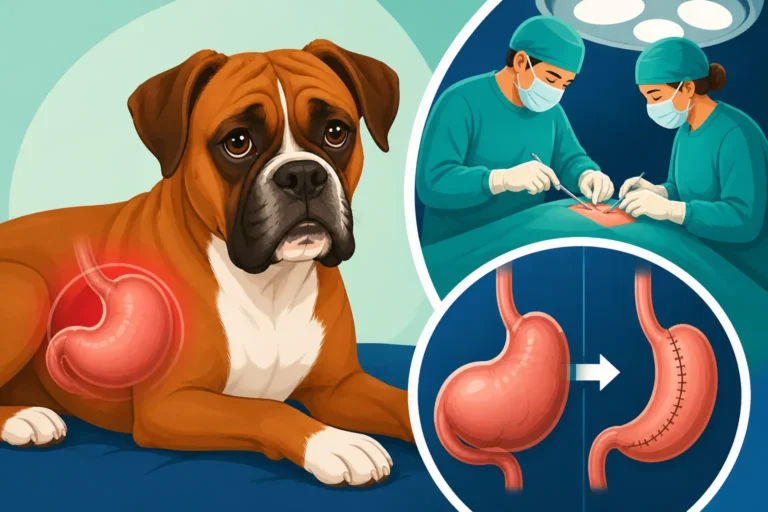
Bloat, or Gastric Dilatation-Volvulus (GDV), is a terrifying and life-threatening condition that can affect deep-chested breeds like Boxers. This occurs when the stomach fills with gas and twists, cutting off blood supply and leading to rapid shock. It's an absolute emergency that requires immediate surgery. Bloat Signs Every Boxer Owner Should Know include restlessness, unproductive retching, a distended abdomen, and signs of pain. Prevention strategies, such as splitting meals and avoiding exercise immediately after eating, are crucial. Some owners even opt for a preventive surgery called gastropexy, which tacks the stomach to the abdominal wall to prevent twisting.
Degenerative Myelopathy (DM) is another devastating neurological condition that can affect older Boxers. While it doesn't directly shorten lifespan in the way cancer or acute bloat can, it severely impacts quality of life, leading to progressive weakness and paralysis of the hind limbs. This condition, which is often mistaken for arthritis, can lead owners to consider euthanasia when their dog's mobility becomes too compromised. Testing for the SOD1 gene, as mentioned in The SOD1 Test for Boxer Myelopathy, can identify Boxers at risk, though not all dogs with the gene will develop the disease.
Maximizing a Boxer's Chances of Reaching Fourteen
Given the health challenges Boxers face, what can we, as their devoted human companions, actually do to give them the best shot at living a full, long life, perhaps even making it to that elusive fourteen-year mark? It comes down to a multi-faceted approach involving vigilant care, smart choices, and a strong partnership with your veterinarian.
Proactive Veterinary Care and Screening
One of the most impactful things you can do for your Boxer is to be incredibly proactive with their veterinary care. This means more than just annual check-ups; it means seeking out specific screenings tailored to the breed's known vulnerabilities.
Regular check-ups are your first line of defense. Don't wait until your Boxer is visibly sick. Annual or even bi-annual vet visits (especially as they get older, which is covered in What Changes in a Boxer After Seven) allow your vet to catch subtle changes that you might miss. These visits should include thorough physical exams, blood work to check organ function, and discussion of any behavioral changes you've noticed. A diligent vet will also advise on breed-specific screenings.
Beyond general wellness, specific screenings are paramount. For heart health, annual Holter monitoring, usually starting around age three, is essential for detecting ARVC. An echocardiogram might also be recommended, especially if a heart murmur is detected. For cancer, regular physical exams and weekly lump checks on a Boxer by you are critical for early detection. If a lump is found, prompt veterinary assessment and possibly a needle biopsy or surgical removal for histopathology are non-negotiable. Remember, many lumps can appear quickly, so regular monitoring is essential, as discussed in Weekly Lump Checks on a Boxer. Investing in comprehensive pet insurance like Healthy Paws early on can also alleviate the financial burden of these critical screenings and treatments, making it easier to say "yes" to every recommended diagnostic.
Nutrition, Exercise, and Weight Management
What you feed your Boxer, how much exercise they get, and maintaining a healthy weight are foundational to their overall health and can significantly impact their longevity. It's about giving their body the best possible fuel and keeping it in optimal condition.
Feeding a high-quality, balanced diet that supports their athletic build is crucial. Boxers are prone to certain digestive sensitivities, including Boxer Colitis and the Young Dogs It Hits, so finding a food that agrees with them is important. Aim for a diet that keeps them lean and muscular, not overweight. Obesity puts unnecessary strain on their joints, heart, and other organs, exacerbating any underlying health issues and potentially shortening their life. Your vet can help you determine the ideal body condition score for your Boxer and adjust their calorie intake accordingly. For specific guidance, you might want to look into Feeding a Boxer to Stay Lean and Muscled.
Regular, appropriate exercise is also vital. Boxers are high-energy dogs, and they need a good outlet for that energy. However, it's a balancing act, especially for Boxers with heart conditions or those prone to overheating. Consult with your vet to tailor an exercise routine that's safe and effective for your individual dog. This could mean multiple shorter walks, play sessions in a securely fenced yard, or even dog sports. The goal is to keep them physically fit and mentally stimulated without overdoing it or putting them at risk. Always ensure they have access to fresh water and avoid strenuous activity during the hottest parts of the day, as flat-faced breeds like Boxers can overheat quickly.
The Role of Responsible Breeding
While you can do everything right as an owner, the foundation of a Boxer's health often starts long before they come home with you: with responsible breeding. Choosing a puppy from health-tested parents can significantly reduce the risk of inheriting serious genetic conditions.
A responsible Boxer breeder will prioritize the health and temperament of their dogs above all else. This means they will conduct extensive health screenings on both parent dogs before breeding. For Boxers, these screenings should include:
- ARVC (Holter monitor): To check for heart arrhythmias. Breeders should provide Holter results, ideally from multiple years.
- SAS (Echocardiogram): To check for subaortic stenosis.
- Hip and Elbow Dysplasia screenings: Though not as common as in some other large breeds, it's still good practice.
- Degenerative Myelopathy (DM) DNA test: To identify carriers or affected dogs.
- Thyroid testing: To check for hypothyroidism.
A reputable breeder will be transparent about their dogs' health history, registered names, and offer a health guarantee. They will also be a valuable resource throughout your dog's life. While even the best breeding practices can't guarantee a completely disease-free dog, choosing a puppy from health-tested lines, as detailed in The Health Screening a Boxer Breeder Owes You, significantly stacks the odds in your favor for a longer, healthier life. It's a critical investment in your Boxer's future.
Can a Boxer Truly Reach Fourteen?
So, after all this, can a Boxer really reach fourteen years old? It’s the golden question, isn’t it? And the honest answer is: it’s rare, but not impossible. Think of it like hitting the lottery; some people do, but the odds are definitely stacked against you.
The average Boxer lifespan hovers around 9-12 years. So, reaching fourteen means your dog has exceeded the average by a good margin, which is a testament to incredible genetics, diligent care, a bit of luck, or likely a combination of all three. It's important to set realistic expectations while still holding onto that hope. Every extra year with our beloved Boxers is a gift.
Stories of the Outliers
While most of us grieve the relatively short time we have with Boxers, there are always those exceptional stories—the outliers who defy the statistics. You hear tales of Boxers living to 13, 14, or even 15 years old, and these stories ignite a flicker of hope in every Boxer owner's heart.
What do these long-lived Boxers have in common? While it's hard to draw definitive scientific conclusions from anecdotal evidence, common themes often emerge:
- Exceptional Genetics: They likely came from lines with no known history of early-onset cancers or severe heart disease. This underscores the importance of researching Whether Boxer Cancer Risk Is Inherited and other genetic predispositions.
- Impeccable Care: Their owners were likely meticulous about diet, exercise, preventative vet care, and addressing any health concerns immediately. They often had pet insurance, like Healthy Paws, which allowed them to pursue every possible treatment without financial stress.
- Low Stress Environment: A stable, loving home environment with minimal stress can also contribute to overall well-being.
- A Bit of Luck: Sometimes, it simply comes down to good fortune. They may have avoided the random genetic mutations that lead to cancer or the environmental factors that can trigger certain diseases.
These stories serve as powerful reminders that while we cannot control everything, we can certainly maximize the odds through our choices and dedication. Every Boxer is an individual, and every single day we have with them is precious. Caring for a Boxer Past Eight becomes an even more focused endeavor, requiring specialized attention to nutrition, comfort, and regular health monitoring.
Setting Realistic Expectations
While the dream of a fourteen-year-old Boxer is beautiful, it's crucial to anchor that hope in realism. The vast majority of Boxers will fall within the 9-12 year range, and embracing that reality helps you appreciate every moment you have, rather than constantly worrying about hitting a specific age milestone.
Instead of focusing solely on the number fourteen, concentrate on maximizing your Boxer's quality of life for as long as possible. This means:
- Early Intervention: Being vigilant for any changes in health or behavior.
- Consistent Preventative Care: Sticking to vet appointments, screenings, and appropriate vaccinations.
- Optimal Lifestyle: Providing the best possible nutrition, exercise, and mental enrichment.
- Love and Connection: Ensuring they feel cherished and are an integral part of your family.
Even if your Boxer doesn't reach the upper echelons of canine longevity, by focusing on these aspects, you ensure they live the fullest, happiest, and healthiest life possible. And isn't that, ultimately, what truly matters? The time we have with them is a gift, regardless of its length.
Age-Related Changes and Care for Senior Boxers
As Boxers enter their senior years, typically around 7-8 years old, their needs start to change. Even if they don't reach fourteen, understanding and adapting to these changes is critical for maintaining their comfort and quality of life in their later years.
Recognizing the Signs of Aging
Just like humans, Boxers show distinct signs of aging. Some are obvious, others more subtle. Being observant can help you address issues promptly and ensure their comfort.
Physical changes are often the first thing you notice. Your once boundless Boxer might start to slow down on walks, seem stiffer after naps, or have more difficulty getting up on slippery floors. Their coat might thin or become duller, and you might notice more graying around their muzzle and eyes. Weight changes are also common; some Boxers might gain weight due to decreased activity, while others might lose weight due to underlying health issues or changes in appetite. Vision and hearing might start to decline, making them startle more easily or navigate familiar spaces with less confidence.
Behavioral changes can also signal aging. A senior Boxer might sleep more, show less interest in play, or become more prone to anxiety or confusion, especially in new situations or at night (sometimes called canine cognitive dysfunction). They might also become less tolerant of boisterous young dogs or small children. It's important to differentiate between normal aging and signs of pain or illness. For example, increased vocalization could be a sign of discomfort, while house-soiling could point to kidney issues or decreased bladder control. Any significant or sudden change warrants a vet visit, as there might be treatable causes.
Adapting Care for the Senior Boxer
Providing appropriate care for a senior Boxer involves adjusting their routine and environment to meet their evolving needs. This commitment is vital for ensuring their comfort and prolonging their healthy years.
Nutrition and Diet: As Boxers age, their metabolism slows down, and their activity level usually decreases. This means they often need fewer calories to maintain a healthy weight. Switching to a high-quality senior dog food, which is typically lower in calories and sometimes higher in fiber and joint-supporting nutrients, can be beneficial. For Boxers with dental issues, softer foods or moistened kibble might be easier to eat. If your Boxer has specific health conditions like kidney disease or heart failure, your vet might recommend a prescription diet tailored to support those organs.
Exercise and Mobility Support: While senior Boxers still need exercise, the intensity and duration should be modified. Multiple shorter, gentler walks throughout the day are often better than one long, strenuous outing. Swimming can be a great low-impact exercise for their joints. For Boxers with arthritis or degenerative myelopathy, mobility aids like ramps, orthopedic beds, and even dog wheelchairs or slings can make a huge difference in their quality of life. Maintaining muscle mass is still important, so gentle, regular movement is encouraged. Joint supplements containing glucosamine and chondroitin, or even prescription medications, can also help manage discomfort.
Increased Veterinary Monitoring: This is where that proactive care becomes even more critical. Senior Boxers should have vet check-ups at least twice a year. These visits will likely include more extensive blood work, urinalysis, and potentially blood pressure monitoring. Early detection of conditions like kidney disease, diabetes, or worsening heart conditions is crucial for effective management. Continuing Holter monitoring for ARVC and being vigilant about The Lumps a Boxer Owner Has to Check For remains paramount. Regular dental checks are also important, as dental disease can cause pain and contribute to other health problems.
Here's a quick overview of changes and care:
| Aspect | Young/Adult Boxer Needs | Senior Boxer Needs |
|---|---|---|
| Energy & Exercise | High energy, vigorous daily exercise, long walks, running. | Shorter, gentler walks, low-impact activities, more rest. |
| Nutrition | Higher calorie, protein-rich diet for growth/activity. | Lower calorie senior diet, joint support, softer textures if needed. |
| Vet Visits | Annual wellness exams, breed-specific screenings (Holter from 3 yrs). | Bi-annual wellness exams, more frequent blood/urine tests, specific diagnostics. |
| Mobility | Agile, strong, handles stairs easily. | May need ramps, orthopedic beds, assistance with stairs/slippery floors. |
| Mental Stimulation | High need for challenging training, puzzle toys. | Gentle mental games, familiar routines, comfort. |
| Comfort & Environment | Tolerant of various conditions. | Warm, soft bedding, stable environment, mindful of temperature extremes. |
Caring for a senior Boxer is a commitment, but the love and companionship they provide are immeasurable. Each year past their average lifespan is a bonus, and with dedicated care, you can help them navigate their golden years with dignity and comfort. Pet insurance providers like Healthy Paws often have policies that, if initiated when the dog is young and healthy, can continue to provide crucial coverage for age-related illnesses, which is a massive relief when those unexpected bills arise.
Disclaimer
This article is for general informational purposes only and does not constitute professional advice. Laws, prices and regulations vary by location and change over time. Consult a qualified professional for guidance on your specific situation.