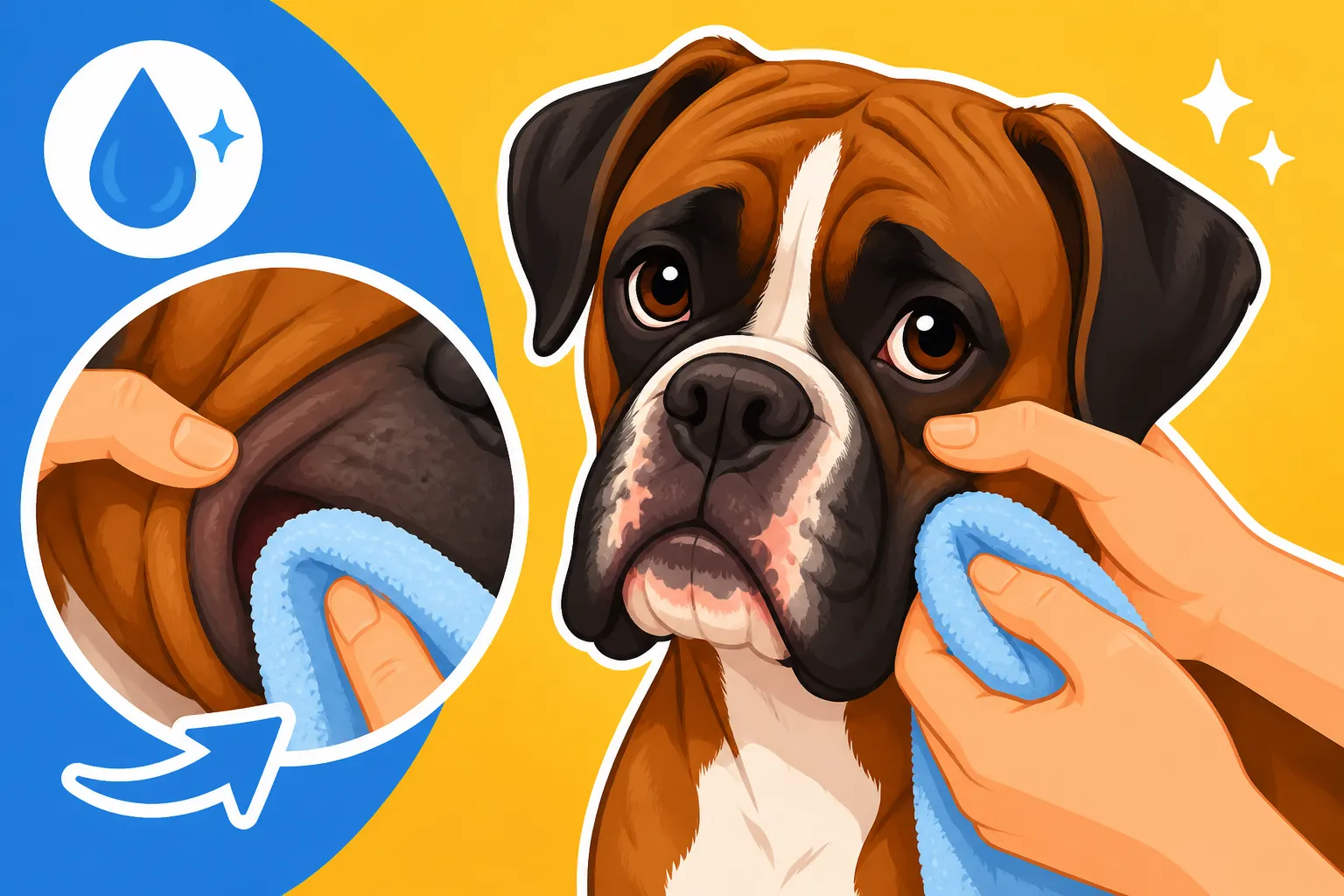
Drying a Boxer’s Folds After a Bath
Every Boxer owner knows the joy and the chaos that comes with bath time. But once the splashing stops, a new challenge often begins: making sure those adorable, wrinkly faces and body folds are completely dry. It’s easy to miss a spot, and leaving moisture trapped in those nooks and crannies can quickly lead to irritation, itchiness, and even uncomfortable skin infections for your sweet dog. This guide will walk you through the essential steps and best practices for thoroughly drying your Boxer’s folds, ensuring they stay healthy and happy long after the suds are gone.
Why Those Folds Need Special Attention After Bathing
It's not just about a quick towel-off; a Boxer's unique anatomy means their skin needs a specific kind of after-bath care. Skipping this crucial step can turn a routine bath into a breeding ground for skin issues.
The Anatomy of a Boxer's Face and Body Folds
Boxers are brachycephalic dogs, which means they have those wonderfully distinctive short snouts and flat faces we all adore. But this facial structure comes with a series of skin folds, particularly around the muzzle, under the chin, and sometimes even around the eyes and along the body. These folds are more than just cute wrinkles; they are essentially valleys where skin touches skin. While they contribute to the Boxer's charming expression, they also create warm, moist environments that are perfect for trapping water, dirt, food debris, and even tiny microorganisms.
Think about it: after a bath, water naturally runs down their face and collects in these folds. If not diligently dried, that moisture just sits there, creating a damp microclimate. It’s not like a smooth-coated dog where water simply evaporates off their skin. For a Boxer, these folds act like little sponges, holding onto moisture and preventing air circulation, which is absolutely essential for healthy skin. We all love those squishy faces, but they require a little extra diligence!
The Hidden Dangers of Lingering Moisture
Leaving moisture in your Boxer's folds isn't just a minor oversight; it can lead to some truly uncomfortable and persistent problems. The most common issues are skin irritation, bacterial infections (often called pyoderma), and yeast infections.
- Skin Irritation: Even before an infection sets in, constant dampness will irritate the skin. You might notice redness, mild itching, or your Boxer rubbing their face more often. It's essentially like having perpetually wet socks on your skin – eventually, it gets chafed and sore. This discomfort can lead to your dog rubbing or scratching the area, further breaking the skin barrier and making it more vulnerable.
- Bacterial Infections (Pyoderma): Warm, moist environments are a playground for bacteria. When bacteria proliferate in these folds, it can result in pyoderma. You might see red, inflamed skin, pus-filled pimples, crusting, or a strong, unpleasant odor. These infections are not only painful for your Boxer but can also require veterinary intervention, including antibiotics, to clear up. Catching it early during your The Weekly Skin Check Every Boxer Needs can make a huge difference in treatment.
- Yeast Infections: Another common culprit is yeast, particularly Malassezia. Yeast thrives in the same damp, warm conditions as bacteria. A yeast infection will often present with greasy skin, hair loss, intense itching, and a distinct, musty or "corn chip" smell. The skin might also appear thickened or discolored over time. Both bacterial and yeast infections can be very stubborn to treat if they become established deep within the folds. Addressing issues like Sore Skin Under a Boxer's Lip Fold promptly is key to preventing escalation.
These conditions aren't just cosmetic; they genuinely impact your Boxer's quality of life. An itchy, painful fold can make them miserable, and it’s entirely preventable with proper drying techniques.
Your Step-by-Step Guide to Drying Boxer Folds Safely and Effectively
Drying a Boxer's folds might seem tedious at first, but with the right approach, it becomes a quick and essential part of their post-bath routine. It's about being thorough, gentle, and consistent.
Pre-Drying Prep: Squeeze, Blot, and Be Gentle
Before you even reach for the specialized tools, the initial towel-drying phase is critical. Don't just rub haphazardly; focus on blotting and squeezing excess water away.
Start by gently squeezing the skin folds themselves. You can use your fingers to carefully compress the folds on their face, allowing any pooled water to run out. Then, grab a highly absorbent towel – microfibre pet towels work wonders here, and you can find a great selection on Chewy or Amazon. Instead of aggressive rubbing, which can irritate the skin and tangle short hair, blot the areas thoroughly. Press the towel firmly into the folds, hold it for a few seconds to absorb the moisture, and then move to a fresh, dry section of the towel. Repeat this process until the towel isn't picking up much water.
Remember to be incredibly gentle, especially around their eyes and nose. Boxers have sensitive skin, and rubbing too hard can cause redness or discomfort. Imagine how delicate your own skin is when wet – apply the same consideration to your Boxer. Don't forget to get under their chin and around their jowls, as water often drips and collects there. For deeper hydration, while not directly related to drying, some owners use supplements for skin health, and brands like Ollie offer foods that support overall well-being, which can indirectly contribute to healthier skin that’s less prone to issues.
The Art of Targeted Drying: Tools and Techniques
Once you've done the initial towel blotting, it's time to get into those tighter spots. This is where specialized tools and techniques really shine.
- Soft Cloths or Cotton Balls: For the deepest, most delicate folds, a soft, dry cloth or even large cotton balls can be your best friend. Gently lift each fold and wipe the skin underneath. You'll be amazed at how much moisture these small tools can still pick up. For particularly tight spots, a cotton swab might be useful, but use extreme caution not to poke or irritate the skin. Always use a fresh piece of cloth or cotton for each area to avoid spreading any potential bacteria.
- Pet-Safe Drying Wipes: There are specific pet-friendly wipes designed for cleaning and drying skin folds. These often contain gentle drying agents or antiseptics that can help keep the area clean and dry. They are particularly useful for on-the-go touch-ups or if you suspect a fold might be getting a little damp between baths. Just be sure they are unscented and free of harsh chemicals that could irritate your Boxer's sensitive skin.
- Low-Heat Blow Dryers: A pet-specific blow dryer or even a regular human hairdryer on a cool or low-heat setting can be very effective. The key is to keep the dryer moving and maintain a safe distance from your Boxer's skin to prevent burning or discomfort. Never direct hot air into their folds, as this can dry out and damage the skin. The gentle airflow helps evaporate moisture that cloths can't reach and opens up the folds, allowing air to circulate. Always check the skin temperature with your hand to ensure it's not getting too warm.
- Drying Powders: For Boxers prone to chronic dampness or irritation in their folds, a pet-safe drying powder (like cornstarch or specific medicated powders recommended by your vet) can be a game-changer. After drying as much as possible with cloths and air, lightly dust the powder into the folds. The powder helps absorb residual moisture and creates a barrier. Be very sparing with powder, as too much can clump and cause its own irritation. Always consult your vet before using medicated powders. This can be particularly helpful for managing Boxer Skin Folds and Where They Rub.
| Drying Method | Pros | Cons | Best For |
|---|---|---|---|
| Absorbent Towels | Quick initial absorption, widely available, gentle. | May not reach deepest folds, requires multiple changes. | Removing bulk water, general body drying. |
| Soft Cloths/Cotton | Excellent for deep, tight folds; precise and very gentle. | Time-consuming for large areas, generates waste. | Muzzle folds, chin folds, around eyes. |
| Pet Drying Wipes | Convenient, often contain skin-friendly ingredients. | Can be costly, might not be sufficient for very wet folds. | Quick touch-ups, preventing irritation between baths. |
| Low-Heat Blow Dryer | Effective for evaporating residual moisture, good airflow. | Requires careful monitoring of temperature and distance. | Getting into deeper areas, ensuring complete dryness. |
| Drying Powders | Absorbs lingering moisture, can create protective barrier. | Use sparingly, can clump if overused, vet consultation advised. | Chronic dampness, preventing irritation in folds. |
Don't Forget the Less Obvious Crevices
While facial folds are often the primary concern, Boxers can have other areas where moisture loves to hide. Being comprehensive in your drying routine means checking these less obvious spots too.
- Armpits and Groin: When Boxers stand or lie down, skin can crease in their armpits and groin areas. Water from a bath can easily pool here. Gently lift their legs and use a soft cloth to thoroughly dry these zones.
- Tail Pocket: Some Boxers have a "tail pocket" or a deep crease around the base of their tail, particularly if they have a very tight, docked tail. This can be a prime spot for moisture and odor. Make sure to lift the tail and carefully wipe the area dry.
- Paw Pads and Between Toes: While not strictly "folds," the spaces between your Boxer's paw pads can trap moisture, leading to yeast infections or irritation. Pay extra attention to these areas, especially if your Boxer loves splashing in the tub.
- Under the Chin: This area is often overlooked. Water drips from their muzzle and pools under the chin, especially in Boxers with prominent jowls. Lift their head and carefully dry this entire area. For dogs prone to Cleaning a Boxer's Chin Acne, this diligent drying is even more critical.
Making a mental checklist of all these potential moisture traps ensures a head-to-toe dry Boxer.
Common Pitfalls and How to Avoid Them
Even with the best intentions, it's easy to make mistakes when drying your Boxer's folds. Knowing what to watch out for can save you a lot of trouble and keep your dog comfortable.
Over-Drying vs. Under-Drying: Finding the Balance
The goal is to get the folds dry, not desiccated. There's a fine line between thoroughly dry and excessively dry, flaky skin.
- Under-Drying: As we've discussed, this is the biggest culprit for infections and irritation. The signs are usually redness, a damp feel, or a distinct odor. If you run your finger along a fold and it still feels cool or damp, it's not dry enough. Always aim for a completely dry, powdery-soft feel. If your Boxer is frequently experiencing loose stools, remember that Whether a Boxer Puppy Outgrows Loose Stools is a different issue, but good hygiene is always important around their rear end.
- Over-Drying: While less common, it is possible to over-dry the skin, especially with a blow dryer on too high a heat or too close a setting. Signs of over-drying include flaky, tight, or cracked skin. This can also lead to irritation and make the skin more vulnerable to infection, creating a vicious cycle. The key is balance: enough air to evaporate moisture, but not so much heat or friction that it strips the skin of its natural oils. A good test is to gently feel the skin. It should feel dry and supple, not stiff or brittle. Think about how your own hands feel after too much hand washing without moisturizer; you want to avoid that sensation for your Boxer.
Avoiding Irritants and Harsh Products
Your Boxer's skin is sensitive, and what works for humans is rarely suitable for dogs. This is especially true for their delicate folds.
- Human Lotions and Perfumes: Never use human lotions, creams, or perfumes on your Boxer's skin, especially in their folds. Many human products contain fragrances, alcohol, or other chemicals that can be highly irritating, cause allergic reactions, or even be toxic if licked. Stick to products specifically formulated for dogs.
- Harsh Chemicals: Avoid any household cleaners or disinfectants near your Boxer's skin. If you're using specialized wipes, ensure they are veterinarian-approved and specifically designed for pet use. Even certain pet shampoos, if not thoroughly rinsed, can leave residue that irritates the skin. Always use a gentle shampoo designed for sensitive dog skin, like those suitable for Shampoo for a Boxer With Sensitive Skin, and rinse until the water runs completely clear.
- Over-the-Counter Antiseptics: While some antiseptics can be helpful for active infections, using them routinely without veterinary guidance can disrupt the natural skin flora and potentially cause more harm than good. If you suspect an infection, always consult your vet first.
The rule of thumb is: if in doubt, don't use it. Plain water, gentle blotting, and airflow are usually all that’s needed for routine drying.
Consistency is Key: Making it a Routine
Drying your Boxer's folds isn't a one-and-done chore; it's an ongoing commitment to their health and comfort.
Making this a consistent routine means not just after baths, but also after swimming, heavy play that might lead to excessive drooling, or even after a particularly messy meal. Wiping down your Boxer's face after they drink can even prevent moisture build-up throughout the day. This proactive approach helps prevent problems from starting in the first place. You'll find that if you consistently tend to these areas, your Boxer will be more tolerant of the process, and you'll become more adept at quickly identifying any potential issues like redness or odor early on.
Regularly checking these areas, perhaps during a daily cuddle or grooming session, allows you to catch any signs of irritation or dampness before they escalate into full-blown infections. It’s part of the comprehensive care that Boxers truly thrive on, ensuring their beautiful, unique faces stay healthy and free from discomfort.
Disclaimer
This article is for general informational purposes only and does not constitute professional advice. Laws, prices and regulations vary by location and change over time. Consult a qualified professional for guidance on your specific situation.