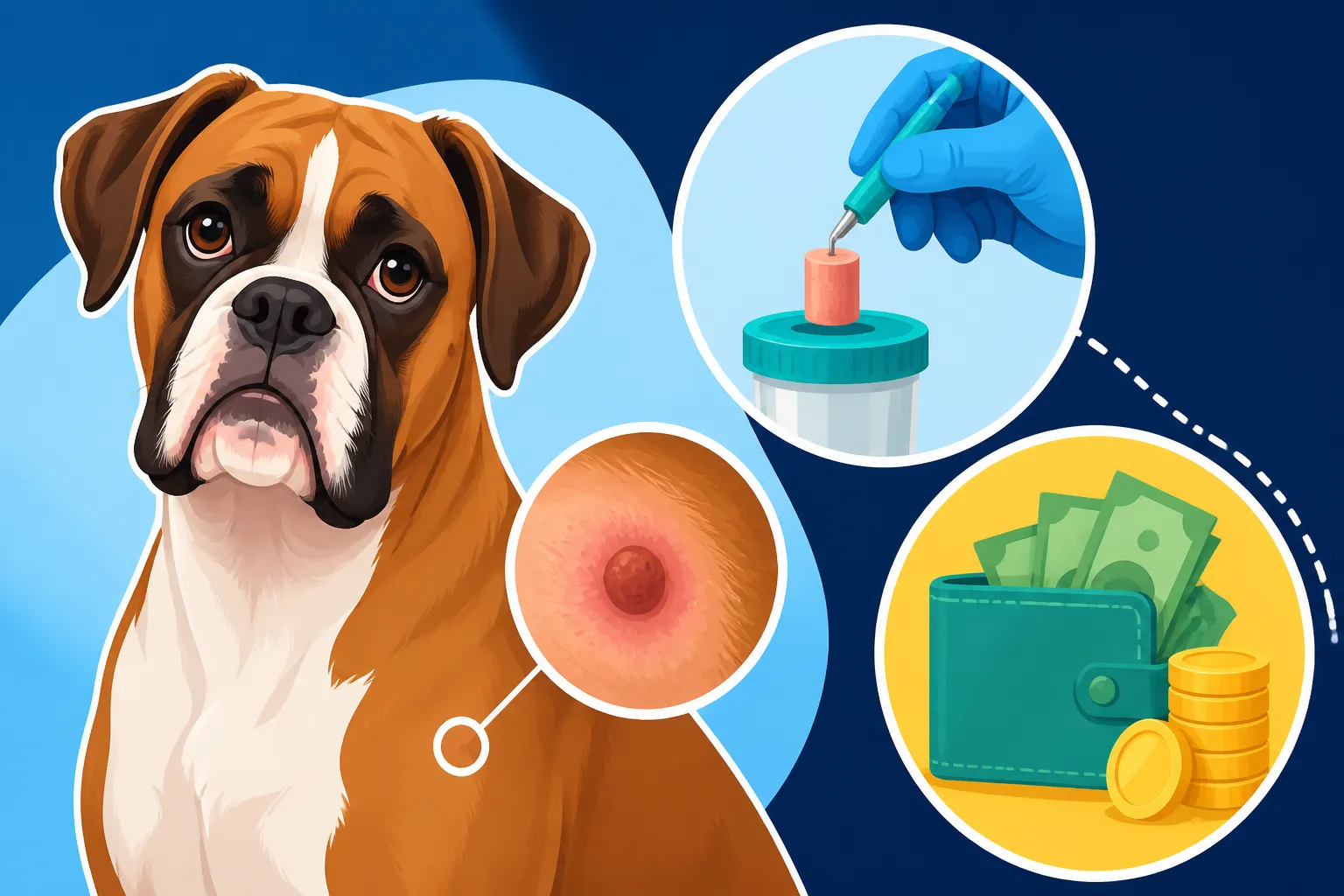
Skin Biopsy Costs on a Boxer
That unsettling feeling when you discover a new lump on your beloved Boxer, or notice a persistent skin irritation that just won't clear up, is something every dog owner dreads. Your mind races through all the possibilities, and often, the vet suggests a skin biopsy to get a definitive answer. But what exactly does that involve, and more importantly, what will it cost? This guide is here to walk you through the various expenses associated with a skin biopsy for your Boxer, so you can be prepared for the financial aspect of this crucial diagnostic step.
Why a Skin Biopsy Might Be Necessary for Your Boxer
It’s completely normal to feel a surge of anxiety when your vet mentions a biopsy. For Boxer owners, in particular, the fear of "the C-word" is often amplified because our breed is unfortunately so prone to certain types of cancers. But a biopsy isn't just about cancer; it's a vital tool for diagnosing a whole host of skin conditions. The goal is always to get a clear picture of what's happening at a cellular level, allowing for the most effective treatment plan.
When a Lump or Growth Appears
Boxers are notorious for developing lumps and bumps. One week your dog has smooth skin, the next you find a pea-sized nodule, or perhaps something larger and more squishy. It’s a constant worry, and for good reason. Not all lumps are sinister, but it's impossible to tell just by looking or feeling. You might be dealing with something relatively benign like a fatty tumor (lipoma), a wart-like growth, or even a histiocytoma, which is common in younger Boxers and often resolves on its own.
However, many Boxer owners know all too well the dread associated with mast cell tumors, which can appear as innocent-looking bumps but can be quite aggressive. Other concerns include lymphoma, which can sometimes present with skin involvement, or other sarcomas. The only way to truly differentiate these, and to know what you’re up against, is through microscopic examination of tissue. Regular Weekly Lump Checks on a Boxer are crucial for early detection, but once something is found, a biopsy is often the next step after an initial fine needle aspirate (FNA) proves inconclusive or suggests something more serious. Your vet will want to be sure whether you are Telling a Boxer Fatty Lump From a Tumor or dealing with something else entirely.
Persistent Skin Issues and Lesions
Beyond discrete lumps, Boxers can also suffer from a variety of chronic skin conditions that necessitate a biopsy. Imagine your Boxer constantly scratching and biting at a particular spot, or developing patches of red, inflamed, or thickened skin that just won't heal. Perhaps there’s a non-responsive rash, or a strange lesion that oozes or crusts over despite topical treatments.
These situations can be incredibly frustrating for both you and your dog. It could be an unusual bacterial or fungal infection that isn't responding to standard antibiotics, a parasitic infestation that's proving difficult to pinpoint, or an autoimmune disease where your dog's own immune system is attacking its skin. Environmental or food allergies are also common culprits for Treating a Boxer's Itchy Skin Year After Year, but sometimes these conditions can lead to secondary infections or changes in the skin that require a deeper look. Since Why a Boxer's Short Coat Shows Every Rash, any skin anomaly becomes immediately obvious. A biopsy can help differentiate between these possibilities, providing the clarity needed to formulate a targeted treatment plan and bring your Boxer relief.
Deconstructing the Bill: What Goes Into a Skin Biopsy Cost
Understanding the total cost of a skin biopsy involves more than just the price tag of "the biopsy itself." It’s a multi-stage process, and each stage comes with its own set of fees. When you receive an estimate, it will typically break down these components, giving you a clearer picture of where your money is going.
Initial Consultation and Exam Fees
Before any biopsy can be performed, your Boxer needs a thorough examination by a veterinarian. This initial consultation is where you explain your concerns, show the vet the lump or lesion, and provide any relevant history (how long it's been there, if it's grown, if it's bothering your dog). The vet will palpate the area, assess your Boxer's overall health, and discuss the best course of action. This visit alone will incur a standard consultation fee, which can vary significantly depending on your clinic and location. It's the essential first step, even before a decision is made to proceed with a biopsy.
Sedation or Anesthesia
For many biopsies, especially if the lump is in a sensitive area, if your Boxer is particularly anxious or prone to wiggling, or if multiple samples are needed, some form of sedation or even general anesthesia will be necessary. This ensures your dog remains perfectly still, allowing the vet to obtain a clean, representative tissue sample without causing undue stress or injury. The cost for sedation or anesthesia includes the drugs used, monitoring equipment, and the time of the veterinary staff dedicated to overseeing your Boxer during the procedure.
Before anesthesia, especially for older Boxers or those with underlying health concerns, pre-anesthetic bloodwork is often recommended. This blood panel assesses organ function and helps ensure your Boxer is healthy enough to undergo sedation safely. This adds another line item to the bill, but it's a crucial safety measure for a brachycephalic breed like the Boxer, as How a Boxer Handles Sedation can sometimes be more challenging due to their unique airway anatomy.
The Biopsy Procedure Itself
This is the core of the expense. The "biopsy" fee covers the actual collection of the tissue sample. There are a few different methods:
- Punch Biopsy: This involves using a circular cutting tool to remove a small core of tissue. It's minimally invasive and often done under local anesthetic with light sedation. Multiple punch biopsies might be taken from different areas of a larger lesion.
- Incisional Biopsy: This is a wedge-shaped sample taken from a larger mass, allowing the pathologist to see different parts of the growth.
- Excisional Biopsy: In this case, the entire lump or lesion is removed. This serves as both a diagnostic and potentially therapeutic procedure if the growth is small and easily accessible. This is essentially a small surgery.
The cost will vary based on the type of biopsy, the number of samples taken, the location on your Boxer’s body (some areas are more challenging to access than others), and the surgical supplies used (sutures, sterile drapes, blades). While related, it's different from a Needle Biopsy on a Boxer Lump, which is a quicker, less invasive procedure to collect cells rather than a tissue sample.
Histopathology: The Lab Analysis
Once the tissue samples are collected, they aren't examined by your local vet. Instead, they are carefully packaged and sent to a specialized veterinary pathology laboratory. This is where trained pathologists, who are experts in identifying diseases at a microscopic level, prepare the tissue, stain it, and analyze it under a microscope. They write a detailed report describing their findings, including the type of cells present, whether they are benign or malignant, the grade of any tumor, and sometimes even the surgical margins if it was an excisional biopsy.
This lab analysis, known as histopathology, is a significant portion of the total cost. It covers the pathologist's expertise, the lab technicians' time, and the specialized equipment and reagents used in processing the tissue. The quality and thoroughness of this report are paramount for an accurate diagnosis, and Histopathology Fees on a Boxer Tumor are a necessary investment in your dog's health.
Follow-Up Care
After the biopsy, your Boxer will need some post-procedure care. This typically includes a follow-up appointment to check the biopsy site, remove any sutures if an excisional or incisional biopsy was performed, and discuss the biopsy results. There might also be costs for pain medication, antibiotics if there's a risk of infection, or specialized wound care supplies. These follow-up visits ensure the incision heals properly and that you fully understand the diagnosis and any next steps required for your Boxer's health.
Factors That Influence the Final Cost
The total bill for a skin biopsy on your Boxer can be a bit of a moving target, influenced by several factors. It's rarely a one-size-fits-all price because every dog, every lump, and every clinic is unique.
Geographic Location and Clinic Type
Where you live makes a big difference. Veterinary costs, much like human medical costs, tend to be higher in urban areas and regions with a higher cost of living. A vet clinic in, say, New York City or Los Angeles will likely have higher overheads (rent, staff salaries) than one in a rural town, and these costs are reflected in their service fees.
Furthermore, the type of clinic matters. A routine biopsy performed at your general practice veterinarian will generally be less expensive than one done at a specialized veterinary dermatology or oncology clinic. Specialty clinics offer advanced expertise, equipment, and sometimes more complex anesthetic monitoring, which naturally comes at a premium. While your general vet is perfectly capable of performing many biopsies, particularly for easily accessible lumps, they might refer you to a specialist for very unusual cases or those requiring extensive surgical removal.
Complexity of the Case and Number of Samples
Not all biopsies are created equal. A simple punch biopsy of a superficial skin lesion might be quicker and less expensive than an incisional biopsy of a deeply embedded mass. If your Boxer has multiple suspicious lumps or a large, diffuse skin condition, the vet might need to take several samples from different areas to get a comprehensive diagnosis. Each additional sample, of course, adds to the cost of both the procedure and the histopathology.
The difficulty of the biopsy site also plays a role. A lump on an easily accessible part of the body, like a leg or flank, is often simpler to biopsy than one on the face, near an eye, or in the mouth, which might require more intricate surgical techniques and specialized anesthesia.
Additional Diagnostic Tests
Sometimes, a skin biopsy isn't performed in isolation. If your vet suspects a more serious condition, particularly cancer, they might recommend additional diagnostic tests to assess your Boxer's overall health and to check for metastasis (spread of cancer). These can include:
- Bloodwork: Beyond pre-anesthetic panels, specific blood tests can look for markers of inflammation, infection, or certain types of cancer.
- Urinalysis: To check kidney function and general health.
- Imaging: X-rays of the chest (to check for lung metastasis) or ultrasound of the abdomen (to look at lymph nodes and internal organs) may be advised.
- Lymph Node Aspiration: If nearby lymph nodes are enlarged, the vet might take a sample of cells from them to see if cancer has spread.
These additional tests, while crucial for a complete picture and to stage any potential cancer, will add to your total financial outlay. It’s important to discuss with your vet which tests are truly necessary given your Boxer’s specific symptoms and the initial findings.
Here’s a simplified breakdown of potential costs you might encounter, keeping in mind these are illustrative ranges and actual prices will vary significantly by location and clinic:
| Cost Component | Typical Range (Illustrative) | Notes |
|---|---|---|
| Initial Vet Exam | $60 – $150 | Mandatory first step, covers vet's time for assessment. |
| Pre-anesthetic Bloodwork | $100 – $250 | Highly recommended, especially for older Boxers or general anesthesia. |
| Sedation/Anesthesia | $150 – $500+ | Varies based on duration, drugs, and monitoring. |
| Biopsy Procedure (Punch) | $150 – $350 | For single or multiple small samples. |
| Biopsy Procedure (Incisional/Excisional) | $300 – $800+ | Involves more extensive surgery, sutures. |
| Histopathology Lab Fee | $150 – $300 | Per sample, or sometimes a flat fee for up to a few samples. |
| Post-Op Medications | $30 – $100 | Pain relievers, antibiotics. |
| Follow-Up Visit | $0 – $80 | May be included in initial fee or charged separately. |
| Total Estimated Cost | $600 – $2000+ | This is a broad range; always get a detailed estimate. |
Strategies for Managing Biopsy Expenses
Facing a potential health issue with your Boxer is stressful enough without the added burden of worrying about how to pay for it. Fortunately, there are several strategies and resources available to help you manage the costs associated with a skin biopsy and subsequent treatment.
Pet Insurance and Pre-Existing Conditions
Pet insurance can be a lifesaver for unexpected veterinary bills, and a skin biopsy often falls squarely into this category. The key, however, is to enroll your Boxer before any symptoms or lumps appear. Most pet insurance policies have waiting periods and will not cover conditions deemed "pre-existing." This means if you sign up for insurance after your Boxer develops a lump, that specific lump and any associated diagnostics or treatment will likely be excluded from coverage. This is why Insuring a Boxer Before the First Lump is so crucial.
When choosing a policy, look for one that offers comprehensive coverage, which typically includes diagnostic tests like biopsies, as well as treatment for illnesses and accidents. Policies usually involve a deductible (an amount you pay first), a reimbursement percentage (what percentage of the bill the insurer pays), and an annual limit. Understanding What a Boxer Policy Costs Each Month and what it covers can prevent significant financial strain. For instance, reputable insurers like Healthy Paws are often recommended for their comprehensive coverage options, but it’s always vital to read the fine print regarding waiting periods and how they define pre-existing conditions specific to Boxer health issues. A lump that has been detected and documented by a vet before insurance coverage kicks in will likely be considered a pre-existing condition, drastically impacting whether the biopsy costs are covered. It's why What a Removed Boxer Lump Becomes Pre-Existing is a major concern for owners.
Payment Plans and Financial Aid
If you don't have pet insurance or if your policy doesn't cover the biopsy, you still have options. Many veterinary clinics understand that large, unexpected bills can be a challenge and may offer in-house payment plans, allowing you to pay the total cost over several months. It never hurts to ask your vet's office about their policies.
Another common option is third-party financing like CareCredit or Scratchpay. These are credit cards specifically designed for healthcare expenses, often offering deferred interest periods if you pay the balance within a certain timeframe. While it's still a form of credit, it can make an immediate, large bill more manageable.
Additionally, there are various non-profit organizations and charities that offer financial assistance for veterinary care. Some are breed-specific, while others are more general. A quick online search for "veterinary financial aid" or "pet assistance programs" in your area can yield several potential resources. These organizations often have specific eligibility criteria, so be sure to investigate thoroughly. Building The Cancer Fund a Boxer Owner Should Build proactively is also a smart strategy for future expenses.
Proactive Care and Savings
Prevention and early detection are always the best strategies, both for your Boxer's health and your wallet. Regular wellness exams with your veterinarian allow them to catch any abnormalities early, potentially before they become more complex and costly to diagnose or treat. Your vet can advise you on good skin health practices, appropriate nutrition, and the importance of routine checks.
While not directly covering the biopsy cost itself, maintaining your Boxer's overall health with quality nutrition and supplies from reputable sources can contribute to fewer health issues down the line. For example, some owners find that fresh, whole-food diets, like those offered by Ollie, can sometimes improve overall skin and coat health, potentially reducing the incidence of chronic skin conditions that might otherwise warrant a biopsy. Similarly, ensuring you have quality grooming tools and appropriate shampoos from stores like Chewy for regular skin care can help prevent minor irritations from escalating.
Finally, and perhaps most importantly, establishing a dedicated pet emergency fund is a wise financial move for any Boxer owner. Even a small amount set aside regularly can grow into a substantial buffer against unexpected veterinary expenses like biopsies. Knowing you have a financial cushion can significantly reduce stress during an already anxious time.
Disclaimer
This article is for general informational purposes only and does not constitute professional advice. Laws, prices and regulations vary by location and change over time. Consult a qualified professional for guidance on your specific situation.