Whether a Boxer Suits Protection Sport Training
It's an age-old question for many Boxer owners: seeing that powerful, athletic build, the confident stance, and the natural protectiveness, you might wonder if your beloved Boxer could excel in something like protection sport training. Many of us see our dogs as guardians and want to harness that instinct, but the reality of organized protection sports is often very different from what people imagine, and it's crucial to understand if a Boxer's unique temperament and physical traits truly align with these specialized disciplines. This guide will explore the nuances of protection sports, evaluate the Boxer's suitability, and suggest alternative activities that might be a better fit for your furry friend.
Understanding Protection Sports vs. Real-World Protection
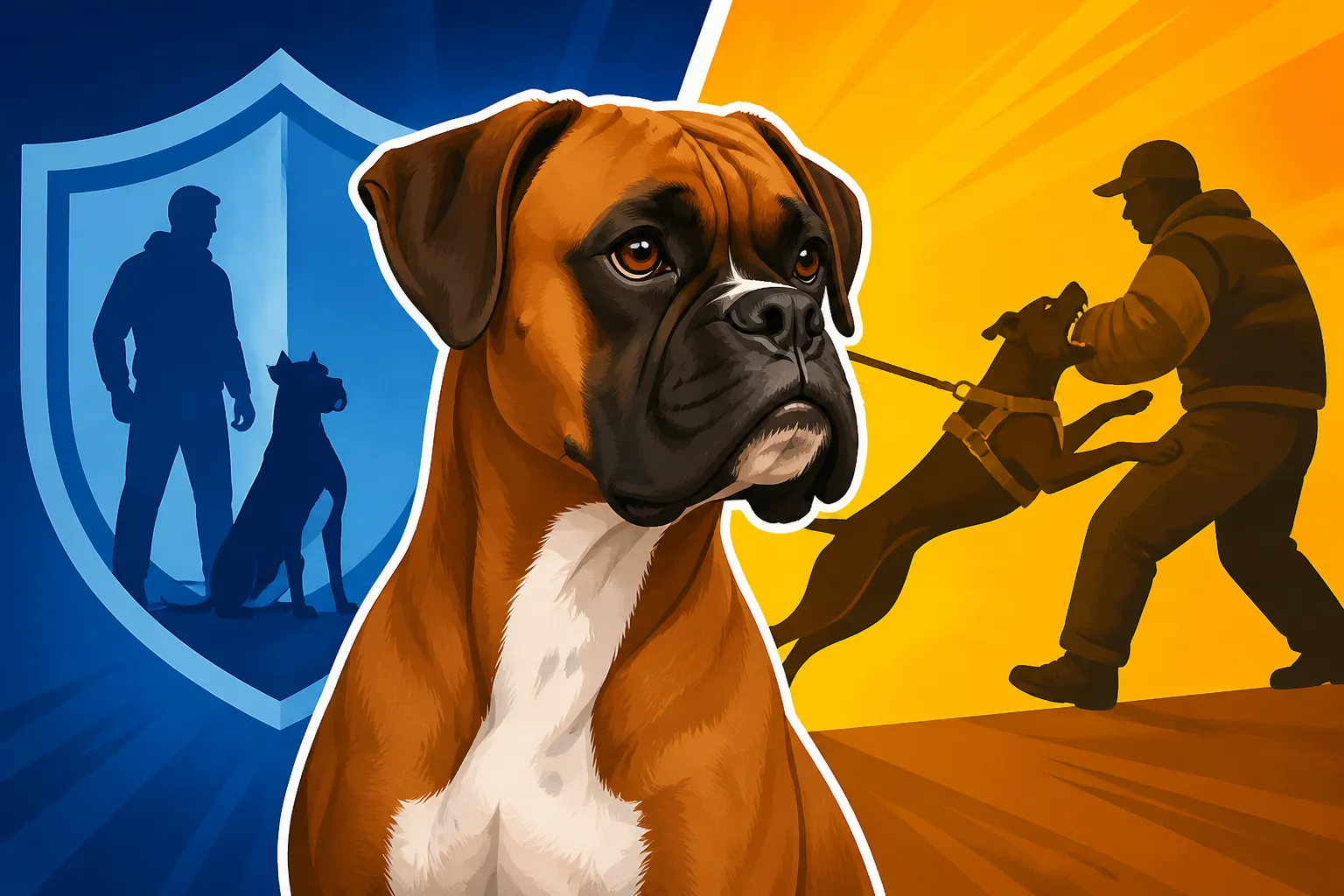
Before diving into whether a Boxer can hack it, we need to draw a clear line between what "protection sport" actually means and what genuine personal or home protection looks like. They are two very different beasts, though they share some superficial similarities.
The Game of Protection Sport
Protection sports, like Schutzhund (now more commonly referred to as IPO or IGP), French Ring, or Mondioring, are incredibly demanding disciplines that test a dog's courage, nerves, drive, and, critically, their handler's ability to control them under extreme pressure. This isn't about teaching your dog to bite an intruder; it's a highly formalized sport with strict rules, judges, and specific exercises. The "bad guy" is always a trained decoy in a padded suit or sleeve, and the dog is taught to engage and disengage on command.
These sports are not about aggression, but about a dog's innate drives — particularly prey drive and defensive drive — channeled through rigorous, precise training. Dogs that excel often possess a specific genetic predisposition for this work: strong nerves, high trainability, exceptional physical fitness, and an intense desire to "win" the game with the decoy. Breeds like German Shepherds, Belgian Malinois, and Rottweilers are the poster children for these sports because they were specifically developed for working roles that demand these very traits. Handlers dedicate years, sometimes decades, to mastering the complex routines and developing their dogs to championship levels.
The Reality of Personal Protection
Now, let's talk about what most people think protection sport training is for: making their dog a personal bodyguard or a fortress defender. Real-world personal or home protection is a completely different ballgame, fraught with legal, ethical, and practical complexities. The goal of a personal protection dog is to deter or neutralize a genuine threat, not to play a game with a willing participant. This requires a dog to make instantaneous, high-stakes decisions in unpredictable, often chaotic, real-life scenarios.
The liability involved in owning a dog trained for actual personal protection is enormous. An untrained dog that bites someone, even in defense, can lead to legal nightmares. A trained protection dog that bites outside of an extremely clear and present danger can be even more problematic. Furthermore, a truly effective protection dog needs more than just a bite; it needs impeccable obedience, discernment, and steady nerves to distinguish between a friendly visitor and a genuine threat. Most Boxers, with their inherent friendliness and "clown" nature, are not bred for this kind of intense, high-stakes work. While a Boxer's imposing presence and natural Boxer Watchdog Instinct Without Aggression can certainly deter many would-be intruders, transforming that into a reliable, controlled personal protection asset is neither typical for the breed nor advisable for most owners.
Boxer Temperament and Suitability for Protection Sports
When considering any dog for a specialized sport, we have to look closely at the breed's intrinsic characteristics. Boxers are wonderful dogs, but their unique blend of traits might not always align with the rigorous demands of protection sports.
Boxer Drives and Work Ethic
Boxers are undoubtedly intelligent, energetic, and eager to please their people. They possess a playful spirit and often have a decent prey drive, which can be seen in their love for chasing a ball or tugging on a toy. This prey drive is a foundational element in protection sports, as initial training often channels this instinct towards the bite sleeve. However, the type of drive and the intensity required for high-level protection work often differ from a Boxer's natural inclinations.
Many protection sports require a very high level of defensive drive – the instinct to protect oneself or one's handler from perceived threats – combined with unwavering nerves. While Boxers are naturally protective of their families, their primary response to a perceived threat is often to alert with barking and a confident posture, or to position themselves between their family and the perceived danger. They are not typically wired for the sustained, focused, and aggressive engagement with a decoy that is demanded in sport protection. Their renowned "clown" nature and desire for social interaction can sometimes make them less serious or easily distracted in environments where intense focus is paramount. They thrive on positive interaction and often get Training a Boxer That Gets Bored Fast if tasks become too repetitive or lack a strong play component, which can be a hindrance in the long, arduous path of protection sport training. For a deeper dive into their character, you might explore Boxer Temperament in the Standard and in Life.
Physicality and Stamina
Physically, Boxers are robust, muscular dogs with an athletic build. They are capable of bursts of speed and impressive agility. However, their brachycephalic (flat-faced) skull structure is a significant consideration when it comes to high-intensity, sustained physical activity, especially in warmer climates. Boxers are prone to overheating because their shortened muzzles make it less efficient for them to cool themselves through panting. Protection sports often involve intense, prolonged exercises, sprints, and controlled "fighting" sequences, which can be incredibly taxing on a dog's respiratory system.
Beyond the brachycephalic challenges, Boxers are also predisposed to certain health conditions that can impact their suitability for such demanding work. For instance, Boxer Cardiomyopathy and the Holter Monitor is a serious heart condition that can manifest later in life and would absolutely rule out any high-exertion sport. Similarly, their deep chests make them susceptible to Why a Boxer's Chest Shape Invites Bloat, a life-threatening condition that can be exacerbated by intense exercise, stress, and eating/drinking too quickly around activity. Any dog involved in protection sports needs to be in peak physical condition, undergo regular veterinary check-ups, and have a genetic background clear of major health concerns. While a Boxer can be very active, their specific physiological makeup often limits their ability to safely perform at the extreme levels required for competitive protection sports. Understanding Boxer Exercise Needs and the Heat That Limits Them is crucial for any Boxer owner, especially one considering strenuous activities.
Training Considerations and Alternatives for Boxers
So, what if you're still keen to explore some kind of advanced training, or you just want to make sure your Boxer is a well-behaved, confident companion? There are definitely better avenues to explore for your Boxer's unique talents.
Finding the Right Trainer and Club
If, against the typical recommendations, you are absolutely determined to investigate protection sports for your Boxer, the most critical step is finding an exceptionally reputable, ethical, and experienced trainer and club. This is not the place for YouTube tutorials or backyard trainers. You need professionals who prioritize dog welfare, understand canine behavior deeply, and have a proven track record in protection sports with an emphasis on safety and control. Be wary of anyone who promises quick results or encourages aggression. A good club will honestly assess your Boxer's temperament and drives, explaining clearly if they are suitable or not. They will also emphasize the years of dedication required and the safety protocols.
It's highly likely that you'll find that trainers specializing in protection sports primarily work with traditional protection breeds. However, good foundational obedience is key to any dog sport. Platforms like BAXTER & Bella offer excellent online resources for building a solid obedience foundation with positive reinforcement, which is an indispensable starting point before even considering advanced work. For in-person training, consider Group Class Against Private Work for a Boxer depending on your dog's specific needs and your training goals. Always observe a training session before committing, ask questions, and ensure the environment is positive and safe for all dogs involved.
Better Sports for a Boxer's Strengths
Instead of pushing a square peg into a round hole with protection sports, consider the many dog sports where Boxers truly shine! These activities leverage their natural athleticism, intelligence, playful nature, and desire to work closely with their human partners.
- Obedience and Rally: Boxers excel in these disciplines, which require precision, focus, and teamwork. Their eagerness to please and zest for life make them fantastic candidates for mastering a wide array of commands and performing them beautifully.
- Agility: With their powerful jumps and quick turns, Boxers can be surprisingly adept at agility. It's a fantastic outlet for their energy and mental stimulation, allowing them to navigate obstacle courses with speed and grace. Agility and Dock Diving With a Boxer are both great options.
- Scent Work/Nose Work: Boxers have a surprisingly good nose, and scent work taps into their innate canine ability to hunt with their olfactory senses. It's mentally engaging, often less physically taxing, and incredibly rewarding for both dog and handler. Rally and Scent Work for a Boxer are excellent ways to bond and build confidence.
- Therapy Work: Their friendly disposition and empathetic nature make many Boxers ideal candidates for therapy dog work, bringing joy and comfort to people in hospitals, nursing homes, and schools. This is a profound way to share your Boxer's love with the community.
- Canicross/Bikejoring: For Boxers with excellent cardiovascular health and a good pulling drive, these sports can be a fantastic way to exercise together, with the human providing the motive force and the dog providing the power. Always be mindful of weather and your Boxer's brachycephalic limitations.
These sports not only provide a healthy outlet for a Boxer's energy but also strengthen the bond between dog and handler, build confidence, and ensure a fulfilling life for your companion. For a broader look at suitable activities, check out Dog Sports That Suit a Boxer.
Developing a Boxer's Natural Guardian Instincts
Ultimately, a Boxer's greatest "protection" asset is its loyalty, confidence, and imposing presence. You don't need highly specialized, risky training to have a secure household. Focus instead on fostering a well-socialized, impeccably behaved, and confident Boxer. A dog that is secure in its environment and understands boundaries is far more effective as a deterrent than one that is fearfully or unpredictably aggressive.
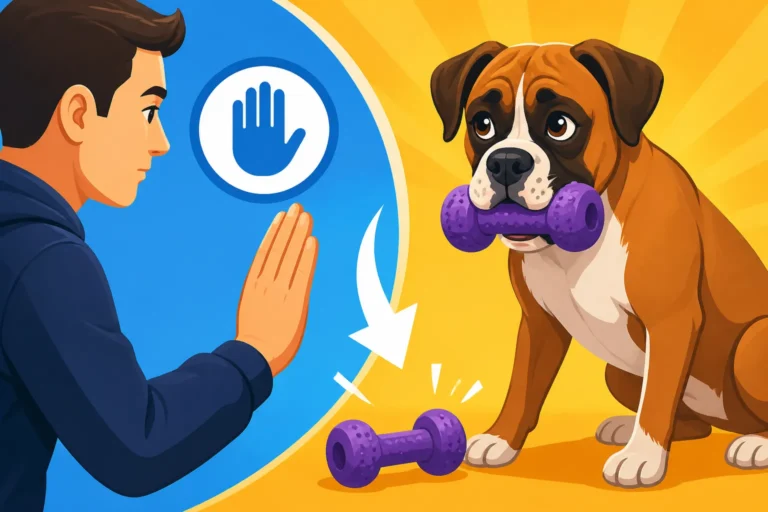
Continue with consistent obedience training, ensuring your Boxer responds reliably to commands like "stay," "come," and "leave it." Socialize them extensively as puppies, exposing them to a variety of sights, sounds, people, and other friendly dogs. A well-socialized Boxer understands what is normal and what might be out of place. They will naturally alert you to unusual sounds or strangers approaching your home with a characteristic "woof" or a deep-chested bark. Their sturdy build and confident demeanor are often more than enough to make an intruder think twice. Encouraging natural guardian instincts through positive reinforcement, rather than trying to force them into a sport they're not built for, leads to a happier, healthier, and safer dog for everyone. You can learn more about their natural protective inclinations in Whether a Boxer Is a Guardian Breed.
| Aspect | Boxer Suitability for Protection Sports (e.g., IPO/Schutzhund) | General Boxer Strengths & Best Fit Sports |
|---|---|---|
| Temperament/Drives | Low: Often lacks intense defensive drive; "clown" nature can hinder focus; strong play drive but often not sport-specific. | High: Eager to please, intelligent, playful, loyal, good family dog. |
| Physicality/Stamina | Low: Brachycephalic risks (overheating); prone to ARVC, bloat; not ideal for sustained high-intensity work. | Moderate-High: Athletic, strong, good for bursts of activity. |
| Trainability | Moderate: Intelligent, but can be stubborn/bored by repetition; requires highly skilled, positive reinforcement. | High: Responds well to positive reinforcement, excels in obedience. |
| Ideal Role | Not typically suited for competitive protection work. | Family companion, therapy dog, active sport partner. |
| Recommended Sports | N/A (unless highly specialized, rare individuals) | Obedience, Rally, Agility, Scent Work, Dock Diving. |
Disclaimer
This article is for general informational purposes only and does not constitute professional advice. Laws, prices and regulations vary by location and change over time. Consult a qualified professional for guidance on your specific situation.