Weight-Pull and Drafting With a Boxer
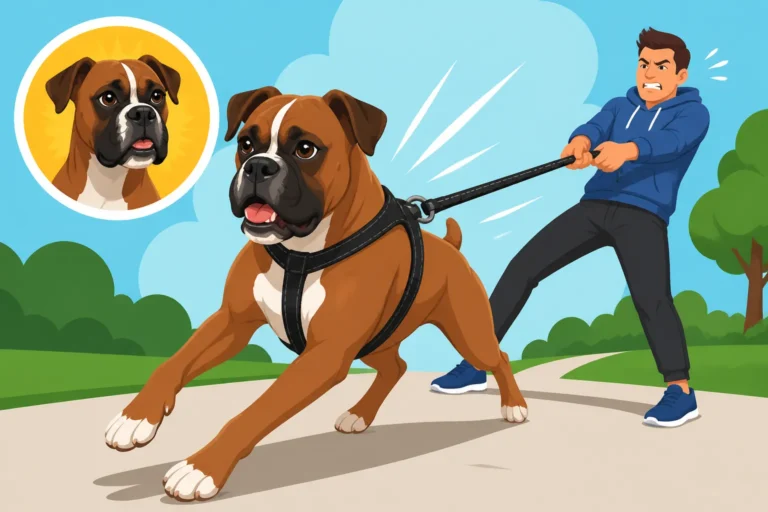
It can be incredibly frustrating when you have a high-energy Boxer, and you've tried all the usual outlets — long walks, fetch, even the dog park — but they still seem to have an endless supply of zest. Many Boxer owners find themselves looking for unique ways to channel that incredible strength and enthusiasm, and traditional dog sports might not always hit the mark. This guide is all about exploring two fantastic, often overlooked activities: weight-pull and drafting, and how your Boxer might just be perfectly suited to them, offering a fulfilling challenge for both of you.
Understanding Weight-Pull and Drafting: Are Boxers a Good Fit?
When you hear "pulling sports," your mind might immediately go to sled dogs in the arctic or massive draft breeds. But don't let those images fool you! Weight-pull and drafting are accessible to many strong, athletic breeds, and our beloved Boxers often fit the bill remarkably well. These aren't just about raw power; they require discipline, focus, and a fantastic partnership between you and your dog.
What are Weight-Pull and Drafting?
Let's break down these two distinct, yet related, disciplines.
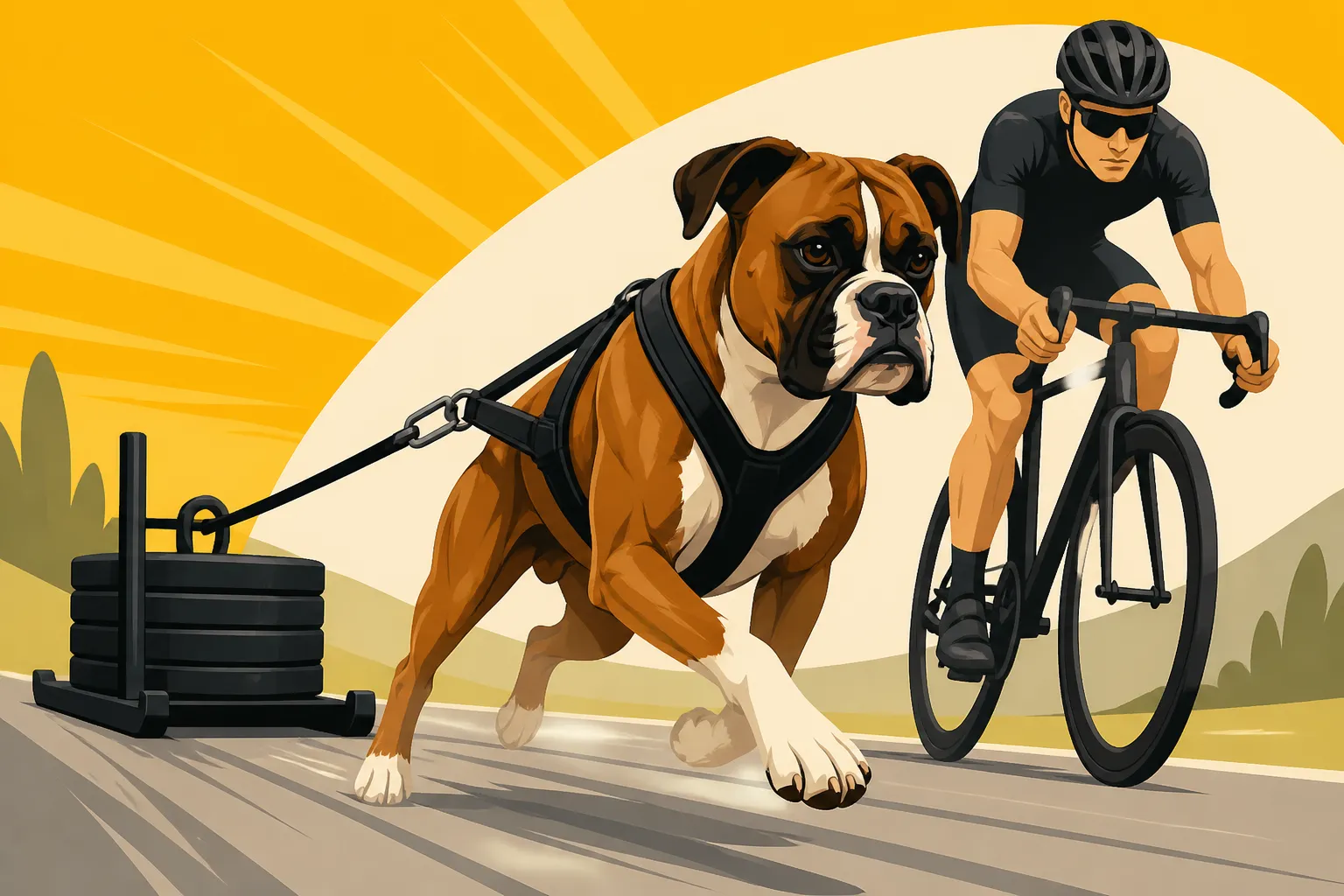
Weight-Pull: This sport is precisely what it sounds like: your Boxer pulls a weighted cart or sled over a short distance, typically 15 feet, within a set time limit. The goal is to pull the most weight, demonstrating incredible strength and drive. It's often done on various surfaces like dirt, carpet, or even snow, and the weights are progressively added. This isn't about brute force alone; it's about technique, leverage, and the sheer mental grit to keep going. Imagine your Boxer, muscles rippling, digging in and moving a load that seems impossible for their size. It’s truly a sight to behold and deeply satisfying for dogs that thrive on having a "job."
Drafting (Carting): Drafting, also known as carting, is a bit different. While it still involves your Boxer pulling a cart, the emphasis is more on utility, obedience, and endurance rather than maximum weight. Boxers in drafting might pull a wagon with groceries, gardening supplies, or even just a small child (under strict supervision and with appropriate safety measures, of course!) during a parade or demonstration. It's about demonstrating control, steady pace, and teamwork. Think of it as a practical application of your dog's strength, fostering a real sense of purpose. Many Boxers absolutely adore the attention and the feeling of contributing, especially when they get to show off their skills in a public setting.
Boxer Traits That Lend Themselves to Pulling Sports
Boxers possess a unique combination of physical and mental attributes that can make them surprisingly adept at both weight-pull and drafting.
First and foremost, Boxers are naturally strong and athletic. They are built with a deep chest, powerful hindquarters, and a compact, muscular body that is ideal for generating force. They have a history as working dogs, originally bred for hunting and guarding, and that innate drive to perform tasks is still very much present. It’s not just their physique, though. Boxers are incredibly intelligent and, when motivated, possess an intense desire to please their handlers. This biddability, combined with their characteristic exuberance, can translate into fantastic enthusiasm for pulling work. They genuinely enjoy having a purpose and working alongside their person. It’s important to remember that this "working dog" heritage often means they thrive on having a job, which is a great way to manage their energy. If you've ever dealt with a Boxer that seems to bounce off the walls, engaging them in a demanding sport like this can be a game-changer for their behavior and overall happiness. Dog Sports That Suit a Boxer covers other activities that might also appeal.
Their short, easy-care coat is another practical advantage, as it minimizes the risk of overheating from heavy coats during exertion, though caution is always needed for a flat-faced breed like the Boxer. Their focus, when properly channeled, allows them to concentrate on the task at hand, ignoring distractions once they understand the game. This doesn't mean it's effortless; Boxers can get Training a Boxer That Gets Bored Fast if sessions aren't engaging, but with the right approach, their dedication shines through.
Essential Equipment and Getting Started Safely
Diving into pulling sports with your Boxer requires more than just enthusiasm; it demands the right gear and a carefully planned approach to ensure safety and success. You can't just hook them up to anything and expect them to pull. Injury prevention and proper training are paramount from day one.
Choosing the Right Harness and Cart/Sled
This is perhaps the most critical aspect of getting started. A standard walking harness or collar is absolutely not suitable for pulling heavy loads. You need specialized equipment designed to distribute pressure evenly across your Boxer's powerful chest and shoulders, preventing injury to their neck, throat, or spine.
Harness Types:
- X-Back Harnesses: These are very common for weight-pulling and sledding, designed to distribute the load across the chest and back, with straps crossing over the dog's back in an 'X' shape.
- H-Back or Shoulder Harnesses: Often used for drafting, these harnesses can provide good support and comfort for sustained pulling, with the attachment point further back.
- Custom-Fitted Harnesses: For serious competitors or dogs with unique physiques, a custom-fitted harness is often the best investment, ensuring no chafing or restricted movement.
When looking for equipment, online retailers like Amazon offer a wide range of specialized harnesses from various brands. However, it's crucial to measure your Boxer accurately and consult sizing guides, or better yet, seek advice from experienced trainers in these sports. A poorly fitting harness can cause discomfort, chafing, and even serious injury. Remember, your Boxer's unique build, with that deep chest and distinctive neck, means off-the-rack options might need careful selection.
Carts and Sleds: For drafting, you'll need a cart or wagon. These come in various sizes and materials, from lightweight utility carts to sturdy, decorative wagons for parades. For weight-pull, specialized sleds or carts designed to hold specific weights are used. Start with a very lightweight cart or sled, or even just the harness itself, to allow your Boxer to get accustomed to the sensation without feeling overwhelmed. Think about the terrain you'll be using it on – a cart is better for pavement and trails, while a sled is ideal for snow or soft ground.
Gradual Introduction and Basic Commands
Patience is a virtue, especially when introducing your Boxer to pulling sports. This isn't a race; it's a gradual process that builds confidence, understanding, and a strong foundation.
Step-by-Step Introduction:
- Harness Acclimation: Start by letting your Boxer wear the harness for short periods during regular activities, like walks. Make it a positive experience with treats and praise. The goal is for them to see the harness as a sign of fun, not a chore.
- Empty Cart/Sled: Once comfortable with the harness, attach it to an empty cart or sled. Let them sniff it, walk around it. Then, encourage them to pull it for very short distances, perhaps just across the yard. Keep it light, fun, and always end on a positive note. You'll want to build their confidence without any pressure.
- Basic Commands: Before adding any significant weight, your Boxer needs to master essential commands specific to pulling. These are crucial for safety and control, both in practice and competition.
- "Hike" or "Go": To start pulling forward.
- "Whoa" or "Stop": To halt immediately. This is perhaps the most important safety command.
- "Easy" or "Slow": To reduce speed or effort.
- "Gee" (pronounced "jee"): To turn right.
- "Haw" (pronounced "haw"): To turn left.
- "Straight": To go straight ahead.
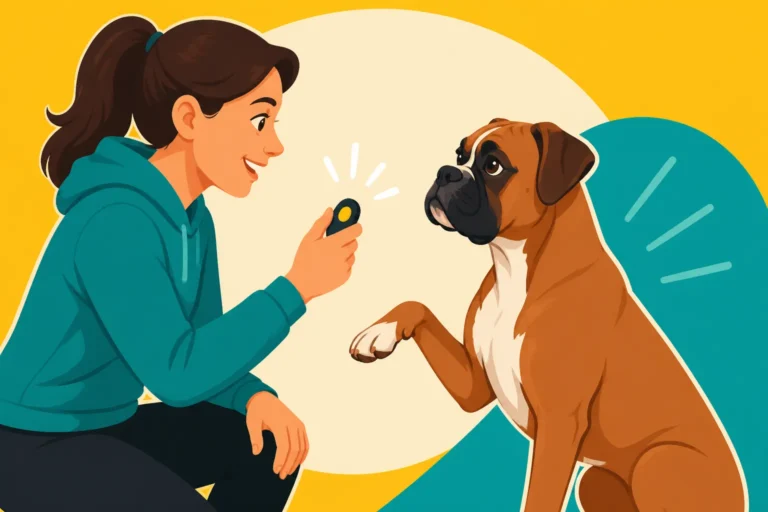
Practice these commands consistently during short, upbeat training sessions. Positive reinforcement, using high-value treats and enthusiastic praise, is key to keeping your Boxer engaged. If you're looking for structured guidance on obedience, resources like BAXTER & Bella offer excellent online programs that cover fundamental commands and relationship-building, which are directly applicable to these sports. Their structured approach can help you establish a solid communication foundation with your Boxer, making the transition to specialized pulling commands much smoother. Remember, Why a Boxer Shuts Down When You Get Loud is a real thing, so keep your tone encouraging and positive.
Training Techniques and Progression for Your Boxer
Once your Boxer is comfortable with the equipment and understands the basic verbal cues, it’s time to start building their strength, technique, and teamwork. This progression needs to be slow and steady, always prioritizing your dog's well-being over performance.
Building Strength and Stamina for Weight-Pull
Weight-pull is a test of power and controlled explosion, so training focuses on safely increasing your Boxer's ability to exert force.
Progressive Loading: This is the golden rule of weight-pull training. You never, ever start with heavy weights. Begin with a very light load – something almost negligible – and gradually add small increments over time. The idea is to build muscle and conditioning without overstraining tendons, ligaments, or joints.
- Start Small: Even an empty cart or a few pounds for a short distance is enough in the beginning. Focus on proper form: a steady, even pull without jerking or straining.
- Short Bursts: Weight-pull isn't an endurance sport. Training sessions should involve short, intense bursts of pulling over the prescribed 15-foot distance. This mimics competition conditions and builds anaerobic strength.
- Rest and Recovery: Just like human athletes, Boxers need adequate rest between pulling sessions to allow muscles to recover and grow. Overtraining can lead to injury and burnout.
- Core Strength: A strong core is vital for transferring power from the hindquarters through the body. Incorporate exercises like walking over uneven terrain, cavaletti poles (low jumps), or even controlled exercises on unstable surfaces to build these stabilizing muscles. Remember, Boxers are prone to Boxer Hip Dysplasia and Spondylosis, so strong supporting musculature is extra important.
- Proper Nutrition: To support such strenuous activity, your Boxer's diet needs to be top-notch. Focus on high-quality protein and appropriate fat levels to maintain a lean, muscular physique. Feeding a Boxer to Stay Lean and Muscled is crucial for their athletic performance and overall health.
Always watch your Boxer for any signs of discomfort or fatigue. A slight limp, reluctance to pull, or changes in gait are red flags that warrant a break and potentially a vet check.
Developing Teamwork and Control in Drafting
Drafting emphasizes steadiness, obedience, and the ability to maneuver the cart gracefully. This means focusing on precise control and communication.
Consistent Pace and Direction: Unlike weight-pull's short bursts, drafting often involves sustained pulling over longer distances. Train your Boxer to maintain a consistent pace and respond to directional cues ("gee" for right, "haw" for left) smoothly.
- Practice Maneuvering: Set up simple obstacle courses with cones or natural elements to practice turning, backing up (if your cart allows), and navigating tight spaces. This is where those basic commands become incredibly valuable. You might even practice fetching items from the cart, or having your Boxer hold a "stay" while you load something into it, further enhancing their sense of purpose.
- Vary Environments: Once your Boxer is comfortable in a familiar yard, gradually introduce them to new environments – quiet parks, paved trails, or even low-traffic urban areas for more advanced training. This helps build their confidence and focus amidst distractions.
- Building the Bond: Drafting is a wonderful way to deepen your bond with your Boxer. As you work together, they learn to trust your cues and you learn to read their subtle signals. It's a true partnership. Positive reinforcement and clear, consistent communication are essential. Consider how Boxers With Children and Other Dogs might participate in family outings, with your Boxer pulling a cart with supplies.
- Long-Line Work: Practicing directional commands on a long line without the cart first can be beneficial. It allows you to refine your cues and your Boxer's responses before adding the complexity of the cart. This also helps with Getting a Boxer to Walk Without Towing You in daily life.
| Feature | Weight-Pull | Drafting (Carting) |
|---|---|---|
| Primary Goal | Pull maximum weight over a short distance | Utility, obedience, steady pulling, presentation |
| Typical Load | Heavy, progressive weights (concrete, sand) | Lighter, practical loads (groceries, garden items, parade props) |
| Emphasis | Strength, power, technique | Control, obedience, teamwork, endurance |
| Competition | Judged on weight pulled, dog's effort | Judged on obedience, maneuvering, presentation, dog's attitude |
| Pace | Short, intense bursts | Steady, consistent pace for longer durations |
| Terrain | Carpet, dirt, snow, specific pulling surface | Pavement, trails, grass, public areas |
| Boxer Suitability | Strong, driven, loves a challenge | Biddable, enjoys a "job," good obedience foundation |
Health and Safety Considerations for Your Pulling Boxer
While Boxers are generally robust, engaging in strenuous activities like weight-pull and drafting demands a heightened awareness of their health and safety. Their unique physiology, including their brachycephalic (flat-faced) characteristics and predisposition to certain health conditions, means we, as responsible owners, must be extra vigilant.
Pre-Sport Health Screening and Ongoing Care
Before you even think about hitching your Boxer to a cart or sled, a thorough veterinary examination is non-negotiable. This isn't just a routine check-up; it's a specific assessment to ensure your dog is physically sound enough for the demands of pulling.
Comprehensive Vet Check-Up: Your vet should pay close attention to several key areas:
- Cardiac Health: Boxers are famously susceptible to heart conditions, particularly Boxer Cardiomyopathy and the Holter Monitor (ARVC). Strenuous exercise can exacerbate undiagnosed heart issues. Your vet may recommend an echocardiogram or Holter monitoring to assess heart function, especially if there's any suspicion of an arrhythmia. Annual Holter Screening as a Boxer Expense is a common recommendation for the breed.
- Joint and Orthopedic Health: Given the demands on their skeletal structure, a vet will want to check for conditions like hip or elbow dysplasia, arthritis, or any existing injuries. Boxers can develop conditions like Spondylosis on a Boxer's X-Ray, which could be aggravated by heavy pulling.
- Overall Physical Condition: Your Boxer needs to be in lean, athletic condition. Overweight dogs are at a much higher risk of injury and heat stress. Discuss proper conditioning and a suitable diet with your vet.
Ongoing Care: Regular vet check-ups should continue, perhaps even more frequently, once your Boxer starts pulling. Monitor their weight and body condition diligently; Weight Gain and Coat Loss in a Boxer can indicate underlying issues that might impact performance and health. Provide a high-quality diet tailored to active dogs, ensuring they receive adequate protein, fats, and essential nutrients to support muscle repair and energy levels. Fish oil supplements, for example, can contribute to joint health and coat condition, which is beneficial for any active Boxer.
Remember the importance of warm-ups and cool-downs. Just like human athletes, your Boxer needs dynamic warm-ups (a brisk walk, light trot, stretching) before pulling to prepare their muscles and prevent strains. After a session, a gentle cool-down walk and passive stretching help flush out metabolic waste and aid recovery.
Environmental Factors and Injury Prevention
Boxers, with their brachycephalic conformation, are particularly sensitive to environmental conditions. Ignoring these factors can lead to serious, even life-threatening, consequences.
Temperature Extremes: This is perhaps the biggest safety concern for Boxers in any strenuous activity. Their shortened muzzles make them less efficient at panting and cooling themselves down.
- Heat: Absolutely avoid pulling sports during hot or humid weather. Boxers can overheat very quickly, leading to heatstroke. Even moderate temperatures (above 70°F or 21°C) can be dangerous, especially with high humidity. Early morning or late evening sessions in cooler months are ideal. Pay close attention to The Temperature a Boxer Should Stop Walking At and heed the warning signs of overheating. Keeping a Boxer Cool When It Cannot Pant Enough is vital.
- Cold: While better than heat, extreme cold also poses risks. Ensure your Boxer has appropriate protection in very cold weather, especially if standing still for periods.
Appropriate Surfaces: The surface your Boxer pulls on significantly impacts joint and paw health.
- Weight-Pull: For competitive weight-pull, controlled surfaces like carpet or specific pulling tracks are used to reduce friction and provide consistent traction, minimizing strain.
- Drafting: For drafting, stick to relatively even, non-slippery surfaces like paved paths or groomed trails. Avoid rough terrain, jagged rocks, or icy patches that could lead to slips, falls, or paw pad injuries. Regularly check your Boxer's paw pads for cuts, abrasions, or cracks.
- Equipment Maintenance: Regularly inspect your harness, cart, or sled for wear and tear. Straps can fray, buckles can weaken, and wheels can become damaged. Faulty equipment is a significant safety hazard.
Recognizing Fatigue and Discomfort: You need to be acutely attuned to your Boxer's body language. They are typically eager-to-please, but this can sometimes mean they push themselves too hard if not stopped.
- Signs of Fatigue: Excessive panting, lagging behind, reluctance to engage, changes in gait, or excessive drooling.
- Signs of Pain/Injury: Limping, yelping, stiffness, swelling, or sudden changes in temperament (e.g., snapping when touched).
If you see any of these signs, stop immediately. Provide water, allow rest, and if symptoms persist, consult your veterinarian. The joy of these sports comes from doing them safely and in partnership with your healthy, happy Boxer.
Disclaimer
This article is for general informational purposes only and does not constitute professional advice. Laws, prices and regulations vary by location and change over time. Consult a qualified professional for guidance on your specific situation.