Dog Sports That Suit a Boxer
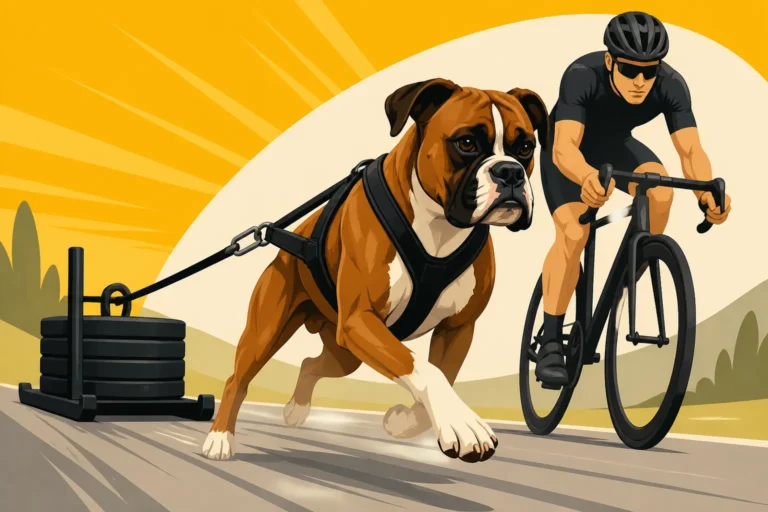
It's no secret that Boxers are bundles of joy and boundless energy. They're the clowns of the canine world, full of wiggles and bounces, but beneath that goofy exterior lies a powerful, intelligent dog that needs a job to do. Without proper outlets for their physical and mental energy, Boxers can quickly become bored, leading to destructive behaviors, excessive barking, or a general sense of unease. This comprehensive guide will walk you through a variety of dog sports that are perfectly suited to the Boxer's unique blend of athleticism, intelligence, and playful spirit, helping you find the ideal activity to keep your beloved companion happy, healthy, and engaged.
Understanding the Boxer's Athletic Prowess and Personality
Before diving into specific sports, it’s essential to appreciate what makes a Boxer tick. These aren't just pretty faces; they are working dogs with a rich history and specific traits that lend themselves well to certain activities. Recognizing their strengths and potential limitations is the first step in choosing the right sport for your individual dog.
The Boxer's Natural Drive and Stamina
Boxers were originally bred in Germany as working dogs, used for bull-baiting, cart pulling, and even as police and military dogs. This heritage gifted them with incredible strength, endurance, and a strong drive to work alongside their human partners. They possess a powerful, muscular build that allows for bursts of speed and impressive agility, often surprising people who only see their goofy side. Don't let their short snouts fool you; while they can overheat, they have a remarkable capacity for sustained activity when managed properly. They aren't marathon runners in extreme heat, but they thrive on vigorous, active engagement that taps into their robust physicality. This intrinsic drive means they genuinely want to do things with you, and channeling that energy productively is key to their well-being.
Think of your Boxer’s energy as a bubbling cauldron that needs a controlled vent. If you don't provide that vent, the pressure builds, and it will find its own, often less desirable, escape routes. A well-exercised Boxer, both physically and mentally, is a calm and content Boxer, ready to cuddle up on the couch at the end of the day. Without it, you might find them "boxing" with your furniture or endlessly pacing the house. It's not malice; it's simply an unfulfilled need to do.
Why Boxers Excel in Certain Activities
Boxers are often described as "big dogs in a small space" due to their compact, powerful build. This unique physique, combined with their intelligent and playful nature, makes them natural candidates for sports that demand a mix of physical prowess and problem-solving. Their springy gait and powerful hindquarters make them excellent jumpers, while their focused determination, once engaged, helps them master complex sequences. They have a relatively high pain tolerance, a trait inherited from their working past, which can be both a blessing and a curse in sports. While it means they often push through minor discomfort, it also means owners need to be extra vigilant for signs of injury or fatigue, especially with their brachycephalic (flat-faced) characteristics.
Their desire to please, coupled with a mischievous streak, means they respond incredibly well to positive reinforcement and engaging training methods. They're not the kind of dog that will robotically repeat a task; they need to understand the "why" or at least find the "what" incredibly fun and rewarding. This is where their personality truly shines in a sport setting – they approach challenges with enthusiasm, often adding their own unique flair or "Boxerisms" to the performance, which can be incredibly endearing to spectators and judges alike. Why a Boxer Boxes With Its Front Paws often gives insight into their natural play style, which can translate into certain sports.
The Boxer's Need for Mental and Physical Engagement
It's not enough to just throw a ball in the yard for an hour. While physical exercise is crucial, a Boxer also needs mental stimulation. They are smart dogs, sometimes too smart for their own good, and they thrive on learning new things and solving puzzles. Dog sports offer a fantastic blend of both. They challenge the dog to think, to remember sequences, to respond to cues under distraction, and to work as a team with their handler. This kind of engagement prevents boredom, reduces anxiety, and strengthens the bond between you and your Boxer.
Consider the difference between a dog that just runs in circles and a dog that navigates an agility course. One is purely physical, the other demands focus, strategy, and cooperation. The mental workout from learning a new sport can be just as tiring, if not more so, than the physical exertion. This is especially vital for Boxers, who can sometimes be "hard-headed" or easily distracted if they're not fully invested. A sport that keeps them guessing and allows them to utilize their natural instincts is far more likely to keep their attention and foster their enthusiasm over the long term. This sustained engagement is why merely going for walks, while necessary, is rarely enough for a Boxer’s full developmental needs.
Agility: A Perfect Fit for the Nimble Boxer
When people think of dog sports, agility is often the first thing that comes to mind, and for good reason – it's incredibly popular and a fantastic outlet for many breeds, especially the Boxer. Watching a Boxer fly over jumps, weave through poles, and dart through tunnels is a true testament to their athletic ability and joyful spirit.
What Agility Training Involves
Agility is essentially an obstacle course for dogs, guided by a handler. It involves navigating a series of obstacles such as jumps, tunnels, weave poles, A-frames, dog walks, and teeter-totters, all against the clock and without faults. The handler uses verbal cues and body language to direct the dog through a predetermined course. It’s a fast-paced, high-energy sport that demands precision, speed, and excellent communication between dog and handler. The dog must complete the obstacles in the correct order and direction, often with penalties for knocking down bars, missing contacts on obstacles, or refusing an obstacle.
Training for agility typically starts with foundational skills, like learning to focus on the handler, understanding basic directional cues, and building confidence on individual obstacles. It’s not about pushing the dog immediately to full speed; rather, it’s a gradual process of building muscle memory, understanding the equipment, and developing a strong working relationship. For a young Boxer, this means starting slowly, ensuring proper growth plate closure before introducing intense jumping, and focusing on conditioning to prevent injuries. Agility and Dock Diving With a Boxer can give more specific insights into these activities.
Benefits of Agility for Boxers
Boxers thrive in agility because it taps into so many of their natural inclinations. Their powerful legs make them excellent jumpers, their speed allows them to cover ground quickly, and their intelligent minds enjoy the challenge of solving the course. Agility helps develop incredible physical conditioning, improving muscle tone, coordination, and overall fitness. Beyond the physical, it provides immense mental stimulation. Dogs have to think on their feet, follow complex sequences, and react quickly to their handler's cues. This combination of mental and physical work is exactly what a Boxer needs to stay balanced and happy.
Furthermore, agility fosters an incredibly strong bond between dog and owner. You are a team, working in sync, celebrating successes together. The constant communication and problem-solving build trust and mutual understanding. Owners often report that their Boxers are more responsive and focused in everyday life after engaging in agility training. It's also a fantastic way to socialize your Boxer with other dogs and people in a controlled and positive environment, helping to build their confidence and manners. The joy a Boxer expresses when successfully completing a challenging course is truly infectious.
Getting Started with Agility for Your Boxer
Starting agility with your Boxer usually begins with enrolling in a beginner class at a local dog training facility. Many communities have dedicated agility clubs or trainers who specialize in the sport. It's crucial to choose a class that emphasizes safety, positive reinforcement, and a gradual introduction to obstacles, especially for a powerful, growing Boxer. Look for instructors who understand the unique needs of brachycephalic breeds, particularly concerning overheating. You might want to explore introductory online courses or resources, such as those offered by BAXTER & Bella, to get a head start on basic obedience and focus exercises before joining a group class.
Before you begin, ensure your Boxer is in good health and has received a vet check-up. Discuss your Boxer’s age and any potential health concerns with the agility instructor. Most clubs will recommend that puppies wait until their growth plates have closed, typically around 12-18 months, before engaging in high-impact jumping. In the meantime, you can work on flatwork, tunnels, and low-impact obstacles. Essential gear includes a well-fitting, comfortable harness (which you can easily find on Amazon), a 6-foot leash, and plenty of high-value treats. The key is to make every training session fun and rewarding, building enthusiasm and confidence rather than forcing the issue. Remember, Boxers need to find training interesting, otherwise Why a Boxer Shuts Down When You Get Loud or gets bored.
Obedience and Rally: Channeling the Boxer's Intelligence
While Boxers are renowned for their playful antics, they are also highly intelligent and capable of remarkable precision and focus. Competitive obedience and rally obedience provide structured environments where their intelligence and willingness to work can truly shine.
The Foundations of Competitive Obedience
Competitive obedience is often considered the foundation of all dog sports, demanding precise execution of a variety of commands. Dogs perform a set routine of exercises, including heeling (on and off leash), recalls, stays (sit-stay and down-stay), retrieves, and scent discrimination. Points are awarded for accuracy, attitude, and the dog's willingness to work. It’s a discipline that emphasizes a strong, clear communication system between handler and dog, requiring immense focus and control from both. For a Boxer, this means channeling their boundless enthusiasm into calm, controlled, and precise movements.
Training for competitive obedience instills discipline and responsiveness. It teaches a Boxer to concentrate on the handler despite distractions, to hold positions for extended periods, and to execute commands flawlessly. While some Boxers might initially balk at the repetition, the mental challenge of perfection, coupled with generous rewards, can be incredibly satisfying for them. Success in competitive obedience is a testament to the strength of the bond and the effectiveness of the training.
Rally Obedience for a More Dynamic Challenge
Rally obedience offers a more relaxed and dynamic alternative to traditional obedience, often described as a "fun run" with purpose. Instead of a judge giving commands, dog and handler navigate a course with numbered stations, each featuring a sign that instructs the team to perform a specific exercise (e.g., "sit-stay, walk around dog," "send over jump," "spiral right"). The handler can talk to, encourage, and praise their dog throughout the course, making it a highly interactive and engaging sport. This level of communication suits the Boxer's gregarious and expressive nature perfectly.
For Boxers, rally is an excellent choice because it allows for more handler interaction and positive reinforcement, playing to their desire to be involved and praised. The continuous movement and variety of exercises keep their active minds engaged, preventing the boredom that can sometimes creep into more static obedience exercises. It still demands focus and precision but in a more flowing and less rigid format. This makes it particularly appealing to Boxers, who appreciate a bit of flair and enthusiasm in their work. Whether a Boxer Can Compete in Obedience is certainly yes, and Rally is a great way to start.
Overcoming Boxer Stubbornness in Training
Let’s be honest, Boxers can be a little… opinionated. They have a reputation for being stubborn or easily bored if they don't see the point of an exercise. This isn't necessarily a flaw; it's often a sign of their intelligence and their need for engaging, rewarding interactions. To succeed in obedience or rally, you need to understand how to keep your Boxer motivated and interested. This means using high-value rewards (think tasty treats or their favorite squeaky toy), keeping training sessions short and fun, and varying exercises to prevent monotony.
The key to overcoming perceived Boxer stubbornness is to make them believe it was their idea to do the exercise. Positive reinforcement, patience, and a sense of humor are your best tools. If your Boxer isn't performing, it's usually because they don't understand what you're asking, or the reward isn't compelling enough, or they're simply bored. Avoid harsh corrections, which can cause a Boxer to shut down. Instead, break tasks down into smaller steps, celebrate every tiny success, and always end on a positive note. Resources like BAXTER & Bella can offer guidance on positive, engaging training techniques that resonate with the Boxer personality, helping you build a strong foundation of cooperation and enthusiasm. Keeping Boxer Training Sessions Interesting is paramount for success.
Scent Work: Tapping into the Boxer's Hidden Sense
While Boxers might not have the long, drooping ears often associated with scent hounds, they possess a powerful nose and an innate drive to investigate their world through smell. Scent work, also known as nose work, is a fantastic sport that allows Boxers to engage their natural olfactory abilities in a challenging and rewarding way.
The Instinctual Drive for Scent Detection
All dogs possess an incredible sense of smell, far superior to our own, and the Boxer is no exception. For a Boxer, the world is a symphony of scents, a constant source of information and intrigue. Scent work taps directly into this primal instinct, giving dogs a purpose for using their nose. It's a sport that builds confidence, provides immense mental stimulation, and can be enjoyed by dogs of all ages and physical conditions, making it particularly versatile for Boxers. Unlike high-impact sports, scent work is gentle on the joints and can be done indoors or out, making it suitable even when The Temperature a Boxer Should Stop Walking At is too high for strenuous activity.
Imagine how much information your Boxer gets just from a quick sniff of a lamppost. Now imagine harnessing that power and giving it a task. The focus required to discriminate specific odors from a myriad of environmental smells is incredibly taxing mentally, often leaving a Boxer pleasantly tired even without intense physical exertion. It's a beautiful thing to watch your Boxer, head down, tail gently wagging, completely absorbed in the hunt for a hidden scent.
Types of Scent Work Activities
Scent work competitions typically involve searching for specific target odors (often essential oils like birch, anise, or clove) in various environments:
- Container Searches: The dog identifies the container holding the target odor among a line-up of empty ones.
- Interior Searches: The dog searches a room, locating the hidden odor.
- Exterior Searches: The dog searches an outdoor area, often with varying terrain and environmental distractions.
- Vehicle Searches: The dog indicates the location of the odor on the exterior of a vehicle.
Each type of search presents unique challenges, requiring the Boxer to adapt their search strategy and concentration. Beyond formal competition, scent work can be practiced simply for fun at home. Hide your Boxer's favorite toy or some treats and encourage them to "find it!" It's a wonderful way to burn off mental energy on a rainy day or for a Boxer that might be recovering from an injury and needs a low-impact activity.
Introducing Your Boxer to Scent Games
Starting your Boxer in scent work is remarkably simple and doesn't require any fancy equipment initially. You can begin with "food finds" or "toy finds" at home. Take a high-value treat or a favorite toy, let your Boxer sniff it, then hide it in an easy-to-find spot while they watch. As they get the hang of it, gradually increase the difficulty of the hiding spots and then start having them wait out of sight. Once they understand the concept of searching, you can introduce a target odor. This is usually done by pairing the odor (e.g., a cotton swab with birch essential oil) with a high-value treat in a small box. Every time your Boxer investigates the box, they get the treat, associating the scent with a reward.
Many online resources and books, available from places like Amazon, can guide you through the initial steps. Local dog training clubs often offer introductory scent work classes, which are highly recommended for developing proper handling techniques and understanding competition rules if you choose to pursue it further. The beauty of scent work is that it relies on a dog's natural abilities, making it accessible and enjoyable for almost any Boxer, regardless of age or prior training experience. It's a confidence booster for shy dogs and a focused outlet for high-energy ones.
Tracking and Trailing: A Natural Extension of Scent Work
Building on the principles of scent work, tracking and trailing take a Boxer's incredible nose to the next level, challenging them to follow a specific path laid by a human, often over varied terrain and through complex environments.
The Difference Between Tracking and Trailing
While often used interchangeably, there's a subtle but important distinction between tracking and trailing in dog sports:
- Tracking: In tracking, the dog follows the exact path of a person by primarily focusing on the microscopic disturbances left on the ground by their footsteps (crushed grass, disturbed soil, etc.), along with any human scent particles dislodged. The dog's nose is usually right to the ground, meticulously following the "track." This is a very precise discipline, often done on vegetated surfaces.
- Trailing (or Man-trailing): In trailing, the dog is primarily following the unique human scent of a specific individual that has been dispersed into the air and deposited along a route. The dog may lift its head, air-scenting, and may not necessarily follow the exact footsteps of the person, taking shortcuts based on how the scent drifts. Trailing can cover longer distances, often in urban environments or areas with high foot traffic, and is commonly used in search and rescue.
Both sports demand immense focus, stamina, and a dog's unwavering commitment to following a scent, making them excellent choices for Boxers who love a challenge.
How Boxers Can Excel in Tracking
Boxers, with their innate drive, intelligence, and often surprising perseverance, can make excellent tracking dogs. Their powerful build allows them to cover ground efficiently, and their determination, once they understand the game, helps them stick to a track even when distractions abound. The mental engagement required to meticulously follow a scent for an extended period is a fantastic outlet for their intellect. Furthermore, tracking is a relatively low-impact sport physically, as it's primarily about sustained walking or trotting, making it suitable for Boxers of various ages and even those with minor physical limitations.
The true art of tracking lies in teaching the dog to be independent and to trust its nose. The handler is there to support and encourage, but ultimately, the dog leads the way. This can be a rewarding experience for Boxer owners, as it allows them to observe their dog's incredible natural abilities in action, fostering a deeper appreciation for their canine companion. It’s also a wonderful way to enjoy the outdoors with your Boxer, exploring new environments together.
The Dedication Required for Tracking Sports
Tracking and trailing require a significant commitment from both dog and handler. Training sessions can be time-consuming, as tracks need to be laid and allowed to "age" for a specific period before the dog works them. Finding appropriate, undisturbed training areas is also crucial. However, the rewards are immense. Watching your Boxer confidently follow a complex track, solving environmental puzzles with their nose, is incredibly gratifying. It builds immense confidence in the dog and strengthens the handler's ability to "read" their dog's subtle cues.
Starting tracking typically involves finding an experienced instructor or joining a tracking club. They will teach you how to lay tracks correctly, how to encourage your Boxer to follow, and how to interpret their behavior on the track. Special harnesses and long lines (available on Amazon) are often used to allow the dog freedom to work while maintaining control. Like other scent sports, positive reinforcement is key, making the experience enjoyable and rewarding for your Boxer. Whether a Boxer Has a Strong Prey Drive can often translate into a strong desire to "find" something, which is a great starting point for these activities.
| Dog Sport | Boxer Suitability | Key Boxer Traits Utilized | Benefits for Boxer | Considerations for Owners |
|---|---|---|---|---|
| Agility | Excellent | Athleticism, Speed, Jumping ability, Intelligence, Playfulness | Physical conditioning, Mental stimulation, Builds bond, Socialization | Risk of overheating, Joint care for jumps, Needs gradual introduction, Quality instructor essential |
| Obedience/Rally | Very Good | Intelligence, Desire to please, Focus (when engaged), Expressiveness | Discipline, Communication, Mental engagement, Builds confidence in distractions | Can be seen as "boring" without fun methods, Requires patience and high-value rewards, Consistency is key |
| Scent Work | Excellent | Powerful nose, Instinctual drive to investigate, Focus, Perseverance | Mental fatigue, Confidence building, Low physical impact, All-ages activity | Needs quiet environment for training, Specific odors can be tricky to source, Requires handler to learn to "read" dog |
| Tracking/Trailing | Very Good | Perseverance, Scenting ability, Stamina, Independence (on track) | Deep mental stimulation, Builds trust, Outdoor exploration, Low impact physical | Time-consuming, Requires specific terrain, Finding qualified instructor, Weather dependency |
| Dock Diving | Good (if water-lover) | Athleticism, Love of toys, Enthusiasm, Jumping ability | Full-body exercise, Cooling activity, Fun! | Not all Boxers love water, Safety around water, Proper technique to avoid injury, Careful monitoring to prevent aspiration, especially with their brachycephalic faces. |
| Lure Coursing | Excellent | High prey drive, Speed, Agility, Enthusiasm | Intense physical release, Fulfills instinctual chase, Builds confidence | Risk of overheating, Requires good physical condition, Need to ensure safe, enclosed space, Not suitable for Boxers with heart conditions. |
| Canine Freestyle | Good (with right dog) | Playfulness, Expressiveness, Desire to please, Intelligence, Learning new tricks | Creative outlet, Mental stimulation, Builds unique bond, Showmanship | Requires handler creativity, Can be challenging to teach complex sequences, May not suit every Boxer's temperament for performing in public. |
Other Engaging Sports for Boxers
Beyond the more common dog sports, there are several other activities that can be a fantastic fit for the athletic and versatile Boxer. These options provide different kinds of physical and mental stimulation, ensuring there’s something for every Boxer's unique personality.
Dock Diving: Splashing Fun for Water-Loving Boxers
Not all Boxers are natural water dogs due to their brachycephalic (flat) faces, which can make swimming more challenging and increase the risk of aspiration or overheating. However, for those Boxers who do love the water, dock diving can be an absolute blast! This sport involves dogs running down a dock and leaping into a pool or body of water to retrieve a toy, with distances measured to determine winners. It's an explosive, high-energy sport that capitalizes on a Boxer's powerful jump and enthusiasm for play.
For a Boxer that genuinely enjoys water, dock diving offers fantastic full-body exercise and an excellent way to cool down in warmer weather. It’s exciting to watch and participate in, fostering a huge amount of confidence and joy in the dogs involved. If you have a Boxer who enjoys splashing in puddles or even just dunking their face in their water bowl, it might be worth introducing them to a shallow pool to see if they're a potential dock diving star. Always prioritize safety, using a doggie life vest initially, and ensure quick access to shade and fresh water on warm days. Whether a Flat-Faced Boxer Can Swim Safely is a very important question to consider before getting involved.
Lure Coursing: Unleashing the Prey Drive Safely
Lure coursing is a sport originally designed for sighthounds, but many other breeds, including Boxers, can participate in "fun runs" or open events. It involves dogs chasing an artificially propelled lure (typically a plastic bag) across an open field, mimicking the chase of live prey. The course involves sudden turns and changes in direction, requiring incredible speed, agility, and stamina. For Boxers with a strong prey drive and a love for running, this can be an incredibly fulfilling and exhilarating activity.
This sport allows Boxers to express their natural instincts in a controlled and safe environment. The sheer joy of the chase, the wind in their ears, and the focus on the "prey" can be an unparalleled experience for them. It’s an intense burst of exercise, perfect for burning off pent-up energy. However, due to the high-speed turns and rapid acceleration, it’s crucial that your Boxer is in excellent physical condition with no underlying joint or heart issues before participating. Exercise After a Boxer ARVC Diagnosis or any other heart condition would make this sport unsuitable. Always ensure the event is well-organized with safety protocols in place.
Canine Freestyle and Trick Training: Creative Expression
If your Boxer loves to learn tricks and enjoys being the center of attention, canine freestyle, also known as "heelwork to music," or even just advanced trick training, could be a wonderful avenue for them. Canine freestyle combines obedience, tricks, and dance, with the dog and handler performing a choreographed routine to music. It requires creativity, precision, and a strong bond, allowing for a huge amount of personal expression.
Boxers, with their natural clownishness and expressive personalities, often excel in learning a wide array of tricks. They love to entertain and enjoy the positive feedback that comes with mastering a new behavior. Canine freestyle takes this to the next level, challenging both dog and handler to create a fluid, engaging performance. It's a fantastic mental workout, as dogs learn complex sequences and cues, and it also builds physical flexibility and coordination. The beauty of this sport is its adaptability – routines can be tailored to your Boxer's strengths and energy levels, making it suitable for a wide range of individuals. Getting a Boxer Ready for Therapy Work often involves a strong trick repertoire, showing how these skills transfer.
Considerations for Boxer Owners in Dog Sports
Choosing the right dog sport for your Boxer isn't just about finding something they enjoy; it's also about ensuring their safety and long-term health. Boxers have specific breed characteristics that require careful consideration when engaging in strenuous activities.
Managing the Boxer's Energy and Heat Sensitivity
Boxers are brachycephalic, meaning they have a shortened snout and often compromised airways. This anatomical feature makes them highly susceptible to overheating, especially during intense exercise or in warm weather. Unlike dogs with longer muzzles, Boxers cannot pant as efficiently to cool themselves down. This is perhaps the most critical consideration for any Boxer owner involved in dog sports. You must be hyper-vigilant about environmental conditions and your Boxer's comfort level. How Fast a Flat-Faced Boxer Overheats is faster than most owners realize, making preventative measures essential.
- Monitor the weather: Avoid exercising during the hottest parts of the day. Early mornings and late evenings are often best, especially in summer.
- Provide ample water and shade: Always have fresh water available, and ensure your Boxer has a cool, shaded resting area during breaks.
- Cooling gear: Consider cooling vests, bandanas, or mats (many available on Amazon) to help regulate their body temperature.
- Know the signs of overheating: Excessive panting, drooling, weakness, stumbling, or a bright red tongue are all emergency signals. If you see these, stop immediately and begin cooling your dog.
- Short sessions: Break up training into shorter, more frequent bursts rather than one long, strenuous session. Splitting a Boxer's Exercise Around the Heat is a necessary strategy.
Never push your Boxer past their limits, especially in heat. A Boxer will often try to please you even when they are struggling, so it's up to you to be their advocate.
Health Screenings Before Sport Participation
Before embarking on any dog sport, especially those that are physically demanding, it is absolutely crucial to have your Boxer thoroughly health-screened by a veterinarian. Boxers are prone to certain genetic health conditions that can be exacerbated by intense physical activity.
Key screenings include:
- Cardiac Evaluation: Boxers are predisposed to Arrhythmogenic Right Ventricular Cardiomyopathy (ARVC), often referred to as "Boxer cardiomyopathy." A yearly Holter monitor test and an echocardiogram are highly recommended to assess heart health. Boxer Cardiomyopathy and the Holter Monitor explains why this is so important. Participating in high-intensity sports with an undiagnosed or unmanaged heart condition can be life-threatening.
- Orthopedic Evaluation: While not as common as in some other large breeds, Boxers can still be prone to hip and elbow dysplasia or other joint issues. X-rays and a thorough physical exam can identify any potential problems before they become serious.
- General Health Check: A complete physical exam and blood work can rule out any other underlying health issues that might impact their ability to safely participate in sports.
Working with a reputable breeder who performs all recommended health screenings on their breeding dogs significantly reduces the risk of inherited conditions. Always be transparent with your vet and trainer about your Boxer’s health history and your sporting ambitions. The Health Screening a Boxer Breeder Owes You is a great resource to learn more about what to look for.
Finding the Right Trainer and Community
The success and enjoyment of participating in dog sports largely depend on the quality of instruction and the supportive community you find. For Boxers, who can be sensitive and sometimes a bit "hard-headed," a positive, patient, and experienced trainer is invaluable.
Look for trainers who:
- Use positive reinforcement methods: Forceful or harsh methods can damage a Boxer's confidence and enthusiasm.
- Have experience with Boxers or similar breeds: They should understand their unique temperament, energy levels, and brachycephalic considerations.
- Prioritize safety: Especially regarding heat management and appropriate intensity levels for Boxers.
- Create a fun and encouraging atmosphere: Both for the dogs and their handlers.
Joining a dog sport club or community can also be incredibly beneficial. You'll find like-minded individuals who understand the joys and challenges of owning a Boxer, offering support, advice, and camaraderie. These communities often host practice sessions, workshops, and trials, providing opportunities to grow and learn. Online platforms like BAXTER & Bella can provide foundational training skills that prepare your Boxer for in-person classes, helping them learn basic manners and focus before tackling more complex sports. Investing in the right training environment will set both you and your Boxer up for a rewarding and successful journey in the world of dog sports.
Disclaimer
This article is for general informational purposes only and does not constitute professional advice. Laws, prices and regulations vary by location and change over time. Consult a qualified professional for guidance on your specific situation.