Growth Limits on a Boxer Puppy’s Joints
Bringing a Boxer puppy home is a whirlwind of excitement, but it also comes with a lot of worry, especially when you see how fast these amazing dogs grow. Many new owners are understandably concerned about whether they're doing everything right to protect their puppy's developing joints from strain or injury. This guide is here to walk you through exactly how to support your Boxer puppy's healthy joint development, ensuring they grow into a strong, active adult.
Understanding Rapid Growth in Boxer Puppies
Boxer puppies grow at an astonishing rate, sometimes seemingly overnight. It's truly incredible to watch them transform from clumsy little fluffballs into sleek, powerful adolescents in a matter of months. But this rapid expansion, while normal, places unique demands on their skeletal system, making proper care during this critical phase absolutely essential for long-term joint health.
The Boxer Growth Curve and Its Implications
From eight weeks to well over a year, your Boxer puppy is undergoing massive changes. Their bones are lengthening, growth plates are open, and cartilage is developing. Unlike smaller breeds that might reach their adult size within six to nine months, Boxers, as a medium-to-large breed, continue to grow and fill out for much longer, often until they are 18-24 months old. This extended period of active skeletal development means their joints are vulnerable for a significant time. It's not just about getting bigger; it's about the intricate process of bone hardening and joint formation that occurs. Any undue stress, whether from inappropriate diet or excessive physical activity, can disrupt this delicate balance and potentially lead to lifelong issues. You'll want to keep a close eye on their progress, making sure they're not gaining weight too quickly, which can add unnecessary load to those still-forming structures.
Why Large Breed Puppies Are Different
Boxers fall squarely into the "large breed" category, and this classification isn't just about their adult size; it's about their unique physiological growth process. Their growth plates, which are areas of cartilage at the ends of long bones responsible for increasing bone length, remain open and vulnerable for a longer period compared to smaller dogs. This means that high-impact activities or diets that promote overly rapid growth can cause these soft growth plates to close prematurely or develop improperly. For instance, too much calcium in their diet, something often mistakenly thought to be beneficial for bones, can actually cause problems in large breed puppies by disrupting the normal bone mineralization process. It’s a delicate balance that needs careful management, quite different from managing a terrier puppy’s development. The sheer mass and momentum of a Boxer puppy also mean that an awkward landing from a jump or a slip on a slick floor can have a far greater detrimental effect than it would on a smaller, lighter dog.
Nutrition as a Cornerstone for Joint Health
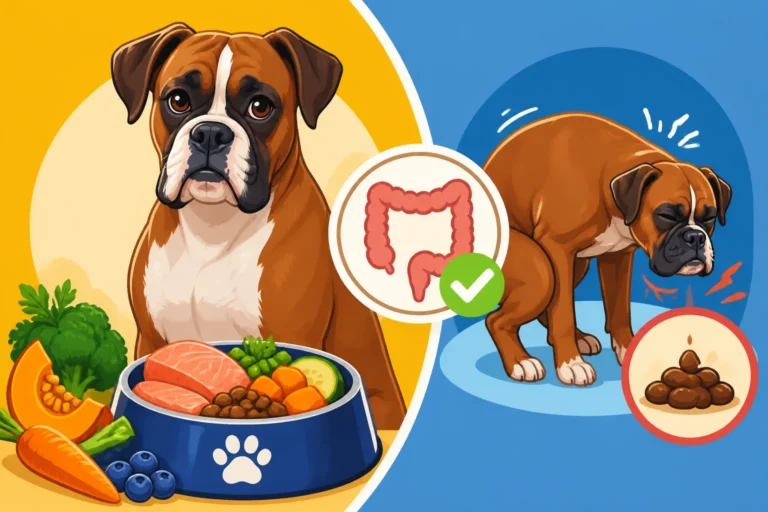
The food you put in your Boxer puppy's bowl isn't just fuel; it's the building blocks for their entire body, especially their rapidly developing bones and joints. Getting their nutrition right during this critical growth phase is perhaps the single most impactful thing you can do to prevent future joint problems. It's not about feeding the most expensive food, but the right food.
The Pitfalls of Overfeeding and "Growth Boosters"
It's a common misconception, born of good intentions, that feeding a Boxer puppy more will make them bigger and stronger. In reality, the opposite is true for joint health. Overfeeding a large breed puppy can be incredibly detrimental. Excess calories, especially when combined with imbalanced mineral ratios, can cause them to grow too quickly. This rapid growth doesn't make bones stronger; it can lead to bones outgrowing their supporting soft tissues, causing developmental orthopedic diseases like hip and elbow dysplasia, or osteochondritis dissecans (OCD). Imagine a building frame going up faster than the supporting concrete can cure – it's unstable and prone to collapse. Similarly, forcing a Boxer puppy to grow too fast puts immense, unnatural strain on their immature joints and skeleton. It's particularly important to avoid generic puppy foods that are not specifically formulated for large breeds, as these often have higher calorie and calcium levels than what a Boxer puppy needs. Care & Nutrition – Puppy Food Bills Through a Boxer's Growth Year
Choosing the Right Large Breed Puppy Food
When it comes to feeding your Boxer puppy, the golden rule is to opt for a high-quality commercial dog food specifically labeled for "large breed puppies." These formulations are carefully balanced with controlled calorie levels to prevent overly rapid growth, and they have precise calcium-to-phosphorus ratios essential for proper bone development. Look for foods that state they meet AAFCO (Association of American Feed Control Officials) nutritional profiles for "growth of large size dogs." This designation is key.
You'll find excellent options from reputable brands at pet supply retailers. For instance, online stores like Chewy offer a wide selection of large breed puppy formulas, making it easy to compare ingredients and nutritional analyses from the comfort of your home. Always follow the feeding guidelines on the bag, but remember these are just starting points. Adjust the portion based on your puppy's individual growth rate and body condition, aiming for a lean physique where you can easily feel their ribs but not see them prominently. You might also explore fresh food options from companies like Ollie, which can offer precise, tailored nutrition, but always ensure they are balanced for large breed puppy growth. Care & Nutrition – What a Boxer Puppy Eats at Each Stage
Supplements: When Are They Necessary?
For a healthy Boxer puppy on a high-quality, large-breed-specific diet, additional joint supplements are generally not necessary and can even be counterproductive if they throw off the carefully balanced nutrition. A good commercial food is already designed to provide everything your growing puppy needs. However, there are specific situations where a veterinarian might recommend a supplement. If your Boxer puppy has a diagnosed orthopedic condition, or if there's a strong genetic predisposition to certain joint issues (which a responsible breeder should disclose), your vet might suggest specific supplements.
Common joint supplements include glucosamine and chondroitin, which are thought to support cartilage health. Fish oil, rich in omega-3 fatty acids, is often recommended for its anti-inflammatory properties and overall skin and coat health, but it also has benefits for joints. Always consult your veterinarian before adding any supplements to your puppy's diet. Self-prescribing can lead to imbalances or provide no benefit, and some supplements can even interact with other medications or existing health conditions. It's crucial not to just add things because "they seem good"; every addition should be a considered decision made with professional guidance.
Exercise: Balancing Activity and Joint Protection
Boxers are renowned for their boundless energy and playful spirit. It's easy to get caught up in their enthusiasm and let them play for hours, but when they're still growing, unchecked activity can be just as damaging as improper nutrition. Think of their joints like fresh cement; you wouldn't let heavy machinery drive over it before it's fully cured.
The Dangers of Over-Exercising a Growing Boxer
It's tempting to think that a tired Boxer is a well-behaved Boxer, and while that's often true for adults, pushing a puppy too hard is a recipe for disaster. The soft growth plates and developing ligaments in a young Boxer's joints are highly susceptible to injury from repetitive impact and excessive strain. Activities like long-distance running (especially on hard surfaces like pavement), jumping repeatedly from heights (off furniture, out of a truck bed), intense agility work, or marathon sessions of fetch where they're skidding and turning sharply should be avoided until they are fully mature, typically around 18-24 months. These types of high-impact, high-intensity exercises can cause microtrauma to the growth plates, leading to painful conditions, abnormal bone development, or even permanent damage. Even a long walk can be too much for a very young puppy's still-forming joints. Care & Nutrition – Whether a Boxer Puppy Should Jump
Appropriate Exercise for Boxer Puppies
Instead of forced, repetitive exercise, focus on controlled, low-impact activities. Short, frequent walks on soft surfaces like grass or dirt are ideal. Think 5 minutes per month of age, twice a day, as a general guideline (e.g., a four-month-old puppy gets two 20-minute walks). These walks allow them to explore, socialize, and build stamina without overstressing their joints. Supervised free play in a safe, fenced yard is also excellent, allowing them to self-regulate their activity levels. They can run and wrestle for a bit, then flop down for a rest when they're tired. This kind of self-directed play is far better than forced running sessions.
Mental stimulation is another fantastic way to "tire out" a high-energy Boxer puppy without physical strain. Puzzle toys, training sessions, and scent games can be incredibly engaging and satisfying for their clever minds. Consider activities like Indoor Exercise for a Boxer in a Heatwave to provide a safe outlet for their energy, especially on days when outdoor exercise isn't possible or advisable. These methods build a strong bond with your puppy and encourage good behavior, all while protecting those precious developing joints.
Managing Stairs and Slippery Surfaces
Stairs, while seemingly innocuous, can be a significant hazard for a growing Boxer puppy. The repetitive jarring and twisting motions involved in navigating stairs, particularly going down, can put undue stress on their developing hips, elbows, and shoulders. For very young puppies, it’s best to carry them up and down stairs whenever possible. As they get a bit older, you can teach them to go up and down slowly, one step at a time, but it’s still wise to limit their access or supervise them closely.
Equally important are slippery indoor surfaces. Hardwood floors, tile, and linoleum can cause a Boxer puppy to slip, slide, and splay their legs, potentially leading to painful sprains, strains, or even more serious joint injuries. Imagine the force on their hips as they struggle for traction. To mitigate this risk, place rugs, runners, or carpet sections in high-traffic areas where your puppy plays and rests. This provides much-needed traction and a softer landing spot if they do tumble. Creating a "no-slip" zone is a small effort that can yield huge benefits for your puppy's joint health.
Monitoring and Early Detection of Joint Issues
Even with the best preventative care, some Boxers may still develop joint issues due to genetic predisposition or unforeseen circumstances. Being vigilant and recognizing the early signs of discomfort or pain is crucial for prompt veterinary intervention, which can often lead to better outcomes. Your close observation is your puppy's first line of defense.
Signs of Joint Pain or Discomfort
Boxers are stoic dogs and can sometimes hide pain well, but there are usually subtle cues if you know what to look for. Any change in their normal movement or behavior could signal joint discomfort. Watch for limping, even if it's intermittent or very slight, especially after rest or waking up. Reluctance to play, jump, or use stairs when they normally would is a big red flag. You might notice them having difficulty getting up from a lying position, or they might bunny hop (moving both back legs together) when they run, which can be a sign of hip pain. Stiffness after exercise or rest, whining when touched in certain areas, or even changes in their appetite or temperament can also indicate they're not feeling well. Never dismiss these subtle signs; a quick vet visit is always better than letting a problem fester.
Regular Vet Check-ups and Screening
Consistent veterinary care is paramount throughout your Boxer puppy's growth. Regular check-ups allow your vet to monitor their growth rate, body condition score, and gait. They can assess joint flexibility and palpate for any early signs of pain or structural abnormalities. Your vet is a crucial partner in navigating the unique health challenges of the Boxer breed.
Beyond routine exams, discuss specific screenings for conditions common in Boxers, like hip and elbow dysplasia. While these official screenings (often involving X-rays) are usually performed closer to two years of age for certification, your vet can identify potential concerns much earlier. A responsible Boxer breeder should provide health clearances for the parents, demonstrating their commitment to reducing genetic predispositions. Health & Lifespan – The Health Screening a Boxer Breeder Owes You Knowing your puppy's lineage can help you and your vet tailor a proactive screening and management plan.
Understanding Common Boxer Joint Conditions
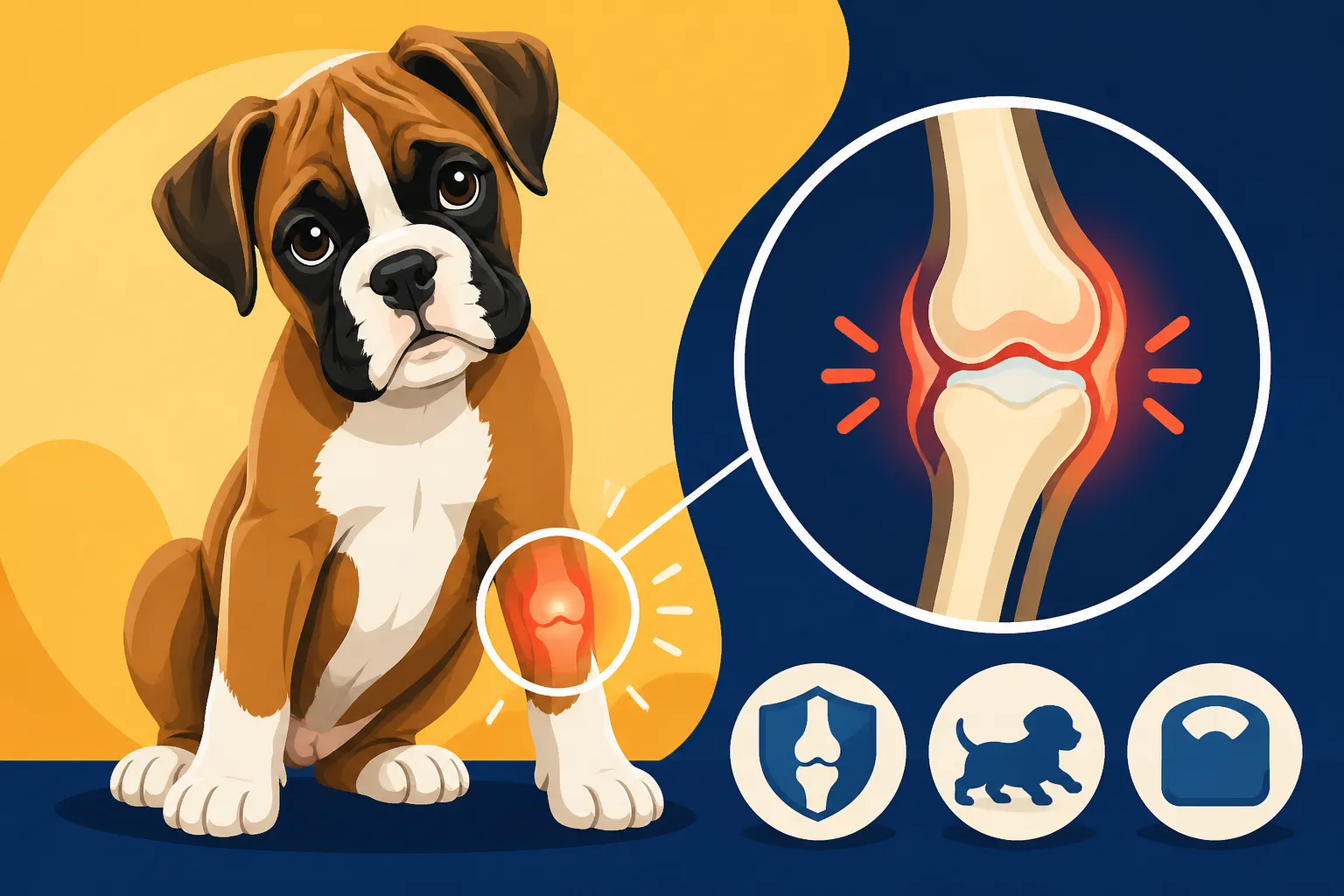
While prevention is key, understanding the specific joint conditions that Boxers can be prone to helps you stay informed. Hip Dysplasia is perhaps the most well-known, where the hip joint doesn't form properly, leading to looseness and eventual arthritis. Elbow Dysplasia is a similar condition affecting the elbow joint, often leading to pain and lameness. Osteochondritis Dissecans (OCD) is another developmental orthopedic disease where a piece of cartilage (and sometimes underlying bone) separates from the end of the bone, causing pain and inflammation, most commonly in the shoulder, elbow, or knee.
It's important to remember that while genetics play a significant role in these conditions, environmental factors like nutrition and exercise can either exacerbate them or, conversely, help mitigate their severity. Even a Boxer with a genetic predisposition can have a better quality of life if raised with meticulous attention to controlled growth and appropriate exercise. Conversely, a puppy with excellent genetics can still develop problems if their care is lacking. Health & Lifespan – Boxer Hip Dysplasia and Spondylosis
The Role of Environment and Lifestyle
Beyond what goes into their bowl and how they play, the everyday environment and lifestyle you provide for your Boxer puppy have a profound impact on their joint health. Creating a safe, supportive home is about more than just comfort; it's about actively protecting their growing body.
Providing a Safe and Supportive Home
Your home environment should be a haven, especially for a large breed puppy whose clumsy nature can sometimes lead to tumbles and bumps. Puppy-proofing isn't just about protecting your belongings; it's about preventing accidental injuries. Ensure there are no unstable furniture items they could pull down, or sharp corners they might run into. For a growing Boxer, comfortable and supportive bedding is absolutely vital. As they gain size, their weight puts more pressure on their joints during rest. Consider an orthopedic bed or at least a thick, supportive dog bed that cushions their body and distributes weight evenly. You can find excellent, durable options on platforms like Amazon that will stand up to a Boxer's energy and size. Investing in quality bedding from day one can help prevent pressure sores and provide much-needed support for their still-developing musculoskeletal system.
Weight Management Throughout Growth
We've touched on nutrition, but it bears repeating: keeping your Boxer puppy lean is one of the absolute best things you can do for their joints, from puppyhood through old age. Every extra pound puts additional stress on their developing growth plates and joints, accelerating wear and tear. A lean puppy has a better chance of avoiding or mitigating orthopedic issues. You should be able to easily feel their ribs when you run your hands along their side, without them being visibly prominent. Their waist should tuck in when viewed from above, and from the side, they should have an abdominal tuck.
It's easy to spoil a cute puppy with treats, but these extra calories quickly add up. Be mindful of total caloric intake from meals, treats, and any chews. Use healthy, low-calorie treats or even a portion of their daily kibble for training rewards. Regularly checking their body condition will help you adjust their food intake appropriately as they grow. Care & Nutrition – Reading a Boxer's Ribs and Waist And remember, once their growth plates close and they transition to adult food, maintaining that lean body condition remains critical. Care & Nutrition – Measuring a Boxer's Ration Against the Bag Chart
Long-Term Joint Health Strategies
Caring for your Boxer's joints isn't a temporary concern that ends when they reach adulthood; it's a lifelong commitment. The habits you establish during puppyhood will set the foundation for their joint health in their golden years. Continue to prioritize a high-quality, balanced diet appropriate for their life stage and activity level. As they mature, controlled, regular exercise will shift from short, low-impact walks to more robust activities like brisk walks, hiking, or even carefully managed running, but always with attention to weather conditions and their individual stamina.
Maintaining a healthy weight is non-negotiable for their entire life. As Boxers age, they naturally become more prone to arthritis and other joint degeneration, and excess weight will only accelerate these processes. Regular veterinary check-ups should continue to include joint assessments, and your vet may recommend supplements or other interventions as your Boxer ages. Building strong core muscles through appropriate exercise also provides crucial support for their spine and major joints, contributing to overall mobility and comfort throughout their long, happy life. Health & Lifespan – Boxer Lifespan and the Years That Decide It
| Exercise Type | Appropriate for Boxer Puppies (Under 18 months) | Inappropriate for Boxer Puppies (Under 18 months) |
|---|---|---|
| Walking | Short, frequent walks (5 min/month of age, twice daily) on soft surfaces (grass, dirt) | Long, strenuous walks or runs on pavement, jogging alongside a bike |
| Play | Supervised free play in a fenced yard, gentle tug-of-war, short sessions of fetch on grass with soft landings | High-impact jumping (e.g., catching frisbees in the air), competitive agility training, excessive roughhousing |
| Stairs/Jumps | Carried up/down stairs, gently introduced to a few steps; low, stable platforms for climbing if supervised | Repeated jumping from furniture/heights, frequent running up/down flights of stairs |
| Mental Stimulation | Puzzle toys, scent games, short positive reinforcement training sessions | No inappropriate direct physical exercise, but highly recommended as alternative to physical fatigue |
| Swimming | Gentle supervised swimming in warm, calm water (with life vest) as a low-impact exercise once mature enough | Unsupervised swimming, forced swimming in cold or choppy water |
Disclaimer
This article is for general informational purposes only and does not constitute professional advice. Laws, prices and regulations vary by location and change over time. Consult a qualified professional for guidance on your specific situation.