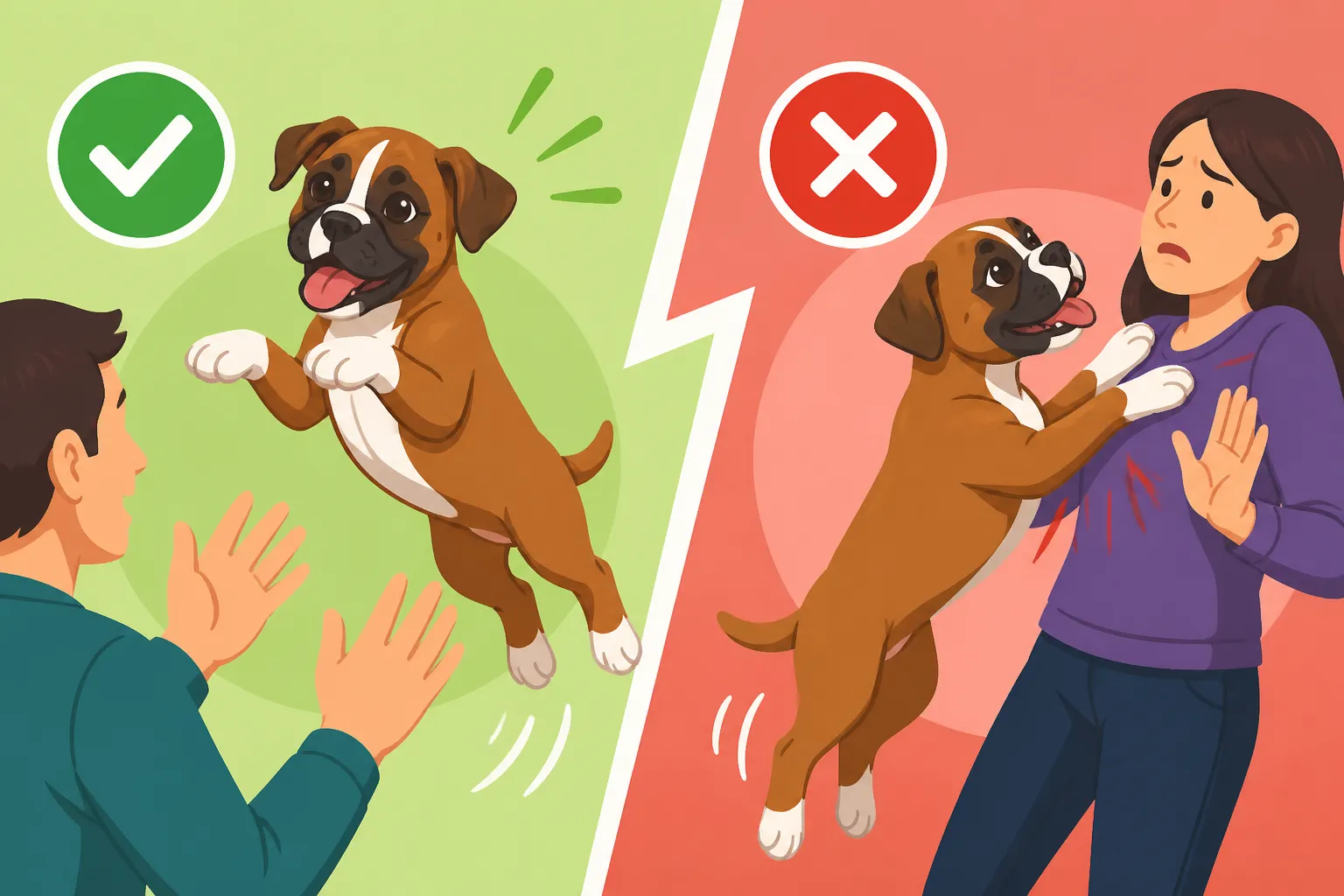
Whether a Boxer Puppy Should Jump
Few things are more endearing than a Boxer puppy's boundless enthusiasm, but that incredible energy often translates into a habit of jumping that can be both adorable and, for a concerned owner, a little worrying. You see your wiggly, happy-go-lucky little land shark launching itself into the air, and while your heart melts at the sheer joy, a little voice in the back of your head whispers, "Is this okay for their joints?" It's a completely valid concern, and navigating the puppy stage with these spirited dogs means understanding how to protect their developing bodies while still allowing them to be their magnificent, goofy selves. This guide will walk you through the nuances of Boxer puppy jumping, the potential risks, and most importantly, how to guide their natural exuberance into healthy, safe expressions of joy.
The Lure of the Leap: Why Boxer Puppies Love to Jump
It's no secret that Boxers are dogs with personality plus, and their puppies are like concentrated bundles of that joyful, often clumsy, spirit. When you bring a Boxer puppy home, you're signing up for a lot of wiggles, zoomies, and, yes, some impressive aerial maneuvers. Understanding why they jump is the first step in gently guiding them towards more appropriate behaviors.
Natural Boxer Exuberance
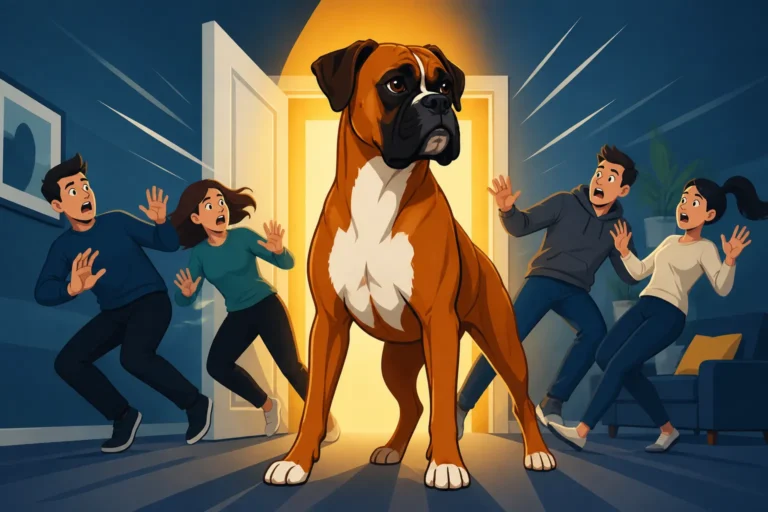
Boxers are renowned for their playful, clownish nature, and their famous "boxing" with their front paws often goes hand-in-hand with an urge to leap. For a Boxer puppy, jumping is often a pure expression of unadulterated happiness and excitement. Imagine the sheer delight of seeing their favorite human, discovering a new toy, or anticipating a walk! This breed is hardwired to be demonstrative, and for a small, gangly puppy still figuring out its body, getting airborne seems like a perfectly logical way to express that enormous internal joy.
They don't have a concept of gravity's impact on growing bones, nor do they understand that their 20-pound-and-growing body might send a toddler sprawling. For them, it's just pure, uninhibited motion. They might jump straight up and down, pounce sideways, or try to launch themselves into your arms. This isn't naughtiness; it's simply a puppy's instinct to engage and express itself with its entire being. Their energy levels are off the charts, especially during The Boxer Puppyhood That Lasts Three Years, and that energy has to go somewhere! If you’ve ever watched a Boxer play, you know they use their whole body in a vigorous, often boisterous way. A young Boxer puppy is simply practicing those moves with enthusiasm, without yet developing the body awareness or impulse control of an adult.
Seeking Attention and Engagement
Beyond sheer exuberance, jumping quickly becomes a learned behavior for many Boxer puppies because, let’s be honest, it works. When a wiggly pup jumps up, what's our natural reaction? We might gasp, push them down, say "no," or even laugh. All of these reactions, positive or negative, serve as attention for the puppy. In their eyes, "Oh! I did that thing, and my human reacted!"
They quickly learn that launching themselves upwards is a highly effective way to get your eyes on them, your hands on them (even if it's to push them off), or to initiate play. They want to get closer to your face, to share their joy, or to demand that you engage with them. If they jump, and you respond by picking them up, petting them, or even just making eye contact, you've inadvertently taught them that jumping is a great communication tool. This can quickly escalate, especially as they grow heavier. A tiny puppy jumping might be cute, but a 40-pound adolescent Boxer doing the same is a different story, potentially knocking over children or elderly relatives. The key is to break this cycle early, before it becomes a deeply ingrained habit.
The Hidden Dangers: Why Jumping Can Harm a Growing Boxer
While a Boxer puppy’s playful jumps might seem harmless and full of youthful vigor, it’s crucial for owners to understand the potential long-term and immediate risks involved, especially for a large, rapidly growing breed like the Boxer. Their bodies are not yet fully formed, and certain types of impact can have lasting consequences.
Joint Impact and Skeletal Development
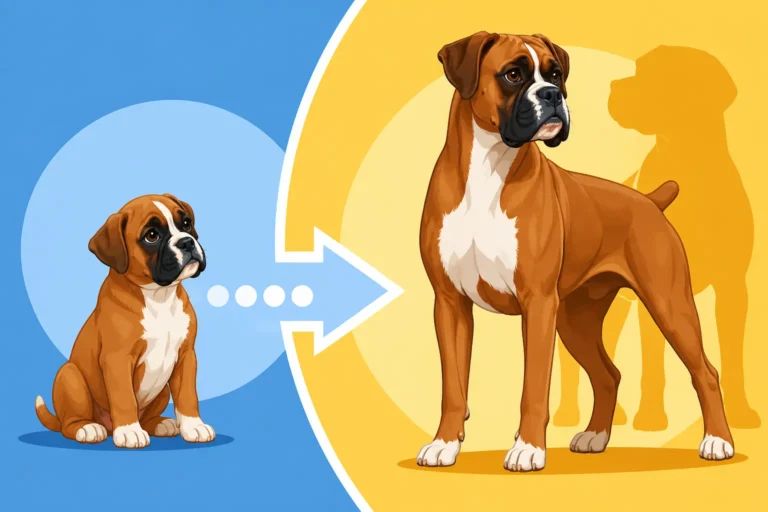
The primary concern with excessive or high-impact jumping in Boxer puppies revolves around their still-developing skeletal system. Puppies, particularly large and fast-growing breeds, have what are called "growth plates." These are soft areas of cartilage located near the ends of long bones in their legs, which are responsible for bone growth. Growth plates don't fully close and harden into solid bone until a dog reaches skeletal maturity, typically around 12 to 18 months for Boxers, sometimes even later.
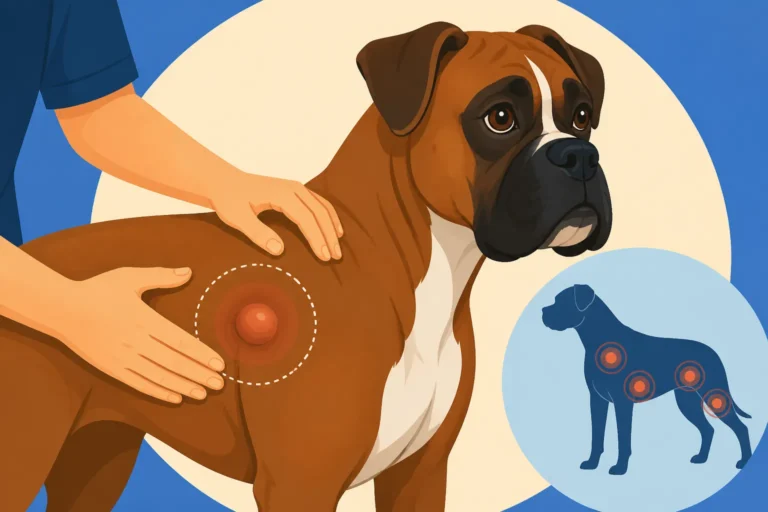
Before these growth plates close, they are incredibly vulnerable to injury. Repetitive jumping, especially from heights or onto hard surfaces, can cause microtraumas, stress, or even direct damage to these soft plates. An injury to a growth plate can disrupt the normal growth process, leading to pain, lameness, or even permanent deformities where one bone grows longer or shorter than it should, impacting joint alignment. Think of it like a young tree's tender shoots – too much stress can bend or break them before they've had a chance to fully mature and strengthen. Conditions like Boxer Hip Dysplasia and Spondylosis or elbow dysplasia, while often genetic, can certainly be exacerbated or worsened by excessive stress on immature joints. This is why managing Growth Limits on a Boxer Puppy's Joints is so vital during their formative months. We want them to develop a strong, healthy musculoskeletal foundation that will support their active lifestyle for years to come.
Risk of Falls and Injuries
Beyond the subtle, long-term impact on growth plates, there are immediate and very real dangers associated with Boxer puppies jumping. Their coordination isn't fully developed, and their enthusiasm often outpaces their physical grace. This makes them prone to falls, slips, and awkward landings that can result in acute injuries.
Consider a puppy leaping off a couch or bed, especially if it misjudges the distance or lands unevenly. A hard landing on a slippery floor, like tile or hardwood, can easily lead to sprains, strains, or even fractures in legs, paws, or spine. They might twist an ankle, wrench a knee, or land in a way that jars their spine. A young Boxer's bones, while growing, are not as dense and robust as an adult's. Imagine a child jumping repeatedly from a significant height – the impact is absorbed by joints and bones not yet designed for such stress.
Even playful jumps during greeting can go awry. A pup jumping up to greet a human might slip and fall backward, hitting their head or twisting their body. These acute injuries can be incredibly painful, require costly veterinary intervention (including X-rays, splints, or even surgery), and can set back their physical development and training. It's not just about protecting their future joints; it's about keeping them safe and sound in the present moment.
Safe Movement for a Developing Boxer: Guiding Their Energy
Guiding your Boxer puppy's natural energy is all about finding outlets that promote healthy development without putting undue stress on their growing body. It’s a balance between letting them be a joyful, active puppy and being mindful of their physical limitations.
Controlling High-Impact Activities
When your Boxer puppy is young and still growing, your primary goal should be to minimize activities that involve repetitive, high-impact forces. This means actively discouraging certain behaviors and managing their environment. Avoid letting your puppy jump on and off furniture like couches, beds, or chairs. The uneven landings and sudden jolts can be particularly harsh on their soft growth plates and developing joints. Similarly, don't encourage them to leap high into the air for toys you're holding up. Instead, keep toys low to the ground, encouraging chases and pounces rather than vertical leaps.
While zoomies in the yard are wonderful, try to ensure they're happening on soft surfaces like grass, rather than concrete or asphalt, which offer no shock absorption. Keep play sessions relatively short and frequent, rather than one long, exhausting burst. This prevents overexertion and reduces the cumulative impact on their joints. Think of structured play rather than chaotic free-for-alls. Short, controlled games of fetch where the ball stays low, gentle tug-of-war, or exploring new, safe environments are far better than intense, uncontrolled sprinting and jumping games. Remember, their enthusiasm might suggest they can do anything, but their bodies still need protection.
The Importance of Structured Exercise
Instead of high-impact jumping, focus on channeling your Boxer puppy's immense energy into structured, age-appropriate exercise. Regular, moderate activity is essential for developing strong muscles, healthy bones, and good coordination without undue stress. Daily walks on a leash are fantastic, allowing them to explore the world, use their nose, and get some steady cardio. Keep the pace comfortable for their shorter legs and avoid forced marches.
Gentle retrieve games are also excellent, again, keeping the throws low and close to you. This teaches impulse control and provides mental stimulation alongside physical activity. Puzzle feeders are another brilliant way to engage their intelligent minds and burn off mental energy, which can be just as tiring as physical exertion. Products available from retailers like Chewy or Amazon offer a wide variety of interactive toys and puzzle feeders that can keep a Boxer pup entertained and mentally stimulated without any jumping involved.
Short, frequent training sessions are also invaluable. Learning basic obedience cues like "sit," "stay," "down," and "come" not only builds a strong bond but also provides mental exercise. While agility is a fantastic sport for Boxers, it's something to introduce much later, once their growth plates have closed and their bodies are fully mature and conditioned. For now, focus on foundational skills and exploring the world at a safe, puppy-friendly pace. Even when the weather is too hot for outdoor antics, Indoor Exercise for a Boxer in a Heatwave can provide safe, low-impact ways to burn energy without resorting to high-flying stunts.
Creating a Safe Home Environment
Beyond supervised exercise, taking proactive steps to make your home environment safer for a Boxer puppy can significantly reduce the risk of injury from jumping or slipping. Start by making sure your floors aren't a hazard. If you have slick surfaces like tile, hardwood, or laminate, consider laying down non-slip rugs or runners, especially in high-traffic areas where your puppy tends to get excited. This provides better traction for their paws and reduces the chance of slips and falls, which are often a precursor to awkward landings after a jump.
Actively teaching your puppy the "off" command from an early age is critical. This helps them understand that jumping on people or furniture is not allowed. When they jump, calmly say "off" and guide them gently off the surface or person, then immediately reward them when all four paws are on the ground. Consistency is paramount. You might also want to teach a "place" command, giving them a specific spot to go to when excitement levels rise, such as when guests arrive. This provides an alternative, calm behavior to jumping.
Crate training can also be a valuable tool in managing a high-energy Boxer puppy, particularly for preventing unsupervised jumping on furniture. A well-loved crate gives them a safe, quiet space to decompress and can be used to manage their activity levels when you can't actively supervise. Why a Boxer Needs a Crate More Than Most goes into more detail about the benefits of crate training for this breed. By minimizing opportunities for risky jumps and providing safe alternatives, you're setting your Boxer up for a lifetime of healthy movement.
Training Your Boxer to Keep All Four Paws Down
Training a Boxer puppy to keep its paws on the ground requires patience, consistency, and a clear understanding of positive reinforcement. Boxers are smart, but they're also exuberant, so you need to be more engaging than whatever has them jumping.
Positive Reinforcement and Redirection
The most effective way to address jumping in a Boxer puppy is through positive reinforcement. This means rewarding the behavior you want to see, rather than punishing the behavior you don't. When your puppy approaches you or a guest with all four paws on the floor, immediately reward them with praise, a gentle pet, or a small, high-value treat. The timing is crucial – the reward must happen within a second or two of the desired behavior so they connect their actions with the positive outcome.
If your puppy jumps, resist the urge to push them down, yell, or even make eye contact. Instead, calmly turn your back, cross your arms, and completely ignore them. The moment they drop all four paws to the ground, turn back around and offer praise and a reward. This teaches them that jumping makes you "disappear" or become boring, while keeping paws down brings attention and rewards. It might feel counter-intuitive to ignore your adorable puppy, but it’s a powerful tool.
You can also use redirection. If your puppy is jumping out of excitement, immediately offer a toy or initiate a game that involves four-on-the-floor play. This channels their energy into an acceptable activity. For example, if they jump when you come home, pick up a favored toy and engage them in a gentle tug or fetch, keeping the play low to the ground. Using a clicker or a verbal marker word (like "yes!") right at the moment they have all four paws down, followed by a treat, can be incredibly effective. Marker Training a Boxer explains this technique in depth and why it works so well for intelligent dogs like Boxers. High-value treats, such as those from Ollie, can be incredibly motivating for a Boxer and can make these training sessions much more successful. You want them to want to keep their paws down.
Consistency is Key
This is where many owners struggle, but it's absolutely non-negotiable with a Boxer puppy. Every single person who interacts with your puppy must follow the same rules, every single time. If one family member allows jumping, even occasionally, it completely undermines all the hard work everyone else is doing. Your puppy will become confused and will continue to try jumping, hoping to find the "exception" where it's rewarded.
Before guests arrive, explain your training strategy and politely ask them to cooperate. Tell them to ignore the jumping, turn their back, and only give attention when the puppy has all four paws on the floor. This can be hard for guests who want to fuss over an excited puppy, but it's essential for your Boxer's progress. Think of it as teaching your Boxer a new language: if everyone speaks a different dialect, they'll never become fluent. This consistency applies to all situations – greetings, mealtimes, playtime, and even when you’re just walking through the house. The goal is for "four on the floor" to become your Boxer's default greeting and interaction posture, whether it's for you, a stranger, or a favorite aunt. This is precisely what Teaching a Boxer to Keep Four Feet Down is all about.
Managing Excitement and Greetings
Specific situations, especially greetings, are prime times for Boxer puppies to jump. Preparing for these moments will make a huge difference.
- Doorway Greetings: When someone comes to the door, have your puppy on a leash or behind a baby gate initially. Practice having them sit or lie down calmly before anyone enters. Reward heavily for calm behavior. If they jump when the door opens, immediately close the door (or block access) and try again. This teaches them that calm equals entry. You can find sturdy baby gates and long training leashes on platforms like Amazon, which can be invaluable tools for managing these situations.
- Teaching a "Sit" for Greetings: A wonderful foundation for preventing jumping is to teach your Boxer puppy to sit reliably for greetings. When someone approaches, ask for a "sit." As soon as their rear touches the ground, praise and reward. If they jump, the person should immediately turn away. Repeat until the sit becomes automatic upon approach. Teaching a Boxer to Sit Before the Door Opens is a detailed guide on how to implement this crucial training.
- Calm Departures and Arrivals: Your own energy impacts your puppy. When you leave or arrive home, try to keep your energy low-key. Avoid overly effusive greetings that amp up your puppy’s excitement. A calm "hello" and a brief, gentle pat are often more effective than a high-pitched exclamation and a flurry of petting in keeping excitement levels down. Over time, your Boxer will learn that calm behavior gets them the attention they crave, leading to a much more pleasant and safer experience for everyone involved.
| Activity Type | Safe for Boxer Puppies | Unsafe for Boxer Puppies |
|---|---|---|
| Play Environment | Soft grass, carpeted areas, designated play pens with soft mats | Hard concrete, slippery tile/hardwood, uneven rocky terrain |
| Jumping/Leaping | Small, controlled pounces on toys kept on the ground | Jumping on/off furniture, leaping high for toys, repeated vertical jumps |
| Exercise Intensity | Multiple short, gentle walks (10-15 mins), light fetch, sniffing games | Long, forced runs, intense agility training, prolonged high-speed chases |
| Interaction with Humans | Calm greetings with "four on the floor," gentle petting | Jumping up to greet, pawing, body slamming, encouraged roughhousing |
| Mental Stimulation | Puzzle feeders, chew toys (e.g., from Chewy or Amazon), basic obedience training | Endless fetch that pushes physical limits, unsupervised destructive chewing |
Disclaimer
This article is for general informational purposes only and does not constitute professional advice. Laws, prices and regulations vary by location and change over time. Consult a qualified professional for guidance on your specific situation.