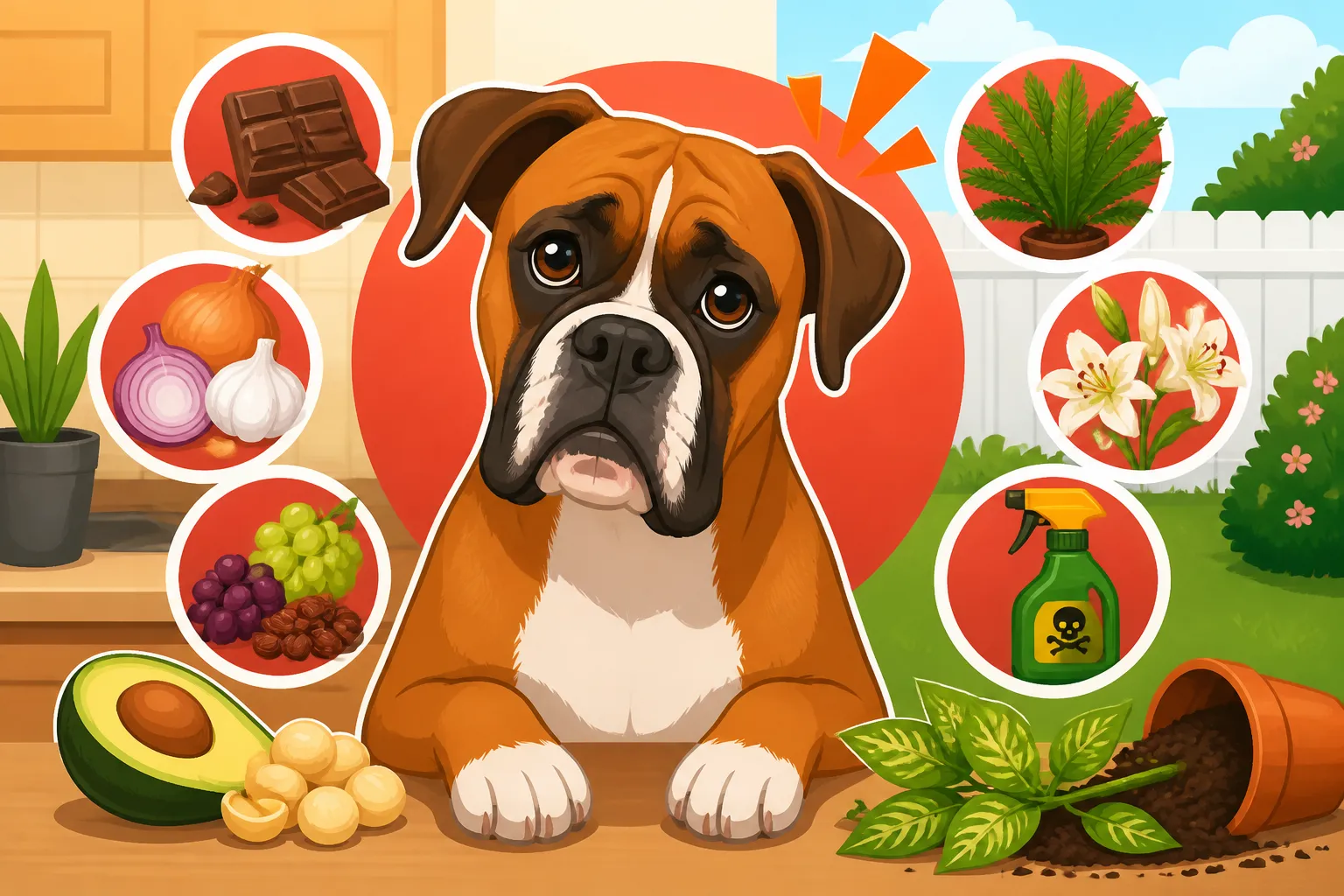
Kitchen and Yard Poisons a Boxer Will Eat
As a Boxer owner, there’s a special kind of dread that grips you when you see your curious, often indiscriminate, companion sniffing at something suspicious in the kitchen or digging up an unknown plant in the yard. Our Boxers are infamous for their puppy-like curiosity and powerful jaws, and that means they’re often far more likely than other breeds to try to “taste test” anything and everything. This guide is here to walk you through the most common household and garden items that pose a serious poisoning risk to your beloved Boxer, helping you recognize dangers and act quickly if the worst happens.
Common Kitchen Culprits for Curious Boxers
Our kitchens are often the heart of the home, full of tempting aromas and, unfortunately, many hidden dangers for a dog with a Boxer's adventurous palate. They don't just sniff; they investigate with their mouths, which means a spilled ingredient or a forgotten snack can quickly become a medical emergency.
Foods You Eat Every Day That Are Toxic
It’s truly disheartening to think that some of the foods we enjoy most can be incredibly dangerous for our furry family members. Boxers are notorious for counter-surfing or cleverly sneaking a bite when you’re not looking, so knowing these common culprits is crucial.
First up is chocolate. While most people know chocolate is bad, many don't realize just how toxic it is, especially darker varieties, baking chocolate, or cocoa powder. Theobromine is the culprit here, and Boxers, being robust dogs, might seem less affected by a small amount, but it can still lead to hyperactivity, tremors, vomiting, diarrhea, and even seizures or heart problems. Always keep chocolate well out of reach, not just on counters but in secure pantries.
Another major hidden danger is Xylitol, an artificial sweetener found in a surprising number of products these days, from sugar-free gum and mints to certain toothpastes and even some peanut butters. Xylitol causes a rapid release of insulin in dogs, leading to a dangerous drop in blood sugar (hypoglycemia) and potential liver failure. If your Boxer is a peanut butter fiend, always check the label to ensure it's Xylitol-free; many safe options are available from pet supply retailers like Chewy.
Grapes and raisins are also incredibly toxic, capable of causing kidney failure in some dogs, though the exact mechanism isn't fully understood. Even a small number can be problematic. Onions, garlic, chives, and leeks are part of the Allium family and can cause damage to red blood cells, leading to anemia. While a tiny bit might not be catastrophic, larger amounts or repeated exposure can build up to serious illness. Avocado contains a fungicidal toxin called persin, which is mostly concentrated in the pit and skin, so while the flesh might be less of an issue, it’s best to avoid giving it to your Boxer entirely, especially given their tendency to swallow pits whole. Lastly, macadamia nuts can cause weakness, tremors, vomiting, and hyperthermia. While not usually fatal, they'll make your Boxer very sick.
Pantry Staples and Hidden Dangers
Beyond the obvious snacks, your pantry holds items that, while seemingly innocuous to us, can pose significant risks if your Boxer gets into them. Their curious noses and powerful foraging skills mean even securely stored items can sometimes fall prey to a determined Boxer.
Yeast dough, like the kind you'd use for homemade bread or pizza, is a double threat. If ingested, the warm, moist environment of your Boxer's stomach acts as an incubator, causing the dough to rise and expand, which can lead to bloating, discomfort, and a potentially life-threatening emergency. As the yeast ferments, it also produces alcohol, leading to alcohol poisoning. Why a Boxer's Chest Shape Invites Bloat is a great article to understand the anatomy that makes them susceptible.
Speaking of alcohol, any alcoholic beverage, even small amounts found in sauces or fermented foods, can cause severe intoxication in dogs, leading to vomiting, disorientation, tremors, and respiratory depression. Similarly, coffee grounds, tea bags, and even energy drinks contain caffeine, which acts as a stimulant and can cause hyperactivity, elevated heart rate, tremors, and seizures. Keep all these items locked away, especially if your Boxer has a history of exploring kitchen counters or trash cans.
Other less obvious dangers include nutmeg, which in large quantities can cause hallucinations and neurological issues, and excessive salt. While dogs need some salt, a large intake from things like playdough, paintballs, or salty snacks can lead to sodium ion poisoning, causing extreme thirst, vomiting, lethargy, tremors, and even seizures. It's truly amazing what our Boxers can get into, and it's up to us to make sure these common items aren't within their reach.
Medications and Supplements
It's a common mistake, born of good intentions or simply oversight, to leave human medications accessible. But for a Boxer, whose robust size and exploratory nature mean they might chew through childproof containers, this can be catastrophic. Human medications are formulated for human metabolism, which is vastly different from a dog's, making dosages highly toxic.
Non-steroidal anti-inflammatory drugs (NSAIDs) like ibuprofen or naproxen can cause severe stomach ulcers and kidney failure. Antidepressants, heart medications, and even common cold and flu remedies containing acetaminophen can lead to liver damage, red blood cell destruction, and other life-threatening conditions. Even seemingly benign supplements like iron tablets can be toxic in large doses, causing gastrointestinal distress, liver damage, and heart issues. Always keep all prescription and over-the-counter human medications in securely locked cabinets or high shelves that your Boxer cannot access, no matter how clever they are.
Furthermore, even pet-specific medications or supplements can be dangerous if given in incorrect doses or if your Boxer manages to consume an entire bottle. For example, an overdose of palatable chewable joint supplements could cause stomach upset, or certain veterinary pain relievers could become toxic if too many are ingested. It's not just about what's bad for them, but also how much of anything they consume. Always consult your vet immediately if your Boxer has consumed any medication or supplement beyond their prescribed dose. Early intervention is key, and knowing the specific drug and dosage they ingested can save precious time.
Outdoor and Yard Hazards for Nosey Boxers
Our Boxers love the great outdoors, whether it's zooming around the yard, exploring new smells on a walk, or "helping" with garden chores. However, this natural curiosity can lead them straight into contact with a host of outdoor toxins, many of which are deceptively common and blend right into the environment.
Plants and Fungi You Might Not Suspect
Many beautiful and seemingly harmless plants that adorn our gardens and homes can be highly toxic to Boxers. Given their tendency to chew and mouth objects, plant material is often a target. One of the most dangerous is the sago palm, a popular ornamental plant. All parts of the sago palm are toxic, but the seeds (nuts) contain the highest concentration of cycasin, which can cause severe liver failure, vomiting, diarrhea, seizures, and even death.
Lilies, particularly true lilies (like Easter lilies, tiger lilies, Asiatic lilies, daylilies), are extremely toxic to cats, but some varieties can cause gastrointestinal upset in dogs. Azaleas and rhododendrons, common flowering shrubs, contain grayanotoxins that can lead to vomiting, diarrhea, drooling, weakness, and heart issues. Even spring-blooming bulbs like tulips and daffodils can cause significant stomach upset, severe vomiting, diarrhea, and in larger ingestions, heart rate and blood pressure changes. It's often the bulbs that are most toxic, making them a particular risk when Boxers are digging in the garden.
Wild mushrooms are another huge concern. While many are harmless, identifying toxic mushrooms from non-toxic ones is virtually impossible without expert knowledge. Some mushrooms can cause mild digestive upset, while others can lead to liver failure, kidney failure, neurological issues, or even death. If you have wild mushrooms growing in your yard, it’s best to remove them promptly or keep your Boxer away from the area. Always assume a wild mushroom is poisonous and seek immediate veterinary attention if you suspect ingestion.
Here's a quick overview of some common toxic plants:
| Plant Name | Toxic Part(s) | Potential Symptoms |
|---|---|---|
| Sago Palm | All parts, especially seeds | Vomiting, diarrhea, seizures, liver failure, death |
| Lilies (True) | All parts | Gastrointestinal upset, lethargy (more severe for cats) |
| Azalea/Rhododendron | All parts, especially leaves | Vomiting, diarrhea, drooling, weakness, heart problems |
| Tulip/Daffodil | Bulbs, flowers, leaves | Vomiting, diarrhea, drooling, tremors |
| Oleander | All parts | Vomiting, diarrhea, arrhythmia, death |
| Castor Bean | Seeds | Severe gastrointestinal upset, abdominal pain, dehydration, death |
| Autumn Crocus | All parts | Vomiting, diarrhea, organ damage, bone marrow suppression |
Lawn and Garden Chemicals
Our quest for a pristine lawn or a blemish-free garden can inadvertently create a minefield of toxins for our Boxers. These chemicals are often designed to be palatable to pests, which makes them dangerously appealing to curious dogs.
Fertilizers, especially those containing bone meal, blood meal, or fish meal, can be highly attractive to Boxers. While many are designed to be relatively low in toxicity, large ingestions can still cause severe gastrointestinal upset, leading to vomiting, diarrhea, and abdominal pain. Some fertilizers also contain iron, which can be toxic in large amounts. Pesticides, insecticides, and herbicides used to control weeds and bugs also pose a risk. Depending on the chemical, symptoms can range from mild stomach upset to neurological signs, tremors, or seizures.
Slug and snail baits are particularly insidious because they often come in pellet form and are highly attractive to dogs. Many contain metaldehyde, which can cause severe, rapid-onset neurological symptoms including tremors, seizures, hyperthermia, and respiratory failure. These are true emergencies. Rodenticides, used to kill rats and mice, are also a huge threat. Many common types contain anticoagulants, which prevent blood from clotting, leading to internal bleeding. It can take days for symptoms to appear, making early detection difficult, but signs like lethargy, pale gums, nosebleeds, or blood in stool are critical. Other types can cause brain swelling or kidney failure.
Antifreeze (ethylene glycol) is another extremely dangerous substance, notorious for its sweet taste that appeals to dogs. Even a small amount can cause acute kidney failure. Initially, symptoms might mimic drunkenness, but as the kidneys fail, the dog becomes lethargic, develops excessive thirst, and eventually collapses. It's essential to clean up any spills immediately and store these chemicals securely in sealed containers, far out of reach of even the most determined Boxer.
Garage and Workshop Worries
The garage or workshop often serves as a storage catch-all, brimming with tools, chemicals, and various projects. For a Boxer, these spaces are a treasure trove of new smells and textures, making them high-risk zones for accidental poisoning.
Paint, paint thinners, and solvents are common culprits. Ingesting paint can lead to gastrointestinal upset, while paint thinners and solvents, if inhaled or ingested, can cause respiratory distress, chemical burns to the mouth and esophagus, and central nervous system depression. Even items like wood stains and varnishes carry significant risks. Always ensure lids are tightly secured and products are stored on high shelves in locked cabinets.
Cleaning supplies are another major concern. Bleach, detergents, drain cleaners, and oven cleaners are highly corrosive and can cause severe chemical burns to your Boxer's mouth, esophagus, and stomach. Even milder cleaning products can cause significant irritation and gastrointestinal upset. Your Boxer might be tempted by the smell or by spilled residue on the floor. Batteries, particularly small button batteries, can cause severe chemical burns if chewed or swallowed, especially if the casing is compromised, leaking corrosive material.
Engine fluids such as oil, brake fluid, and, as mentioned before, antifreeze, are also toxic. While motor oil might cause severe gastrointestinal upset, brake fluid can be corrosive, and even small amounts of antifreeze are fatal. Old rags soaked with these substances can also pose a risk if chewed. Remember that Boxers are strong chewers; a flimsy cabinet door might not be enough to deter a persistent Boxer from reaching something intriguing. It's paramount to keep these dangerous items in inaccessible, locked storage. When doing home improvement projects, consider crate training your Boxer for their safety to keep them out of harm's way, perhaps with a durable chew toy from Amazon or Ollie that can withstand their powerful jaws.
What to Do If You Suspect Poisoning
The moment you suspect your Boxer has ingested something toxic, time is of the essence. Panic is a natural reaction, but swift, calm action is what will make the biggest difference for your dog. Do not delay, and do not try to "wait and see" if symptoms develop.
Immediate Actions and Emergency Contacts
Your very first step, without hesitation, is to call your veterinarian immediately. If it's after hours and your regular vet is closed, call the nearest emergency veterinary clinic. Keep these numbers stored in your phone and prominently displayed in your home. It’s also incredibly helpful to have the number for a pet poison control center readily available. These services are staffed by veterinary toxicologists who can provide expert guidance and often save crucial time by identifying the specific risks and necessary interventions.
When you call, be prepared to provide as much information as possible:
- What was ingested? If you know the exact product name, bring the packaging with you to the vet.
- How much was ingested? Give your best estimate (e.g., "half a bottle," "three grapes," "a few bites").
- When was it ingested? The more accurate the timeline, the better.
- What are your Boxer's current symptoms? Be specific about what you're seeing.
- Your Boxer's weight, age, and any existing medical conditions. This information is vital for calculating dosages and assessing risk.
A crucial point: Do NOT induce vomiting unless specifically instructed to do so by a veterinary professional. Some substances can cause more harm coming back up than going down (e.g., corrosives, petroleum products), and improper induction can lead to aspiration pneumonia. Your vet will guide you on the safest course of action. If you're told to come in, gather a sample of the substance if safe to do so, and be ready to head out the door. The costs associated with emergency care, especially for something like poisoning, can be substantial, as explored in The Yearly Bill for a Seventy-Pound Boxer and What a Boxer Cardiomyopathy Costs a Family.
Recognizing the Signs of Trouble
While some poisons act quickly, others can have a delayed effect, making it difficult to pinpoint the exact moment of ingestion. Knowing what signs to look for is critical for early detection and intervention, which drastically improves your Boxer's prognosis.
Common signs of poisoning can include:
- Gastrointestinal upset: Vomiting, diarrhea (which might contain blood), excessive drooling, loss of appetite, abdominal pain or tenderness.
- Neurological symptoms: Lethargy, weakness, disorientation, stumbling or incoordination, muscle tremors, seizures, hyperactivity, or changes in behavior (e.g., unusual aggression or excessive shyness).
- Cardiovascular issues: Elevated or reduced heart rate, irregular heartbeats, weakness, or collapse. A Boxer That Collapses After Exercise or Fainting Episodes in a Boxer could sometimes be symptoms of poisoning if it impacts the heart.
- Respiratory problems: Labored breathing, coughing, or sneezing.
- Other general signs: Excessive thirst or urination, pale gums, yellowing of the skin or eyes (jaundice), swelling of the face or limbs, or changes in body temperature.
It’s important to remember that symptoms can vary widely depending on the type of toxin, the amount ingested, and your Boxer’s individual sensitivity. Sometimes, the first sign might be something subtle, like your Boxer just "not acting right." If you notice any unusual changes in your Boxer's behavior, appetite, or physical condition after a potential exposure, it's always best to err on the side of caution and contact your vet. Describing exactly what you observe, even if it seems minor, can provide valuable clues for diagnosis.
Prevention: The Best Defense for Your Boxer
As every Boxer owner knows, an ounce of prevention is worth a pound of cure, especially when it comes to their health. Their boundless energy and penchant for exploring with their mouths means a proactive approach to safety is essential.
Boxer-Proofing Your Home and Yard
Creating a safe environment for your Boxer involves a diligent, ongoing effort to remove or secure potential hazards. Start in the kitchen: secure all cabinets, especially those under the sink or within reach of a determined Boxer, perhaps with childproof latches. Make sure all food items, particularly those known to be toxic, are stored on high shelves or in airtight containers that your Boxer cannot open. The trash can is often a prime target; invest in a heavy, Boxer-proof can with a securely locking lid. Immediately clean up any food spills and never leave food unattended on counters or low tables.
In the yard, regular patrols are crucial. Identify and remove any toxic plants or fungi. If you use lawn and garden chemicals, choose pet-safe alternatives whenever possible. If not, apply them carefully according to instructions, and keep your Boxer off the treated area for the recommended time. Store all gardening chemicals, fertilizers, pesticides, and automotive fluids in locked sheds or garages, out of your Boxer's reach. Clean up any spills immediately and thoroughly. For some Boxers, this might mean securing the garage entirely, as they are capable of pushing open doors or finding ways into spaces we thought were impenetrable. Fencing a Yard for an Athletic Boxer can provide some ideas for securing your outdoor space.
Remember that Boxers love to chew. Providing appropriate, durable chew toys can redirect their natural instincts away from dangerous objects. Brands like Kong, Nylabone, or Ruffwear (available at places like Chewy or Amazon) offer options that can withstand a Boxer’s powerful jaws and keep them entertained, reducing the likelihood they’ll seek out forbidden items. Always supervise your Boxer, especially in new or unfamiliar environments, and teach them a strong "leave it" command.
Training and Management
While Boxer-proofing your environment is critical, effective training and consistent management are equally important to ensure your dog's safety. Boxers are intelligent, but they can also be stubborn and easily distracted, making a strong foundation in obedience vital.
A rock-solid "Leave It" command is arguably the most important tool in your arsenal. Teach your Boxer from puppyhood to disengage from and ignore anything you tell them to leave, whether it's a dropped treat or a suspicious item on the ground. This command can be a literal lifesaver. Consistent practice, both indoors and outdoors, is key. Our article on Training a Boxer That Gets Bored Fast offers strategies for keeping their attention.
Leash supervision is non-negotiable, especially in areas where you can't guarantee a poison-free environment. On walks, keep your Boxer on a secure leash and harness, preventing them from sniffing and potentially ingesting anything questionable. Avoid letting them eat grass in unfamiliar areas or drink from puddles, which could contain antifreeze or other contaminants.
Crate training is another excellent management tool. A crate provides a safe, secure space for your Boxer when you can't actively supervise them, such as when you're cooking, cleaning, or out of the house. This prevents them from accessing dangerous areas or items. Consider a sturdy crate that a Boxer cannot easily destroy, as discussed in Choosing a Crate a Boxer Cannot Wreck. Consistent routine and positive reinforcement will help your Boxer see their crate as a den, not a punishment. Early socialization and training also help your Boxer learn what is appropriate to chew and what isn't, potentially preventing destructive behaviors that lead to accidental ingestion of toxins.
Disclaimer
This article is for general informational purposes only and does not constitute professional advice. Laws, prices and regulations vary by location and change over time. Consult a qualified professional for guidance on your specific situation.