Boxer Skin Folds and Where They Rub
As a Boxer owner, you quickly learn that those adorable, wrinkly faces and powerful, muscular bodies come with a few quirks – and one of the most common, and sometimes frustrating, is dealing with their skin folds. These charming creases, especially around their muzzle, neck, and other hidden spots, can unfortunately become hotbeds for irritation, unpleasant odors, and even infections if not properly cared for. This guide is here to walk you through understanding these unique areas, preventing common problems, and establishing a practical care routine to keep your Boxer comfortable and healthy.
Understanding Your Boxer's Unique Folds
Boxers are undeniably handsome dogs, and a big part of their appeal lies in their distinctive appearance, including those wonderful wrinkles and folds. But these aren't just for show; they're a characteristic of the breed's brachycephalic (flat-faced) heritage and muscular build. Understanding where these folds are most prominent and why they exist is the first step toward effective care.
The Face: Muzzle and Jowls
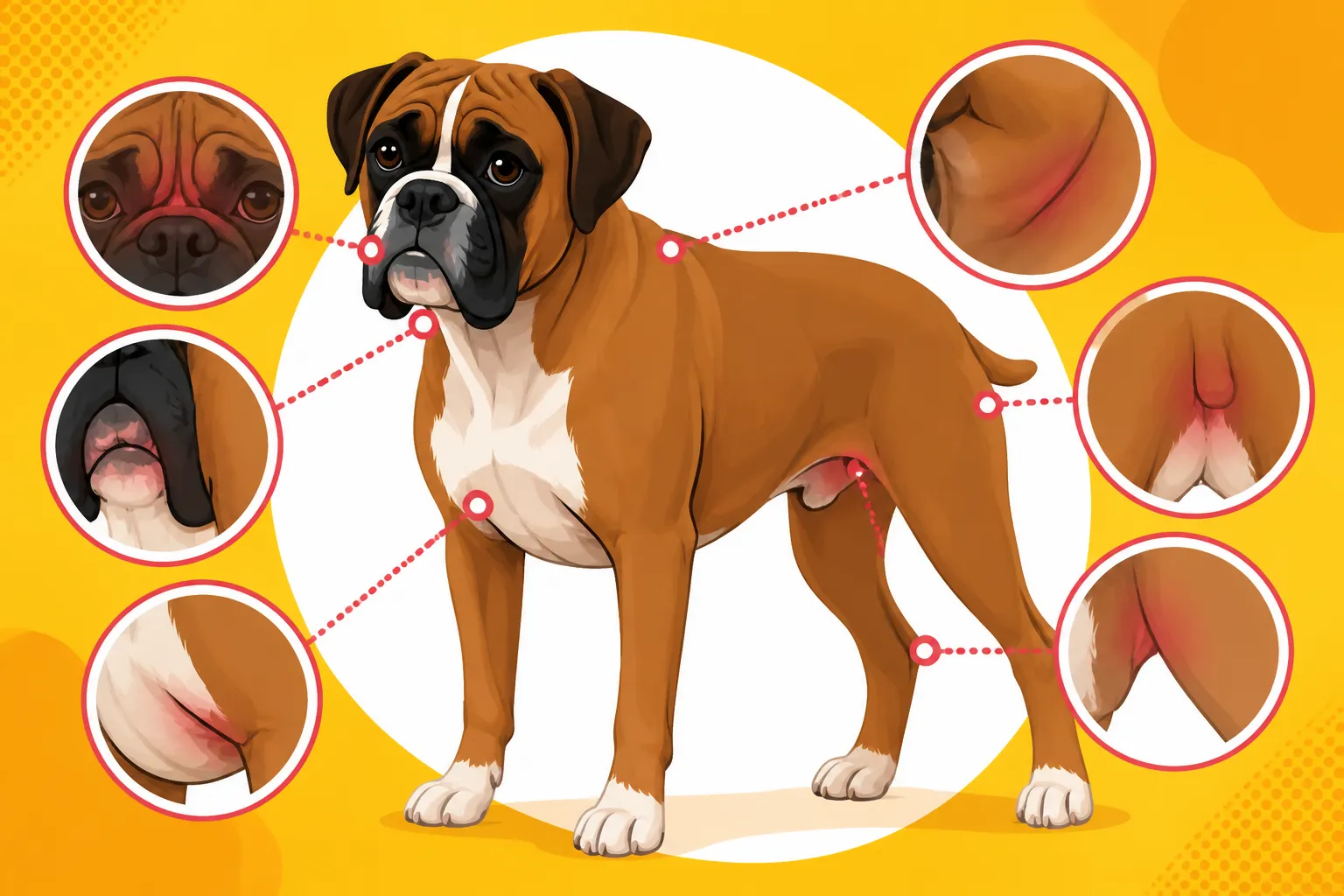
Perhaps the most iconic folds on a Boxer are those around their face. Their pushed-in muzzle means skin naturally gathers, creating creases above their nose and along their jawline. Then there are the jowls – those loose, fleshy lips that give them that endearing, slightly mournful expression when they're not wiggling with excitement. These facial folds are ground zero for collecting all sorts of things throughout the day.
Think about it: every time your Boxer takes a drink, eats a meal, or even just drools (which, let's be honest, is a frequent occurrence with this breed), moisture, food particles, and saliva can get trapped deep within these creases. This creates a perpetually damp, warm environment that, while perfectly natural for their anatomy, isn't always ideal for skin health. It's why you often see Boxers with slightly damp or sticky chins, and why that "Boxer smell" can sometimes seem to emanate from their face. Keeping these areas clean and dry is crucial.
Neck and Chest Wrinkles
Beyond the face, many Boxers also sport impressive wrinkles around their neck and across their chest. These folds are often more pronounced in younger, growing Boxers, or those with a heavier build. While not as prone to food and saliva accumulation as the facial folds, they are certainly susceptible to friction and moisture.
A collar or harness can rub against these neck and chest wrinkles, especially during walks or active play. If your Boxer is particularly athletic and loves to run or pull on the leash, that constant movement can cause the skin in these folds to rub together, leading to irritation. Furthermore, if your Boxer gets wet from rain, a bath, or a swim, these deeper folds can hold moisture against the skin for longer than you might think, again setting the stage for potential issues. It's easy to overlook these areas because they're not directly involved in eating, but they deserve just as much attention.
Armpits and Groin: Hidden Hotspots
These are the truly sneaky areas, the "hidden hotspots" that often get forgotten until a problem arises. Your Boxer's armpits (or axilla) and groin are naturally warm, humid environments, even without visible skin folds. However, many Boxers, especially those with more substantial builds, will have rolls of skin in these areas.
Because these regions are constantly in motion when your Boxer walks, runs, or plays, they are prime candidates for skin-on-skin friction. Sweat and natural skin oils accumulate here, creating a warm, dark, and often moist environment that's perfect for bacterial or yeast growth. It's not uncommon for owners to discover redness, stickiness, or an odor in these areas only after it's become a significant problem. A regular, thorough check of these zones is just as important as checking the more obvious facial folds.
Common Problems Arising from Boxer Skin Folds
While those endearing wrinkles are part of what makes Boxers so lovable, they also create specific challenges that owners need to be aware of. Neglecting these areas can quickly lead to discomfort, pain, and even more serious health issues for your dog. It’s not about being a bad owner; it’s simply about understanding the unique needs of the breed.
Dermatitis and Yeast Infections
The most common and arguably most frustrating issue stemming from Boxer skin folds is the development of dermatitis, often exacerbated by yeast (Malassezia) or bacterial infections. Imagine a warm, damp cave – that’s essentially what a neglected skin fold becomes for these microorganisms. They thrive in such conditions, rapidly multiplying and causing a host of unpleasant symptoms.
You might notice redness and inflammation deep within the fold, often accompanied by intense itching that drives your Boxer to scratch or rub the area incessantly. The skin can become greasy, sticky, and even develop a brownish-red discharge. A tell-tale sign is a distinct, musty or sweet odor, often described as smelling like corn chips or old socks. This happens because the yeast produces specific volatile organic compounds. If left unchecked, the infection can spread, the skin can thicken and become leathery, and your Boxer will be in considerable pain. Early intervention is key here, before a minor irritation escalates into a full-blown infection requiring veterinary treatment. You can find more information on general skin issues in Boxers, which sometimes relate to folds, by looking into The Weekly Skin Check Every Boxer Needs.
Chafing and Irritation
Beyond microbial invaders, simple friction can be a major source of misery for your Boxer. Just like how human skin can chafe when it rubs against itself or clothing repeatedly, your Boxer's skin folds can become irritated and raw. This is especially true in areas like the neck (where a collar might rub), the chest, armpits, and groin, where skin rubs against skin with every movement.
Think of a long walk or a vigorous play session. The constant motion causes the delicate skin within the folds to rub, leading to redness, tenderness, and sometimes even open sores. These chafed areas are not only painful but also create an easy entry point for bacteria, leading to secondary infections. If your Boxer is constantly licking, chewing, or scratching at a particular fold that isn't showing signs of obvious infection, it could very well be simple chafing that's causing them discomfort. It's a silent source of pain that can be easily overlooked.
Odor and Debris Accumulation
Let's be real: Boxers are not always the cleanest eaters, and their jowls and facial folds often bear the brunt of it. Food particles, kibble dust, and remnants of their slobbery toys can easily get lodged deep within these crevices. Coupled with saliva and natural skin oils, this creates a sticky mess that is ripe for producing an unpleasant odor.
This isn't just a cosmetic issue. The accumulation of debris provides a nutrient source for bacteria and yeast, further fueling any potential infections. And while you might think it's just a "dog smell," a strong, persistent, or unusual odor emanating from specific folds is often a red flag that something more serious is brewing. It's a sign that moisture and organic matter are being trapped, leading to bacterial breakdown and fermentation. This is also why many Boxer owners report needing to constantly wipe down their dog's face, sometimes even needing to clean Cleaning Boxer Slobber Off Walls. It’s a reality of living with a Boxer, but manageable with consistent care.
Daily Care Routines for Healthy Boxer Folds
Consistent, gentle care is your best defense against the common problems associated with Boxer skin folds. It doesn't have to be a major chore, but integrating these practices into your daily or weekly routine will make a huge difference in your Boxer's comfort and health. Remember, prevention is always easier (and cheaper!) than treating an established infection.
Gentle Cleaning Techniques
The cornerstone of fold care is regular, gentle cleaning. For facial folds, especially around the muzzle and jowls, aiming for a quick wipe-down after every meal and drink is ideal. If that feels like too much, at least once a day is crucial.
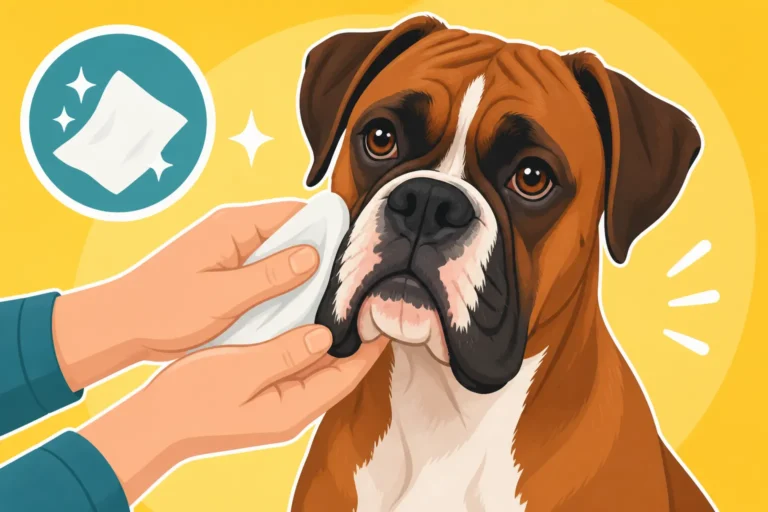
Start by gently pulling back the skin to expose the deepest parts of the fold. Use a soft, damp cloth or a pet-safe, unscented cleansing wipe. Many owners find that specific pre-moistened pet wipes are incredibly convenient for this. You can find a good selection on platforms like Amazon or Chewy, specifically looking for ones that are hypoallergenic and free of harsh chemicals or alcohol. Gently wipe away any food debris, saliva, or reddish-brown discharge. Pay close attention to areas like Sore Skin Under a Boxer's Lip Fold or even the developing concern of Cleaning a Boxer's Chin Acne. After cleaning, and this is perhaps the most critical step, always follow up with a dry cloth or cotton pad to thoroughly dry the area. Moisture left behind can do more harm than good. For neck, chest, armpit, and groin folds, a thorough wipe every few days, or after heavy exercise or getting wet, will suffice.
Keeping Folds Dry and Aerated
Moisture is the enemy when it comes to healthy skin folds. After cleaning, or if your Boxer has been drinking heavily, drooling, or getting wet, it's paramount to ensure those folds are completely dry. Beyond physical drying with a cloth, consider how to improve air circulation.
For instance, if your Boxer tends to sleep curled up in a way that traps moisture in their neck or chest folds, try to gently adjust their position or encourage them to stretch out periodically. In humid climates, ensuring your home is well-ventilated can help. Some owners even use a cool setting on a hairdryer, held at a safe distance, to gently dry deeper folds, but always be extremely cautious not to overheat or scare your dog. The goal is to create an environment where yeast and bacteria don't have the damp conditions they need to proliferate. This ties into the general concept of Drying a Boxer's Folds After a Bath, but applied more frequently to specific problem areas.
Regular Inspection for Early Detection
Making a habit of regularly inspecting your Boxer's folds is invaluable. This isn't just about cleaning; it's about actively looking for any changes that could indicate a problem brewing. Aim for a quick check daily when you're interacting with your dog, and a more thorough, hands-on inspection a couple of times a week.
Gently part the folds and really look. Are there any new areas of redness? Is the skin tacky or sticky? Is there an unusual odor? Does your Boxer flinch or show signs of discomfort when you touch a particular spot? These are all early warning signs. By catching issues early, you can often address them with simple cleaning and drying before they escalate into a full-blown infection that requires a vet visit. This proactive approach is similar to how we encourage Weekly Lump Checks on a Boxer – consistent vigilance is key to managing a Boxer's health. Make it a positive experience with praise and treats, so your Boxer associates fold checks with good things, making it easier for both of you.
Products and Tools to Aid Fold Management
Taking care of your Boxer's folds doesn't mean you need a medicine cabinet full of specialized products, but having a few key items on hand can make the routine much easier and more effective. Just remember to always choose products specifically formulated for dogs and, when in doubt, consult your veterinarian.
Specialized Wipes and Cleansers
For daily maintenance, pet-specific wipes are a game-changer. They're quick, convenient, and pre-saturated with gentle cleaning agents. Look for wipes that are:
- Antiseptic/Antifungal: Some wipes contain ingredients like chlorhexidine or miconazole, which can help control yeast and bacteria, especially if your Boxer is prone to mild issues.
- Hypoallergenic: For Boxers with sensitive skin, opt for wipes free from fragrances, dyes, and harsh chemicals. Brands available on Chewy or Amazon often list these features prominently.
- Moisturizing: Wipes with aloe vera or vitamin E can be soothing, but always ensure they don't leave excessive residue that could trap moisture.
Beyond wipes, a mild, dog-specific cleanser (often a foaming solution or a liquid applied with a cotton ball) can be useful for more thorough cleaning, particularly if you notice any stickiness or a faint odor developing. Always ensure you follow up with thorough drying, regardless of the cleanser type. Remember, a good shampoo for general bathing, as described in Shampoo for a Boxer With Sensitive Skin, can also sometimes be diluted for fold cleaning if it's gentle enough, but wipes are usually more convenient for daily spot treatment.
Protective Balms and Powders
These products serve different purposes and should be used judiciously.
- Balms/Ointments: If your Boxer has a spot of minor chafing or redness that isn't infected, a thin layer of a soothing, zinc-free pet balm can provide a protective barrier and aid healing. Look for balms with natural ingredients like shea butter or calendula. However, use sparingly, as too much moisture from a thick balm can contribute to the very problems you're trying to prevent in deep, moist folds. They are best for external, slightly irritated areas.
- Powders: Medicated or non-medicated powders (cornstarch-based, for example, but never talc-based due to inhalation risks) can be excellent for keeping folds dry, particularly in humid climates or after cleaning. A very light dusting after thorough drying can absorb residual moisture. The key word here is "light" – too much powder can cake, trap moisture, and become an irritant itself. Always apply a small amount to your hand first, then gently dab it into the fold, rather than shaking it directly onto your Boxer.
Optimal Bowls and Feeding Habits
Believe it or not, your Boxer's eating setup can play a role in managing facial fold hygiene. Because their jowls collect food and water, anything that minimizes mess can help.
- Narrow, Deep Bowls: Some owners find that a narrower, deeper bowl design forces their Boxer to put more of their muzzle into the bowl, rather than spilling food and water over the sides and directly onto their chin and jowls. This can reduce the amount of debris caught in the folds.
- Slow Feeder Bowls: If your Boxer inhales their food, a slow feeder bowl can help. This not only aids digestion and reduces the risk of bloat (a major concern for Boxers, as discussed in Why a Boxer's Chest Shape Invites Bloat) but also minimizes the frenetic eating that often leads to more mess around the face.
- Elevated Bowls: While controversial regarding bloat risk (some studies suggest they increase it, others find no correlation), some Boxers simply eat more neatly from an elevated bowl, as they don't have to bend as far down. Observe your Boxer's eating style and choose what minimizes facial contact with food and water. This is also covered in discussions around Bowl Height and Bloat in a Boxer. Regardless of the bowl type, the golden rule remains: a quick wipe of the face after every meal and drink.
| Product Type | Primary Use | Pros | Cons | When to Use |
|---|---|---|---|---|
| Pet Wipes | Quick cleaning, daily refresh | Convenient, portable, pre-measured | Can dry out if lid isn't sealed, not for deep infections | Daily after meals, minor grime, travel |
| Liquid Cleanser | Deeper cleaning, mild odor | More thorough, can target specific areas | Requires cotton pads/cloth, more time-consuming | When folds are noticeably sticky, prior to balm/powder |
| Protective Balm | Chafing, minor irritation | Soothes, creates barrier | Can trap moisture if overused/not dried thoroughly | On dry, irritated skin (not open wounds), after cleaning |
| Absorbing Powder | Keep folds dry, prevent chafing | Absorbs moisture, reduces friction | Can cake if overused, inhalation risk (use cornstarch only) | After thorough drying, in humid conditions, for sweat-prone areas |
When to Seek Veterinary Advice
While daily care routines and over-the-counter products are effective for preventing and managing minor issues, there will be times when a Boxer's skin folds require professional attention. Knowing when to call the vet is crucial to prevent discomfort from escalating into serious health problems.
Recognizing Signs of Infection
You've been diligently cleaning, but something just isn't right. If you observe any of the following signs, it's time to get your Boxer to the veterinarian:
- Intense Redness and Swelling: Beyond a slight pinkness, if the skin in the folds is deep red, hot to the touch, or swollen, it likely indicates a significant inflammatory or infectious process.
- Pain or Tenderness: If your Boxer cries out, flinches, or tries to bite when you attempt to clean or even touch the affected fold, they are in pain, and a veterinary examination is necessary.
- Pus or Excessive Discharge: Any yellowish, green, or thick, odorous discharge is a clear sign of a bacterial infection that requires antibiotics. Even a persistent brownish-red, greasy discharge, especially with a strong, yeasty smell, warrants a vet visit.
- Unusual Odor: While Boxers can have a "Boxer smell," a foul, pungent, or distinctively cheesy/yeasty odor coming from the folds that doesn't resolve with cleaning is a strong indicator of infection.
- Lesions or Sores: Open sores, scabs that won't heal, or areas where hair loss is significant point to a more advanced problem.
Ignoring these symptoms will only lead to more suffering for your Boxer and potentially a more difficult and expensive treatment course. Boxers are prone to skin sensitivities, which can be seen in issues like Boxer Vaccination and Sensitivity Reports, so vigilance is always a good idea.
Addressing Persistent Chafing or Sores
You might be doing everything right – cleaning, drying, applying balms – but the chafing or irritation in a particular fold just won't go away, or it keeps returning with a vengeance. This persistence is a sign that there might be an underlying issue that needs professional diagnosis.
Sometimes, what looks like simple chafing can be complicated by allergies (environmental or food-related), or even a deeper anatomical issue. Your vet can assess the area, potentially take skin scrapings or cultures to identify specific pathogens, and determine if an allergy test or a change in diet (like the specialized diets mentioned in Feeding a Boxer With Colitis for gut health, which can sometimes impact skin) might be beneficial. They can also rule out other skin conditions that might mimic chafing. Don't let your Boxer suffer through chronic irritation; a vet can offer solutions that go beyond topical home care.
The Role of Medicated Shampoos and Treatments
If your Boxer is diagnosed with a bacterial or yeast infection in their skin folds, your veterinarian will likely prescribe specific medicated treatments. These are far more potent than over-the-counter options and are tailored to target the specific type of infection present.
- Medicated Shampoos: Often containing chlorhexidine, miconazole, or both, these shampoos are designed to kill bacteria and yeast on the skin. Your vet will instruct you on how frequently to bathe your Boxer and how long to leave the shampoo on for maximum effect. For localized fold infections, sometimes a small amount of the shampoo can be used as a targeted wash.
- Topical Ointments/Creams: Prescription-strength creams or ointments, which may contain antibiotics, antifungals, or even low-dose steroids, are often applied directly into the cleaned folds to reduce inflammation and kill the infection.
- Oral Medications: For more severe or widespread infections, your vet may prescribe oral antibiotics or antifungals. In cases of intense itching and inflammation, a short course of oral steroids might be given to bring quick relief, though these are typically used cautiously due to potential side effects.
It's crucial to follow your vet's instructions precisely and complete the full course of medication, even if the symptoms appear to clear up quickly. Stopping treatment prematurely can lead to a relapse of the infection. Remember, your vet is your best partner in keeping your Boxer's unique skin healthy and happy.
Disclaimer
This article is for general informational purposes only and does not constitute professional advice. Laws, prices and regulations vary by location and change over time. Consult a qualified professional for guidance on your specific situation.