Sore Skin Under a Boxer’s Lip Fold
If you’re a Boxer owner, you know that our wrinkly, jowly friends come with their own unique set of quirks and challenges. One common, and often frustrating, issue many of us encounter is that persistent irritation and redness under their prominent lip folds. It's a problem that can quickly go from a minor nuisance to a deeply uncomfortable, smelly infection for our beloved dogs, and this guide is here to walk you through understanding, preventing, and treating sore skin in your Boxer's lip folds.
Why Your Boxer's Lip Folds Get Sore
Let's face it, Boxers are droolers. It's part of their charm, right? But that characteristic loose skin around their mouth, combined with their propensity to slobber, creates a perfect storm for skin irritation. It’s a very common condition known as lip fold dermatitis, and it’s essentially an ongoing battle against moisture and bacteria thriving in a warm, dark environment.
The anatomy of a Boxer's muzzle, with its relatively short snout and deep, often overlapping lip folds, means that moisture, food particles, and saliva can easily get trapped. These folds don't get much airflow, and when moisture builds up and stays there, it breaks down the skin's natural barrier. Think of it like a persistent damp patch on a wall – eventually, it starts to get moldy and falls apart. For our Boxers, that "mold" is usually a bacterial or yeast infection. The constant dampness macerates the skin, making it fragile and susceptible to inflammation and infection. It's not just drool, either; after drinking water, eating a messy meal, or even just playing with a toy, tiny bits of liquid and food can linger, creating a prime breeding ground.
Recognizing the Signs of Lip Fold Dermatitis
It's one thing to suspect your Boxer has sore lip folds, but quite another to know for sure what you're looking at, especially if you're new to the breed. The signs can range from subtle to severe, and catching them early makes a world of difference.
The very first thing you might notice is a distinct, often unpleasant, odor. It’s not just "dog breath"; it’s a sour, yeasty, or even rotten smell emanating from the affected area. This is usually the bacteria and yeast having a party in the damp skin folds. When you lift their jowls, you'll likely see redness and inflammation, often accompanied by hair loss in the affected area. The skin might appear moist, raw, or even ulcerated in more severe cases. Sometimes, you might even see a brownish-red discharge staining the fur around their mouth.
Your Boxer might also give you behavioral cues. They might paw at their face more often, rub their muzzle on furniture or the carpet, or become sensitive when you try to touch their mouth area. Eating can sometimes become uncomfortable if the irritation is significant, though this is less common unless the problem is advanced. It’s important to distinguish this from other common Boxer lumps and bumps. While a Weekly Lump Checks on a Boxer is essential, lip fold dermatitis presents as a widespread skin irritation rather than a distinct growth.
Here's a quick reference table for common signs:
| Symptom | Description | Severity |
|---|---|---|
| Unpleasant Odor | Sour, yeasty, or foul smell from the lip folds. | Mild to Severe |
| Redness/Inflammation | Skin appears visibly red and irritated within the folds. | Mild to Moderate |
| Moisture/Discharge | Constant dampness, possibly brownish-red staining or gooey discharge. | Moderate to Severe |
| Hair Loss | Fur thinning or completely gone in the affected area. | Moderate to Severe |
| Itching/Rubbing | Dog paws at face, rubs muzzle on surfaces. | Mild to Moderate |
| Pain/Sensitivity | Dog flinches or vocalizes when the area is touched. | Moderate to Severe |
| Ulceration | Open sores or raw patches of skin within the folds. | Severe |
At-Home Care and Prevention Strategies
The good news is that many cases of mild lip fold dermatitis can be managed effectively at home, and prevention is absolutely key. Consistency is your best friend here.
Daily Cleaning and Drying
This is the cornerstone of prevention. You need to keep those lip folds clean and, more importantly, dry. After every meal and after your Boxer drinks water, take a moment to gently lift their jowls and wipe inside the folds. Use a soft cloth dampened with warm water, or for an extra boost, consider using medicated wipes specifically designed for skin folds. Brands like Malaseb or Duoxo S3 PYO wipes are often recommended by vets and readily available on platforms like Chewy or Amazon. These wipes contain antiseptic properties that help keep bacteria and yeast at bay.
After cleaning, always follow up with thorough drying. A soft, clean cloth or even a cotton ball can work wonders. Make sure the area is completely dry, as residual moisture will only perpetuate the problem. Some owners even use a tiny pinch of cornstarch (unscented) or a medicated drying powder, but always consult your vet before applying any powders, as some can clump and cause further irritation. This simple routine of Wiping a Boxer's Jowls and Muzzle Folds can prevent a lot of heartache.
Diet and Hydration Considerations
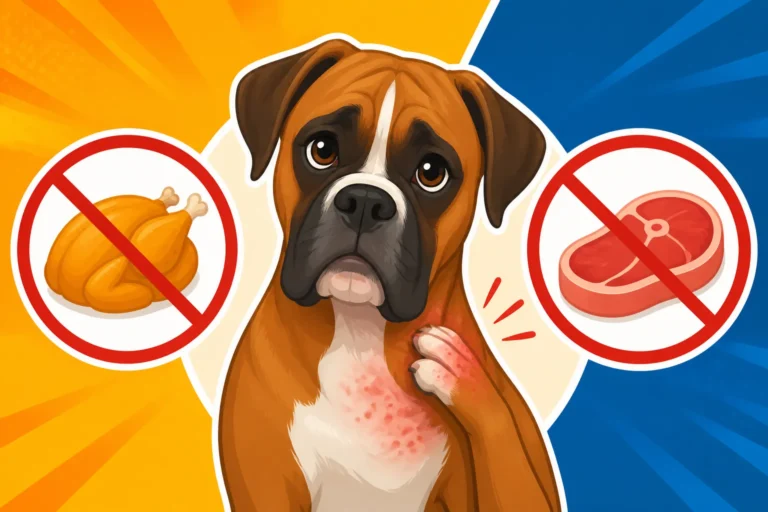
Believe it or not, diet can play a role, especially if your Boxer has sensitivities. Food allergies or intolerances can sometimes manifest as skin issues, including exacerbating lip fold dermatitis. If you notice persistent skin problems despite diligent cleaning, it might be worth discussing a novel protein diet or a limited ingredient diet with your vet. Companies like Ollie offer fresh, customized meal plans that some owners find helpful for managing sensitivities, although any diet change should be gradual and under veterinary guidance.
Ensuring proper hydration is also important for overall skin health. While it won't directly prevent moisture in the folds, healthy skin is more resilient. Consider using a raised feeder to minimize how much water splashes back into their jowls when they drink, or a "slow feed" water bowl that limits how much water they can gulp at once, reducing mess.
Protective Barriers and Supplements
For Boxers prone to constant dampness, a thin layer of a veterinary-approved barrier cream can sometimes help. These creams create a protective layer on the skin, shielding it from moisture and irritants. Again, always check with your vet before applying any topical products, as some can worsen the problem or be toxic if ingested.
Supplements, particularly omega-3 fatty acids like fish oil, can support overall skin and coat health, making the skin barrier stronger from the inside out. Fish Oil for a Boxer's Skin and Heart is a common recommendation, as these fatty acids have anti-inflammatory properties that can be beneficial for skin conditions. You can find many high-quality fish oil supplements for dogs on Amazon or at your local pet supply store.
When to Seek Veterinary Help
While at-home care is incredibly effective for prevention and mild cases, there are definitely times when you need to bring in the professionals. Ignoring signs of infection can lead to deeper, more painful skin issues and potentially systemic health problems for your Boxer.
Signs That Warrant a Vet Visit
If you've been diligently cleaning and drying but the problem isn't improving, or if it seems to be worsening, it's time to call your vet. Specific red flags include:
- Intensified Redness or Swelling: If the area becomes extremely red, hot to the touch, or noticeably swollen.
- Pus or Bleeding: Any discharge that looks like pus, or if the skin is bleeding.
- Deep Ulcerations: Open, raw sores that look painful.
- Increased Pain: Your Boxer is in obvious discomfort, crying out when the area is touched, or reluctant to eat.
- Fever or Lethargy: These could be signs of a more severe, systemic infection.
Your vet will be able to properly diagnose the type of infection (bacterial, yeast, or both) and prescribe the appropriate medication. It's crucial not to try and self-diagnose or use human medications, as they can be harmful to dogs.
Veterinary Treatment Options
When you visit the vet, they will likely perform a thorough examination of the area. They might take a skin cytology, which involves gently pressing a slide onto the affected skin or swabbing it to collect cells for microscopic examination. This helps them identify the specific type of bacteria or yeast present and guide their treatment plan.
Common treatments include:
- Topical Medications: These are often medicated shampoos, wipes, or ointments containing antibiotics, antifungals, or anti-inflammatory agents. They are applied directly to the affected area.
- Oral Medications: For more severe or persistent infections, your vet might prescribe oral antibiotics or antifungals. They may also prescribe anti-inflammatory medications to reduce swelling and pain.
- Antihistamines: If allergies are suspected to be contributing to the skin irritation, antihistamines might be prescribed to reduce itching.
- Surgical Intervention (Cheiloplasty): In very severe, chronic cases where the lip folds are extremely deep, constantly infected, and unresponsive to medical management, your vet might discuss a surgical procedure called a cheiloplasty. This involves surgically removing the excess skin folds to eliminate the moist, dark environment where infections thrive. It's a last resort but can offer significant relief for Boxers suffering from intractable lip fold dermatitis. While it sounds drastic, for some Boxers, it truly transforms their quality of life.
Remember, early detection and consistent care are your best defense against sore lip folds in your Boxer. By being proactive and knowing when to seek professional help, you can keep your Boxer comfortable and healthy, ready for all those famous wiggles and clumsy play.
Disclaimer
This article is for general informational purposes only and does not constitute professional advice. Laws, prices and regulations vary by location and change over time. Consult a qualified professional for guidance on your specific situation.