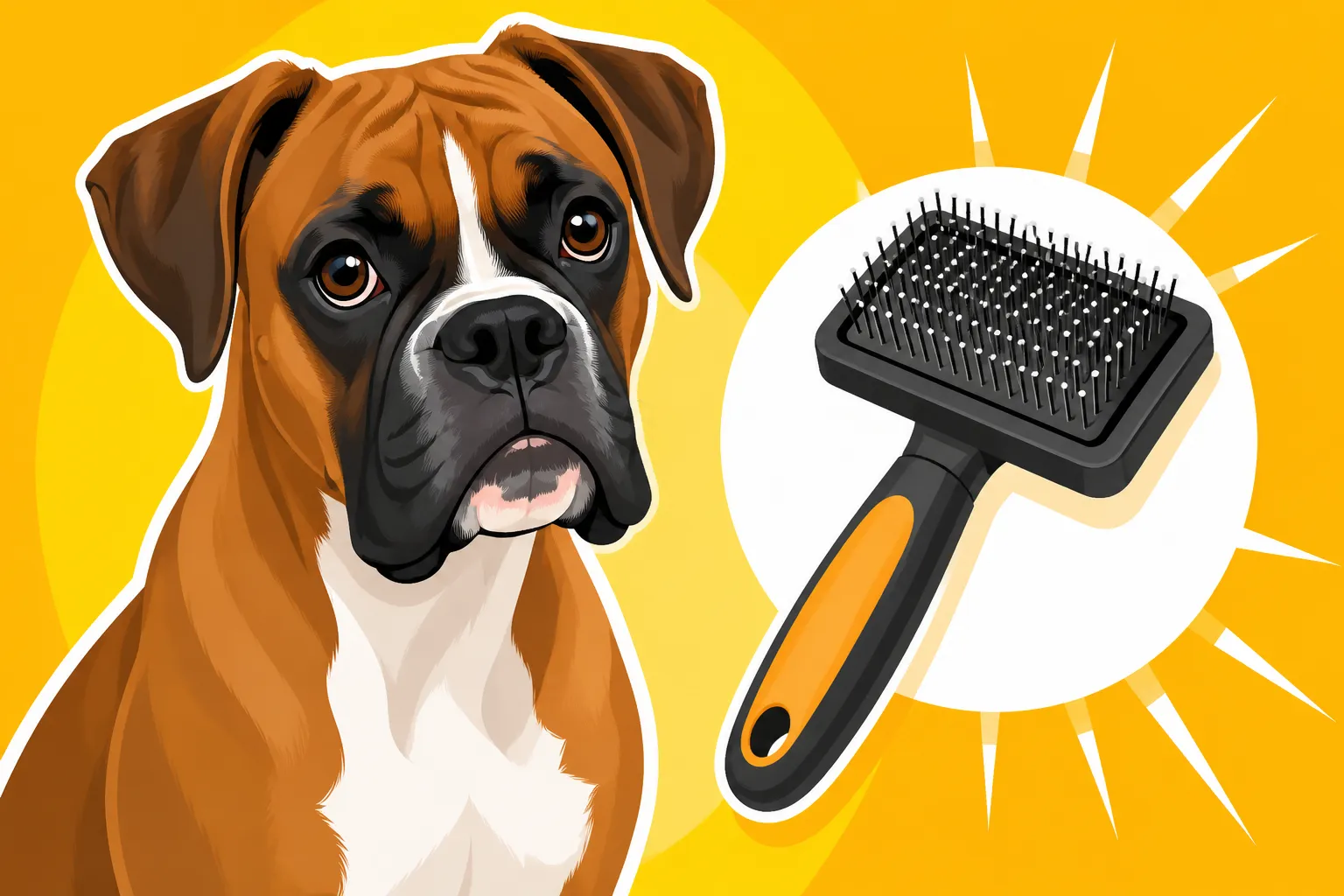
The One Brush a Boxer Coat Actually Needs
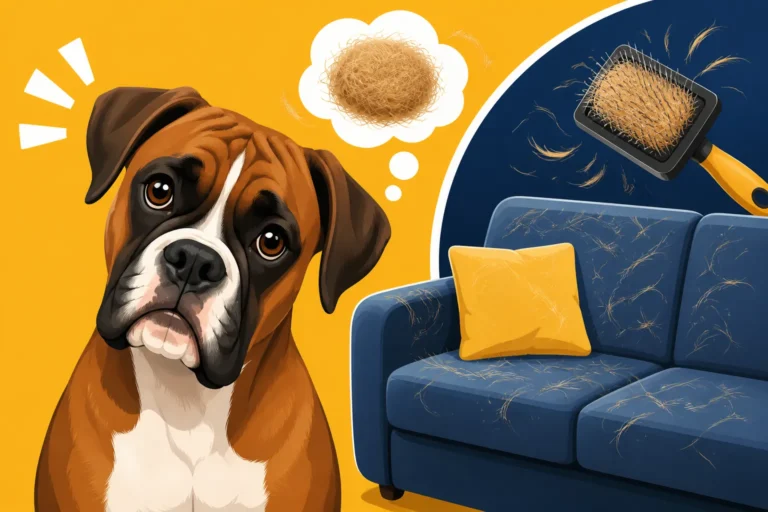
Let's be honest, when you first get a Boxer, you probably think their sleek, short coat means grooming is going to be a breeze. You picture a quick wipe-down and maybe an occasional bath, and that's it. Then, reality hits, and suddenly your house is covered in tiny, stiff Boxer hairs that somehow weave themselves into every piece of fabric you own. It's a common frustration, and this guide is here to cut through the confusion and show you the one brush that actually makes a difference for your Boxer's coat.
Understanding the Boxer Coat: It's Not as Simple as It Looks
That glossy, tight-fitting coat on your Boxer is undeniably beautiful, and many people assume it means minimal shedding. It's a perception that sets up many new Boxer owners for a rude awakening when they discover just how much fine, bristly hair their supposedly "low-shedding" dog can produce. The truth is, while a Boxer's coat isn't long and fluffy, it's dense and sheds quite effectively, making the right grooming tools essential.
The Double-Coated Misconception
When you run your hand over your Boxer's back, it feels smooth, firm, and almost velvety. You don't see the shaggy undercoat that breeds like German Shepherds or Huskies possess. This leads many to believe Boxers have a single layer of fur, making them simple to groom. However, the reality is a little more nuanced. While not a true "double-coat" in the traditional sense, Boxers do have a dense topcoat and a finer, softer undercoat that lies very close to the skin. It’s this combination that creates their characteristic sleek look but also contributes to the constant, fine shedding.
The topcoat provides protection, giving them that signature shine, while the underlying hair offers a bit of insulation. The shedding you experience comes from both layers, but it's often the fine undercoat hairs that cling to everything. They're light, they float, and they embed themselves deep into carpets, upholstery, and clothing. It's not just a matter of volume; it's the pervasive nature of the hair itself that can drive Boxer owners a little crazy.
The texture of Boxer hair is also key. It's relatively coarse and straight, which means it doesn't tend to clump like softer, longer fur. Instead, it detaches individually, leading to that "glitter" effect of individual hairs seemingly appearing out of nowhere on dark clothing or furniture. This is why a regular brush that merely skims the surface won't tackle the root of the problem.
Why Regular Brushing Matters for Boxers
Beyond the obvious benefit of reducing the amount of hair floating around your home, regular brushing offers a multitude of advantages for your Boxer's overall health and well-being. It’s not just about aesthetics; it’s a crucial part of preventative care and building a strong bond.
One of the most important aspects is skin health. Brushing helps to stimulate the natural oils produced by your Boxer's skin, distributing them evenly across the coat. This action can improve shine, keep the skin hydrated, and prevent dryness or flakiness that can lead to itching and irritation. It's like giving them a mini-massage that nourishes their skin from the outside in. This daily routine is also a perfect opportunity to perform The Weekly Skin Check Every Boxer Needs, helping you identify any new lumps, bumps, or skin changes early on.
Furthermore, regular brushing removes dirt, debris, and any loose, dead hair that would otherwise accumulate on their skin or end up on your couch. This keeps their coat cleaner and healthier, reducing the likelihood of skin infections or blockages in their hair follicles. It also gives you a chance to inspect for any external parasites like fleas or ticks, especially after outdoor adventures.
Finally, brushing is an excellent bonding activity. Most Boxers absolutely adore the attention and the feeling of being groomed, especially if you introduce it gently and positively from a young age. It’s a quiet, calm moment you can share, strengthening your relationship and making them more comfortable with handling, which is vital for vet visits or future grooming needs.
Debunking Common Brushing Myths and What Doesn't Work
Many Boxer owners, myself included, have gone through a trial-and-error phase with various brushes, often guided by well-meaning advice that simply doesn't apply to this unique breed. It's easy to get frustrated when you try a brush that's lauded for "short-haired dogs" only to find it leaves your Boxer's coat just as shed-prone as before. Let's clear up some of those common misconceptions and save you some money on ineffective tools.
The Wrong Tools for the Job
The pet supply aisle is overflowing with brushes, and it can be overwhelming to pick the right one. For Boxers, many of the commonly recommended options for short-haired breeds just don't cut it. They might feel good on the surface, but they fail to tackle the true source of the shedding.
Take, for instance, the classic stiff bristle brush. These brushes often have natural or synthetic bristles and are marketed for shining short coats. While they might give a temporary polish by redistributing surface oils, they simply glide over most of the loose hair, especially the finer undercoat. They don't penetrate deep enough to grab the dead hairs before they detach and make their way onto your floor. You'll brush for ages, feel like you've done a good job, and then your Boxer will shake, and a fresh cloud of hair will appear. It's incredibly frustrating and feels like a waste of time.
Then there are rubber curry brushes or grooming mitts. These are fantastic for a few specific tasks. They excel at lathering shampoo during bath time, helping to loosen dirt and stimulate circulation, and they're great for a quick post-walk rub-down to remove loose surface dirt or mud. However, for serious deshedding on a dry coat, their effectiveness is limited. The rubber nubs might collect some of the looser, already detached hairs, but they don't have the fine-toothed ability to gently pull out the deeply embedded, dead undercoat and topcoat hairs. Think of them as a useful accessory, not your primary deshedding weapon.
Finally, we have metal pin brushes. These are wonderful for longer, thicker coats that tangle easily, designed to work through mats and separate individual strands. However, on a Boxer's short, dense coat, a pin brush is completely inappropriate. The rigid metal pins can feel scratchy and uncomfortable on their skin, and they don't efficiently remove shed hair. In fact, they can be counterproductive, potentially causing skin irritation without delivering any real deshedding benefits.
Why "No Shedding" Claims Are Misleading for Boxers
You might occasionally hear someone claim their Boxer "doesn't shed much" or read product descriptions promising to eliminate shedding. It's a lovely thought, but for Boxer owners, it's largely a myth. Boxers are not a non-shedding breed, and expecting them to be will only lead to disappointment.
The key is to understand the difference between shedding volume and shedding type. While a Boxer might not shed the sheer volume of fur that a long-haired breed does, they shed continuously, and the type of hair they shed is particularly adept at sticking to everything. These short, bristly hairs are lightweight and can easily become airborne, then they weave themselves into fabrics with surprising tenacity. You might not see large clumps of fur, but you'll certainly find a fine layer of Boxer hair on every surface, every single day.
Diet and health certainly play a role in coat quality and can influence shedding to some extent. A Boxer on a high-quality, balanced diet will typically have a healthier coat and potentially shed less than one on a poor-quality diet. Supplements like omega fatty acids, often found in fish oil, can also contribute to healthier skin and coat, reducing excessive dryness and shedding caused by poor skin condition. Fish Oil for a Boxer's Skin and Heart However, even with the best diet or supplements (whether from brands like Ollie or your trusted local pet store), you will never entirely eliminate shedding. It's a natural biological process for dogs, just like hair growth in humans. It's important to adjust your expectations and aim for management rather than elimination.
The True Hero: Deshedding Tools for Boxers
After trying all sorts of brushes and being perpetually frustrated by the endless Boxer hair, many owners eventually discover the secret weapon: a dedicated deshedding tool. This isn't just another brush; it's specifically engineered to tackle that dense, short coat and extract the loose undercoat and dead topcoat hairs before they can escape onto your furniture.
The Mechanics of a Deshedding Tool
Unlike traditional brushes that simply comb through the top layer of fur, a deshedding tool works on a different principle entirely. These tools typically feature a finely toothed metal blade, often designed with a slight curve, that is able to reach deep into the Boxer's short, dense coat without cutting the healthy hair or irritating the skin.
The fine teeth are the magic here. They're spaced and angled precisely to slide past the healthy guard hairs of the topcoat and gently hook onto the loose, dead undercoat and shed topcoat hairs. As you draw the tool through the fur with light pressure, it pulls these detached hairs out, leaving the healthy, live coat intact. It’s not about cutting the hair shorter; it’s about extracting what has already died and would otherwise fall out naturally. This gentle "raking" action is incredibly effective at removing the vast majority of shed hair at its source, significantly reducing what ends up in your home.
The design also ensures that you're not just skimming the surface. The way the blade is constructed allows it to penetrate the density of the Boxer's coat, getting to the hairs that other brushes simply can't reach. This efficiency means you can achieve a much more thorough deshedding in a shorter amount of time, making the grooming process less of a chore for both you and your dog. It's a process of gentle exfoliation for the coat, removing the old to make way for the new, and promoting healthier hair growth.
Choosing the Right Deshedding Tool for Your Boxer
With the understanding that a deshedding tool is what you need, the next step is selecting the right one. While there are several reputable brands, the core design principles remain similar. You'll find these tools readily available from online retailers like Chewy or Amazon, as well as in most well-stocked pet stores.
When shopping, look for tools specifically marketed as "deshedding tools" or "undercoat rakes" rather than general brushes. Brands like FURminator are very popular and widely available, often seen as the go-to for many pet owners. However, other brands offer similar quality and effectiveness. The most important feature is the fine-toothed metal blade. For a Boxer, you'll want one designed for "short-haired" or "short-coated" dogs, as the blade length and tooth spacing will be optimized for their particular coat type.
Consider the size and ergonomics of the tool. You'll be using this on a seventy-pound Boxer, so a comfortable, non-slip handle is essential for a good grip and to prevent hand fatigue. The size of the blade itself should be appropriate for your dog's body, allowing you to cover ground efficiently without being too cumbersome. Remember, you want to be able to glide it smoothly over their curves and along their sides, back, and chest.
Safety is paramount. When using any deshedding tool, always follow the manufacturer's instructions. Use light, gentle strokes, and avoid pressing down too hard, which can irritate your Boxer's skin. Never use a deshedding tool on matted fur (though Boxers are less prone to matting) or on sensitive areas where the skin is thin. If your Boxer has any skin conditions, consult your vet before using a deshedding tool. The goal is to remove dead hair, not to cause discomfort.
Incorporating Deshedding into Your Boxer's Routine
Once you have your deshedding tool, the key is to integrate it effectively into your Boxer's regular care routine. Consistency is far more important than intensity when it comes to managing shedding.
For most Boxers, a weekly deshedding session is ideal. During peak shedding seasons (typically spring and fall, but it can vary by climate and individual dog), you might find yourself needing to use the tool twice a week. However, be cautious not to over-brush, as this can lead to skin irritation. A good session doesn't need to last forever; 10-20 minutes, depending on the amount of loose hair, should be sufficient to make a significant impact.
Choose a location that's easy to clean. If the weather permits, brushing outdoors is fantastic as the loose hair can simply blow away, saving you from cleaning up inside. If you're indoors, a hard-surface floor or a large towel spread out can help catch the shed hair. Many deshedding tools come with a "ejector button" to easily release the collected fur, making cleanup a breeze.
Make the experience positive for your Boxer. Start with short sessions, offer praise, and give treats. If your Boxer is initially wary, introduce the tool slowly, letting them sniff it, and only doing a few strokes at a time, gradually increasing the duration as they become more comfortable. This is a great opportunity for calm, focused interaction, something many Boxers thrive on. Remember that Training a Boxer That Gets Bored Fast also applies to grooming; keep it engaging and rewarding.
| Brush Type | Effectiveness for Boxers (Shedding) | Skin/Coat Benefits | Best Use Case | Boxer Suitability |
|---|---|---|---|---|
| Deshedding Tool | High (removes dead undercoat/topcoat) | Stimulates oils, removes dead hair | Primary tool for shedding reduction | Excellent |
| Stiff Bristle Brush | Low (surface level only) | Surface shine | Finishing touch, distributing surface oils | Fair |
| Rubber Curry Brush/Mitt | Moderate (loose surface hair, bath time) | Lathers shampoo, light massage | Bath time, quick post-walk wipe, very light shedding | Good (secondary) |
| Metal Pin Brush | Very Low (can irritate skin) | None (for short coats) | Long-haired, tangle-prone coats | Poor |
| Slicker Brush | Very Low (too harsh/ineffective) | None (for short coats) | Medium-long, matted coats | Poor |
Beyond the Brush: Complementary Care for a Healthy Boxer Coat
While the right deshedding tool is a game-changer for managing Boxer shedding, it's crucial to remember that grooming is part of a larger picture of holistic care. A healthy coat is often a reflection of a healthy dog, and what goes into your Boxer internally and how you care for their skin externally can significantly impact their coat quality and even the amount of hair they shed.
Diet and Nutrition's Role
You truly are what you eat, and the same goes for your Boxer. A high-quality diet provides the essential building blocks for healthy skin and a shiny, strong coat. If your Boxer's diet is lacking in key nutrients, you might notice a dull coat, dry skin, or even increased shedding.
Look for dog foods that list a named animal protein (like chicken, beef, or lamb) as the first ingredient. High-quality protein is vital for muscle maintenance and coat health. Protein and Fat for a Muscular Boxer The right balance of fats, particularly omega-3 and omega-6 fatty acids, is also incredibly important. These fats nourish the skin, reduce inflammation, and contribute to that characteristic Boxer shine. Many premium dog foods include these, or you can supplement with a high-quality fish oil specifically formulated for dogs.
Ensure your Boxer is well-hydrated. Ample fresh water contributes to overall cellular health, including skin cells, which can impact coat quality. A dehydrated dog might have drier skin, which can, in turn, lead to a lackluster coat and potentially more shedding. If you're ever considering switching your Boxer's food, do it gradually to avoid digestive upset, and monitor their coat and skin health to see how they respond.
Bathing and Skin Care
Bathing your Boxer effectively is another piece of the puzzle. While their short coat doesn't require frequent professional grooming, regular baths, especially with the right products, can help remove loose hair, dirt, and allergens that might irritate their skin.
Choose a shampoo specifically designed for dogs, ideally one that is gentle, moisturizing, and sulfate-free. Products formulated for sensitive skin or those containing oatmeal can be particularly beneficial for Boxers, as they are prone to various skin sensitivities. Shampoo for a Boxer With Sensitive Skin Avoid human shampoos, which have a different pH balance and can dry out your dog's skin. A good quality conditioner can also help to hydrate the skin and smooth the hair cuticle, reducing static and further helping to release loose hairs.
After bathing, ensure you dry your Boxer thoroughly, especially in their skin folds around the muzzle and jowls. Dampness in these areas can lead to yeast or bacterial infections. Drying a Boxer's Folds After a Bath A towel dry followed by air drying in a warm, draft-free room is usually sufficient. This is another excellent opportunity to inspect their skin for any rashes, redness, or suspicious lumps that might be developing. Checking a Boxer for Lumps Every Week
Environmental Factors
The environment your Boxer lives in can also play a role in their coat health and shedding patterns. While you can't control everything, being mindful of certain factors can help.
Indoor humidity levels can affect skin and coat dryness. In very dry climates or during winter months when indoor heating is on constantly, the air can become quite dry, potentially leading to drier skin for your Boxer and increased shedding. A humidifier in your home can sometimes help alleviate this for both you and your dog. Also consider the temperature control in your home; keeping your Boxer comfortable, especially during warmer months, prevents overheating which can indirectly stress their system. Cooling Bills in a Household With a Boxer
Protecting your Boxer's skin from excessive sun exposure is also important, particularly for white Boxers who have less pigment. Just like us, dogs can get sunburned, which can damage skin and coat. Sunburn on a White Boxer's Nose If your Boxer spends a lot of time outdoors in direct sun, consider dog-safe sunscreen or protective clothing for their more exposed areas. A healthy environment, both inside and out, contributes significantly to a happy Boxer with a gleaming, healthy coat.
Disclaimer
This article is for general informational purposes only and does not constitute professional advice. Laws, prices and regulations vary by location and change over time. Consult a qualified professional for guidance on your specific situation.