Whether a Boxer Needs Deshedding Treatment
Anyone who shares their home with a Boxer quickly realizes that while their short, sleek coats might look low-maintenance, the reality of Boxer shedding can be a bit of a surprise. You might find yourself constantly battling a fine layer of Boxer hair on your furniture, clothes, and floors, wondering if there's some secret "deshedding treatment" out there that can finally bring peace to your perpetually hairy existence. This guide will dive deep into the world of Boxer coats, shedding, and whether specialized deshedding treatments are truly beneficial for our beloved, hair-spreading companions.
Understanding the Boxer's Coat and Shedding Cycle
It's a common misconception that Boxers don't shed much because their hair is so short. Oh, if only that were true! Many new Boxer owners are genuinely caught off guard by the sheer volume of fine, stiff hairs that somehow manage to embed themselves into every fabric surface known to man. It’s not a thick, fluffy undercoat like a Husky or a Golden Retriever, but it's persistent, and it's everywhere.
The Boxer's Short, Single Coat Misconception
When you picture a Boxer, you probably see that iconic, sleek, fawn or brindle coat shining under the sun. It's a single coat, meaning they don't have the dense, woolly undercoat that many double-coated breeds possess for insulation. This is often where the misunderstanding begins; people assume "single coat" means "minimal shedding." Unfortunately, that's not how it works in the Boxer world. Because their hairs are short and stiff, they act like tiny needles, easily weaving their way into carpets, upholstery, and even the "clean" laundry basket. You might brush your Boxer and feel like nothing came off, only to find a fresh layer of hair on your couch five minutes later.
This perception of low shedding also comes from the fact that Boxer hair isn't as visually dramatic as a longer-haired breed's shedding. You don't see big tumbleweeds of fur rolling across the floor. Instead, it's a constant, almost invisible sprinkle, accumulating slowly but surely until you realize your black pants are now fifty shades of fawn. It's a frustration many Boxer owners share, feeling like they're constantly fighting a losing battle against the fur.
The Truth About Boxer Shedding
Boxers shed all year round. Yes, all year. There isn't a magical season where they stop. While they don't "blow coat" in the same dramatic fashion as some breeds, they do tend to shed more heavily during seasonal changes – typically in spring as they lighten their coat for warmer weather, and again in fall as they prepare for winter. However, even outside of these periods, you'll still find evidence of their presence everywhere. The amount of shedding can also vary from one Boxer to another; some seem to be hair-producing machines, while others are a bit more moderate. But rest assured, if you own a Boxer, you own a shedder.
This continuous shedding means that if you're not diligent with regular grooming, the dead hair will simply accumulate on your dog and then, inevitably, migrate to your living space. It's not just about aesthetics; removing this dead hair helps keep your Boxer's skin healthy and allows their coat to breathe. Leaving dead hair trapped can sometimes lead to skin irritation or dullness in the coat, making it a health matter as much as a housekeeping one.
Factors Influencing a Boxer's Shedding
Several factors can influence how much a Boxer sheds, and understanding these can help you manage the problem more effectively.
- Diet and Nutrition: This is huge. A high-quality diet rich in essential fatty acids (like Omega-3 and Omega-6) is absolutely crucial for a healthy coat. If your Boxer is eating a diet with poor quality ingredients, or one that lacks proper nutrients, you might notice excessive shedding, a dull coat, or even dry, flaky skin. Think of their coat as a reflection of their internal health. Many owners have seen a noticeable improvement in shedding when switching to premium foods or supplementing with fish oil. Fish Oil for a Boxer's Skin and Heart explores this further.
- Health Conditions: Underlying health issues can manifest as increased shedding or poor coat quality. Skin allergies, parasites (fleas, mites), thyroid problems (hypothyroidism, where they might also show Weight Gain and Coat Loss in a Boxer), or other systemic illnesses can all contribute to excessive hair loss. If your Boxer suddenly starts shedding significantly more than usual, or if their skin looks irritated, it's always a good idea to consult your vet.
- Stress: Just like humans, dogs can shed more when they're stressed or anxious. A change in routine, moving to a new home, or even separation anxiety can sometimes trigger increased shedding. Observing your Boxer's overall behavior alongside their shedding patterns can offer clues.
- Environmental Factors: The climate you live in can also play a role. Boxers living in consistently warm environments might shed more evenly throughout the year, while those in areas with distinct seasons will experience more pronounced seasonal sheds. Indoor heating in winter can also dry out a Boxer's skin, potentially leading to more shedding.
- Hormonal Changes: Female Boxers might experience increased shedding around their heat cycles, pregnancy, or after giving birth. Spaying or neutering can sometimes alter coat texture and shedding patterns, though this isn't always predictable. Whether Early Neutering Changes Boxer Cancer Risk discusses related health considerations.
What "Deshedding Treatment" Actually Means for a Boxer
When we talk about "deshedding treatment," it can conjure up images of elaborate spa days for dogs. For Boxers, it’s less about fancy lotions and more about focused, consistent removal of loose, dead hair that's just waiting to escape and cling to your sofa.
Professional Deshedding Services
Many professional groomers offer "deshedding treatments." For Boxers, these typically involve a combination of specialized shampoos, conditioners, forced-air drying, and specific deshedding tools.
- Specialized Shampoos and Conditioners: These products are often designed to help loosen dead hair from the follicles and moisturize the skin, making the shedding process easier. A good bath is crucial for getting rid of a lot of loose hair. Washing a Boxer Without Drying Out Its Skin emphasizes gentle approaches.
- Forced-Air Drying: After a thorough wash, groomers use powerful high-velocity dryers. These aren't just for drying; the force of the air helps to blast out a significant amount of loose undercoat (even a single-coated Boxer has some dead hair that needs convincing to leave) and residual dead hair that washing has loosened. It’s incredibly effective at getting out hairs that brushing alone might miss.
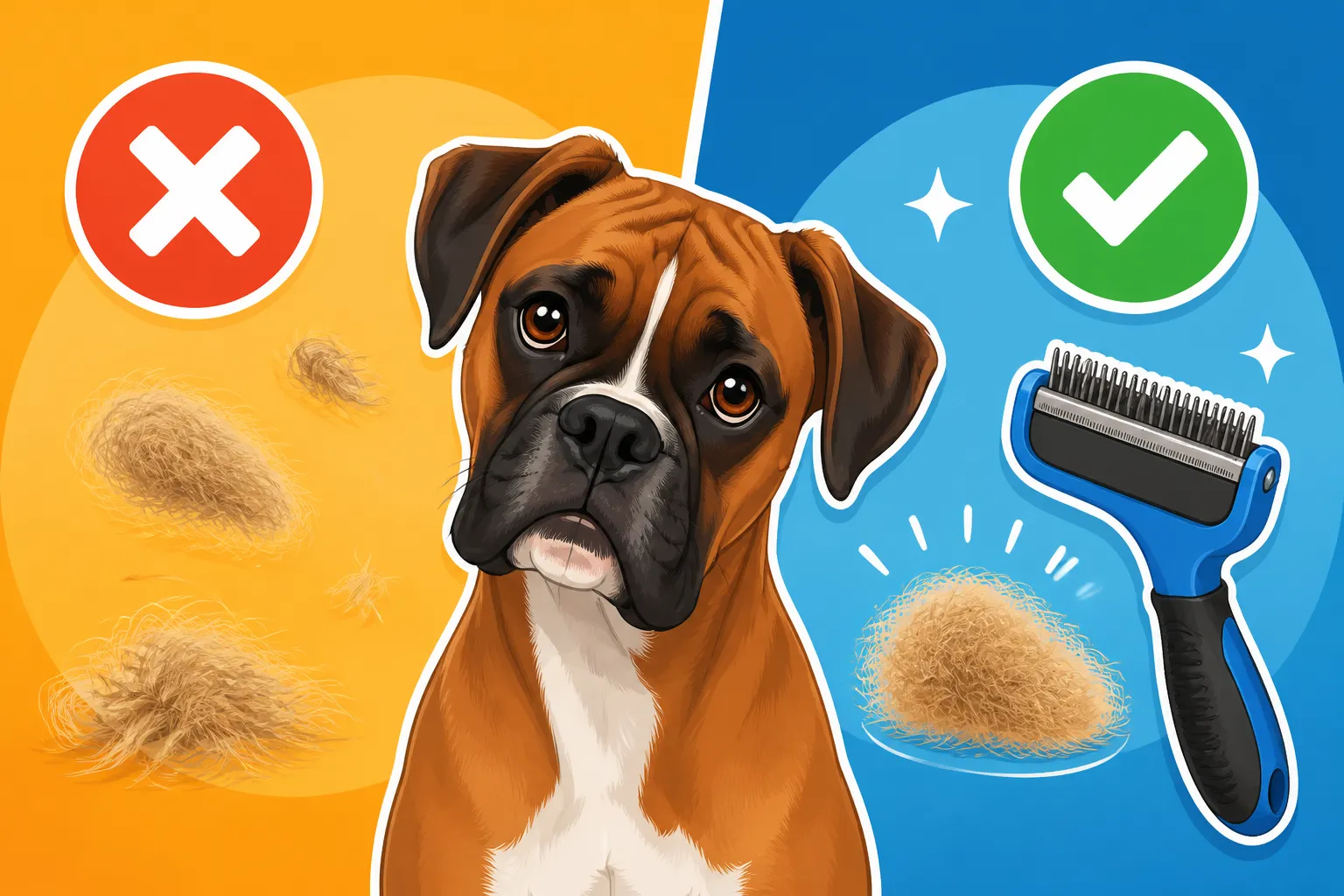
- Deshedding Tools: Following the bath and drying, groomers will use tools like a rubber curry brush or a short-toothed deshedding rake to remove any remaining loose hair. These tools are designed to grab the dead hair without cutting the healthy guard hairs.
Are these services "worth it" for a Boxer? If your Boxer is shedding heavily, or if you're struggling to keep up with it at home, a professional deshedding service can definitely make a noticeable difference. It can significantly reduce the amount of hair in your home for a few weeks, providing a much-needed reset button. However, it's not a one-and-done solution; Boxers will continue to shed, so you'll still need regular maintenance at home.
At-Home Deshedding Tools and Techniques
For most Boxer owners, regular at-home grooming is the most practical and effective way to manage shedding. Consistency is key.
- Brushing, Brushing, Brushing: This is your first line of defense. Daily or every-other-day brushing is ideal for a Boxer. It removes loose hairs before they have a chance to settle on your furniture.
- Rubber Curry Brush: This is often the MVP for Boxer coats. It’s gentle, stimulates circulation, and excels at grabbing those short, stiff hairs. Use it in circular motions to loosen dead hair, then long strokes to sweep it away.
- Shedding Blade (Loop Type): These look a bit intimidating, but they are very effective. They have a serrated edge designed to pull out dead hair. Use it gently, with short strokes, and don't press too hard.
- Grooming Mitts: Similar to a curry brush but worn on your hand, these are great for Boxers who might be sensitive to traditional brushes. They offer a more tactile experience for both you and your dog.
- Bristle Brushes: While not primarily for deshedding, a good bristle brush can help distribute natural oils and give your Boxer's coat a lovely shine after you've removed the loose hair. The One Brush a Boxer Coat Actually Needs provides more specific recommendations.
- Bathing: Regular bathing (but not too frequent, to avoid drying out their skin) can help loosen and remove dead hair. Use a good quality dog shampoo and conditioner. A deshedding shampoo followed by a deshedding conditioner can be particularly effective during heavy shedding periods. After bathing, really towel-dry or use a dog-specific blow dryer to help remove even more loose hair.
- Vacuuming and Cleaning: While not a grooming technique for your dog, it's an essential part of managing Boxer hair in your home. Invest in a good pet-specific vacuum cleaner!
The Difference Between Deshedding and Regular Brushing for a Boxer
It's easy to use these terms interchangeably, but there's a subtle difference.
- Regular Brushing: This is your everyday maintenance. It involves using basic brushes (like a rubber curry or bristle brush) to remove surface dirt, tangles (though Boxers rarely get these), and some loose hair, as well as to distribute natural skin oils. It's about general coat health and cleanliness.
- Deshedding Treatment: This refers to a more intensive process aimed specifically at removing a large volume of dead and loose undercoat/hair that is still attached to the dog but ready to come out. This often involves specialized tools (like a shedding blade or a deshedding rake) and techniques (like forced-air drying at a groomer, or a dedicated deshedding bath at home) designed to penetrate deeper into the coat than a regular brush might, targeting the hair that's still clinging on. For a Boxer, since they don't have a thick undercoat, "deshedding" primarily means systematically removing the vast quantities of short, stiff dead guard hairs that contribute to their year-round shedding.
The goal of both is a healthier coat and less hair in your home, but deshedding is a more targeted, often more aggressive (in a good way!) attack on the actual shedding problem.
Do Boxers Benefit from Deshedding Treatments?
Given their specific coat type, the question isn't so much if Boxers shed, but how best to manage it. The answer to whether they benefit from deshedding treatments is generally yes, but it’s more about consistent deshedding practices rather than one-off "treatments."
When a Boxer Might Need More Than Just Regular Brushing
There are definitely times when stepping up your grooming game beyond a quick daily brush is warranted:
- Seasonal "Blows": Even without a traditional undercoat, Boxers still experience heavier shedding periods in spring and fall. During these times, a more intensive deshedding routine at home, or even a professional deshedding service, can be incredibly beneficial. It helps to clear out the bulk of the dead hair quickly, reducing the amount that ends up on your furniture over the following weeks.
- Dull or Lifeless Coat: If your Boxer's coat looks dull, feels rough, or seems to be shedding more than usual, it could be a sign that dead hair is accumulating. A good deshedding session can remove this old hair, allowing new, healthy hair to come through and promoting a shinier, healthier appearance. This is also where checking diet and overall health comes into play. Protein and Fat for a Muscular Boxer can influence coat quality.
- Allergies or Skin Issues: While not a cure, removing excessive dead hair can sometimes help alleviate minor skin irritations by allowing the skin to breathe better. However, if your Boxer has ongoing skin problems, Eight Weeks of One Protein for an Itchy Boxer or other specialized care might be necessary, and you should consult your vet.
Managing Shedding Year-Round
The most effective "deshedding treatment" for a Boxer is a consistent, year-round management strategy. It's less about a one-time fix and more about integration into their regular care routine.
- Daily Brushing: This is non-negotiable for a Boxer household that wants to keep hair to a minimum. A few minutes each day with a rubber curry brush or a grooming mitt will collect a surprising amount of loose hair. This proactive approach prevents the build-up that leads to major shedding events indoors.
- Regular Baths: Aim for a bath every 3-6 weeks, or more often during heavy shedding periods, using a good quality deshedding shampoo and conditioner formulated for dogs. Products available from retailers like Chewy or Amazon can be very helpful. Remember to follow up with thorough drying and brushing.
- High-Quality Diet: As mentioned, nutrition plays a huge role. Feeding a premium, balanced diet with appropriate protein and fat levels will support a healthy skin and coat, minimizing excessive shedding due to poor health. Brands like Ollie, which offers fresh, human-grade food, can sometimes lead to noticeable improvements in coat health for some Boxers.
- Supplements: Omega-3 fatty acid supplements (like fish oil) can work wonders for coat health and shine. Consult your vet before adding any new supplements to your Boxer's diet.
Weighing the Pros and Cons
Let's break down the advantages and disadvantages of investing time and possibly money into deshedding efforts for your Boxer.
| Aspect | Pros | Cons |
|---|---|---|
| Reduced Household Hair | Significantly decreases the amount of Boxer hair on furniture and clothes. | Requires consistent effort; cannot eliminate shedding entirely. |
| Improved Coat Health | Removes dead hair, allowing skin to breathe and promoting a shinier coat. | Over-grooming or using harsh tools can irritate sensitive skin. |
| Bonding | Regular grooming sessions can strengthen the bond between you and your Boxer. | Some Boxers may not enjoy extensive grooming, requiring patience. |
| Early Health Detection | Allows you to regularly check for The Lumps a Boxer Owner Has to Check For or skin issues. | Can be mistaken for a fix-all for underlying health problems. |
| Professional Services | Effective, thorough removal of hair in one session. | Can be costly; requires repeat visits for sustained results. |
| At-Home Efforts | Cost-effective; flexible scheduling; empowers owner with knowledge. | Time-consuming; requires learning proper techniques and tools. |
Overall, the benefits of proactive deshedding for a Boxer far outweigh the cons, especially when considering the comfort of your dog and the cleanliness of your home. It's an investment in their well-being and your peace of mind.
Practical Tips for Minimizing Boxer Hair in Your Home
Okay, so we've established that Boxers shed, and deshedding efforts are beneficial. Now, let's get down to the nitty-gritty of making your life with a shedding Boxer as smooth (and hair-free) as possible.
The Right Tools for the Job
Having the correct grooming tools is half the battle. Don't just grab any old brush; invest in ones specifically designed for short-coated dogs or for deshedding.
- Rubber Curry Brush: As mentioned, this is a must-have. Brands like Kong and Furminator (yes, they make rubber curry brushes too!) offer excellent options that are comfortable to hold and effective. Use it daily.
- Shedding Blade: A shedding blade with a loop handle, often available on Amazon, can be very useful during peak shedding times. Remember to use a light hand to avoid irritating your Boxer's skin.
- Grooming Glove/Mitt: Many Boxers actually enjoy the feeling of being "petted" with a grooming glove. It's gentle, effective, and helps catch loose hair while you're bonding.
- Microfiber Cloths: Keep these handy for quick wipes of your Boxer's coat between brushes to pick up surface hairs and add a bit of shine.
- Vacuum Cleaner: A good quality pet vacuum with strong suction and attachments for upholstery is your best friend. Look for models designed to handle pet hair.
Bathing for Shed Control
Strategic bathing can be a powerful tool in your deshedding arsenal.
- Frequency: Don't over-bathe. A Boxer usually needs a bath every 3-6 weeks, unless they get particularly dirty or have skin issues requiring more frequent therapeutic baths. Over-bathing can strip natural oils, leading to dry, itchy skin and potentially more shedding.
- Deshedding Shampoos and Conditioners: These products often contain ingredients that help release dead hair and moisturize the skin. Look for ingredients like Omega fatty acids or natural oils. Follow the product instructions carefully. Brands like TropiClean and Furminator offer specific deshedding lines.
- Thorough Rinsing: Always rinse your Boxer thoroughly to remove all shampoo and conditioner residue. Leftover product can irritate the skin.
- Drying Technique: After bathing, towel dry vigorously. If your Boxer tolerates it, a cool-setting blow dryer can help remove a lot of loose hair that the bath has loosened. This is similar to what professional groomers do.
Diet and Supplements for Coat Health
We've touched on this, but it bears repeating: nutrition is fundamental to coat health.
- High-Quality Dog Food: This cannot be stressed enough. Choose a dog food that lists real meat as the first ingredient and avoids excessive fillers or by-products. A balanced diet supports overall health, which directly translates to a healthier, less-shedding coat.
- Omega Fatty Acids: Consider adding an Omega-3 supplement, like fish oil, to your Boxer's diet. It's fantastic for skin and coat health, reducing dryness and promoting a lustrous shine, which can, in turn, reduce excessive shedding. Your vet can recommend an appropriate dosage.
- Hydration: Ensure your Boxer always has access to fresh, clean water. Good hydration is important for healthy skin and hair follicles.
Environmental Management
Sometimes, the best "deshedding treatment" for your home isn't for your dog at all, but for your living space!
- Regular Cleaning: Vacuum floors and furniture frequently. A robot vacuum can be a lifesaver for daily maintenance, especially in homes with Boxers.
- Washable Covers: Use washable slipcovers on couches and pet beds. This makes cleaning up hair much easier. Many great options are available from retailers like Chewy and Amazon.
- Dedicated Pet Areas: Have designated beds and blankets for your Boxer that are easy to wash. This helps contain some of the hair.
- Air Purifiers: While they won't stop shedding, air purifiers with HEPA filters can help capture airborne pet dander and hair, improving air quality in your home.
- Lint Rollers: Keep lint rollers strategically placed near doors, in your car, and in your laundry room. They are invaluable for quick touch-ups on clothes before you head out.
Living with a Boxer means living with some amount of hair. However, by understanding their coat, implementing consistent at-home deshedding practices, and being mindful of their diet and environment, you can significantly minimize the impact of their shedding and keep both your Boxer and your home looking their best.
Disclaimer
This article is for general informational purposes only and does not constitute professional advice. Laws, prices and regulations vary by location and change over time. Consult a qualified professional for guidance on your specific situation.