Cleaning a Natural-Eared Boxer
One of the lesser-talked-about challenges of owning a Boxer with natural, uncropped ears is the unique care they require. Unlike their cropped counterparts, these beautiful, soft ears can be a magnet for moisture, debris, and all sorts of gunk, leading to a frustrating cycle of itching, discomfort, and even painful infections. This guide will walk you through exactly how to keep your natural-eared Boxer's ears sparkling clean and healthy, giving you the confidence to tackle this essential grooming task and keep those adorable ears wagging happily.
Why Natural Boxer Ears Need Special Attention
If you've ever found yourself peering into your Boxer's floppy ears and wondering what mysteries lie within, you're not alone. Those soft, velvety folds, while undeniably charming, create an environment that's a little too cozy for things we don't want hanging around. Understanding the anatomy and why these ears are prone to certain issues is the first step in effective care.
The Anatomy of a Natural Boxer Ear
A Boxer's natural ear is a wonder of floppy design. Unlike the upright, open structure of a cropped ear, a natural Boxer ear folds over, often resting close to the side of their head. This creates a natural "lid" over the ear canal. Inside, the ear canal itself is not a straight shot; it takes a distinct L-shape, first going down vertically and then turning horizontally towards the eardrum. This design, while offering some protection from direct foreign objects, also makes it harder for air to circulate and for moisture or debris to escape naturally. It's like a warm, slightly humid little cave – perfect conditions for bacteria and yeast to thrive if not properly maintained. The skin inside the ear can also be quite delicate, and the presence of hair within the canal in some Boxers can further trap wax and grime.
You might notice the soft cartilage that gives the ear its shape, and the distinct folds around the ear opening. These folds are where dirt, pollen, and even stray bits of food can accumulate, especially if your Boxer loves to roll around in the yard or bury their face in their food bowl. It's a very different landscape compared to the more open, ventilated ears you see on some other breeds, or even on Boxers whose ears have been cropped. Why a Cropped Boxer Gets Fewer Ear Infections delves into some of these differences, highlighting the ventilation aspect.
Common Issues with Uncropped Ears
Because of their unique structure, natural Boxer ears are predisposed to certain problems that can make both you and your dog miserable. The most frequent culprit is ear infections, often caused by an overgrowth of yeast or bacteria. These infections flourish in the warm, moist, dark environment of a floppy ear. If your Boxer loves water – be it puddles, baths, or even just heavy dew on the grass – that moisture gets trapped, creating a perfect breeding ground.
Allergies are another major factor. Just like humans, Boxers can suffer from environmental allergies (pollen, dust mites) or food allergies, and often, one of the first places these manifest is in the ears. The ears become itchy, red, and inflamed, leading your Boxer to scratch, rub, or shake their head excessively, which only exacerbates the problem and can introduce more bacteria. Ear mites, while less common in adult dogs, can also be a significant issue, particularly in puppies or dogs exposed to other animals with mites. Foreign bodies like grass awns or seeds can also work their way down the canal, causing intense irritation and pain. If you've been doing your Weekly Lump Checks on a Boxer, don't forget to include a good look at and around the ears for any swelling or tenderness. These issues, if left unchecked, can lead to chronic pain, hearing loss, and can be incredibly difficult and costly to treat, sometimes requiring extensive veterinary intervention.
Gathering Your Boxer Ear Cleaning Supplies
Before you even think about wrangling your Boxer for an ear cleaning session, it’s crucial to have all your tools ready. A well-prepared owner makes for a smoother, less stressful experience for both parties. Trust me, fumbling for supplies mid-clean is a recipe for a frustrated Boxer and a messy situation.
Essential Cleaning Solutions and Tools
When it comes to cleaning your Boxer's natural ears, the right supplies make all the difference. First and foremost, you need a high-quality, vet-approved ear cleaning solution. Look for solutions specifically formulated for dogs, preferably those that are gentle, pH-balanced, and designed to break down wax and debris without causing irritation. Many good options contain ingredients like witch hazel or aloe for soothing, and some have mild drying agents, which are fantastic for floppy ears prone to moisture. Avoid using rubbing alcohol, hydrogen peroxide, or vinegar in the ear canal, as these can be irritating or even damaging to the delicate tissues inside. Brands like Zymox or Epi-Otic are often recommended by veterinarians for their efficacy and gentleness. You can easily find these at pet supply stores or online retailers like Chewy or Amazon.
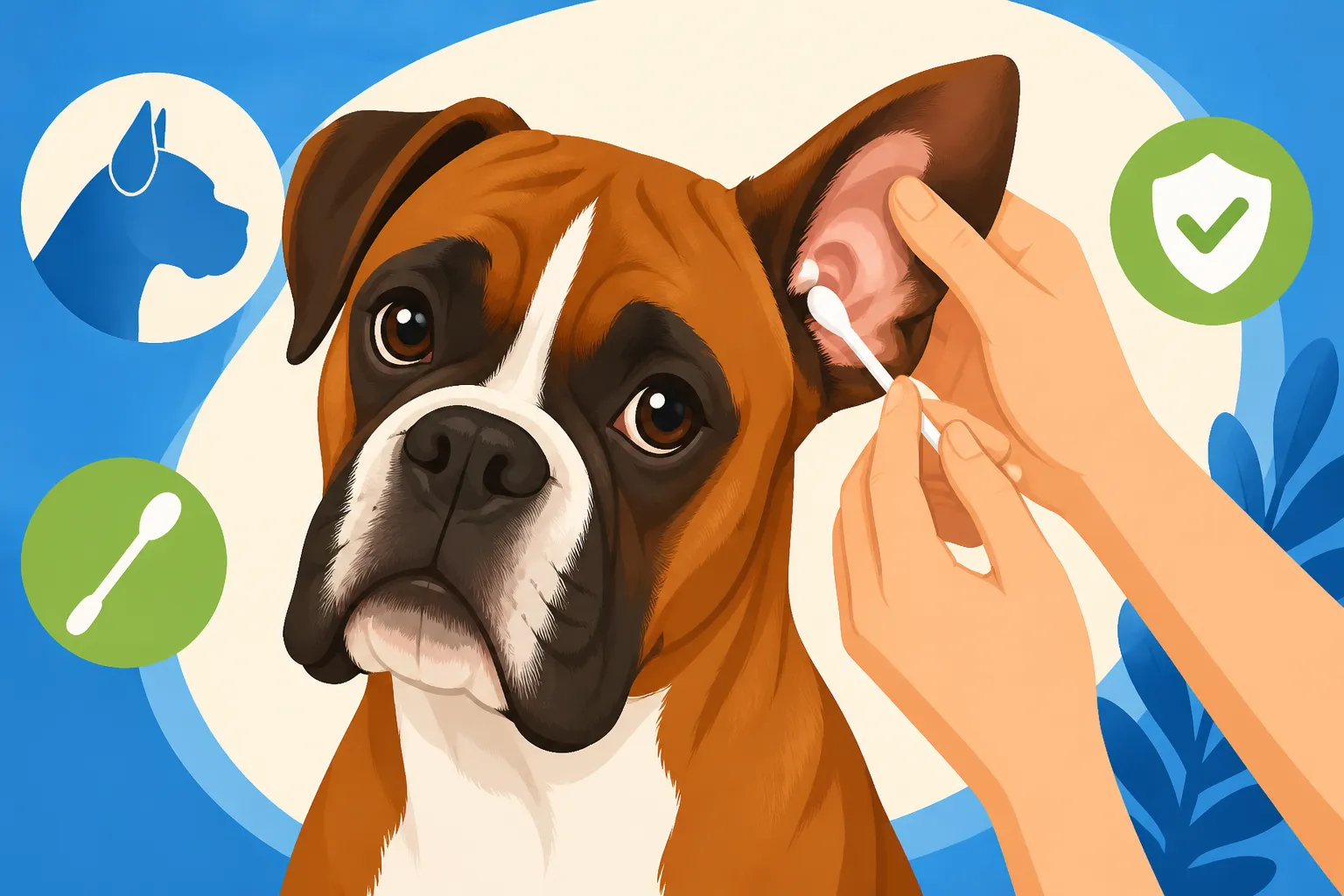
Beyond the solution, you'll need plenty of cotton balls or gauze pads. Resist the urge to use cotton swabs (Q-tips) for cleaning inside the ear canal, as these can push debris further down or even damage the eardrum. Cotton swabs are fine for cleaning the outer folds and visible parts of the ear, but nothing should go deep into that L-shaped canal. Have some soft, clean towels on hand for any drips or shakes, and definitely have some high-value treats ready – positive reinforcement is key, especially with a breed as smart and sometimes stubborn as a Boxer! Consider having a headlamp or a small flashlight nearby too, for a better view into the ear. This simple kit will ensure you're prepared to do a thorough yet gentle job.
What to Avoid in Boxer Ear Care
While the previous section highlighted what you should use, it's equally important to know what to avoid when caring for your Boxer's natural ears. As mentioned, never use household products like rubbing alcohol, hydrogen peroxide, or undiluted vinegar directly in your dog's ear canal. Alcohol can cause severe burning, especially if there's any raw or inflamed skin present. Hydrogen peroxide might bubble and seem effective, but it can also be very irritating and delay healing if there's an underlying infection or wound. Vinegar, while sometimes recommended in diluted forms for certain issues, can alter the ear's pH too drastically and cause further irritation or dryness.
Another major no-no is over-cleaning. While regular cleaning is vital, doing it too frequently (more than once a week for a healthy ear, unless directed by a vet) can strip the ear of its natural protective oils, leading to dryness and irritation, which can paradoxically make it more susceptible to problems. Furthermore, avoid sticking anything sharp or pointed into your Boxer's ear canal. Their ear canal is delicate, and you risk perforating the eardrum or causing trauma. Always use soft cotton or gauze, and only clean as far as you can comfortably see. If you find yourself in a situation where you feel you need to dig or force something, it's time to seek professional help. Remember, when considering Whether Pet Insurance Pays Off for a Boxer, preventative care like proper ear hygiene can help reduce the chances of needing costly vet visits for severe infections.
Step-by-Step Guide to Cleaning Your Boxer's Natural Ears
Cleaning your Boxer's ears doesn't have to be a wrestling match. With the right approach and a calm demeanor, you can make it a routine that's manageable for both of you. Consistency and positive reinforcement are your best friends here!
Prepping Your Boxer for the Cleaning Session
The key to a successful ear cleaning session starts long before the cotton touches the ear. First, choose a quiet time when your Boxer is relaxed. Avoid doing it right after an energetic play session or when there's a lot of household commotion. A calm environment helps them feel secure. Get your Boxer settled – perhaps in a comfortable spot on the floor, or if they're smaller and you're comfortable, on a table with a non-slip mat. Having an assistant to gently hold your Boxer can be incredibly helpful, especially for a wiggly one.
Before you even open the ear cleaner, spend a few moments gently massaging their ears and praising them. Associate ear touching with positive experiences. Offer a treat. Then, gently lift the ear flap to expose the inner ear. Take a good look. Is there any redness, swelling, or a foul odor? Is there an excessive amount of dark discharge? A quick visual inspection can tell you if this is a routine cleaning or if it's time to call the vet. If things look inflamed or painful, cleaning might cause more discomfort, and a vet visit would be more appropriate. For a breed known for its playful and sometimes clumsy nature, like those described in What a First Boxer Demands of a New Owner, teaching them to be calm for handling from an early age is invaluable.
The Gentle Cleaning Technique
Now that your Boxer is prepped and you've visually inspected their ears, it’s time for the actual cleaning. Start by holding the ear flap up and open. Take your dog-specific ear cleaning solution and carefully fill the ear canal. You don't need to jam the bottle nozzle deep inside; just hold it above the opening and squeeze until the canal is full. Your Boxer will probably shake their head immediately – this is normal and expected! Don't worry, let them shake. This helps the solution work its way down the L-shaped canal and loosen debris.
Once they've had a good shake, gently massage the base of the ear for about 30 seconds. You should hear a squishy sound as the solution moves around, breaking up wax and dirt. After massaging, take a clean cotton ball or gauze pad and gently wipe away any excess solution and visible debris from the outer ear flap and the entrance of the ear canal. Remember, only clean as far as your finger can reach comfortably and visually. Never force anything into the canal. Repeat with fresh cotton balls until no more dirt appears on the cotton. You might need to do one ear at a time, allowing a short break and a treat in between to keep your Boxer cooperative.
Post-Cleaning Care and Observation
After you've finished cleaning, make sure to give your Boxer a lot of praise and a really good, high-value treat. This positive reinforcement helps them associate ear cleaning with good things, making future sessions easier. You might even play a quick game or give them a favorite chew toy to distract them and end the experience on a high note.
For the next day or two, keep a close eye on their ears. Watch for any signs of irritation that might indicate sensitivity to the cleaning solution, though with a vet-approved product, this is rare. Also, observe their behavior. Are they still scratching at their ears? Shaking their head? If the symptoms persist or worsen, it's a clear signal that something else might be going on beyond simple dirt and wax, and it's time to call your veterinarian. Regular maintenance, typically once a week or every two weeks depending on your Boxer's individual needs, will help prevent serious issues. Establishing a consistent routine, much like you would for Boxer Dental Care and the Undershot Bite, is crucial for long-term health. Products like dental chews available on Amazon or specialized foods from Ollie can indirectly support overall health, including ear health.
When to Call the Vet: Recognizing Ear Problems
Even with diligent at-home care, Boxers can still develop ear issues. Knowing when a situation warrants professional veterinary attention versus a routine cleaning is critical for your dog's health and comfort.
Signs of Infection or Irritation
It's important to differentiate between routine gunk and actual problems. A healthy ear might have a small amount of light brown wax, and be free of odor and redness. However, if you notice any of the following signs, it's time to consult your veterinarian:
- Excessive scratching or rubbing: Your Boxer constantly pawing at their ear, rubbing it against furniture, or shaking their head vigorously could be a sign of discomfort or itchiness beyond normal.
- Redness or swelling: The skin inside the ear flap and around the opening should be a healthy, light pink. Any noticeable redness, inflammation, or swelling indicates irritation or infection.
- Foul odor: A healthy ear should have little to no smell. A strong, yeasty, or sour odor is a classic sign of bacterial or yeast infection.
- Abnormal discharge: While a little light brown wax is normal, green, yellow, or very dark, thick, crusty discharge is a red flag. Blood in the discharge is also a serious concern.
- Pain or sensitivity: If your Boxer cries out, recoils, or acts aggressively when you touch their ear, it's likely painful and needs immediate vet attention.
- Head tilt: A persistent head tilt to one side can indicate a deep ear infection affecting balance or causing significant discomfort.
- Changes in behavior: Lethargy, loss of appetite, or general irritability can sometimes accompany painful ear infections.
These symptoms suggest an underlying issue that topical cleaning solutions alone won't resolve. Trying to treat a severe infection at home can make things worse and delay proper healing. For detailed information on other areas that need regular checking, see The Lumps a Boxer Owner Has to Check For.
The Importance of Timely Professional Help
Delaying veterinary care for an ear infection or persistent irritation can have serious consequences for your Boxer. What might start as a minor bacterial or yeast overgrowth can quickly escalate into a more severe, chronic infection, potentially leading to pain, hearing loss, or even affecting their vestibular system (balance). Long-term untreated infections can also result in hematomas (blood blisters) in the ear flap from excessive head shaking, which often require surgical drainage.
A veterinarian can accurately diagnose the root cause of the ear problem. They might take a swab of the ear discharge to examine under a microscope (cytology) to identify yeast, bacteria, or mites, and then prescribe the appropriate medication – whether it's an antibiotic, antifungal, anti-inflammatory, or a combination. They can also flush the ear canal much more thoroughly and safely than you can at home, especially if there's a foreign body lodged deep inside. Catching and treating ear issues early not only provides faster relief for your beloved Boxer but also saves you money in the long run by preventing more complicated, expensive treatments down the line. Regular vet visits for general check-ups, as discussed in The Vet Visits a Boxer Needs Beyond Screening, are crucial for catching these issues early.
Disclaimer
This article is for general informational purposes only and does not constitute professional advice. Laws, prices and regulations vary by location and change over time. Consult a qualified professional for guidance on your specific situation.