Why a Boxer Puppy’s Stools Never Firm Up
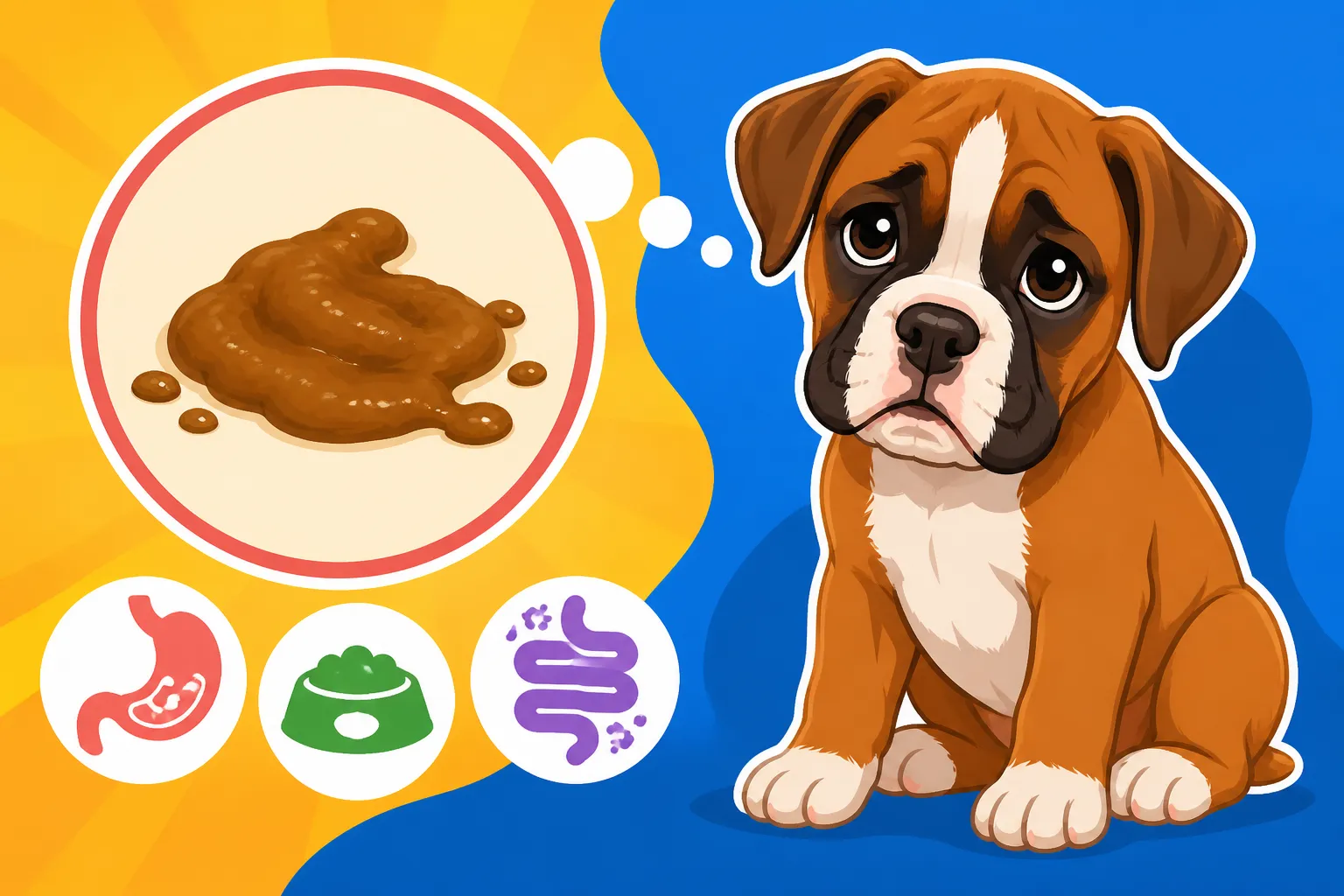
One of the most common and truly frustrating issues many new Boxer puppy owners face is the mystery of never-quite-firm stools. You feed them, you play with them, you scoop countless piles of soft, mushy, sometimes even runny poop, and you find yourself constantly asking: "Why won't my Boxer puppy's stools ever firm up?!" It's disheartening when you’re doing everything you think is right, and it feels like your pup’s digestive system is on a permanent rollercoaster. This guide is here to walk you through the various culprits, help you understand what might be happening, and give you actionable steps to finally achieve those perfectly firm, healthy stools.
Common Dietary Culprits Behind Soft Stools
When your Boxer puppy's stools refuse to firm up, the very first place most owners look (and rightly so!) is their food bowl. It's often the simplest place to start troubleshooting, and frequently, a few adjustments here can make all the difference. Remember, a Boxer puppy's digestive system is still developing, making it particularly sensitive to various factors in their diet.
Overfeeding and Digestive Overload
It's so easy to accidentally overfeed a growing, hungry Boxer puppy. They often act like they're starving, begging for more, and it's hard to resist those big, soulful eyes. However, giving them too much food, even if it's high-quality kibble, can overwhelm their young digestive system. When the gut is presented with more food than it can efficiently process, it rushes things through, leading to soft, unformed stools. Think of it like a clogged drain – too much going in too fast, and things just back up or overflow.
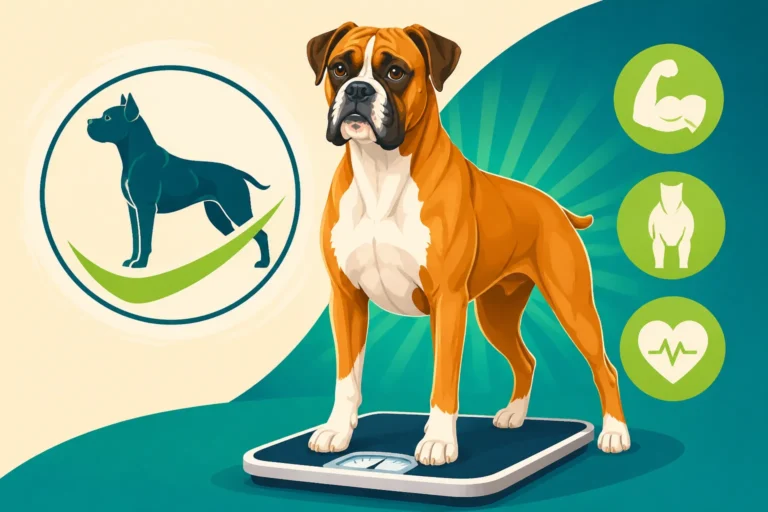
This isn't just about quantity per meal, but also the total daily intake. Always consult the feeding guidelines on your puppy's food bag, but then use that as a starting point. Every puppy is an individual, and the amount listed is often for an "average" puppy. If your pup is less active, or just has a more sensitive system, they might need less. Watch your puppy's body condition – are they gaining weight too rapidly? Are their ribs easily felt but not seen? That's a good sign. If you suspect overfeeding, try reducing their daily ration by 10-15% and see if stool consistency improves over a few days. It might feel counterintuitive, but sometimes less is truly more when it comes to puppy digestion. Splitting meals into three or even four smaller servings throughout the day can also help the gut process food more efficiently, reducing the load at any one time. This is also why many Boxer owners advocate for Feeding a Boxer Twice a Day or more frequently, rather than just one large meal.
Sudden Food Changes or Low-Quality Kibble
A sudden switch in diet is almost guaranteed to cause an upset stomach in a puppy, let alone a breed known for sensitive guts like the Boxer. Even moving from one brand of "chicken and rice" to another can be enough to trigger a bout of diarrhea or consistently soft stools because the ingredient ratios, protein sources, and fiber content might be drastically different. If you've recently changed your puppy's food, try slowly transitioning back to the old food, or introduce the new food gradually over 7-10 days by mixing increasing amounts with the old kibble.
Furthermore, not all puppy foods are created equal. Some lower-quality kibbles contain excessive fillers, artificial ingredients, or ingredients that are simply hard for a young Boxer to digest. Look for foods with a named meat source (e.g., "chicken meal" rather than "meat meal") as the first ingredient, and avoid foods with a long list of unidentifiable additives. High-quality puppy food from reputable brands like Royal Canin, Purina Pro Plan, or Hill's Science Diet are often formulated with a Boxer's sensitive digestion in mind. If you’re getting supplies online, a vendor like Chewy often has a wide selection and detailed ingredient lists to compare.
Treats and Human Food Overload
Oh, those treats! It’s almost impossible not to shower your adorable Boxer puppy with little rewards and tasty tidbits. But remember, every single treat, chew, or morsel of human food adds to the digestive burden. Even small amounts of rich human food, fatty table scraps, or too many high-value training treats can throw a sensitive puppy gut completely out of whack. Many owners don't realize that their diligent efforts with a good quality kibble are being undermined by generous treat allowances.
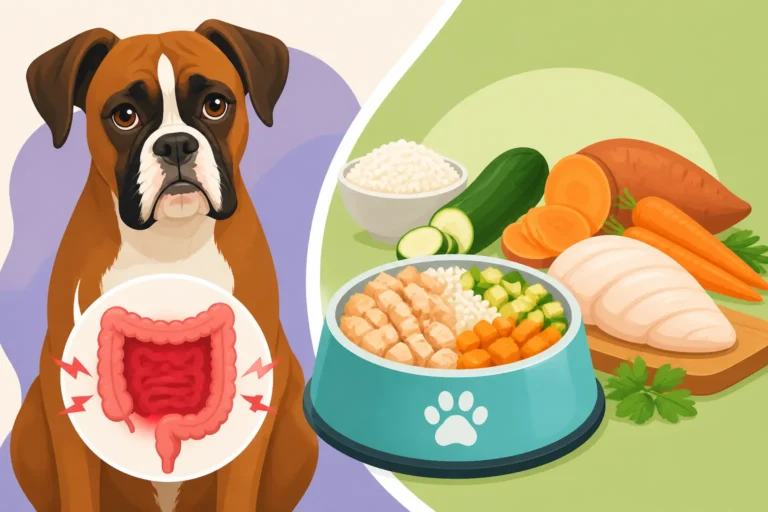
Consider the calorie and fat content of the treats you're giving. Are they appropriate for a puppy? Are you giving too many throughout the day? If your puppy’s stools are chronically soft, try eliminating all treats and human food for a few days, feeding only their regular kibble. If the stools firm up, you've found your culprit! Then, you can slowly reintroduce single-ingredient, bland treats (like small pieces of boiled chicken or specific puppy training treats) one at a time to identify any sensitivities. Even seemingly harmless things like dental chews can cause issues if given too frequently or if your pup has an intolerance to an ingredient.
Parasites and Infections: Hidden Threats to Firm Stools
Sometimes, it's not about what your Boxer puppy is eating, but who else is eating it! Parasites and bacterial infections are incredibly common in puppies, especially those who spend time in social environments like kennels, shelters, or even just public parks. Their immune systems are still developing, leaving them more vulnerable.
Giardia and Coccidia
These are two of the most common microscopic parasites that wreak havoc on a puppy's digestive tract. They are not worms, so a standard deworming might not touch them.
- Giardia: This little troublemaker lives in the intestines and often causes foul-smelling, greasy, soft stools, sometimes with mucus, or even explosive diarrhea. Puppies pick it up from contaminated water, soil, or by ingesting cysts from infected stool. It's incredibly common and surprisingly resilient.
- Coccidia: Another microscopic bug, Coccidia targets the intestinal lining and can cause watery, often bloody diarrhea, straining, and dehydration. It’s also spread through contact with infected feces or contaminated environments.
Both Giardia and Coccidia are diagnosed through a fecal test performed by your vet. If your Boxer puppy has persistent soft stools despite dietary adjustments, a trip to the vet with a fresh stool sample is absolutely essential. Don't wait, because these infections can lead to dehydration and malnutrition, especially in young pups. You might want to read our article on Giardia Against Colitis in a Boxer for more in-depth information on how these differ.
Bacterial Overgrowth and Imbalances
Just like humans, dogs have a delicate balance of "good" and "bad" bacteria in their gut. When this balance is disrupted, bad bacteria can proliferate, leading to inflammation and soft stools. This can happen for many reasons:
- Stress: As we'll discuss, stress impacts gut flora.
- Antibiotics: While sometimes necessary, antibiotics can wipe out good bacteria along with the bad, leading to temporary digestive upset.
- Dietary Changes: A sudden switch in food can change the pH and environment of the gut, favoring certain bacteria.
- Scavenging: Eating something questionable outside can introduce new, harmful bacteria.
If your vet suspects a bacterial imbalance, they might prescribe a course of antibiotics or recommend probiotics. Probiotics introduce beneficial bacteria to the gut, helping to restore balance. There are many excellent veterinary-specific probiotic supplements available, often found at pet stores or online at places like Amazon. Ask your vet for a recommendation suitable for your Boxer's needs. Adding a high-quality probiotic can be a game-changer for some puppies struggling with chronic soft stools. Check out Probiotics for a Boxer After Antibiotics for more details on how to support your dog's gut after medication.
Other Parasites and Worms
While Giardia and Coccidia are microscopic, common intestinal worms can also contribute to soft stools, discomfort, and even malnutrition. Roundworms, hookworms, and whipworms are particularly prevalent in puppies. Most puppies are born with roundworms or acquire them from their mother's milk, which is why regular deworming protocols are so crucial.
Symptoms of a worm infestation can include:
- Pot-bellied appearance
- Dull coat
- Vomiting
- Diarrhea/soft stools
- Visible worms in stool or vomit (though often you won't see them)
- Weight loss or failure to gain weight
Even if your puppy was dewormed by the breeder, re-infestation is possible, especially if they spend time outdoors or in areas where other dogs defecate. Regular vet check-ups, including fecal examinations, are the best way to catch and treat these issues promptly. It’s an ongoing process as a puppy grows, and it's a vital part of preventative care.
Stress and Environmental Factors Impacting Digestion
We often think of physical causes for digestive issues, but a Boxer puppy's emotional state and environment play a huge role in their gut health. These sensitive, intelligent dogs can be profoundly affected by stress, and that stress often manifests in their stool.
The Impact of a New Home
Bringing a new Boxer puppy home is an exciting, joyous time, but for the puppy, it's a monumental change! They've been removed from their mother and littermates, placed in a strange new environment with unfamiliar sights, sounds, and smells. This can be incredibly stressful, even for the most outgoing pup.
Stress hormones can directly impact gut motility and absorption, leading to soft stools or diarrhea. It's not uncommon for puppies to have loose stools for the first few days or even weeks after coming home. It’s a normal physiological response to an abnormal situation. Your role is to minimize other stressors and create a calm, predictable environment. Provide a safe, quiet space (like a crate, which is so important for Boxers, as discussed in Why a Boxer Needs a Crate More Than Most), stick to a consistent routine, and avoid overwhelming them with too many new experiences or people all at once. Gentle reassurance and a predictable schedule can do wonders for a settling puppy's digestion.
Changes in Routine and Social Environment
Boxers thrive on routine and stability. Any significant disruption can cause anxiety, which, in turn, can upset their digestive system. This could be something as simple as:
- A change in your work schedule, leading to different feeding or potty times.
- Having new visitors in the house.
- Moving furniture around.
- A different person caring for them (e.g., when you go away).
- Even loud noises like thunderstorms or fireworks can cause enough stress to manifest as loose stools.
Puppies, especially young Boxers, are also navigating a complex social world. Separating from littermates and then learning to interact with human family members and other pets can be a lot. If your puppy is struggling with A Boxer Puppy That Cries Through the Night or exhibiting other signs of separation anxiety when left alone, it can certainly contribute to ongoing digestive upset. Ensuring they feel secure and have appropriate outlets for their energy and social needs can help.
Over-stimulation and Lack of Rest
Boxer puppies are bundles of boundless energy, always ready to play. However, just like human toddlers, they need a lot of rest. An over-stimulated or overtired puppy can become stressed, leading to physical symptoms like loose stools. If your pup is constantly "on the go," with endless play sessions, constant new experiences, or not enough quiet time in their crate, their system might be in overdrive.
Ensure your Boxer puppy has plenty of opportunities for undisturbed naps throughout the day. A quiet, dark crate can be a sanctuary. While it's important for Socializing a Boxer Puppy Before Sixteen Weeks, it's also crucial not to overdo it. A balance of mental stimulation, physical exercise, and adequate rest is key to both their behavioral and digestive health. Sometimes, simply ensuring they get enough quality sleep can firm up those stubborn stools.
Underlying Health Issues: When to Seek Veterinary Help
While dietary tweaks and addressing stress can resolve many cases of soft stools, sometimes the issue points to something more serious that requires veterinary intervention. It's important not to dismiss persistent digestive upset, as it could be a symptom of an underlying health condition.
Food Sensitivities and Allergies
Boxers are a breed known for their sensitive skin and sometimes, their sensitive stomachs. Just like people, dogs can develop sensitivities or allergies to certain ingredients in their food. Common culprits include:
- Chicken
- Beef
- Dairy
- Wheat
- Soy
A true food allergy typically involves an immune response and can manifest as itchy skin, ear infections, and gastrointestinal upset (vomiting, diarrhea, soft stools). A food sensitivity is less severe but still causes digestive distress. If you've tried all the common fixes and your Boxer puppy's stools are still soft, your vet might recommend a food elimination trial. This involves feeding a novel protein or hydrolyzed protein diet for a strict period (typically 8-12 weeks) to see if symptoms resolve. Brands like Royal Canin and Hill's offer prescription diets specifically for this purpose, which you can often find through your vet or order online from retailers like Chewy with a vet's authorization. Eight Weeks of One Protein for an Itchy Boxer is a great resource if you're considering this path.
Inflammatory Bowel Disease (IBD)
While more common in adult dogs, IBD can sometimes manifest in younger Boxers. IBD is a chronic condition where the gastrointestinal tract becomes inflamed, leading to persistent vomiting, diarrhea, weight loss, and of course, chronic soft stools. It’s an idiopathic condition, meaning the exact cause is often unknown, but it involves an abnormal immune response within the gut.
Diagnosis usually involves ruling out other causes and sometimes requires biopsies of the intestinal lining. Treatment often involves dietary management (special prescription diets), medications to reduce inflammation (like corticosteroids), and probiotics. Living with a Boxer that has IBD can be challenging, but with proper veterinary care, many dogs can lead comfortable lives. You might find our article Diet Changes for a Boxer With Colitis helpful, as the principles of managing inflammation are similar.
Exocrine Pancreatic Insufficiency (EPI)
EPI is a condition where the pancreas doesn't produce enough digestive enzymes needed to break down food. Without these enzymes, food passes through the digestive tract largely undigested, leading to a classic set of symptoms:
- Chronic diarrhea or greasy, voluminous, soft stools
- Significant weight loss despite a ravenous appetite
- Poor coat quality
- Flatulence
EPI is diagnosed with a simple blood test. If your Boxer puppy is eating well but still losing weight and has chronic soft stools, EPI should be on your vet's list of differential diagnoses. Treatment involves supplementing pancreatic enzymes with every meal, which dramatically improves digestion and stool quality. It's a lifelong condition, but highly manageable.
Other Medical Conditions
Less commonly, persistent soft stools can be a symptom of other medical issues, such as:
- Kidney or Liver Disease: While rare in puppies, these can affect overall health and digestion.
- Thyroid Issues: Hypothyroidism can impact metabolism and gut function, leading to a variety of symptoms including digestive upset.
- Certain Cancers: Again, rare in puppies, but possible in older dogs. The Age Boxer Cancer Usually Appears discusses this in more detail.
It's crucial to work closely with your veterinarian if your Boxer puppy's stools don't firm up with basic interventions. They can perform diagnostic tests, offer targeted treatments, and guide you through the process of getting your puppy healthy and comfortable.
Troubleshooting Table for Soft Boxer Puppy Stools
To help you organize your thoughts and actions, here's a quick reference table for common causes of soft stools and recommended next steps.
| Cause | Common Symptoms | Immediate Action | When to See a Vet |
|---|---|---|---|
| Overfeeding | Large volume of soft stool, rapid weight gain, occasional vomiting | Reduce food intake by 10-15%, split into smaller meals | If no improvement, or signs of discomfort/pain. |
| Sudden Food Change | Diarrhea or very soft stool shortly after switching food | Slowly reintroduce old food or transition gradually | If diarrhea persists for more than 24-48 hours. |
| Too Many Treats/Human Food | Intermittent soft stools, especially after treat time | Eliminate all treats/human food for a few days | If stools don't firm up after eliminating treats. |
| Giardia/Coccidia | Foul-smelling, greasy, mushy stool; mucus; straining; weight loss | Collect fresh stool sample | Immediately for diagnosis and medication. |
| Intestinal Worms | Pot-belly, dull coat, vomiting, visible worms (sometimes) | Continue regular deworming schedule | If suspected, for diagnosis and appropriate dewormer. |
| Bacterial Imbalance | Variable soft stool, sometimes gassy, general GI upset | Bland diet, consider vet-approved probiotics | If persistent or worsening, to identify specific bacteria. |
| Stress/Anxiety | Soft stools during/after stressful events, other anxiety signs | Provide calm environment, stick to routine, reduce stimulation | If anxiety is severe or stools don't improve with reduced stress. |
| Food Sensitivity/Allergy | Chronic soft stools, itchy skin, ear infections | Consider a limited ingredient diet trial (vet-guided) | Always with vet guidance for diagnosis and management. |
| IBD/EPI/Other Medical | Chronic, severe diarrhea, weight loss, poor appetite | Vet visit for comprehensive diagnostics | Immediately if these symptoms are present. |
Final Thoughts on Firming Up Your Boxer Puppy's Stools
Dealing with persistent soft stools in a Boxer puppy can feel like an endless battle, and it's completely normal to feel frustrated or worried. But remember, you're not alone, and there are almost always solutions. The key is to be systematic in your approach: start with the easiest, most common culprits (diet and routine), and then work your way up to seeking professional veterinary help if the problem persists.
Keep a detailed log of your puppy's food, treats, activities, and stool consistency. This information will be invaluable for your vet. Be patient, be observant, and don't hesitate to reach out to your veterinarian. With a little detective work and the right support, your Boxer puppy will soon be producing those firm, healthy stools that bring peace of mind to every Boxer owner.
Disclaimer
This article is for general informational purposes only and does not constitute professional advice. Laws, prices and regulations vary by location and change over time. Consult a qualified professional for guidance on your specific situation.