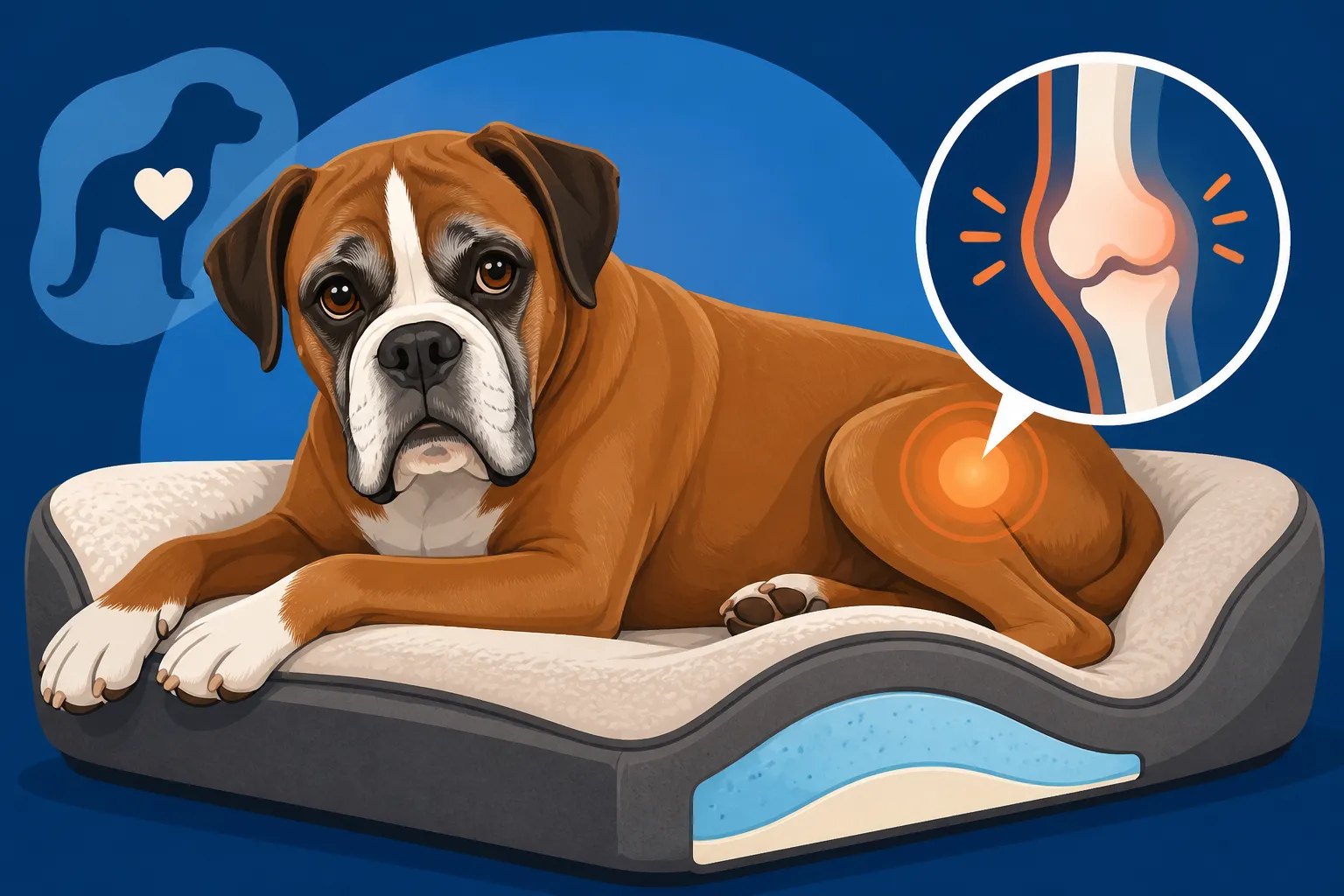
Bedding for an Old Boxer’s Joints
Watching your beloved Boxer begin to slow down is one of the hardest parts of having them in your life, especially when you know their joints are starting to ache. They used to leap off the couch with boundless energy, but now every rise and fall is a slow, deliberate effort. Finding the right bedding isn't just about comfort; it's about providing crucial support to ease their pain, protect their weary joints, and give them the restorative sleep they desperately need. This guide will walk you through exactly what to look for, why it matters, and how to choose the perfect haven for your aging canine companion.
Why Your Senior Boxer Needs More Than a Regular Dog Bed
As Boxers age, their bodies, once coiled springs of muscle and energy, inevitably start to show the wear and tear of a lifetime of enthusiastic living. What might have been a comfortable cushion for a young, spry Boxer can become a source of discomfort and even pain for an older dog struggling with aching joints. It's a harsh reality that many of us face, watching our athletic companions transform, and it often means re-evaluating everything from their exercise routine to where they lay their head at night.
The Specific Joint Challenges Boxers Face
Boxers are magnificent dogs, known for their powerful build and boundless zest for life. However, these very traits, combined with their genetics, can predispose them to certain joint issues that become more pronounced with age. We often talk about conditions like hip dysplasia, where the hip joint doesn't form correctly, leading to painful friction and arthritis over time. Then there's degenerative myelopathy (DM), a cruel neurological disease that often mimics hip problems, causing progressive weakness and paralysis in the hindquarters. Even common arthritis, which affects almost all older dogs, hits Boxers particularly hard due to their substantial weight and active history. Imagine trying to get comfortable with aching knees or a stiff back on a thin mat; that's what many older Boxers experience daily. Without proper support, every hour spent sleeping on an inadequate surface only contributes to inflammation and discomfort, making it harder for them to move when they finally wake up. This is why paying close attention to Arthritis in an Older Boxer is so important.
How Standard Beds Fall Short
Most standard dog beds, even those marketed as plush or comfortable, simply don't offer the structural support necessary for a heavy, aging Boxer. Think about it: many are filled with polyester fiberfill, cedar chips, or chopped foam. While these might feel soft initially, they quickly compress under the weight of a seventy-pound (or more!) Boxer. Instead of cushioning, they create pressure points where your Boxer's bony prominences — like hips, elbows, and shoulders — press directly against the hard floor beneath. This lack of elevation and firm, even support leads to restless nights, constant shifting, and a dog that wakes up stiff and sore. It’s not uncommon to see an older Boxer circle repeatedly before lying down, almost as if trying to "dig" a comfortable spot, only to sigh heavily and get up again a short while later. Their bodies are screaming for proper alignment and pressure relief, which a flimsy bed just can't provide.
The Impact of Poor Sleep on an Older Boxer
Just like humans, quality sleep is absolutely vital for an older Boxer's overall health and well-being. When they can't get comfortable, they're constantly interrupted, leading to fragmented sleep. This isn't just about them being tired; poor sleep can exacerbate pain, reduce mobility, weaken their immune system, and even impact their mood and cognitive function. A Boxer who is constantly uncomfortable might become more irritable, less engaged, or even show signs of anxiety. We want our Boxers to enjoy their golden years, to still have moments of joy and comfort, and deep, restorative sleep is a cornerstone of that. If your Boxer is struggling to settle, or is noticeably stiffer in the mornings, it's a huge sign that their current sleeping arrangements aren't serving them anymore. Caring for a Boxer Past Eight involves considering all these factors.
What to Look for in a Truly Orthopedic Boxer Bed
When you're shopping for an orthopedic bed, it's easy to get overwhelmed by all the options and marketing jargon. But for an aging Boxer, "orthopedic" isn't just a buzzword; it's a critical feature that can significantly impact their daily comfort and long-term joint health. The key lies in understanding the materials and construction that truly provide therapeutic support.
The Magic of High-Quality Memory Foam
The gold standard for orthopedic pet beds is high-density, supportive memory foam. But not all memory foam is created equal. You're looking for dense, furniture-grade foam, not the cheap, shredded bits you might find in some budget beds. This type of foam conforms to your Boxer's unique body shape, distributing their weight evenly and eliminating pressure points. Imagine your Boxer sinking just slightly into the bed, with the foam cradling their joints rather than allowing them to bottom out. This even distribution of weight reduces strain on their hips, spine, and elbows.
Often, the best orthopedic beds will feature a multi-layer design: a firm, foundational layer of support foam topped with a softer, conforming layer of memory foam. This combination provides both stability and plush comfort. It's the difference between sleeping on a cloud that still offers excellent lumbar support and sinking into a shapeless beanbag. Brands like those you might find on Chewy or Amazon often specify the density and layers, which is a good indicator of quality. Don't be shy about checking reviews from other large dog owners to see how the bed holds up over time under significant weight.
Support Features Beyond Just Foam
While memory foam is crucial, other design elements can amplify the bed's effectiveness.
- Bolsters: Many Boxers love to lean, rest their heads, or curl up against something. Beds with integrated bolsters (padded raised edges) offer a sense of security and a comfortable headrest, supporting their neck and spine. These can be particularly appealing if your Boxer is a natural "curler" or enjoys propping their head up to survey their surroundings. However, make sure the bolster doesn't take up too much of the main sleeping surface, especially for a large Boxer who needs to stretch out comfortably.
- Edge Support: A truly supportive orthopedic bed won't sag around the edges. This is important for a Boxer who might struggle to get up. If the edges collapse when they try to push off, it makes the act of rising even more difficult and potentially painful. Look for beds with reinforced edges or a consistently firm foam core that extends to the perimeter.
- Temperature Regulation: Some memory foams can retain body heat, which might be uncomfortable for a Boxer, especially those prone to overheating due to their brachycephalic (flat-faced) nature. Look for beds with gel-infused memory foam, open-cell foam, or breathable covers that help dissipate heat. Keeping them cool is part of providing overall comfort.
Finding the Right Size and Shape for a Boxer
The size of the bed is non-negotiable for a Boxer. They need space to stretch out fully without hanging off the edges. A bed that's too small forces them into cramped positions, negating the benefits of the orthopedic support.
- Measurements Matter: Measure your Boxer from nose to tail while they are fully stretched out, and then add at least 6-12 inches to that length. Do the same for width. They should be able to sprawl in any direction. Remember, Boxers are substantial dogs, often reaching 60-80 pounds or more, and they take up a lot of real estate, even when curled.
- Rectangle vs. Round: Rectangular beds are generally better for Boxers as they allow for full extension, which is important for spinal alignment. Round beds might work for a very curled sleeper, but most Boxers prefer to stretch out, especially when their joints are stiff.
- Bed Height: Consider the height of the bed itself. An elevated bed might be beneficial for Boxers who struggle to get up from a low surface, or it could provide extra airflow for cooling. However, ensure it's not so high that jumping on and off becomes a risk for strained joints. Ramps for accessing elevated beds, or even the human bed, can be a godsend for dogs with Degenerative Myelopathy in an Older Boxer or severe arthritis.
Here's a quick comparison of common orthopedic bed features:
| Feature | Description | Benefits for Older Boxers | Considerations |
|---|---|---|---|
| High-Density Memory Foam | Conforms to body, provides even pressure distribution. | Eliminates pressure points, supports aching joints, promotes alignment. | Can retain heat (look for gel-infused), initial off-gassing possible. |
| Multi-Layer Foam | Base layer for support, top layer for comfort/contouring. | Enhanced support and comfort, prevents "bottoming out." | Heavier and more expensive than single-layer options. |
| Bolsters (Raised Edges) | Padded sides for leaning or headrest. | Sense of security, head/neck support, comfortable resting spot. | Can reduce overall sleeping surface if not properly sized. |
| Removable, Washable Cover | Zipped cover that can be machine washed. | Essential for hygiene, managing accidents, and keeping fresh. | Check material for durability and ease of washing. |
| Waterproof Liner | Protects foam core from accidents and moisture. | Extends bed life, crucial for incontinent or senior dogs. | May add slight crinkle noise; ensure it's breathable. |
| Non-Skid Bottom | Prevents bed from sliding on hard floors. | Safety for dogs with mobility issues, prevents falls when getting up. | Ensure material is truly non-slip, not just textured. |
| Cooling Features | Gel-infused foam, breathable covers, elevated designs. | Prevents overheating, crucial for brachycephalic Boxers. | Can be more expensive; may not be necessary in cooler climates. |
Practical Considerations for Choosing and Maintaining the Best Bed
Investing in a high-quality orthopedic bed is a significant step towards improving your older Boxer's quality of life. But the job isn't done once you've picked the perfect model. Thinking about durability, placement, and even when to upgrade again will ensure your Boxer gets the most out of their new comfort zone.
Durability and Easy Cleaning for Everyday Life
Let's be real: Boxers are not always the cleanest, and older Boxers can sometimes have accidents. That's why the cover material and construction are just as important as the foam inside.
- Washable Covers are a Must: Look for beds with durable, removable, and machine-washable covers. Accidents happen, and being able to easily strip and wash the cover is a lifesaver. Some covers are made with tough, furniture-grade fabrics that resist tearing and stand up to frequent washing. A common frustration is when a cover shrinks or is impossible to get back on once washed. Read reviews carefully to avoid this headache. Brands on Chewy often have detailed descriptions of fabric durability and washing instructions.
- Waterproof Liners: Your Best Friend: Consider a bed with an internal waterproof liner that encases the foam core. This provides an extra layer of protection against accidents, drool, or spills, preserving the integrity and hygiene of the expensive memory foam. It means that even if the outer cover is soiled, the foam itself remains clean and dry, prolonging the bed's lifespan.
- Reinforced Seams and Zippers: Boxers, even older ones, can still be prone to "nesting" or digging. Look for beds with strong, reinforced seams and sturdy, hidden zippers that won't easily break or become chew toys. You want a bed that can withstand years of a seventy-pound dog getting on and off it multiple times a day.
Strategic Placement for Maximum Comfort
Where you place your Boxer's bed can make a big difference in how much they use and benefit from it.
- Quiet, Draft-Free Zone: Choose a spot that is relatively quiet and away from high-traffic areas of the house. Older dogs need undisturbed rest. Also, avoid placing the bed in drafty spots, as cold floors or drafts can exacerbate joint stiffness.
- Accessibility: Ensure the bed is easy for your Boxer to access without having to navigate stairs or slippery floors. If they have Spondylosis on a Boxer's X-Ray or severe arthritis, even a slight incline can be challenging.
- Multiple Beds for Multiple Spots: Many older Boxers appreciate having more than one comfortable spot in the house. Perhaps one in the living room where they can be near family, and another in the bedroom for night-time sleeping. This allows them to choose where they are most comfortable at different times of the day without having to trek far on aching legs. You might find great deals on a second bed or replacement covers through platforms like Amazon.
When to Consider an Elevated or Heated Option
Sometimes, a standard orthopedic foam bed isn't quite enough, especially if your Boxer's condition progresses or if you live in a particularly cold climate.
- Elevated Beds: An elevated bed (think a cot-style bed with a mesh or canvas sleeping surface) can offer excellent airflow, keeping your Boxer cool in warmer climates. Some orthopedic elevated beds also combine the cot design with a memory foam topper. They can also be easier for some Boxers to get onto and off of than beds directly on the floor. Just ensure the surface is taut and supportive, not saggy.
- Heated Beds: For Boxers suffering from severe arthritis or in colder environments, a heated bed can provide immense relief. The gentle warmth can soothe stiff joints, increase blood flow, and offer a cozy retreat. Look for beds with safe, low-voltage heating elements and automatic shut-offs. Always ensure the bed is specifically designed for pets and used according to manufacturer instructions to prevent any safety issues. This can be a game-changer on a chilly morning when their joints feel particularly stiff.
Beyond the Bed: Holistic Support for Your Boxer's Golden Years
While a great orthopedic bed is a cornerstone of comfort for an older Boxer, it's part of a larger picture of care that aims to keep them as happy and mobile as possible in their senior years. Supporting their joints and overall well-being goes beyond just where they sleep.
Complementary Comfort Aids
Think about all the ways your Boxer interacts with their environment, and identify areas where they might struggle.
- Ramps and Stairs: If your Boxer still loves to be on the couch or bed with you, but jumping is becoming too painful or risky, invest in a sturdy ramp or set of pet stairs. This small change can prevent injuries and allow them to continue enjoying those cherished snuggle times without pain or struggle. Look for options with good grip and a gentle incline.
- Non-Slip Rugs and Runners: Slippery hardwood or tile floors can be incredibly challenging and dangerous for an older Boxer with compromised mobility. Their legs can splay out, leading to falls and exacerbating joint pain. Lay down non-slip rugs or runners in high-traffic areas, especially where they get up from their bed or eat their meals. This gives them much-needed traction and confidence.
- Harnesses with Handles: For Boxers with significant hindquarter weakness, a lifting harness with a handle over their hips can be invaluable. It allows you to provide gentle support when they need to get up, go outside, or navigate stairs, taking pressure off their aching joints. It can truly extend their independence and mobility.
The Role of Diet and Supplements
While this article is all about bedding, we can't ignore the foundational role of diet and appropriate supplements in joint health. A well-balanced diet that helps maintain a lean body weight is crucial, as excess weight puts enormous strain on already compromised joints. Talk to your vet about appropriate senior dog foods, which are often lower in calories but still provide essential nutrients. Feeding an Old Boxer Less might be necessary if they are gaining weight due to reduced activity.
Furthermore, many older Boxers benefit from joint supplements containing ingredients like glucosamine, chondroitin, MSM, and omega-3 fatty acids (fish oil). These can help reduce inflammation, support cartilage health, and provide some pain relief. Always consult your veterinarian before starting any new supplements to ensure they are appropriate for your Boxer's specific health needs and won't interact with any existing medications. They can recommend specific brands and dosages that are effective and safe.
Recognizing When It's Time for a Change
Even with the best orthopedic bed, your Boxer's needs might change over time. Pay close attention to their behavior:
- Are they still struggling to get comfortable, even on their new bed?
- Are they exhibiting new signs of pain or stiffness?
- Are they avoiding their bed altogether, perhaps preferring a colder, harder floor? (Sometimes, an older Boxer might seek out a cool, hard surface if they are overheating, even if their joints are sore. This is where cooling features in a bed become important.)
- Has their incontinence increased, making it harder to keep the bed clean and dry despite protective measures?
These are all signals that it might be time to reassess their current bedding situation or, more importantly, schedule a visit with your veterinarian. They can evaluate your Boxer's pain management plan, adjust medications, or suggest other therapeutic interventions to ensure their comfort. Ultimately, our goal is to give our cherished Boxers the most comfortable, pain-free, and dignified golden years possible, and that begins with understanding and responding to their evolving needs, from their food bowl to their very own comfortable bed.
Disclaimer
This article is for general informational purposes only and does not constitute professional advice. Laws, prices and regulations vary by location and change over time. Consult a qualified professional for guidance on your specific situation.