Why the Boxer Was Given a Turned-Up Muzzle
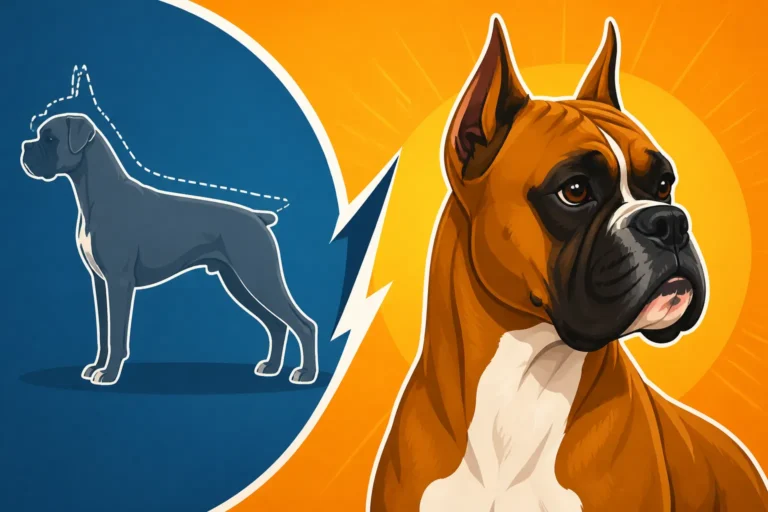
Many Boxer owners look at their beloved dog's distinctive face — that pushed-in, slightly turned-up muzzle with the prominent undershot jaw — and wonder, "Why on earth does it look like that?" It’s certainly unique, and while it gives them their endearing, often goofy expression, it can also lead to health concerns that frustrate and worry dedicated pet parents. This guide will delve deep into the historical origins and functional purpose behind the Boxer's iconic muzzle, explaining how it came to be and what it means for your dog today.
Understanding the Boxer's Ancestry and Purpose
To truly appreciate the Boxer's muzzle, we need to take a journey back in time, long before they were the beloved family companions we know today. Their unique facial structure isn't just a quirk of breeding; it's a testament to a very specific and demanding working history. Without understanding where they came from, it’s impossible to grasp the “why” of their distinctive looks.
The Bullenbeisser: A Glimpse into the Past
The Boxer's most direct ancestor was the Bullenbeisser, a powerful German dog whose name literally translates to "bull biter." These were not house pets; they were formidable working dogs, bred for a purpose that modern sensibilities might find difficult to imagine: hunting and holding large, dangerous game. Picture a dense European forest, centuries ago, where wild boar and even small bears roamed. Hunters needed dogs capable of not just tracking these animals, but of engaging them in a physical struggle and holding them down until the hunter could arrive to dispatch the prey.
The Bullenbeisser excelled at this. Its entire physique, from its muscular body to its powerful jaws, was engineered for this precise, brutal task. When these dogs engaged a large animal, they needed to clamp down with incredible force and maintain that grip, often on the throat or ear of their prey, for extended periods. This wasn't about a quick bite and release; it was about immobilization. The dog's life, and the success of the hunt, depended on this unwavering hold, and the anatomy of its mouth was crucial to this.
Evolution of the Catch Dog Role
The Bullenbeisser's role as a "catch dog" was pivotal in its development. A catch dog's job was distinct from a tracking dog or a baying dog. While other dogs might chase or bark to corner an animal, the catch dog physically subdued it. Imagine the immense pressure on a dog's respiratory system when it has its jaws locked onto a struggling, powerful animal. If its muzzle were shaped like a typical dog's, with the nostrils at the very front, maintaining a grip would be a constant battle between holding on and breathing.
This is where the unique muzzle design became a life-saving adaptation. With its turned-up nose and undershot jaw, the Bullenbeisser could maintain a suffocating grip on its prey while still having an unobstructed airway. Its nostrils, set further back and angled upwards, allowed it to draw breath even as its lower jaw was deeply embedded in the flesh of a boar. This design meant the dog could literally breathe around its work, a critical advantage that allowed it to perform its duty without letting go, ensuring the hunter had time to make their move. Without this ability, the dog would either be forced to release its grip to gasp for air, allowing the dangerous prey to escape, or it would suffocate itself.
The Influence of the Old English Bulldog
As the Bullenbeisser stock was refined and bred, another influential breed was introduced into the mix: the Old English Bulldog. These dogs, too, had a history of working with large, powerful animals, often in activities like bull-baiting, which required incredible tenacity and a specific jaw structure. The Bulldog contributed significantly to the Boxer's characteristic short, broad, and powerful muzzle, as well as the pronounced undershot jaw.
The Bulldog's genetic input reinforced the traits already present in the Bullenbeisser that made it so effective at gripping. The wider jaw provided more surface area for biting, and the sturdy bone structure offered greater leverage and crushing power. This crossbreeding created a dog that was not only incredibly strong but possessed an even more refined and effective bite mechanism for holding firmly onto prey. It cemented the look of the Boxer's head as we recognize it today, a blend of power, strength, and that distinctive respiratory advantage.
The Mechanics of the Turned-Up Muzzle
The Boxer's facial features are far from accidental; they are a masterpiece of functional design, honed over generations for a specific, demanding task. Every curve, every angle of that muzzle, played a role in its ancestors' survival and success in the hunt. Understanding these mechanics helps us appreciate the breed's origins, even if the work itself is a distant memory.
The Undershot Jaw Explained
One of the most defining characteristics of the Boxer's muzzle is its pronounced undershot jaw. This means that when the mouth is closed, the lower jaw extends beyond the upper jaw, and the lower teeth protrude in front of the upper teeth. It's a striking feature that is an integral part of the breed standard. But it's not just for show; this unique bite configuration has a very practical origin.
Unlike a scissors bite, where the upper teeth slightly overlap the lower teeth, or a level bite where they meet edge-to-edge, the undershot jaw creates a powerful, vise-like grip. When a Boxer's ancestors clamped down on something large and struggling, this forward projection of the lower jaw provided maximum purchase and prevented the dog from losing its grip easily. It allowed the dog to maintain a deep, secure hold, locking onto its target rather than sliding off. You can learn more about this in What an Undershot Boxer Bite Means.
Breathing While Holding Prey
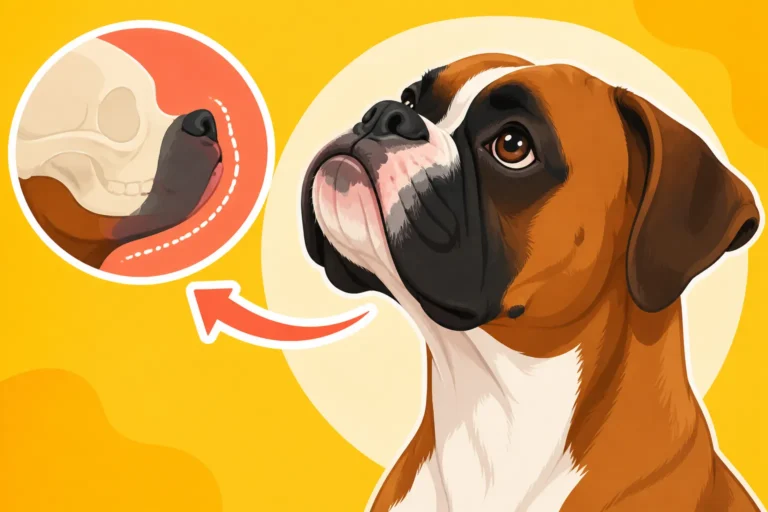
Here is the absolute core reason for the turned-up muzzle: efficient breathing while engaged in a fight. Imagine a Bullenbeisser or early Boxer with its powerful jaws clamped onto a wild boar. With a typical dog's muzzle, where the nose is at the very front and points forward, that position would block the nostrils completely, effectively cutting off the dog's air supply. The dog would be forced to release its grip, even briefly, just to take a breath. This moment of release could be fatal in a struggle with a dangerous animal.
The Boxer's turned-up muzzle solves this problem ingeniously. The nose leather is set high on the face and curves upwards, rather than extending straight out. This anatomical arrangement means that even when the lower jaw is deeply engaged and holding fast, the nostrils remain clear and open, positioned well above the point of contact. This allowed the dog to breathe freely and continuously through its nose, sustaining its effort and maintaining its iron grip for as long as necessary. It was a crucial adaptation that literally allowed them to breathe around their work, making them incredibly effective and tenacious catch dogs.
Grip Strength and Jaw Structure
The combination of the undershot jaw and the turned-up muzzle isn't just about breathing; it's also about optimizing grip strength and leverage. The broadness of the Boxer's muzzle, coupled with the powerful musculature in its cheeks and jaw, creates a formidable biting apparatus. The structure of the skull itself, with a strong, wide base, supports these powerful muscles.
The way the lower jaw projects forward allows the dog to apply immense pressure with its molars and canines, capable of sustaining a deep, crushing hold. The wide set of the teeth, especially in the front, provided a large surface area for gripping, making it harder for prey to slip free. This design was specifically developed to hold a large, struggling animal by its toughest parts, like the hide or gristle, without slippage. The phrase Why Boxer Ancestors Needed a Wide Grip truly describes this necessity for their survival and success. This unique jaw structure made the Boxer's ancestors exceptionally good at their job, giving them an advantage that was indispensable in their harsh working environment.
From Working Dog to Modern Companion
While the Boxer’s distinctive muzzle was originally forged in the crucible of the hunt, its journey to becoming a beloved companion involved a fascinating evolution. The traits that made it an effective working dog were deliberately preserved by early breeders, transitioning from purely functional necessity to a defining characteristic of the breed's appearance.
Preservation of the Trait in the Breed Standard
As dog breeds transitioned from purely utilitarian roles to more formalized standards and show rings in the late 19th and early 20th centuries, the Boxer's unique muzzle was intentionally maintained. Early German breeders, notably Friedrich Robert, are credited with playing a pivotal role in shaping the Boxer into the breed we recognize today. These pioneers understood the historical significance and functional genius of the turned-up muzzle and undershot jaw. They ensured that these features were not only present but also specifically described and valued within the nascent breed standard.
The German Boxer Club, established in 1895, laid down the first official breed standard in 1902. This document meticulously detailed the ideal Boxer, emphasizing characteristics like the strong, broad head and the distinct undershot bite. This was a conscious decision to honor the breed's heritage, even as its working roles began to shift. The breeders believed that these physical traits were integral to the Boxer's identity and strength, and they sought to preserve them for future generations. For a deeper dive into the individuals who shaped the breed, consider Who Friedrich Robert Was in Boxer History.
Why the Undershot Jaw Persisted
The persistence of the undershot jaw and turned-up muzzle in the Boxer breed standard is a testament to both its historical function and its aesthetic appeal. Even as the need for dogs to physically hold wild boar diminished, these features became synonymous with the Boxer's powerful, noble, yet often comical expression. Breeders faced the challenge of maintaining "type"—adhering to the established look of the breed—while also ensuring the health and welfare of their dogs.
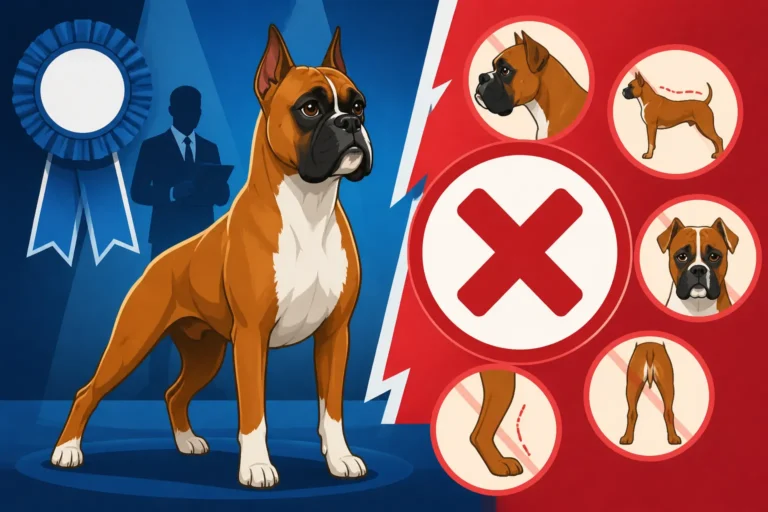
The undershot jaw, originally a tool for survival, became a hallmark of the breed. It contributed to the unique "Boxer look" that endeared the dogs to enthusiasts. The breed standard carefully describes the ideal head proportions, specifying the balance between muzzle and skull, and the precise degree of undershot jaw. Deviations from this standard could mean disqualification in the show ring, reinforcing its importance. This balance between form and function is key to understanding The Boxer Head the Standard Describes. The trait persisted because it was a fundamental part of what made a Boxer a Boxer, deeply embedded in its genetic blueprint and visual identity.
Modern Interpretations of the Muzzle
Today, the Boxer's muzzle still retains its signature turned-up quality and undershot jaw, but responsible breeding practices strive for a balance. While the historical function of gripping large game is no longer relevant, breeders aim to maintain the characteristic appearance without exaggerating it to the point of compromising the dog's health. The emphasis has shifted from a purely functional grip to an aesthetically pleasing and healthy representation of the breed standard.
There is an ongoing dialogue within the Boxer community and among breed clubs about what constitutes a healthy muzzle. While the distinctive appearance is cherished, breeders are acutely aware of the potential health issues associated with extreme brachycephaly (short-headedness). They work to produce dogs with correct head proportions that allow for clear breathing and proper dental alignment within the context of the undershot jaw. Prospective owners will notice that reputable breeders prioritize moderate features over extremes, ensuring that the unique Boxer face remains a source of charm, not a detriment to health.
Health Implications of the Brachycephalic Structure
While the Boxer's unique muzzle evolved for a practical purpose, its structure also brings with it certain health considerations in the modern world. Being a brachycephalic breed – meaning "short-headed" – comes with a set of challenges that responsible owners need to understand and manage to ensure their Boxer lives a comfortable and healthy life. These aren't necessarily "flaws," but rather consequences of a very specific anatomical design.
Understanding Brachycephalic Airway Syndrome (BAS)
One of the most significant health implications for Boxers due to their flattened face and turned-up muzzle is their susceptibility to Brachycephalic Airway Syndrome, often shortened to BAS. This isn't a single condition, but rather a collection of anatomical abnormalities that can obstruct the upper airway. These can include stenotic nares (narrow nostrils), an elongated soft palate (which can partially block the entrance to the trachea), and everted laryngeal saccules (tissue that gets pulled into the airway during strenuous breathing).
The practical reality of BAS for a Boxer can manifest as noisy breathing, especially when excited or exercising, ranging from snorting and snuffling to loud snoring during sleep. In more severe cases, Boxers may experience gagging, coughing, or even collapse due to lack of oxygen. It’s important to monitor your Boxer for signs of respiratory distress, as even mild cases can worsen over time or with exertion. A vet can diagnose BAS and discuss management options, which can range from lifestyle adjustments to surgical interventions. Snoring and Noisy Breathing in a Boxer often signals these underlying issues.
Managing Heat and Exercise
Another critical concern directly related to the Boxer's brachycephalic structure is its reduced ability to regulate body temperature, making them highly susceptible to overheating. Dogs primarily cool themselves through panting. A dog with a longer snout has a larger surface area in its nasal passages, which acts like a radiator, allowing for more efficient heat exchange as air passes over moist tissues. The Boxer's shortened and often convoluted nasal passages make this process far less effective.
This means Boxers struggle immensely in warm weather or during strenuous exercise. They simply cannot pant efficiently enough to dissipate heat quickly, leading to a rapid and dangerous rise in body temperature. Owners must be vigilant, providing ample shade, fresh water, and avoiding outdoor activity during the hottest parts of the day. A simple walk on a sunny 75-degree Fahrenheit day can be enough to trigger heatstroke in a Boxer, especially if they are overexerted. This is why understanding How Fast a Flat-Faced Boxer Overheats and being aware of The Degrees at Which a Boxer Struggles are paramount for their safety. Always err on the side of caution when it comes to heat and your Boxer.
Dental Challenges
The Boxer's distinct undershot jaw, while historically functional, also often leads to unique dental challenges. While their large, powerful teeth are perfectly formed, the relatively small space in their shortened jaws can cause crowding, misalignment, and rotation of the teeth, particularly in the lower jaw. This overcrowding creates nooks and crannies where food particles and bacteria can easily accumulate, making it difficult for owners to keep their Boxer's teeth clean through brushing alone.
The result is an increased risk of tartar buildup, gum disease (gingivitis), and periodontal disease. These conditions can be painful for the dog and, if left untreated, can lead to tooth loss and even systemic health issues as bacteria enter the bloodstream. Regular veterinary dental check-ups are crucial, and many Boxers will require professional dental cleanings under anesthesia throughout their lives. You might be surprised at Dental Cleaning Prices for a Boxer because of the specialized care required for brachycephalic breeds. Owners should also be mindful of Tartar on a Boxer's Undershot Jaw and implement a consistent oral hygiene routine at home, with guidance from their vet.
The Boxer's Unique Facial Features and Grooming
Beyond the health considerations, the Boxer's distinctive turned-up muzzle and jowls contribute to a set of grooming needs that are unique to the breed. Embracing these quirks, rather than fighting them, is part of being a true Boxer owner. There’s a bit more to it than just a quick brush!
Muzzle Folds and Skin Care
The Boxer's pushed-in muzzle and prominent jowls often create skin folds, particularly around the nose, mouth, and chin. While these folds contribute to their endearing expression, they can also become breeding grounds for moisture, dirt, and bacteria. If not cleaned regularly, these warm, damp creases can lead to irritation, unpleasant odors, and even painful skin fold dermatitis or pyoderma (bacterial skin infection).
It's crucial for Boxer owners to incorporate daily or at least every-other-day cleaning of these facial folds into their routine. Gently lift the folds and wipe the skin beneath with a soft, damp cloth, a pet-safe facial wipe, or a cotton ball soaked in a mild, vet-approved antiseptic solution. After cleaning, ensure the area is thoroughly dried to prevent moisture buildup. Ignoring these folds can lead to persistent skin issues, so a few minutes of preventative care can save a lot of discomfort and vet visits. Getting into the habit of Wiping a Boxer's Jowls and Muzzle Folds is a fundamental part of responsible Boxer ownership.
Drooling: An Inevitable Part of Boxer Life
Let's be frank: Boxers drool. A lot. While not all Boxers are champion droolers, their prominent, loose jowls and the shape of their muzzle naturally lend themselves to slobber. Unlike breeds with tighter lips that contain saliva, the Boxer's jowls often hang a bit, creating pockets where saliva can collect and, inevitably, spill out. Excitement, anticipation of food, or even just a warm day can trigger a significant increase in drool production.
While it can be a bit messy, this drooling is a completely normal part of owning a Boxer. It's important to differentiate between normal Boxer slobber and excessive drooling that could indicate a dental issue, nausea, or another health problem. If your Boxer suddenly starts drooling significantly more than usual, or if the drool is discolored or foul-smelling, a vet visit is in order. Otherwise, invest in drool rags, keep surfaces wipeable, and perhaps strategically place old towels around the house. Embracing the drool is part of the charm! Understanding Drool Around a Boxer Household and knowing Whether All Boxers Drool helps set expectations for new owners.
Grooming the Boxer Face
Grooming a Boxer's face goes beyond just wiping drool; it’s about maintaining overall hygiene and preventing common issues related to their unique anatomy. Beyond the daily fold cleaning, consider a few other aspects to keep their face healthy and happy.
Firstly, regular dental care is non-negotiable due to their crowded teeth. Daily brushing with a canine toothbrush and toothpaste is ideal, but if that’s a struggle, specialized dental chews and water additives can help. You can find a wide range of effective dental care products, from toothbrushes to dental rinses, on pet supply sites like Chewy that cater to all dog breeds, including Boxers with their unique jaw structure. When selecting dental chews, ensure they are appropriate for a strong chewer and won't exacerbate any existing dental crowding.
Secondly, keep an eye on their eyes. Boxers can sometimes have a tendency for tear staining, especially lighter-colored Boxers or those with prominent eye rims. Gently wiping the area around their eyes with a damp cloth can help prevent buildup and irritation. Lastly, even though their coat is short, a soft brush over the face and head can help remove any loose hairs and stimulate circulation, keeping the skin healthy. Consistent, gentle handling during these grooming sessions will make them much more agreeable for your Boxer.
Breeding for Health and Function Today
The journey of the Boxer's muzzle from a crucial hunting tool to a beloved breed characteristic highlights the ongoing responsibility of breeders. In today's world, where the original working purpose is largely obsolete, the focus has rightly shifted to ensuring that the breed's distinctive features do not come at the expense of its health and well-being.
The Role of Ethical Breeders
Ethical Boxer breeders play a vital role in protecting the breed's future. They understand that while adhering to the breed standard is important for maintaining type, the health and temperament of their dogs must always take precedence. For the Boxer, this means a keen awareness of the potential issues associated with their brachycephalic structure, particularly Brachycephalic Airway Syndrome.
Reputable breeders will actively screen their breeding stock for health conditions common in Boxers, including cardiac issues, cancer, and hip dysplasia, but also pay close attention to respiratory health. They will choose to breed dogs that exhibit moderate muzzles, clear breathing, and no signs of respiratory distress, even after exercise. They are transparent about the health history of their lines and provide health clearances for the parent dogs. Such breeders don't just produce puppies; they are stewards of the breed, striving to improve health while preserving the iconic Boxer characteristics. They understand that The Health Screening a Boxer Breeder Owes You is not just a courtesy, but a fundamental responsibility.
Balancing Type and Welfare
The challenge for modern Boxer breeders is to strike a delicate balance between maintaining the distinctive "type" described in the breed standard and prioritizing the welfare of their dogs. The turned-up muzzle and undershot jaw are integral to the Boxer's identity, but these features must exist in a functional, healthy way. This means avoiding extremes that could lead to severe breathing difficulties, overheating, or chronic dental problems.
Breed clubs and health organizations often publish guidelines and educational materials to help breeders navigate this balance. There's a constant effort to educate breeders and judges on what constitutes a healthy muzzle, encouraging the selection of dogs with sufficient muzzle length and open nostrils, rather than those with overly flattened faces. This ongoing commitment ensures that the Boxer remains a robust, active companion, capable of enjoying life without being severely hampered by exaggerated features that once served a purpose but are now detrimental.
What Prospective Owners Should Look For
For anyone considering bringing a Boxer into their home, it's incredibly important to do your homework and choose an ethical breeder. Start by looking for breeders who prioritize health testing and transparency. Ask to see the health certifications for both parent dogs, particularly concerning cardiac health (ARVC), hip and elbow scores, and thyroid function. While there isn't a single definitive test for BAS, observe the parents closely. Do they breathe easily, even after a bit of play? Are their nostrils open and wide, or are they pinched?
A good breeder will welcome your questions and be eager to discuss the health of their lines. They should be able to articulate how they select for good respiratory function and moderate muzzle length. Look for puppies with open, wide nostrils and a clear, unlabored breathing pattern. Avoid puppies from parents that snort excessively, struggle for breath, or show signs of chronic discomfort. Make sure you get to meet the puppy's mother, and ideally the father too, to assess their overall health, temperament, and physical conformation. Seeing a Boxer Litter's Dam Before You Buy gives you a crucial insight into your puppy's potential future health. Choosing carefully ensures you bring home a healthy companion whose unique face is a joy, not a source of worry.
Boxer Muzzle Features: Challenges and Solutions
| Feature | Description | Potential Challenges | Solutions for Owners |
|---|---|---|---|
| Turned-Up Muzzle & Flat Face | Nose set high, shortened facial bones. | Impaired cooling, difficulty breathing, overheating risk. | Avoid heat/humidity, limit strenuous exercise, provide shade/water, consider cooling vests. Consult vet for BAS if severe. |
| Undershot Jaw | Lower jaw protrudes beyond upper jaw. | Dental crowding, increased plaque/tartar buildup, gum disease. | Daily brushing, dental chews (e.g., those found on Chewy), professional dental cleanings, regular vet check-ups. |
| Muzzle Folds | Skin creases around the nose, mouth, and chin. | Moisture/debris accumulation, skin irritation, bacterial infections. | Daily cleaning with pet-safe wipes or damp cloth, thorough drying. Use vet-recommended antiseptic solutions if prone to issues. |
| Prominent Jowls | Loose skin around the mouth. | Drooling, mess, potential for chapping/irritation. | Keep drool rags handy, clean face frequently, ensure good hydration, use pet-safe balm on chapped areas. Monitor for excessive or unusual drooling. |
| Noisy Breathing | Snorting, snuffling, snoring due to anatomical airway issues. | Can indicate Brachycephalic Airway Syndrome (BAS), exercise intolerance. | Monitor closely, avoid overexertion, maintain healthy weight. Consult vet for evaluation and management options, including potential surgery for BAS. |
Disclaimer
This article is for general informational purposes only and does not constitute professional advice. Laws, prices and regulations vary by location and change over time. Consult a qualified professional for guidance on your specific situation.