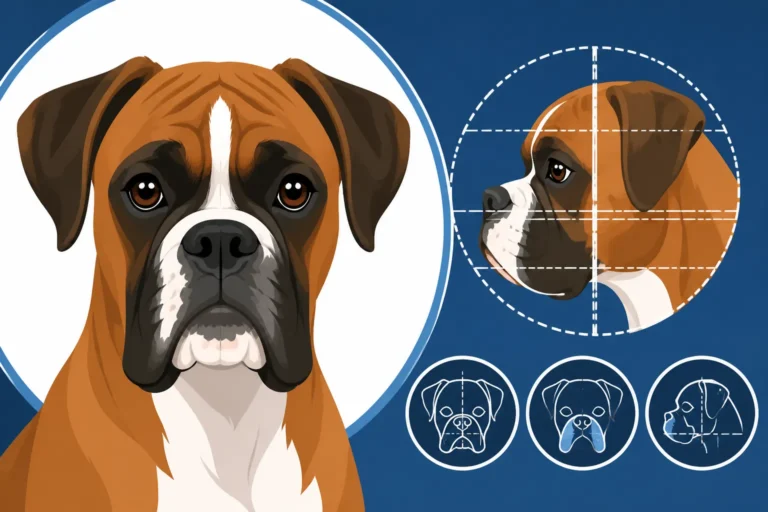
Why the Standard Still Describes a Cropped Boxer
It can be quite confusing for new Boxer owners, or even long-time enthusiasts, to look at the official breed standard and see descriptions of "closely cropped ears," especially when more and more Boxers are proudly sporting their natural, floppy ears. This guide will delve into the historical, cultural, and breed-specific reasons why the Boxer breed standard, as maintained by organizations like the American Kennel Club, continues to describe a cropped ear presentation, shedding light on this often-debated aspect of the breed.
The Boxer's Historical Roots and Functional Aesthetics
To truly understand why the breed standard mentions cropped ears, we have to journey back to the Boxer's origins. This isn't just about an arbitrary aesthetic choice; it’s deeply rooted in the breed's functional history and the very purpose for which it was developed in 19th-century Germany. Boxers were, first and foremost, working dogs, and their physical attributes were shaped by the demands of their jobs.
The Working Boxer and Practical Concerns
The Boxer's ancestors, most notably the Bullenbeisser, were powerful hunting dogs used to bait bulls and wild boars. These were dangerous jobs, requiring immense strength, courage, and a physique that could withstand the rigors of confrontation. When the Boxer as we know it began to emerge, it continued this tradition of working roles, eventually transitioning into military and police work. The German Origins of the Boxer
In these demanding environments, long, floppy ears were seen as a liability. They could be easily torn in a fight with an animal, or grabbed by an adversary during police work, leading to painful injuries and infections. Cropping the ears minimized this risk, providing a cleaner, less vulnerable profile. It was a practical, functional modification, akin to tail docking, which also served to prevent injury during active work. The look wasn't just about appearance; it was about resilience and utility in a tough world.
Early Breed Standards and the Ideal Image
When the first breed standards were drafted for the Boxer by the Deutscher Boxer Club in Germany, they meticulously described the ideal dog. These early standards were a reflection of the most successful and functional Boxers of the era – dogs that were excelling in their working roles and conformational shows. These dogs, by tradition and necessity, often had cropped ears.
Therefore, the description of cropped ears wasn't a recommendation for a cosmetic procedure but rather a depiction of the prevailing, functional appearance of the breed. It was simply how a Boxer looked if it was a serious working dog of its time. The standard aimed to capture the essence of the Boxer's powerful, alert, and intelligent character, and cropped ears were seen as contributing to this strong, confident expression. What the Boxer Standard Said in 1902
The Enduring Nature of Breed Standards
Breed standards are fascinating documents. They are meant to be blueprints, describing the ideal specimen of a breed, guiding breeders and judges alike. However, they are also living documents, capable of change, albeit often slowly. The persistence of the cropped ear description reflects a complex interplay of tradition, aesthetic preference, and the structured governance of breed clubs.
What a Breed Standard Truly Represents
A breed standard is much more than just a list of physical traits. It's a comprehensive guide detailing temperament, gait, size, and proportions, all designed to ensure the breed's health, character, and working ability are preserved. It's the "DNA" of the breed in written form. For the Boxer, the standard paints a picture of a dog that is "fearless, self-assured, calm and docile, yet with an active and vigilant expression."
The physical description, including ear set, contributes to this overall image. Even today, many proponents of cropping argue that the upright, alert ear, typically achieved through cropping, enhances the Boxer's characteristic intense gaze and formidable, yet noble, presence. They believe it completes the "picture" of the breed as it was originally conceived and developed. The Boxer the Breed Standard Describes
The Weight of Tradition and Cultural Differences
For many years, ear cropping was simply an accepted practice, a part of many breeds, not just Boxers. Over time, however, societal views on animal welfare and cosmetic surgeries have shifted dramatically. In many parts of the world, particularly Europe and Australia, ear cropping is now banned or heavily restricted, leading to breed standards in those regions being updated to reflect natural ears.
However, in countries like the United States, the decision to crop remains largely at the discretion of the owner and breeder, provided it's performed by a qualified veterinarian. The American Kennel Club (AKC) and the American Boxer Club (ABC) maintain the historical standard, which allows for cropped ears to be shown, seeing it as part of the breed's heritage. This creates a cultural divergence where Boxers in one part of the world might predominantly have natural ears, while in another, traditional cropped ears are still common in the show ring.
The Influence of Parent Clubs and Show Culture
The decision of why a breed standard retains certain descriptions largely rests with the parent club for that breed in a particular country. These clubs, composed of dedicated breeders and enthusiasts, are the custodians of their breed's legacy.
The Role of the AKC and American Boxer Club
In the United States, the American Boxer Club (ABC) is the official parent club for the Boxer breed, recognized by the AKC. The ABC is responsible for maintaining the breed standard that the AKC then publishes and uses for judging. While the ABC has the power to propose changes to the standard, such changes require extensive discussion, debate, and ultimately a vote among its members.
Changing a long-standing aspect like ear presentation is not a simple task. It often involves passionate arguments from members who feel strongly about preserving the breed's historical appearance versus those who advocate for aligning with modern animal welfare sensibilities and international trends. The current standard is a reflection of the consensus (or lack thereof) within the American Boxer fancy. For example, while natural ears are not penalized in the show ring, the language of the standard still frames the cropped ear as the ideal presentation. Whether a Boxer Must Be Cropped to Show
The "Complete" Boxer Picture in the Show Ring
For many who participate in conformation shows, presenting a Boxer with cropped ears is still seen as presenting the "complete" or "finished" look, aligning with the breed's historical image as a powerful, elegant working dog. Judges are trained to evaluate dogs against the standard, and while they should not penalize a naturally-eared Boxer, the overall impression can still be subtly influenced by the traditional aesthetic.
The table below illustrates the perceived difference in expression that proponents often discuss when comparing cropped versus natural ears in the show ring context.
| Feature | Cropped Ears (Traditional) | Natural Ears (Uncropped) |
|---|---|---|
| Overall Impression | Alert, regal, powerful, intense, commanding | Softer, more approachable, gentle, often less dominant |
| Head Expression | Emphasizes skull shape, highlights powerful jaw | Can visually soften the head and muzzle lines |
| Forehead & Brow | Enhanced by upright ears, contributing to vigilance | May appear less intense without the upward lift |
| Breed Type | Strong adherence to historical working type | More in line with modern companion animal aesthetic |
| Maintenance | Requires initial aftercare and taping | Generally lower maintenance once healed from puppyhood |
This isn't to say one is superior to the other, but rather to explain the traditional mindset that still informs the standard's wording. Ultimately, a Boxer's incredible personality, loyalty, and intelligence shine through regardless of its ear style. Whether you prefer the traditional look or the natural floppy ears, the core of what makes a Boxer such a beloved companion remains unchanged. You'll find everything you need for their care, from durable toys to nutritious food, at places like Chewy, no matter their ear type.
Caring for a Boxer, whether they have cropped or natural ears, involves routine checks. For instance, you should be doing Weekly Lump Checks on a Boxer to stay on top of their health. Ensuring they have proper nutrition is also paramount; finding a diet that suits their energetic nature is key, and retailers such as Chewy offer a wide variety of high-quality foods that cater to all Boxer needs.
Remember, responsible Boxer ownership means prioritizing their health, temperament, and well-being above all else. This includes regular veterinary care and ensuring they get plenty of exercise. For items like leashes, collars, and enriching puzzle toys to keep that clever Boxer mind engaged, online stores like Chewy are a convenient resource. Boxer Exercise Needs and the Heat That Limits Them is a good read on how to keep your Boxer active safely.
The discussion around ear cropping often highlights the balance between historical breed preservation and evolving ethical considerations. Many owners choose not to crop, embracing the natural beauty of their Boxers, and they are beautiful dogs either way. The standard's description, therefore, stands as a testament to the breed's origins and its historical presentation, rather than a mandate for every Boxer today. For those with natural ears, proper ear cleaning and care are important, and you can find specific solutions for "natural ears on a Boxer and how to clean them" that you might pick up from Chewy.
At the end of the day, your Boxer's health and happiness are what truly matter. Whether their ears stand tall or flop gently, they are still the same goofy, loving, and loyal companions that have captured hearts for generations. It’s important to research all aspects of Boxer care, including potential health issues like Boxer Cardiomyopathy and the Holter Monitor or Degenerative Myelopathy in an Older Boxer, regardless of cosmetic choices.
Disclaimer
This article is for general informational purposes only and does not constitute professional advice. Laws, prices and regulations vary by location and change over time. Consult a qualified professional for guidance on your specific situation.