Grading a Boxer’s Mast Cell Tumor
Finding a lump on your beloved Boxer is one of those heart-stopping moments that can instantly send a wave of dread through any pet parent. Given our Boxers' unfortunate predisposition to certain cancers, especially mast cell tumors, that fear is absolutely valid and understandable. This comprehensive guide is here to walk you through exactly what a mast cell tumor is, why its grade is so incredibly important, and what that diagnosis means for your Boxer's future.
The Initial Shock and Uncertainty of a Boxer Lump
That feeling of your fingers brushing against something new, something firm, beneath your Boxer's beautiful coat is universally terrifying. It's a moment that replays in slow motion, bringing with it a cascade of "what ifs." For Boxer owners, this anxiety is often amplified by the knowledge that our goofy, loving companions are, sadly, more susceptible to certain types of cancer than many other breeds.
Why Lumps on Boxers are Such a Concern
Boxers, for all their wonderful qualities, carry a higher genetic risk for certain types of cancer, with mast cell tumors being particularly prevalent. It's not just a coincidence; studies and breed-specific health data consistently show that Boxers are overrepresented in cancer statistics. This predisposition means that while any dog can get a lump, for us Boxer parents, every new bump or change on our dog's skin automatically raises a red flag and triggers that specific, gnawing worry. You find yourself constantly running your hands over their body, almost subconsciously, searching for any abnormality. Early detection is really the name of the game when it comes to any health issue with our dogs, and nowhere is this truer than with cancer. Knowing how to perform regular checks can truly make a difference, and we've talked before about Finding a Lump on a Boxer Early and the critical importance of being proactive.
The First Steps After Discovering a Lump
When you do find a lump, the first, most natural reaction might be panic. However, it’s crucial to take a deep breath and act calmly but swiftly. Don't fall into the trap of watching and waiting for weeks, hoping it will disappear. While many lumps are benign, like fatty lipomas or harmless cysts, some are not, and time can be of the essence. Your immediate next step should always be a visit to your veterinarian. They will examine the lump, assess its size, location, and consistency, and likely recommend a fine needle aspirate (FNA). This simple, minimally invasive procedure involves using a small needle to collect cells from the lump. The collected cells are then spread onto a slide and examined under a microscope by a pathologist. While an FNA isn't always definitive for every type of lump, it can often provide a strong indication if the cells present are mast cells, and sometimes even give a preliminary idea of their characteristics.
Understanding Mast Cell Tumors in Boxers
So, you've gotten the preliminary diagnosis: mast cell tumor. Or perhaps your vet suspects it. What exactly does this mean? It sounds scary, and it can be, but understanding what you're dealing with is the first step towards managing it effectively.
What are Mast Cells and Why Do They Go Rogue?
Mast cells are an integral part of your Boxer's immune system, normally found in various tissues throughout the body, especially in areas that interface with the outside world, like the skin, respiratory tract, and gastrointestinal tract. Think of them as tiny alarm bells. When your Boxer encounters an allergen, a parasite, or experiences inflammation, mast cells spring into action. They contain granules filled with powerful chemicals like histamine, heparin, and proteases. When activated, these cells release their contents, causing local inflammation, itching, and swelling – familiar symptoms of allergic reactions.
The problem arises when these mast cells start to grow and divide uncontrollably, forming a tumor. The exact reasons why mast cells "go rogue" in Boxers aren't fully understood, but it's widely accepted that genetics play a significant role. Boxers appear to have a genetic predisposition, meaning certain lines or individual dogs may be more susceptible. This is why when you're looking at a puppy, breeders should be transparent about the health history of their lines, especially regarding cancer risk. We often discuss Whether Boxer Cancer Risk Is Inherited because it's such a vital consideration for this breed. These rogue mast cell tumors can be benign, but often, they are malignant, meaning they have the potential to spread aggressively to other parts of the body.
Common Locations and Appearance of Mast Cell Tumors
One of the frustrating things about mast cell tumors is their ability to appear almost anywhere on or in your Boxer's body. The skin is the most common site, where they can be found on the trunk, limbs, and even on the head. Subcutaneous tumors, which are located just under the skin, are also very common. However, they can also originate internally, affecting organs like the spleen, liver, lymph nodes, or bone marrow.
The appearance of a mast cell tumor on the skin is incredibly variable, which makes visual diagnosis impossible. They can mimic almost anything:
- A small, firm nodule: Sometimes mistaken for a wart or an insect bite.
- A soft, movable mass: Similar to a fatty lipoma.
- An inflamed, red, and itchy lesion: Resembling an allergic reaction or hot spot.
- An ulcerated or bleeding wound: Particularly if the tumor is irritated or has been growing for a while.
- A rapidly changing lump: One day it's small, the next it's swollen and red, only to shrink back down. This phenomenon, known as Darier's sign, occurs when mast cells release their histamine and other chemicals when agitated.
Because of this chameleon-like nature, it is absolutely critical not to rely on appearance alone. Every new lump, no matter how innocent it looks, warrants a veterinary examination and, ideally, an FNA to determine its cellular makeup. You simply cannot tell if a lump is harmless or serious just by looking at it or feeling it. That's why consistent checks are a cornerstone of Boxer ownership.
The Crucial Role of Mast Cell Tumor Grading
Once a diagnosis of a mast cell tumor is made, either through an FNA or, more definitively, after surgical removal and biopsy, the next critical step is grading. This is where the pathologist truly shines, examining the tumor cells at a microscopic level to determine how aggressive the cancer is likely to be. This information is paramount for guiding treatment decisions and understanding your Boxer's prognosis.
The Two Main Grading Systems: Patnaik vs. Kiupel
Historically, the most common grading system for canine mast cell tumors was the Patnaik system, which classified tumors into three grades:
- Grade I (Low Grade): These tumors were considered well-differentiated, meaning the cells looked fairly normal and organized. They had a low potential for local recurrence and metastasis (spread).
- Grade II (Intermediate Grade): These were moderately differentiated, showing some abnormal cellular features. They had a variable potential for recurrence and metastasis, making prognosis somewhat uncertain.
- Grade III (High Grade): These were poorly differentiated, with very abnormal and disorganized cells. They had a high likelihood of local recurrence and aggressive metastasis.
While the Patnaik system provided a framework, one of its significant limitations was the variability in prognosis within Grade II tumors. Some Grade II tumors behaved benignly, while others were quite aggressive. This led to a lot of uncertainty for owners and vets alike.
To address this, a newer, more predictive system, the Kiupel system, was developed and published in 2011. This system simplifies the classification into just two categories:
- Low Grade: These tumors are generally less aggressive, with a good prognosis if completely removed. They have a lower risk of metastasis.
- High Grade: These tumors are significantly more aggressive, with a higher risk of local recurrence and metastasis, even with complete surgical removal.
The Kiupel system uses specific cellular features to differentiate between low and high grade, primarily focusing on:
- Mitotic count: How many cell divisions (mitoses) are observed in a certain field of view. A high mitotic count (7 or more mitotic figures in 10 high-power fields) is a strong indicator of high grade.
- Karyomegaly: Significant variation in nuclear size.
- Pleomorphism: Variation in cell shape and size.
- Multinucleation: Cells having multiple nuclei.
The Kiupel system has been shown to be more consistent and predictive of biological behavior than the Patnaik system, especially for those ambiguous Grade II Patnaik tumors. Many veterinary oncologists now prefer or exclusively use the Kiupel system for its clearer prognostic implications.
Here's a simplified comparison of the two systems:
| Feature | Patnaik System (Older) | Kiupel System (Newer, Preferred) |
|---|---|---|
| Grades | I, II, III | Low Grade, High Grade |
| Differentiation | Well, Moderately, Poorly | Less emphasis on differentiation |
| Key Criteria | Cell differentiation, mitotic figures, invasiveness | Mitotic count, karyomegaly, pleomorphism, multinucleation |
| Prognosis Clarity | Ambiguous for Grade II | More definitive for prognosis |
| Metastatic Risk | Increasing from I to III | Significantly higher for High Grade |
What the Grade Tells You About Your Boxer's Prognosis
The grade of your Boxer's mast cell tumor is arguably the most critical piece of information for predicting the disease's course and determining the most effective treatment plan. It's essentially the pathologist's best guess at how nasty this particular tumor is going to be.
If your Boxer receives a low-grade (Kiupel) mast cell tumor diagnosis, the outlook is generally much more favorable, especially if the tumor can be completely removed with wide, clear margins. These tumors have a lower propensity to invade local tissues aggressively or to spread to distant sites. Owners whose Boxers have low-grade tumors often have the luxury of a longer, healthier prognosis. We've seen many Boxers live Two Years or More After a Low-Grade Boxer Tumor with appropriate management, often just requiring meticulous surgical removal and careful monitoring. The goal for these is often curative surgery.
On the other hand, a high-grade (Kiupel) mast cell tumor signals a much more aggressive form of the disease. These tumors are highly likely to invade surrounding tissues, even if they appear small on the surface. More concerning, they have a significantly higher metastatic rate, meaning they are prone to spreading to regional lymph nodes, the spleen, liver, and other internal organs. For high-grade tumors, the timeline changes dramatically, and the approach shifts from potentially curative surgery to a multi-modal strategy aimed at controlling the disease. Understanding Why a High-Grade Boxer Tumor Changes the Timeline is crucial for setting realistic expectations and making informed decisions about aggressive therapies. In these cases, even with seemingly complete surgical removal, additional treatments like chemotherapy or radiation are often recommended to reduce the risk of recurrence and metastasis.
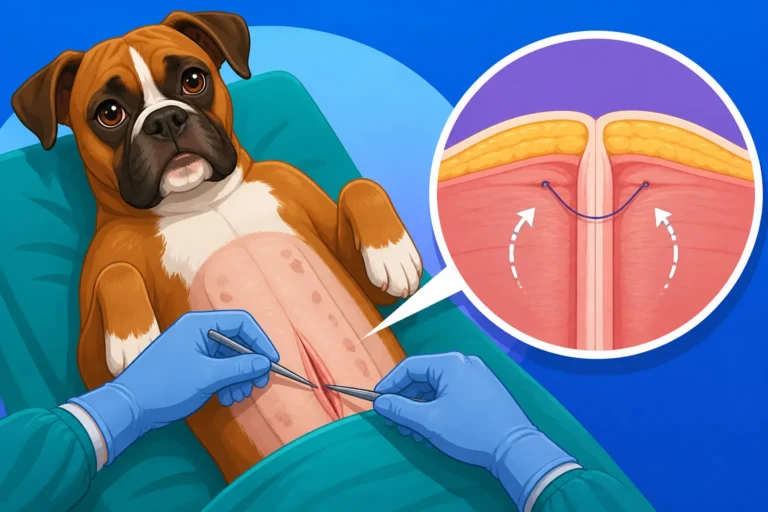
The importance of obtaining clear surgical margins cannot be overstated, regardless of the grade. This refers to the healthy tissue surrounding the tumor that is removed during surgery. The goal is to get a "clean sweep," ensuring no microscopic cancer cells are left behind at the edges of the incision. If the margins are "dirty" or "incomplete" (meaning cancer cells are found at the edge of the removed tissue), it significantly increases the risk of the tumor growing back in that same spot. This is a common challenge, and we extensively cover the nuances of Surgery Margins on a Boxer Mast Cell Tumor because it directly impacts whether further surgery, radiation, or chemotherapy is needed.
Beyond Grading: Staging a Boxer's Mast Cell Tumor
While grading tells you about the aggressiveness of the tumor cells themselves, staging tells you about the extent of the disease throughout your Boxer's body. Think of grading as focusing on the local problem, and staging as looking at the bigger, systemic picture. Both are absolutely critical for formulating the most effective treatment plan.
Why Staging is Necessary for a Full Picture
A mast cell tumor might appear as a single lump on the skin, but its impact can be far-reaching, especially with higher-grade tumors. Staging involves a series of diagnostic tests designed to determine if the cancer has spread from its original site to other parts of the body. This is crucial because a treatment plan for a localized skin tumor will be very different from one where the cancer has already spread to internal organs.
The common procedures involved in staging include:
- Regional Lymph Node Aspiration or Biopsy: Mast cell tumors frequently spread to the lymph nodes closest to the original tumor site. Your vet will palpate these nodes and often recommend an aspirate or biopsy to check for the presence of cancer cells.
- Abdominal Ultrasound: This imaging technique allows the veterinarian to visualize internal organs like the spleen, liver, and abdominal lymph nodes, all common sites for mast cell tumor metastasis. If abnormalities are seen, aspirates or biopsies of these organs may be performed.
- Chest X-rays (Radiographs): While mast cell tumors are less likely to spread to the lungs than some other cancers, chest X-rays are usually part of a comprehensive cancer work-up to rule out any visible lung metastases.
- Bone Marrow Aspirate: In some cases, particularly with high-grade tumors or if internal organ involvement is suspected, a bone marrow aspirate may be recommended to check for systemic spread.
The results of these staging tests provide invaluable information. If the tumor is localized and hasn't spread, the prognosis is generally better, and treatment might be focused on local control. If, however, the cancer has metastasized, the treatment strategy shifts to managing a systemic disease.
How Staging Impacts Treatment Decisions
The staging results directly dictate the next steps in your Boxer's treatment journey.
- Localized Disease (Stage I/II): If the tumor is confined to the skin and regional lymph nodes are clear, the primary treatment is usually surgical removal with wide margins. For low-grade tumors, this might be curative. However, even with low-grade tumors, if the surgical margins are not clean, or if it's a higher-grade tumor, radiation therapy might be recommended post-surgery to clean up any remaining microscopic cells.
- Metastatic Disease (Stage III/IV): If the staging reveals that the mast cell tumor has spread to regional lymph nodes or distant organs like the spleen or liver, surgery alone is no longer enough. In these scenarios, a systemic treatment approach is necessary. This often involves chemotherapy, which aims to kill cancer cells throughout the body. While chemotherapy can be daunting, it's a vital tool for controlling advanced disease and extending quality of life. We've gone into detail about Chemotherapy for a Boxer With Cancer and what that entails for our beloved companions.
It's at this point that the financial realities often hit hard. Diagnostic tests, surgeries, radiation, and chemotherapy protocols can be incredibly expensive. This is where having pet insurance can truly be a lifeline. Companies like Healthy Paws can significantly alleviate the financial burden, allowing you to focus on getting your Boxer the best possible care without being crippled by costs. Many Boxer owners find peace of mind knowing that a large portion of these unexpected and high veterinary bills can be covered, enabling them to pursue more aggressive or specialized treatments that might otherwise be out of reach.
Living With a Boxer's Mast Cell Tumor Diagnosis
Receiving a mast cell tumor diagnosis for your Boxer is, without a doubt, a life-altering event. It means facing difficult decisions, potential treatments, and the emotional toll of knowing your beloved companion has cancer. But it also means becoming an even more vigilant advocate for their health and well-being.
Treatment Options Based on Grade and Stage
Once you have both the grade and stage information, your veterinary oncologist will outline a tailored treatment plan.
For low-grade, localized mast cell tumors, the primary treatment is almost always surgery. The goal is complete surgical excision with wide and deep margins to ensure all cancer cells are removed. If clear margins are achieved, and the tumor is low-grade without signs of spread, many Boxers can go on to live long, healthy lives with regular monitoring. If the margins are incomplete, meaning some tumor cells were left behind, further surgery might be attempted, or radiation therapy to the surgical site could be recommended to kill residual cells.
For high-grade tumors, or any tumor that has spread (metastasized), the approach is usually multi-modal. Surgery is still often performed if the primary tumor is resectable, but it's typically followed by adjunctive therapies:
- Chemotherapy: This is a cornerstone for systemic disease or high-grade tumors. Chemotherapy drugs, often given orally or by injection, aim to target and kill rapidly dividing cancer cells throughout the body. While the word "chemotherapy" sounds scary, veterinary chemo protocols are usually designed to maximize quality of life, with fewer severe side effects than human chemotherapy. Common protocols might include drugs like vinblastine, prednisone, or CCNU, often in combination.
- Radiation Therapy: This is particularly effective for local tumor control, especially when surgical removal is incomplete or impossible due to location (e.g., on a limb where wide margins are difficult). Radiation uses high-energy beams to destroy cancer cells in a specific area.
- Tyrosine Kinase Inhibitors (TKIs): Newer targeted therapies like Palladia (toceranib phosphate) or Kinavet (masitinib) are sometimes used, particularly for higher-grade tumors or those that have recurred. These drugs work by blocking specific pathways that cancer cells use to grow and survive.
- Prednisone: A steroid that can directly kill mast cells, providing temporary relief and sometimes slowing progression, especially in more advanced cases or as a palliative measure. It's often included in chemotherapy protocols.
The choice of treatment will depend on many factors, including the tumor's specific characteristics, your Boxer's overall health, and your family's financial and emotional capacity for intensive treatment. It's a deeply personal journey, and open communication with your vet and oncologist is key.
Monitoring and Follow-Up Care
Even after successful treatment, the journey isn't over. Mast cell tumor survivors require ongoing vigilance. Regular follow-up appointments with your veterinarian or oncologist are crucial. These visits often involve:
- Physical examinations: Feeling for any new lumps or changes at the surgical site.
- Blood work: To monitor organ function, especially if chemotherapy drugs are being used.
- Repeat staging diagnostics: Periodically, your vet may recommend repeat lymph node aspirates, ultrasounds, or X-rays to check for any recurrence or new spread.
Beyond vet visits, you, as the owner, become the first line of defense. Continue performing Weekly Lump Checks on a Boxer, thoroughly feeling every inch of their body. Pay close attention to any changes in appetite, energy levels, or general demeanor. Any new lump, no matter how small, warrants an immediate check by your vet. Knowing your Boxer's normal habits and body well will help you spot subtle changes early. This proactive approach ensures that if a recurrence or new tumor develops, it can be addressed as quickly as possible. This also underlines the value of keeping comprehensive records of your Boxer's health, which can be invaluable when dealing with a chronic condition like cancer.
The Emotional Toll and Financial Realities
A cancer diagnosis for your Boxer is not just a medical challenge; it's an emotional and often significant financial one. It's perfectly normal to feel overwhelmed, heartbroken, and even angry. Dealing with these aspects is just as important as managing the medical treatment itself.
Navigating the Stress of a Cancer Diagnosis
When your Boxer is diagnosed with cancer, it can feel like your world has been turned upside down. The initial shock, the fear of the unknown, the grief over a potentially shortened future – these are all valid and powerful emotions. It's okay to cry, to feel scared, and to lean on your support system. Your Boxer is a cherished family member, and their illness impacts everyone.
One of the best things you can do is to maintain open and honest communication with your veterinary team. Don't hesitate to ask questions, even if you think they're silly. Ask them to explain the diagnosis, treatment options, potential side effects, and prognosis in terms you understand. Take notes, or even record conversations (with permission) so you can review them later. Seek out second opinions if you feel uncertain, especially with complex cases. Many Boxer owners also find solace and valuable advice in online support groups or forums dedicated to Boxers with cancer. Connecting with others who understand your experience can be incredibly validating and helpful. Remember, you're not alone in this journey.
The Cost of Treating Mast Cell Tumors
Let's be real: cancer treatment for pets is expensive. There's no getting around it, and it's a harsh reality that many families face. The costs can quickly accumulate, from initial diagnostics to surgery, pathology, chemotherapy, radiation, and ongoing monitoring. We’ve covered What Boxer Cancer Treatment Actually Costs in detail because it's a concern for virtually every owner.
Consider this breakdown:
- Diagnosis: Fine needle aspirates, biopsies, and pathology reports can range from a few hundred dollars.
- Staging: Abdominal ultrasounds, X-rays, and lymph node aspirations can add hundreds to over a thousand dollars.
- Surgery: The removal of a mast cell tumor, especially if it requires wide margins and potentially reconstructive surgery, can cost anywhere from $1,000 to $4,000 or more, depending on location and complexity.
- Chemotherapy: A full course of chemotherapy, often spanning several months, can cost thousands of dollars, easily ranging from $3,000 to $10,000 or more, depending on the drugs and protocol used.
- Radiation Therapy: This specialized treatment often requires multiple sessions and can be one of the most expensive options, potentially costing $5,000 to $10,000 or even higher.
- Targeted Therapies: Drugs like Palladia can cost hundreds of dollars per month for as long as they are prescribed.
- Follow-up: Regular vet visits, blood tests, and re-checks for recurrence will add to the ongoing costs.
This is where pet insurance truly shines as a critical investment for Boxer owners. Plans from providers like Healthy Paws can cover a significant portion (often 80-90%) of these unexpected veterinary bills, including those for cancer treatments, provided the policy was in place before the cancer diagnosis. Imagine getting a bill for $7,000 for chemotherapy, and only having to pay $700 of it yourself. It provides incredible relief and allows you to make decisions based on what’s best for your Boxer, rather than solely on your wallet. We cannot stress enough the importance of enrolling your Boxer in a comprehensive pet insurance plan early, ideally as a puppy, before any conditions like cancer are diagnosed. Proactively Saving Ahead of a Boxer Cancer Diagnosis is also a smart strategy, even with insurance, to cover deductibles and any uncovered expenses.
Prevention and Early Detection: Your Best Defenses
While we can't completely prevent cancer in our Boxers, especially given their genetic predispositions, we absolutely can arm ourselves with the best tools for early detection and give them the best possible chance at a long, healthy life.
The Importance of Regular Vet Checks
Your veterinarian is your Boxer's most important ally in the fight against cancer. Beyond routine vaccinations and parasite prevention, annual (and for older Boxers, biannual) wellness exams are critical. During these visits, your vet performs a thorough physical examination, feeling for any new lumps or bumps, assessing your Boxer's overall body condition, and listening to their heart and lungs. They are trained to spot subtle changes that you might miss, and their professional eye can distinguish between what might be a harmless cyst and something that warrants further investigation.
Don't just view these visits as a chore; see them as a proactive health check. It's also your opportunity to voice any concerns you have, no matter how minor they seem. Have you noticed a change in their appetite? Are they slowing down a bit? Is there a new bump you're unsure about? Write down your questions beforehand so you don't forget anything in the moment. Open and honest communication with your veterinary team creates a partnership that benefits your Boxer immensely. They can guide you through the process of monitoring, explain signs to look for, and recommend appropriate screenings as your Boxer ages. For instance, as Boxers reach their senior years, changes in metabolism and other health markers become more common, and understanding What Changes in a Boxer After Seven is crucial for proactive care.
What You Can Do at Home
You are with your Boxer every single day, making you the most important observer of their health. Your daily interactions offer the perfect opportunity for informal, yet crucial, health checks.
- The "Pet-Down" Routine: Make it a habit to thoroughly pet and examine your Boxer daily, or at least several times a week. Run your hands over every inch of their body – head, neck, chest, abdomen, legs, and tail. Pay special attention to areas like their armpits, groin, and in between their toes. You're not just giving affection; you're feeling for any new lumps, bumps, or changes in skin texture. This is a practical application of The Lumps a Boxer Owner Has to Check For.
- Visual Checks: When you're grooming them, or just cuddling on the couch, take a moment to look closely. Are there any new skin lesions, areas of redness, or places where the fur seems different? Check their mouth, ears, and eyes for anything unusual.
- Monitor Behavior and Habits: Be attuned to changes in your Boxer's behavior. Are they eating less or more? Are they drinking more water? Are they more lethargic or restless? Is there any limping, coughing, or straining during urination or defecation? While these might not directly point to a mast cell tumor, they can be indicators of underlying health issues that warrant a vet visit.
- Document Findings: If you find a lump, don't just forget about it. Note its size, location, and date you found it. You can even draw a little map of your Boxer's body and mark the lump. This detailed information is invaluable for your vet to track changes over time.
By integrating these routine checks into your daily life, you become your Boxer's vigilant guardian. Your keen observation, combined with regular veterinary care, provides the strongest defense against mast cell tumors and other potential health challenges.
Disclaimer
The information provided in this guide is intended for educational purposes only and should not be considered a substitute for professional veterinary advice, diagnosis, or treatment. Always seek the advice of your qualified veterinarian with any questions you may have regarding a medical condition or treatment for your Boxer. Never disregard professional veterinary advice or delay in seeking it because of something you have read here.