Dampf vom Dom, the First AKC Boxer Champion
It can be surprisingly challenging to trace the lineage and impact of foundational dogs in any breed, especially when looking back more than a century. Many Boxer enthusiasts wonder about the very first champions who helped cement the breed's place in American hearts and homes. This guide delves into the fascinating story of Dampf vom Dom, the pioneering Boxer who achieved the breed's first American Kennel Club (AKC) championship, and explores the lasting legacy he left on the Boxer breed in the United States.
The Boxer's Arrival in America and Early Challenges
The Boxer breed, with its distinctive powerful build, expressive face, and exuberant personality, didn't just magically appear in America fully formed and recognized. It took dedicated breeders, imported stock, and a great deal of effort to introduce and establish these wonderful dogs. Imagine a time before the internet, before global travel was commonplace, when bringing a dog from Germany to the United States was a significant undertaking. There were no easy guides on The Boxer's First Twenty Years in America back then; breeders were truly blazing a trail.
Establishing the Breed's Presence
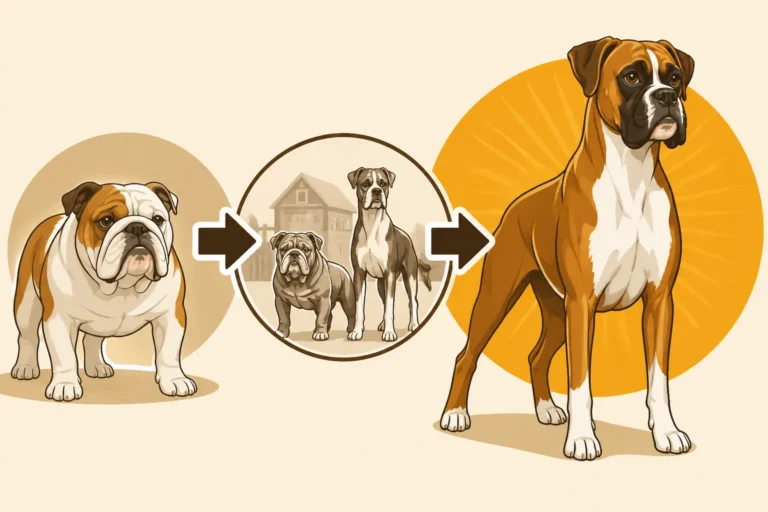
In the late 19th and early 20th centuries, as the Boxer was gaining traction in its native Germany, a handful of forward-thinking Americans began importing these unique canines. These early imports were often expensive, and the logistics of transport could be daunting. Breeders faced the challenge of educating the public about this relatively unknown German breed, which was quite distinct from the more familiar Bulldogs or Mastiffs of the era. They had to demonstrate the Boxer's versatility, its loyal temperament, and its working capabilities to a new audience. It wasn't just about owning a dog; it was about building a foundation for an entire breed.
These pioneers were often working with limited numbers of dogs, making careful breeding choices crucial. They understood that the future of the Boxer in America depended on producing healthy, typy offspring that adhered to the emerging German breed standard. Without a strong initial showing, the breed might have remained a curious novelty rather than becoming one of America's most beloved companions.
The Need for Official Recognition
For any breed to truly flourish in the show ring and gain widespread acceptance, official recognition from a major registry like the American Kennel Club (AKC) is essential. This recognition provides a framework for consistent breeding practices, establishes a formal breed standard, and allows dogs to compete for championship titles. Before this, Boxers in America were essentially "unregistered," unable to earn the prestigious champion status that would elevate their profile and demonstrate their quality.
The desire for official recognition wasn't just about ribbons and bragging rights; it was about validating the breed in the eyes of the dog-loving public and ensuring its responsible development. Breeders wanted a clear benchmark, a standard to strive for, and the ability to track pedigrees and health information reliably. This push for formal status laid the groundwork for dogs like Dampf vom Dom to eventually make their mark.
Who Was Dampf vom Dom?
Amidst the burgeoning interest in the Boxer breed in the United States, one dog emerged who would etch his name into history: Dampf vom Dom. He wasn't just any Boxer; he was a pivotal figure whose presence dramatically accelerated the breed's acceptance and popularity across the country. His story is one of groundbreaking achievement, setting a precedent for all Boxers who would follow.
His Lineage and Importation
Dampf vom Dom was born in Germany, inheriting a strong pedigree from the "vom Dom" kennel, which was highly respected in early Boxer circles. He was imported to the United States by John Wagner, a name synonymous with early Boxer breeding in America. Wagner, a dedicated enthusiast, recognized Dampf's exceptional qualities and believed he represented the ideal of the breed as defined by The German Boxer Club and Its 1902 Standard. Bringing such a dog across the Atlantic was a testament to Wagner's vision and commitment to the breed.
Dampf's arrival wasn't just a matter of a new dog joining a kennel; it was a significant event for the entire American Boxer community. He was a tangible link to the best European lines, bringing fresh blood and a solid representation of the breed's evolving type. His physical characteristics — his powerful musculature, classic head, and confident demeanor — were exactly what was needed to showcase the Boxer's potential to an American audience largely unfamiliar with the breed.
Earning the First AKC Boxer Championship
The true pinnacle of Dampf vom Dom's career came when he became the very first Boxer to earn an American Kennel Club championship title. This was no small feat. It involved competing against other breeds, often those with well-established lineages and long histories in the American show ring. Imagine the pressure on this dog and his handler, representing a relatively new and unusual breed.
His championship was a validation not only of his individual quality but also of the Boxer breed itself. It told the dog world that Boxers were serious contenders, worthy of the same respect and recognition as any other established breed. This triumph served as a powerful incentive for other breeders to pursue AKC recognition for their own Boxers, sparking a wave of enthusiasm and competition that would propel the breed forward. Dampf's victory was a beacon, signaling that the Boxer had truly arrived on the American canine stage.
The Impact of His Championship on the Breed
Dampf vom Dom's achievement as the first AKC Boxer Champion sent ripples through the nascent American Boxer community and beyond. It was a catalyst that fundamentally altered the trajectory of the breed's development and public perception. His win wasn't just a moment of glory; it was a cornerstone upon which the future of the Boxer in America was built.
Boosting Boxer Popularity and Recognition
Before Dampf's championship, Boxers were a niche breed, known to only a select few. His success in the highly visible AKC show ring brought the breed into the spotlight, capturing the imagination of a broader audience. People saw a Boxer crowned champion, and suddenly, this "new" dog became something to aspire to, something worthy of attention. This newfound recognition was invaluable.
It led to increased inquiries about Boxer puppies, greater interest from potential owners, and ultimately, a surge in the breed's popularity. His championship helped to answer the question of How Popular the Boxer Became in America by kickstarting that very process. Kennel clubs began to take the breed more seriously, and judges became more familiar with the Boxer standard. This visibility was crucial for moving the Boxer from an obscure import to a recognized and celebrated member of the canine world.
Influencing Early Breeding Programs
With an AKC Champion Boxer now on American soil, breeders had a concrete example of the type of dog the AKC recognized as excellent. Dampf vom Dom became a benchmark. His physical attributes and conformation were studied, and breeders aimed to produce offspring that emulated his winning qualities. This wasn't about blindly copying, but rather about understanding what traits were valued in the show ring and working towards those ideals.
His championship provided a tangible goal for breeders, encouraging more structured and focused breeding programs. It underscored the importance of selecting dogs for their adherence to the breed standard, sound structure, and healthy dispositions. This emphasis on quality over quantity was vital for the long-term health and integrity of the breed in the United States. Breeders understood that if they wanted to produce future champions, they needed to look to dogs like Dampf as their guide.
Building the AKC Boxer Standard
The establishment of the Boxer in America, largely spearheaded by the success of dogs like Dampf vom Dom, went hand-in-hand with the formal adoption and interpretation of the breed standard. This standard became the blueprint for what a Boxer should be, guiding breeders and judges alike.
Translating German Ideals to American Context
The original Boxer breed standard was developed in Germany, detailing the ideal physical characteristics and temperament. When Boxers arrived in America, there was a critical need to translate these German ideals into an American context that could be understood and consistently applied by judges and breeders here. This involved not just linguistic translation, but also cultural interpretation, ensuring that the essence of the breed remained intact while being introduced to a new audience.
Dampf vom Dom’s success demonstrated that a Boxer bred to the German standard could achieve greatness in the American show ring. He was a living embodiment of those ideals, allowing American breeders to visualize and understand the "type" they were striving for. This cross-cultural bridge was essential for maintaining continuity with the breed’s origins and preventing deviations that could dilute its unique characteristics.
Key Characteristics Emphasized
Dampf vom Dom's win naturally highlighted certain key characteristics that were deemed essential for the breed. While the full standard covers everything from nose to tail, his success would have drawn particular attention to traits like his head proportions, his powerful, muscular build, and his confident, spirited demeanor. These were the elements that captured the judges' eyes and resonated with the emerging American understanding of the Boxer.
Judges looked for a harmonious balance in the dog's structure, indicating both strength and agility. The distinct Boxer head, with its undershot jaw and alert expression, was a crucial component. Beyond physical appearance, the Boxer's inherent "courageous yet docile" temperament, as described in the standard, would have been evident in a dog like Dampf, demonstrating that beauty and brains could indeed go hand in hand. This emphasis helped solidify The Boxer the Breed Standard Describes in the minds of American enthusiasts.
| Characteristic | German Ideal (Early 20th Century) | American Interpretation (Post-Dampf) |
|---|---|---|
| Head Type | Strong, distinctive, moderately broad skull, pronounced stop, dark mask. | Defined, powerful, without coarseness; undershot bite celebrated. |
| Body & Build | Square, robust, muscular, elegant yet powerful. | Athletic, agile, well-ribbed, deep chest, lean muscle. |
| Temperament | Fearless, self-assured, calm, faithful, clownish. | Loyal, intelligent, high-spirited, protective without aggression. |
| Gait | Free, elastic, ground-covering, powerful rear drive. | Effervescent, efficient, with a distinct "spring." |
| Coat & Color | Short, tight, fawn or brindle, limited white markings. | Smooth, shiny, fawn or brindle, up to one-third white. |
The Enduring Legacy of Dampf vom Dom
The story of Dampf vom Dom isn't just a historical footnote; it's a foundational chapter in the American Boxer's narrative. His triumph echoes through generations, influencing how Boxers are perceived, bred, and cherished today. His legacy underscores the importance of those early pioneers in shaping the breeds we love.
Tracing Modern Pedigrees
Many of today's champion Boxers, even those generations removed, can often trace their lineage back to these early influential dogs like Dampf vom Dom. He contributed to the genetic pool at a critical time, helping to establish the consistent type and health characteristics that breeders still strive for. A strong pedigree, stretching back to such foundational dogs, is still highly valued by serious breeders and provides a sense of connection to the breed's rich history.
When a breeder shows you the health certificates and pedigrees of their Boxer Puppy Prices From a Health-Testing Breeder, they are, in a way, honoring the efforts of those like John Wagner who meticulously selected and imported dogs like Dampf. The quest for excellence, for dogs that truly represent the best of the breed, began with these early successes.
Inspiring Future Generations of Boxers and Owners
Dampf vom Dom's story is a powerful reminder of the potential within the Boxer breed. His achievement helped solidify the breed's reputation for intelligence, athleticism, and trainability, inspiring countless owners to fall in love with these dogs. It encouraged people to look beyond their unique appearance and appreciate their incredible temperament and versatility.
For those considering bringing a Boxer into their lives, or even those just admiring the breed, knowing about dogs like Dampf provides a richer understanding of their history. It paints a picture of a breed that was carefully cultivated and passionately advocated for. Today, caring for a Boxer, whether it's finding the right food on a site like Chewy or sourcing appropriate toys, benefits from the widespread acceptance and specialized products that wouldn't exist without these early champions paving the way. This foundation of recognition allows current owners to focus on aspects like Caring for a Boxer Past Eight or ensuring their puppy has a good start with products easily available from pet suppliers like Chewy. The continued interest in events like The Boxer That Won Westminster in 1951 also stems from this early history of triumph.
Boxer Clubs and Continued Dedication
The work of early Boxer enthusiasts, galvanized by champions like Dampf vom Dom, led to the formation of dedicated Boxer clubs and associations across the United States. These organizations continue to promote the breed, uphold the standard, and support responsible breeding practices. They are the custodians of the Boxer legacy, ensuring that the breed's history is preserved and its future is secure.
These clubs organize shows, offer educational resources, and foster a community of Boxer lovers. They ensure that newcomers to the breed can learn from experienced mentors and access reliable information on topics like The Health Screening a Boxer Breeder Owes You. The spirit of dedication that brought Dampf vom Dom to championship status lives on in these groups, a testament to the enduring appeal and importance of this magnificent breed.
Disclaimer
This article is for general informational purposes only and does not constitute professional advice. Laws, prices and regulations vary by location and change over time. Consult a qualified professional for guidance on your specific situation.