How Tall a Male Boxer Should Stand
One of the most common questions new Boxer owners, or those simply admiring the breed, ask is about their physical stature. It’s natural to wonder just how big your strapping male Boxer pup will get, especially when they seem to be growing by the minute! This guide aims to clear up all the confusion, delving deep into the breed's official height standards, the factors that influence your dog's final size, and what it all means for you as an owner.
Understanding the Boxer Breed Standard for Height
When we talk about a dog's "ideal" height, we're usually referring to the breed standard, a document created by parent clubs (like the American Boxer Club) to describe the perfect specimen of the breed. This standard outlines everything from temperament and coat color to, yes, precise measurements for height and weight. It's the blueprint for what a Boxer should be, and it's particularly important for breeders striving to produce healthy, type-correct dogs, and for judges in the show ring.
The Ideal Height Range for Male Boxers
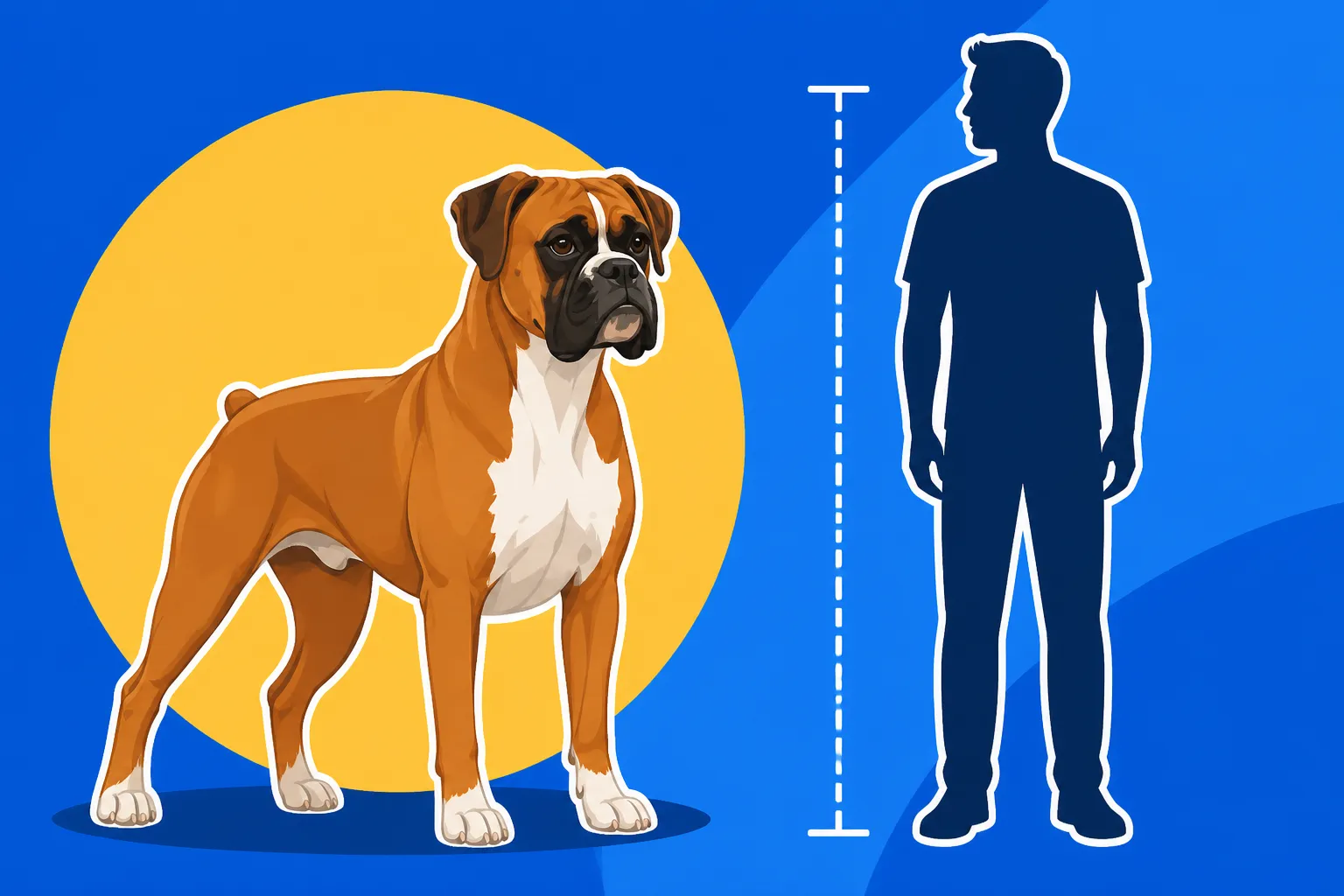
For a male Boxer, the breed standard sets a very specific range for height. This measurement is taken at the withers, which is the highest point of the shoulder blades. It’s not about how tall they are to the top of their head when standing, but rather to that prominent ridge where their neck meets their back, above their front legs.
According to the official standard, an ideal male Boxer should stand between 22.5 and 25 inches (approximately 57 to 63.5 centimeters) at the withers. You might notice that's quite a range! This flexibility accounts for natural variations within healthy, well-bred Boxers. While a Boxer might fall anywhere within this window and be considered acceptable, breeders often aim for the middle to upper end for males, as it contributes to their powerful and majestic appearance. A Boxer measuring exactly 23.5 inches would be perfectly within standard, just as one pushing the 24.5-inch mark would be. It's about finding that sweet spot that maintains balance and athletic ability.
Why the Standard Matters
You might be thinking, "My Boxer is just a pet, why does the breed standard matter to me?" That's a fair question! While your furry family member isn't going to be judged in a show ring, the standard is essentially a guide to what makes a Boxer a Boxer. It helps preserve the distinctive characteristics of the breed, which includes their structure and movement. Dogs bred consistently to the standard are more likely to exhibit the traits that define the breed, both physically and temperamentally, and are often healthier because careful breeding avoids extremes.
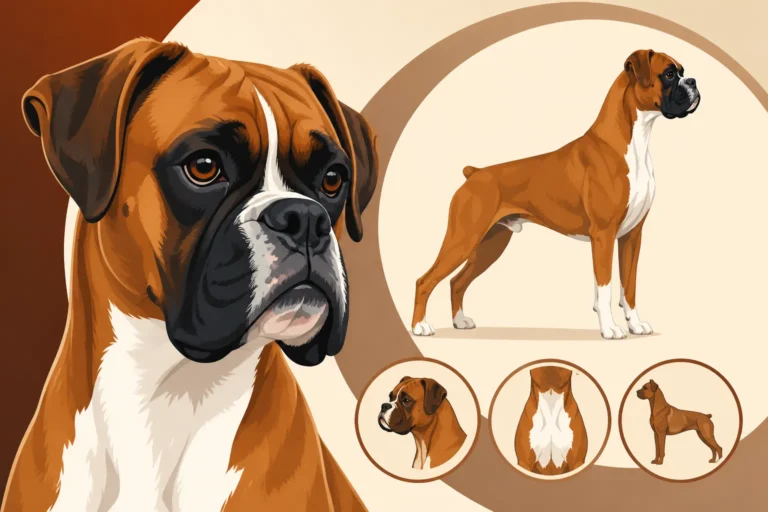
If a Boxer is significantly outside the standard range, it could indicate something about its lineage, or even suggest potential health or structural issues down the line. For example, an excessively large Boxer might put more strain on its joints, while an undersized one might lack the powerful build characteristic of the breed. Understanding the standard gives you a benchmark for what to expect from a well-bred Boxer. It’s not just about aesthetics; it's about maintaining the functionality and health of the breed as a whole. For a deeper dive into the overall physical characteristics, you might find The Boxer the Breed Standard Describes an interesting read.
Variations in Boxer Lines (American vs. European)
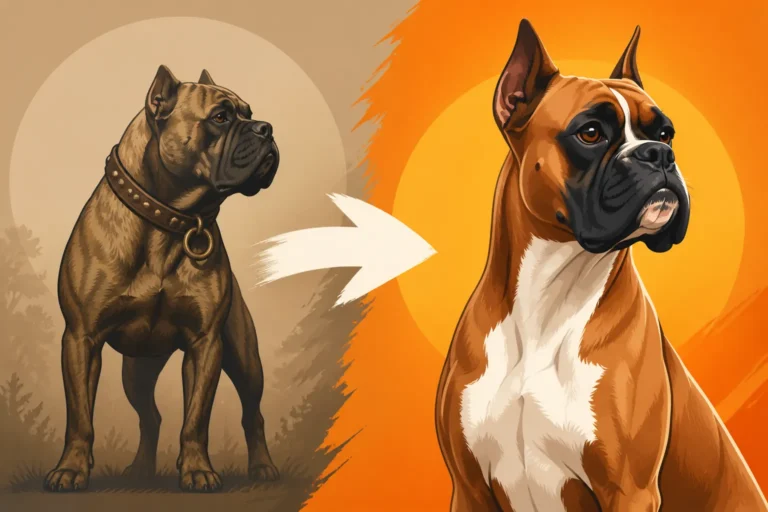
It's a common observation among Boxer enthusiasts that there can be noticeable differences in appearance between Boxers bred in America and those from European lines. While both adhere to the same foundational breed standard, there have been slight divergences in emphasis over generations. European Boxers, particularly those from German lines, are often perceived as having a more robust, heavier bone structure and a somewhat stockier build. This can sometimes give the impression that they are taller or more substantial, even if their actual height at the withers falls within a similar range as American lines.
American Boxers, while still powerful and muscular, tend to be a bit more refined in their bone structure and often appear more elegant or athletic in their build. These subtle differences can influence the perception of height, even if the tape measure reveals very similar numbers. It's less about one being "taller" than the other and more about the overall body composition that contributes to their presence. These distinctions highlight the fascinating evolution of the breed in different parts of the world, all while staying true to the core Boxer identity. If you're curious about these different lineages, consider reading German Boxers Against American Boxer Lines.
Factors Influencing a Male Boxer's Final Height
A Boxer's ultimate height isn't just a roll of the dice; it's a complex interplay of genetics, nutrition, and overall health during their crucial growth phases. Understanding these factors can give you a better idea of what to expect as your puppy matures into that magnificent adult Boxer.
Genetics and Parental Influence
The most significant factor determining your Boxer's adult height is, without a doubt, genetics. Just like in humans, puppies inherit their potential size from their parents and even their grandparents. If both parents are on the taller side of the breed standard, it's highly likely their offspring will also mature into taller Boxers. Conversely, if the parents are smaller, their pups will probably follow suit.
This is why responsible breeders emphasize health screening and careful selection of breeding pairs. They're not just looking at outward appearance; they're studying pedigrees and genetic backgrounds to predict the characteristics, including size, that their puppies will inherit. While genetics sets the potential height, it's important to remember that it's a range, not a fixed number. Two littermates can have the same genetic potential but end up at slightly different heights due to environmental factors. For example, two male Boxers from the same parents might have the genetic blueprint for a 24-inch height, but one might end up at 23.5 inches and the other at 24.25 inches. This is perfectly normal and within the bounds of genetic variation and developmental influences.
Nutrition and Growth
Beyond genetics, proper nutrition during puppyhood and adolescence is absolutely critical for a Boxer to reach its full, healthy potential height. Growing puppies need a balanced diet specifically formulated for large breed puppies. This isn't just about calories; it's about the right balance of protein, fats, vitamins, and minerals.
Overfeeding or feeding a diet too high in certain nutrients (like calcium or phosphorus) can lead to excessively rapid growth, which paradoxically can cause developmental orthopedic diseases. These conditions, such as osteochondrosis (OCD) or panosteitis, can damage growth plates and potentially affect a dog's final height, often leading to pain and lameness. Conversely, underfeeding or providing a nutritionally deficient diet will certainly stunt growth and prevent your Boxer from reaching its genetic height potential. Think of it like building a house – you need good quality materials and a careful construction process. You can find many excellent large breed puppy food options on sites like Chewy that are formulated to support slow, steady growth crucial for a Boxer's large frame. Ensuring your Boxer is fed appropriately through all its stages is vital, and you can learn more about this in Feeding a Boxer Puppy Through the Growth Year.
Health and Development
A Boxer puppy's health status throughout its growth period can also play a role in its final height. Any significant illness, chronic condition, or severe injury during the critical growth phases can potentially impact their skeletal development. For instance, a prolonged parasitic infection might lead to malnutrition, even if the puppy is eating, as the parasites steal vital nutrients. Severe illness requiring extensive medication or surgery could stress the body in ways that temporarily or even permanently affect growth.
Similarly, certain congenital conditions, though rare, could impact bone or joint development, leading to a deviation from expected growth patterns. While these instances are less common than genetic or nutritional influences, they highlight the importance of regular veterinary check-ups and prompt treatment for any health concerns during your Boxer's formative months. Ensuring your puppy stays robust and healthy throughout its first year to eighteen months is key to them reaching their full, genetically determined height and developing that strong, athletic physique.
When a Boxer Reaches Full Height and How to Measure
It's common for new Boxer owners to wonder when their energetic puppy will finally stop growing upwards and start filling out. Knowing these timelines, and how to accurately measure, can help you track their development.
Growth Stages and Maturation
Boxers, being a large breed, take longer to reach their full adult size compared to smaller dogs. While they will experience rapid growth spurts in their first few months, their skeletal growth, specifically their height, typically completes between 12 and 18 months of age.
During those initial months, you'll see a significant increase in height. From about 4 to 8 months, they can seem to shoot up almost daily! After 12 months, the rate of vertical growth slows considerably, and by 18 months, most Boxers have reached their maximum height at the withers. However, it's important to distinguish between reaching full height and reaching full maturity. Even after their height is set, Boxers will continue to fill out, gain muscle mass, and broaden in the chest for another year or even two. This is when they transition from a gangly teenager to that powerful, muscular adult form. This "filling out" phase often continues until they are around two to three years old, lending to the common joke that Boxers remain puppies for a very long time! You can explore this further by checking out The Age a Boxer Is Mentally Grown Up.
How to Accurately Measure Your Boxer's Height
If you're curious to see how tall your Boxer is getting, you can easily measure them at home. Here's how:
- Find a Flat, Level Surface: Have your Boxer stand squarely on a hard, flat surface, like concrete or hardwood, not on carpet. Make sure they are standing naturally, with all four paws on the ground, not leaning or stretching.
- Locate the Withers: The withers are the highest point of their shoulder blades, directly above their front legs. It's often a bit of a bony ridge you can feel.
- Use a Yardstick or Measuring Tape:
- Method 1 (Yardstick/Level): Place a yardstick or a long, flat ruler across their shoulders, perpendicular to their spine, ensuring it's perfectly level. Then, measure from the underside of the yardstick straight down to the ground. A carpenter's level can be really helpful here to ensure you're getting a true horizontal line.
- Method 2 (Measuring Tape against a Wall): Stand your Boxer against a wall. Hold a book or a flat piece of cardboard perfectly horizontal, pressing gently down onto their withers, and mark the wall at the bottom edge of the book. Then use a tape measure to measure from the floor to your mark.
- Take Multiple Measurements: Dogs can shift slightly, so take a few measurements and average them out for the most accurate result.
Remember, the goal isn't just to get a number, but to observe their growth over time. Keeping a record of their height and weight can be a fun way to track their development! For broader considerations on their physical condition, you might be interested in What a Fit Boxer Weighs.
What if Your Boxer is Outside the Standard?
So, you've measured your Boxer and he's either a little shorter or a little taller than the 22.5 to 25-inch range. What does this mean?
For most pet owners, if your Boxer is healthy and happy, being slightly outside the breed standard's height range is generally not a cause for concern. A pet Boxer's primary role is to be a beloved companion, and a couple of inches either way rarely impacts their ability to live a full and joyful life. They might not be eligible for conformation shows, but for family life, it's perfectly fine. Many perfectly wonderful Boxers fall slightly outside the ideal range.
However, significant deviations can sometimes be associated with other issues. An excessively large Boxer might experience more joint stress, especially as they age, requiring careful management of exercise and diet. On the other hand, an unusually small Boxer might indicate a genetic anomaly or a history of inadequate nutrition during growth. If your Boxer is drastically outside the standard range (e.g., a male standing only 19 inches or over 26 inches) and you have concerns about their health or development, it's always a good idea to discuss this with your veterinarian. They can assess for any underlying issues that might be contributing to the unusual size. Otherwise, enjoy your unique Boxer, regardless of his exact height! If you're particularly curious about show standards, the article Whether an Oversized Boxer Is Faulted might provide more context.
Practical Implications of a Boxer's Size for Owners
A male Boxer's adult height, combined with his muscular build, has very real practical implications for daily life. From the gear you buy to how you manage their exercise and even your living arrangements, their size will inevitably shape your experience as an owner.
Equipment and Gear Sizing
This might seem obvious, but a Boxer's height and robust frame dictate the size of almost every piece of equipment you'll need. You can't just pick up a "medium" dog bed or a standard crate and expect it to fit!
- Crates: For a male Boxer, you'll need a very large crate, often a 42-inch or even a 48-inch model, to ensure he has enough room to stand up, turn around, and lie down comfortably without his head hitting the top. Trying to squeeze a full-grown Boxer into a crate that's too small will lead to discomfort, anxiety, and potentially behavioral issues. You can find robust crates designed for larger breeds on platforms like Chewy. Getting the right size is crucial, and the guide Sizing a Crate for a Boxer That Will Hit Seventy offers more in-depth advice.
- Harnesses and Collars: Their broad chest and strong neck require durable, well-fitting harnesses and collars. A standard flat collar might not be enough for a strong-pulling Boxer, and you'll want a sturdy, comfortable harness that distributes pressure evenly.
- Dog Beds: Forget the cute little donut beds; your Boxer will need an orthopedic bed with plenty of cushioning to support his joints, especially as he ages. Look for beds designed for large or extra-large breeds.
- Food Bowls: While the raised bowl debate for bloat prevention is ongoing, your Boxer will certainly need large capacity bowls for food and water. Some owners prefer bowls on stands to prevent bending over too much.
Investing in appropriately sized and sturdy gear from the start will make both your and your Boxer's life much more comfortable and safer.
Exercise and Activity Considerations
A male Boxer's height and muscular build are indicative of their athleticism and energy levels. These are dogs bred to be powerful and agile, meaning they require a significant amount of exercise. However, their size, combined with the fact that they are a brachycephalic (flat-faced) breed, means their exercise needs must be managed carefully, especially in warmer weather.
While they are capable of bursts of speed and vigorous play, prolonged, intense exercise, particularly in heat and humidity, can be dangerous. Their flat faces make them less efficient at cooling themselves through panting, leading to rapid overheating. This is not just uncomfortable; it can be life-threatening. Therefore, owners of large, athletic Boxers need to be smart about their exercise routines. Think early morning or late evening walks during summer, and always carry water. Activities like swimming can be good for their joints, but again, caution is needed due to their brachycephalic nature and potential for struggling in water. Even after an arrhythmia diagnosis, careful activity planning is needed, as discussed in How Hard a Boxer With an Arrhythmia Can Work. Their strong build means they can hike or run, but it must be tempered with common sense and awareness of their unique physiology.
Living Space and Accommodation
The height and overall presence of a male Boxer naturally influence their suitability for various living situations. While Boxers are known for being adaptable and can certainly thrive in apartments or smaller homes, it requires a dedicated owner willing to meet their significant exercise and mental stimulation needs outside the home.
A large Boxer needs space to stretch out, play, and simply exist without constantly bumping into furniture or feeling confined. If living in an apartment, this means multiple daily walks, trips to the park for off-leash play (where permitted and safe), and engaging in indoor games. They're not dogs that can just be let out into a tiny yard for five minutes and be content. The physical demands of a large, energetic dog like a Boxer mean that a cramped living space could lead to frustration for both dog and owner, potentially manifesting in destructive behaviors. Providing a comfortable, appropriately sized dog bed or crate is paramount, and ensuring they have dedicated space to relax without being in the way is crucial. Even in a large house, a Boxer that isn't adequately exercised and engaged can become bored and destructive, a topic explored in Why a Boxer Wrecks Things When Under-Exercised. Ultimately, it's not just about the square footage, but about the owner's commitment to accommodating a large, active, and loving companion.
Disclaimer
This article is for general informational purposes only and does not constitute professional advice. Laws, prices and regulations vary by location and change over time. Consult a qualified professional for guidance on your specific situation.