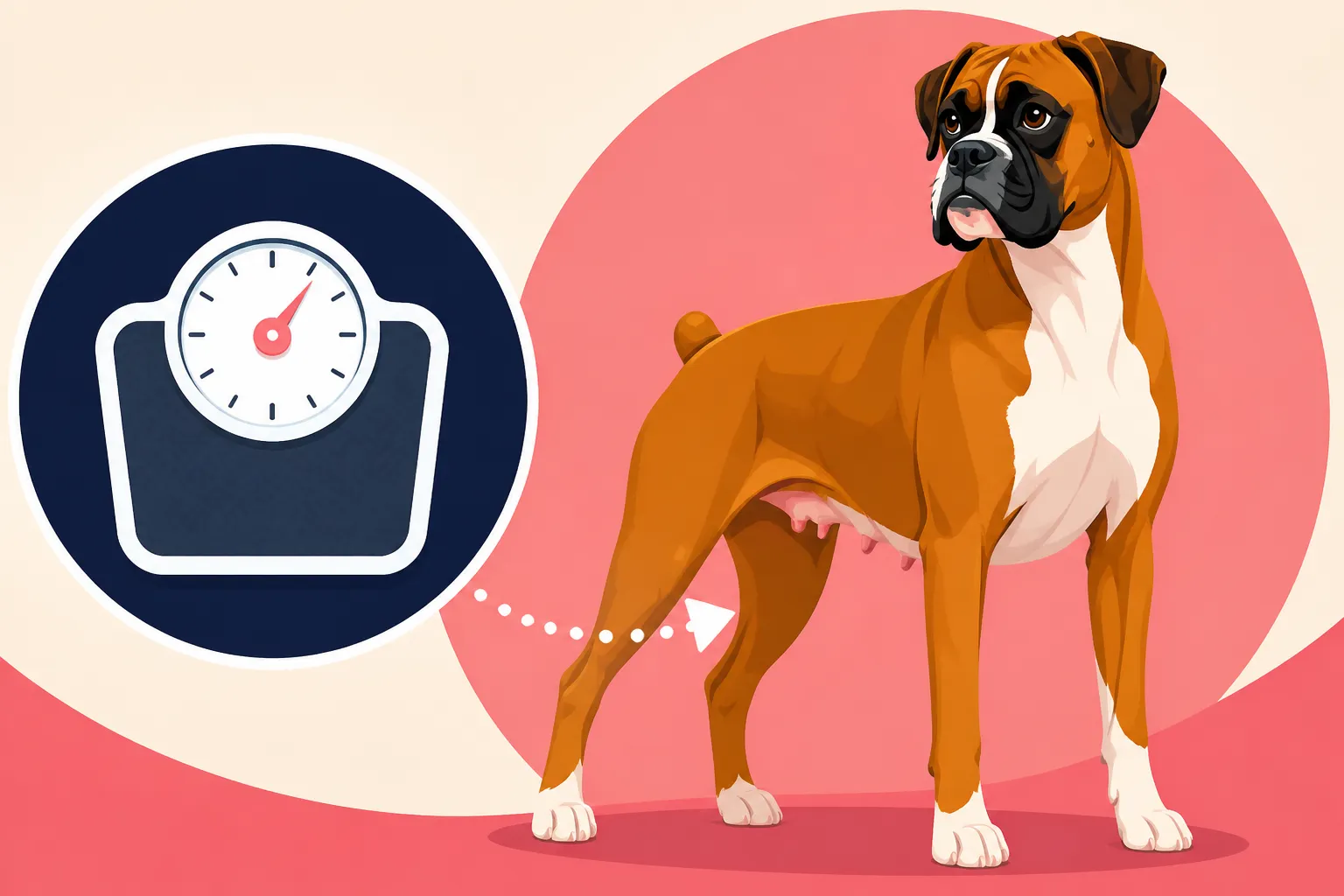
What a Female Boxer Weighs
It's incredibly common for Boxer owners, especially those with females, to gaze at their athletic, powerful companion and wonder if she's hitting all the right marks when it comes to her physique. We want our Boxers to be lean, muscular, and full of life, but sometimes it's hard to tell if that weight on the scale truly reflects her health. This guide will walk you through what's considered a healthy weight for a female Boxer, the many factors that influence it, and how you can ensure your girl is in tip-top shape.
Understanding the Boxer Breed Standard for Weight
When you first bring home a Boxer, whether she's a tiny puppy or a spirited rescue, you often wonder what her adult self will look like. The official breed standards, set by organizations like the American Kennel Club (AKC), offer a blueprint for the ideal Boxer, covering everything from ear set to tail carriage, and of course, weight. These standards aren't just arbitrary numbers; they reflect decades of breeding to maintain the breed's distinct characteristics and working ability.
Official Weight Ranges for Female Boxers
For a female Boxer, the breed standard typically suggests a weight range that aligns with her overall stature and powerful build. While specific numbers can vary slightly depending on the exact standard (e.g., American vs. European lines, which tend to be heavier), generally, a healthy adult female Boxer is expected to weigh anywhere from 55 to 65 pounds. This range assumes she is well-conditioned, not carrying excess fat, and has good muscle tone. It's a guideline designed to describe a Boxer that is substantial enough to be powerful but agile enough for her energetic nature.
It's important to remember that this is a guideline, not a rigid rule that every single Boxer must adhere to precisely. Just like people, individual Boxers will have natural variations within a healthy framework. Some may be naturally a few pounds lighter, while others might carry a bit more muscle and sit at the higher end of the spectrum, all while remaining perfectly healthy. The key is balance and overall proportion, rather than obsessing over a single number on the scale. A good breeder will always prioritize health and structure over hitting a precise weight.
The Difference Between Weight and Condition
Here's where many owners get tripped up: the number on the scale is only part of the story. Far more important than her actual weight in pounds is your female Boxer's body condition score. Think of it like a human BMI, but with a more hands-on approach. You could have two Boxers, both weighing 60 pounds, but one might be perfectly muscled and lean, while the other might be a bit pudgy with less muscle definition.
To assess your Boxer's body condition, you need to use your hands and eyes. You should be able to easily feel her ribs when you gently run your hands along her side, without them protruding sharply. From above, she should have a distinct waist, an hourglass figure if you will, tapering in behind her ribcage. From the side, her abdomen should tuck up slightly, rather than hanging low. If you can't easily feel her ribs, or if her waist is less defined, she might be carrying a few extra pounds, regardless of what the scale says. Conversely, if her ribs are highly prominent, or her hip bones jut out, she might be too thin. Getting an accurate reading of Reading a Boxer's Ribs and Waist is crucial.
Factors Influencing a Female Boxer's Weight
A Boxer's weight isn't static; it's a dynamic reflection of many interwoven factors throughout her life. Understanding these influences can help you keep your girl in prime condition and quickly spot when something might be amiss.
Genetics and Lineage
Just like in human families, genetics play a huge role in determining your Boxer's natural build and potential adult weight. If your female Boxer comes from lines where both parents, and even grandparents, were on the larger, more substantial side, she's likely to follow suit. Conversely, if her ancestors were typically leaner and more compact, she might naturally mature at a slightly lighter weight. There are also subtle differences between American and European Boxer lines; European Boxers are often bred to be a bit heavier and more substantial in bone, which will naturally impact their overall weight.
A good breeder will be transparent about the lineage and typical adult sizes of their dogs. They can give you an idea of what to expect based on the genetics they've worked with for generations. This inherited predisposition sets a baseline, but it's not the only factor. Even with the best genetics, poor diet or lack of exercise can still lead to an unhealthy weight. Conversely, a Boxer with a genetic predisposition to be larger can still be kept lean and fit with proper care.
Age and Life Stage
A Boxer's weight naturally fluctuates throughout her life, mirroring different developmental stages. A Boxer puppy grows rapidly, packing on pounds weekly, often looking a bit gangly and awkward during her teenage months. She'll generally reach her full height by about 12-18 months, but she'll continue to "fill out" and add muscle mass until she's around two to three years old. This filling out phase means her weight might increase as she matures, even if her height remains the same. When a Boxer Fills Out After It Stops Growing delves into this process in more detail.
As a Boxer enters her prime adult years (roughly 3-7 years), her weight should stabilize, provided her diet and exercise remain consistent. However, as she moves into her senior years (typically past seven), her metabolism may slow down, and her activity levels might naturally decrease. This can make her more prone to weight gain if her caloric intake isn't adjusted accordingly. On the other hand, some senior Boxers might experience weight loss due to underlying health issues, so changes in an older Boxer's weight always warrant a vet visit. What Changes in a Boxer After Seven highlights these shifts.
Activity Level and Muscle Mass
Boxers are renowned for their boundless energy and muscular physique. A female Boxer who regularly engages in high-intensity exercise—think long, brisk walks, active playtime, or dog sports like agility—will naturally develop more lean muscle mass. Muscle is denser than fat, so a highly conditioned, athletic Boxer might weigh more than a less active one of the same size, simply because she has more muscle. This is a good thing! It signifies strength, fitness, and health.
Conversely, a Boxer who doesn't get enough exercise will likely have less muscle tone and may be more prone to putting on fat, even if her caloric intake isn't excessively high. Imagine a Boxer spending most of her day lounging on the couch versus one who's out hiking or playing fetch for an hour or two. The latter will naturally be more muscled and potentially heavier due to that muscle, but with a much healthier body composition. It’s a delicate balance, especially with Boxers who can overheat easily, so Splitting a Boxer's Exercise Around the Heat is often necessary.
Diet and Nutrition
What you feed your female Boxer, and how much, is arguably the most controllable factor influencing her weight. High-quality dog food, appropriate for her age, activity level, and any specific health needs, is fundamental. Feeding too much, even of good food, will lead to weight gain. Feeding too little can result in her being underweight and lacking energy. The caloric density of different foods varies, so relying solely on "cups per day" instructions on the bag without considering your individual Boxer's needs can be misleading.
It’s also crucial to consider the type of food. A diet rich in appropriate protein and healthy fats helps build and maintain muscle, while excessive carbohydrates or fillers can contribute to fat accumulation. Many Boxer owners find it helpful to shop at reputable retailers like Chewy, which offer a wide selection of premium dog foods and often include detailed nutritional information to help you make informed choices. If your Boxer has a sensitive stomach, which is not uncommon, a specific diet might be needed. Prescription Food Costs for a Boxer With Colitis is an example of specialized dietary needs.
When a Female Boxer's Weight Becomes a Concern
While the ideal weight range for a female Boxer provides a useful target, what truly matters is ensuring she's healthy and comfortable in her skin. Sometimes, despite our best efforts, a Boxer's weight can drift into unhealthy territory, either too thin or too heavy. Recognizing the signs early is key to addressing the issue before it impacts her overall well-being.
Signs of Being Underweight
An underweight Boxer might appear gaunt or bony, rather than lean and muscular. You'll likely see her ribs, hip bones, and spine easily, without having to feel for them. Her waist might be excessively tucked, giving her an almost "pinched" look behind the ribs. Beyond the visual cues, an underweight Boxer might also show other signs:
- Lethargy or low energy: She might be less enthusiastic about play or walks, tiring quickly.
- Poor coat quality: A dull, dry, or sparse coat can sometimes indicate nutritional deficiencies.
- Reduced muscle mass: Her muscles might feel soft rather than firm, especially over her hindquarters.
- Picking at food: Though sometimes underweight Boxers eat voraciously, others might have underlying issues causing lack of appetite.
If you suspect your Boxer is underweight, it's crucial to consult your veterinarian. They can rule out underlying medical conditions such as parasites, dental issues, malabsorption problems, or metabolic diseases that might be preventing her from gaining weight. Once medical causes are addressed, your vet can advise on a strategy to safely increase her caloric intake and muscle mass. This might involve increasing meal frequency, switching to a higher-calorie food, or adding specific supplements.
Signs of Being Overweight
Overweight Boxers are unfortunately a common sight, and it's a condition that carries significant health risks. A Boxer carrying too much weight will lose her distinct waistline, and her body will appear more "barrel-shaped" from above. You'll have difficulty feeling her ribs, as they'll be covered by a layer of fat. From the side, her abdomen might sag or not tuck up at all. Other indicators include:
- Reduced activity and stamina: She might be less keen on exercise, get winded easily, or struggle to keep up on walks.
- Difficulty breathing: Especially relevant for brachycephalic (flat-faced) breeds like Boxers, excess weight exacerbates breathing issues, leading to increased snoring or panting.
- Joint problems: Carrying extra weight puts immense strain on her joints, potentially worsening conditions like Boxer Hip Dysplasia and Spondylosis or leading to arthritis earlier in life.
- Lethargy and decreased enthusiasm: She might seem less playful or generally less engaged.
- Heat intolerance: Overweight Boxers struggle even more in warm weather, as fat acts as insulation, making it harder to cool down.
The consequences of obesity for a Boxer are serious, impacting her lifespan and quality of life. Excess weight exacerbates heart conditions and increases cancer risk, which are already concerns for the breed. Why Extra Weight Hurts a Boxer's Heart is a real danger. Addressing weight gain promptly is vital for your Boxer's long-term health.
The Importance of Regular Vet Checks
Given the breed's predisposition to certain health conditions, regular veterinary check-ups are non-negotiable for a Boxer. Your vet is your best partner in monitoring your female Boxer's weight and overall health. During these visits, they'll perform a thorough physical examination, including a body condition score, and weigh your dog. They can track her weight trends over time, which is more informative than a single reading.
Vets can also offer tailored advice on diet and exercise based on her individual needs and health status. They can recommend appropriate food brands, suggest portion sizes, or refer you to a veterinary nutritionist if specialized dietary planning is required. Furthermore, if any significant weight changes are noted, either up or down, your vet can conduct diagnostic tests to rule out any underlying medical conditions that might be contributing to the issue. Don't underestimate the value of these routine appointments; they are often the first line of defense against emerging health problems.
Managing a Healthy Weight for Your Female Boxer
Keeping your female Boxer at a healthy weight is an ongoing commitment, but it's one of the most impactful things you can do for her long-term health and happiness. It’s about more than just food; it’s a holistic approach encompassing diet, exercise, and consistent monitoring.
Tailoring Diet to Activity and Age
The cornerstone of healthy weight management for your Boxer is a properly tailored diet. Her caloric needs will change based on her age, activity level, and whether she's spayed or intact. Puppies, for example, need more calories for growth, while active adults require sufficient energy to fuel their vigorous play and exercise. Senior Boxers, with their slowing metabolisms and often reduced activity, usually need fewer calories to maintain a healthy weight.
- For puppies: Focus on high-quality puppy food formulated for large breeds to support healthy, steady growth without promoting too-rapid weight gain, which can stress developing joints. Meals a Day for a Boxer Under Six Months is a good starting point.
- For adult Boxers: Measure her food accurately. Don't just eyeball it. A food scale can be incredibly helpful. Most Boxers do best on two meals a day, which also helps with bloat prevention. Feeding a Boxer Twice a Day is generally recommended. If your Boxer is very active, she might need slightly more; if she's a couch potato, she'll need less. Many owners find that purchasing food through a trusted source like Chewy provides excellent selection and convenience for specific dietary needs.
- For senior Boxers: Transition to a senior-specific formula or reduce portions of her regular adult food. These diets often have fewer calories and sometimes include joint support supplements.
Always factor in treats. Those little extras add up quickly! Choose healthy, low-calorie options, and account for them in her daily caloric intake. If your Boxer has specific health issues, like allergies or colitis, your vet might recommend a prescription diet or a novel protein diet. For example, Diet Changes for a Boxer With Colitis are a critical part of managing that condition.
Appropriate Exercise Routines
Boxers are high-energy dogs, and regular, appropriate exercise is paramount for maintaining muscle mass, burning calories, and keeping them mentally stimulated. For most adult female Boxers, 60 to 90 minutes of vigorous activity spread throughout the day is ideal. This can include:
- Brisk walks or jogs: Make sure to check pavement temperatures in warmer months to protect her paws.
- Fetch or other interactive games: Boxers love to chase and play, making these excellent ways to burn off energy.
- Dog park visits: If your Boxer is well-socialized, dog parks can provide great opportunities for running and playing with other dogs. However, be mindful of her play style, as Boxer Play Style With Other Dogs can be quite enthusiastic.
- Dog sports: Agility, rally obedience, or even scent work can provide both physical and mental stimulation.
However, it's crucial to exercise your Boxer smartly due to their brachycephalic (flat-faced) nature, which makes them prone to overheating. Avoid strenuous exercise during the hottest parts of the day, especially in summer. The Temperature a Boxer Should Stop Walking At is lower than you might think. Provide plenty of fresh water and shade, and know the signs of overheating. Cooling Vests and Fans for a Boxer can be incredibly useful tools for warmer climates. If your Boxer has been diagnosed with a heart condition like ARVC, her exercise limits will need careful adjustment, as detailed in Exercise After a Boxer ARVC Diagnosis.
Monitoring Body Condition at Home
Beyond the annual vet visit, you, as her owner, are your Boxer's best daily monitor. Get into the habit of regularly checking her body condition. This isn't just about weight; it's about tactile assessment and visual observation.
- The Rib Check: Gently run your hands along her sides. You should feel her ribs distinctly, like you're feeling the knuckles on the back of your hand when you make a fist. If you have to press hard to feel them, she's likely overweight. If they're visible without touching her, she might be too thin.
- The Waistline: Stand above her and look down. Her body should narrow distinctly behind her ribcage, creating a "waist." If her side profile is straight from ribs to hips, she's probably carrying too much weight.
- The Abdominal Tuck: From the side, her belly should tuck up slightly from her chest to her hind legs. If her underside hangs level with or below her chest, she's likely overweight.
Keep a mental note or even a small journal of her condition. Small changes are easier to manage than large ones. If you notice a shift, adjust her food portions or increase her activity slightly. If you're consistently struggling to get her weight right, don't hesitate to reach out to your vet for guidance. Many excellent resources are available online, sometimes even on sites like Chewy, detailing body condition scoring guides with visual aids.
Here’s a quick overview to help you assess your female Boxer's condition:
| Indicator | Underweight | Ideal Weight | Overweight |
|---|---|---|---|
| Ribs | Easily visible, sharp to touch | Easily felt without pressing hard, minimal fat | Hard to feel, covered by significant fat |
| Waistline | Severely tucked, extreme hourglass | Clearly visible hourglass figure from above | Absent or barely visible, straight/rounded body |
| Abdominal Tuck | Pronounced tuck-up | Moderate tuck-up | Minimal or no tuck, sagging belly |
| Muscle Mass | Reduced, can feel soft | Firm, well-defined | Poor definition, hidden by fat |
| Energy Level | Low, lethargic, tires quickly | High, energetic, playful | Reduced, reluctant to move, gets winded quickly |
| Overall Look | Bony, gaunt | Athletic, lean, powerful | Rounded, heavy, lack of definition |
Remember, your Boxer relies on you to make these important decisions for her health. By staying informed and proactive, you can help your female Boxer live her fullest, most vibrant life at a healthy, happy weight.
Disclaimer
This article is for general informational purposes only and does not constitute professional advice. Laws, prices and regulations vary by location and change over time. Consult a qualified professional for guidance on your specific situation.