Whether an Oversized Boxer Is Faulted
It’s completely normal to look at your beautiful, spirited Boxer and wonder if they’re quite "right" when it comes to their size. Maybe your boy is a bit taller or heavier than the dogs you see in books or at the park, or perhaps your female seems to carry more substance than some of her counterparts. This guide is here to help you understand the official breed standards for Boxers and clarify whether an "oversized" Boxer is truly considered a fault, both in the show ring and, more importantly, in day-to-day life.
Understanding the Boxer Breed Standard for Size
When we talk about whether a Boxer is "oversized," we first have to refer to the official breed standard. This isn't just a set of arbitrary rules; it's a carefully crafted description that aims to preserve the unique characteristics, health, and working ability of the Boxer breed as it was originally developed. For enthusiasts and breeders, adherence to this standard is paramount, particularly when dogs are being evaluated in conformation shows.
What the Official Standard Dictates
The major kennel clubs, like the American Kennel Club (AKC), have very specific guidelines for a Boxer’s size. For instance, a male Boxer is typically expected to stand between 22.5 to 25 inches at the withers (the highest point of the shoulder blade, where the neck meets the back), and weigh approximately 65 to 80 pounds. Female Boxers, on the other hand, usually fall between 21 to 23.5 inches in height and weigh around 50 to 65 pounds. These numbers aren't just suggestions; they are the benchmarks against which show dogs are measured. You can read more about The Boxer Size the Standard Calls For and What a Female Boxer Weighs if you're curious about the specifics for each sex.
It’s easy to feel a little intimidated by these precise figures, especially when you compare them to your own beloved dog. You might find yourself measuring your Boxer, checking their weight, and perhaps feeling a pang of concern if they don't quite fit within those neat boxes. But remember, these are ideals primarily for the show ring, reflecting what judges look for in terms of balance and proportion that align with the breed's historical function.
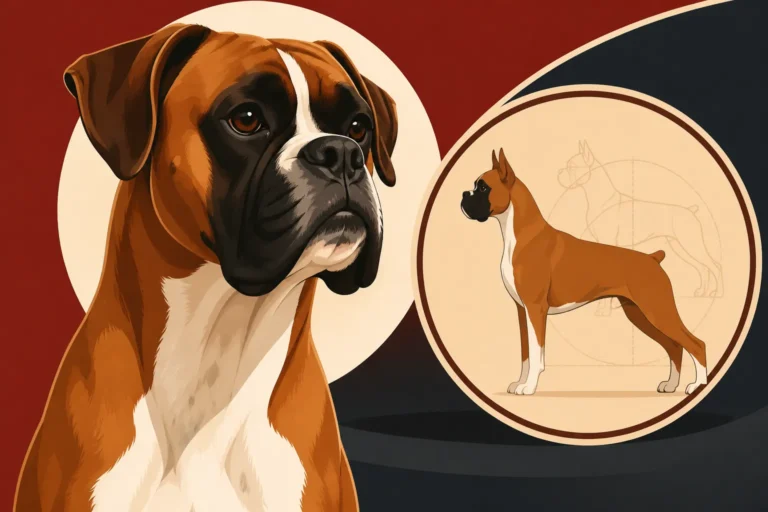
The standard also outlines the overall impression of the dog, emphasizing that the Boxer should be a medium-sized dog, square in appearance, and possessing powerful musculature. Any deviation in size, whether too large or too small, can disrupt this desired balance. The aim is a dog that is agile and strong, capable of both guarding and companionship, without being so heavy as to be clumsy or so small as to lack presence.
The Difference Between "Ideal" and "Faulted"
Here’s where it gets a little nuanced. Being outside the ideal range in height or weight isn't necessarily a "fault" in the sense that it makes your dog somehow less of a Boxer or unhealthy. For example, if your male Boxer measures 25.5 inches at the withers instead of the maximum 25, he is technically oversized. In the show ring, this would almost certainly be penalized by a judge, as deviations from the standard are marked down. Being "oversized" is explicitly mentioned in the standard as a disqualification if it's severe enough – specifically, any dog under 21.5 inches or over 25 inches for a male, and under 20.5 inches or over 23.5 inches for a female, will be disqualified. This is a severe penalty that means the dog cannot place or receive championship points.
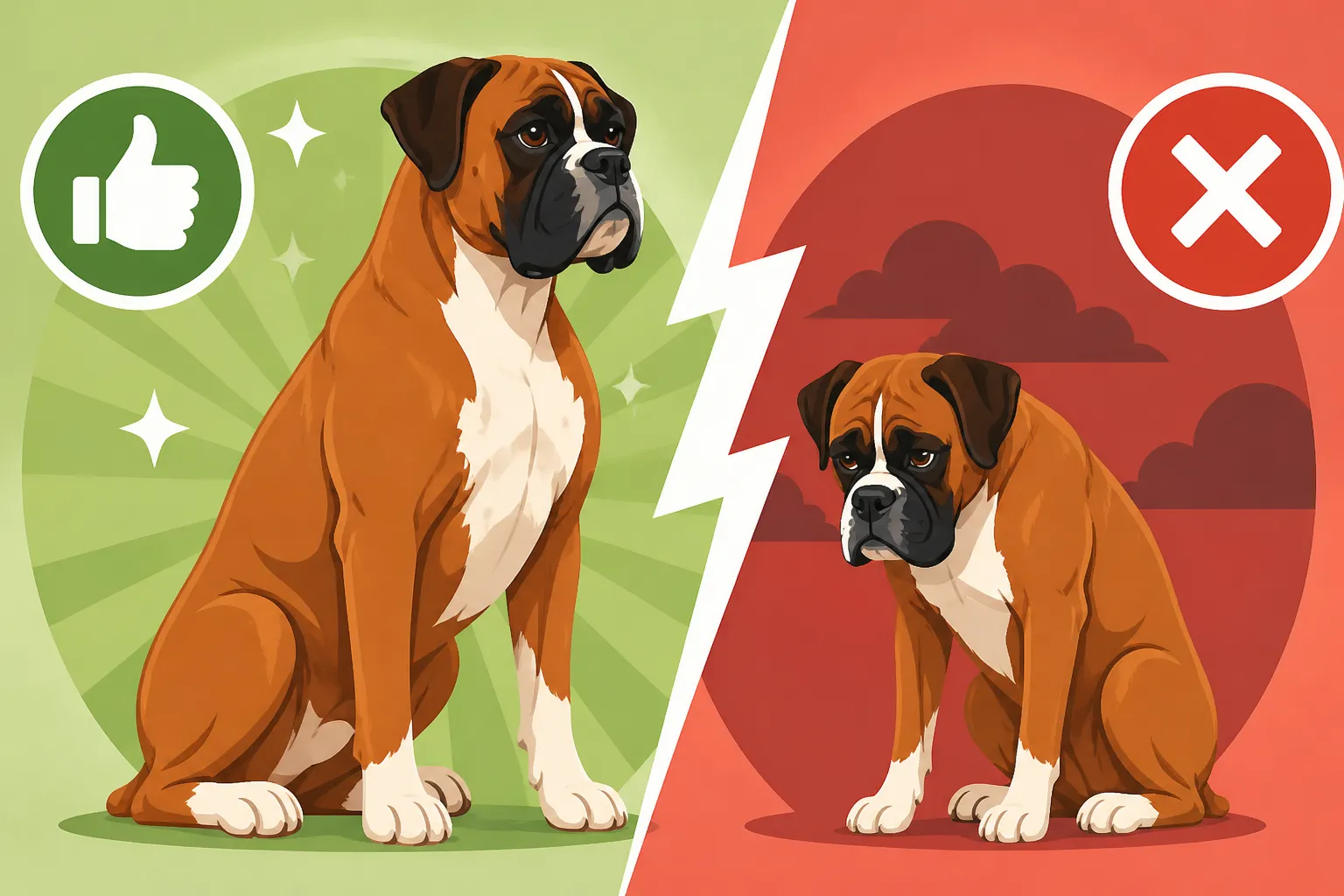
However, for a pet owner, a dog that is slightly outside these parameters isn't "faulted" in a way that should cause distress. Your Boxer is still 100% a Boxer, capable of bringing immense joy and companionship. The term "fault" in dog show parlance refers to a characteristic that deviates from the breed standard and impacts a dog's suitability for breeding or exhibition. It's not a judgment on their worth as a family member. It simply means they might not be competitive in the highly specific world of conformation showing. Many wonderful Boxers who are phenomenal family pets would be considered "faulted" for various reasons in the show ring, and that doesn't diminish their quality of life or their place in your home one bit.
Why Some Boxers Grow Larger Than the Standard
It's a common observation among Boxer owners: sometimes, your puppy just keeps growing, seemingly beyond what you'd expect. There are several reasons why a Boxer might end up larger than the measurements stipulated in the breed standard, ranging from their genetic blueprint to the way they are raised.
Genetic Variance and Breeding Practices
Even within the purest of bloodlines, there's always a degree of genetic variation. Just like children in a family can vary in height, so too can puppies in a litter. While breeders strive to produce dogs that conform to the standard, complete uniformity is rarely achievable. Some puppies simply inherit a combination of genes that predispose them to a slightly larger frame or heavier bone structure. This isn't necessarily a sign of a "poorly bred" dog, but rather a natural expression of genetic diversity.
Furthermore, breeding practices play a significant role. Not all breeders prioritize strict adherence to size standards above all else. Some might focus on temperament, health clearances, or specific working abilities, and as a result, size might drift a bit. There's also a common distinction made between German Boxers Against American Boxer Lines. Generally, German Boxers are often bred to be a bit more substantial, with heavier bone and a more powerful build, sometimes exceeding American Kennel Club size standards. This difference in desired type, even within the same breed, can certainly contribute to the size variations we see. Responsible breeders, regardless of their 'line' focus, should always be transparent about their dogs' pedigrees and typical sizes.
Growth and Nutrition's Role
The food a Boxer puppy eats and how quickly they grow can profoundly impact their adult size and overall skeletal development. It's a common misconception that feeding a puppy more or encouraging rapid growth will make them "bigger and stronger." In fact, the opposite can often be true, especially for large breeds. Rapid growth, often fueled by diets too high in calories or certain nutrients, can put undue stress on a puppy's developing bones and joints. This can lead to orthopedic problems like hip dysplasia, even if the dog is genetically predisposed to a normal size.
For Boxer puppies, it's crucial to feed a high-quality, large-breed puppy food formulated for slow and steady growth. These diets are typically lower in calories and sometimes have specific calcium-to-phosphorus ratios designed to support healthy skeletal development without forcing rapid weight gain. Controlling a Boxer puppy's growth rate helps them reach their natural genetic potential in a healthy way. If you’re not sure about the best way to feed your growing pup, discussing it with your veterinarian is always a good idea. You can also explore more about Growth Limits on a Boxer Puppy's Joints and Feeding a Boxer Puppy Through the Growth Year to ensure your Boxer grows up strong and healthy.
It's also worth noting that Boxers are active, muscular dogs. As they mature, their build will become more defined. A Boxer that might seem "heavy" as a puppy can often lean out and muscle up into a powerful, athletic adult, even if they end up on the larger side of the standard. Their diet should support this lean musculature without excessive fat. Many owners find quality foods and supplements for their Boxers at retailers like Chewy, which can help ensure balanced nutrition.
Implications of an Oversized Boxer
While an oversized Boxer might not win ribbons in the show ring, their size can have other practical implications that are important for owners to consider. These implications range from how they might be perceived in competitive events to the day-to-day realities of living with a larger, more powerful dog.
Impact on Show Ring Eligibility
For those aspiring to show their Boxer in conformation events, size is a non-negotiable factor. As mentioned earlier, deviations beyond a certain range lead to disqualification. Judges are trained to assess every aspect of a dog against the breed standard, and height and weight are among the first things they evaluate, either by direct measurement or by visual assessment of overall balance. An oversized Boxer, even one with an otherwise flawless structure and temperament, simply cannot achieve championship titles in the breed ring. This is the primary context where an "oversized" Boxer is truly "faulted." If you're involved in showing, understanding What Disqualifies a Boxer at a Show is essential.
It’s a tough reality for some breeders and owners who might have a dog they adore but who just doesn't quite fit the mold. However, this doesn't mean the dog can't excel in other arenas. Many Boxers, regardless of their conformation ring eligibility, go on to be fantastic competitors in obedience, agility, rally, or even as therapy dogs. These venues often have fewer strict size restrictions and focus more on a dog's ability, trainability, and temperament.
Health and Lifestyle Considerations
Beyond the show ring, a significantly oversized Boxer might face different health and lifestyle considerations. While a healthy, well-structured larger Boxer can live a full and active life, increased size can sometimes place additional stress on joints, particularly as the dog ages. Conditions like Boxer Hip Dysplasia and Spondylosis might be exacerbated in a heavier dog, though genetics play a much larger role. Keeping a larger Boxer lean and well-muscled is even more important to support their frame and minimize joint wear and tear over time. Regular, appropriate exercise, paired with a balanced diet, is key.
From a practical standpoint, a larger Boxer means needing larger equipment. You'll need Crates Big Enough for a Grown Boxer, extra-large beds, and harnesses designed for their considerable strength. Their food consumption will naturally be higher, impacting your monthly budget. You can expect to spend more on A Month of Food for a Seventy-Pound Boxer compared to a smaller individual. Even things like car restraints need to be sturdy enough to safely secure a seventy or eighty-pound dog. These are just practical realities, not criticisms, but they are things to be aware of when you have a bigger Boxer.
Furthermore, a larger Boxer can simply be more dog. They have more power, more bounce, and more presence. This isn't a problem for experienced owners, but it does mean that training, especially leash manners and managing their enthusiasm, becomes even more critical. Their sheer size means they can accidentally knock over children or elderly guests more easily if they haven't learned impulse control.
Temperament and Character
The wonderful, distinctive Boxer temperament is typically not linked to their precise size within or slightly outside the standard. Boxers are renowned for their playful, loyal, and clownish personalities, and an oversized Boxer is still very much a Boxer at heart. They tend to be full of energy, eager to please (most of the time!), and deeply devoted to their families. Their size doesn't make them inherently more aggressive or docile; their core personality remains that of a quintessential Boxer. You can read more about Boxer Temperament in the Standard and in Life.
What can be influenced by size is how an oversized Boxer is perceived and how they interact with their environment. A bigger Boxer might seem more intimidating to strangers, even if they are gentle giants. This means careful socialization and training are crucial to ensure they are well-adjusted and comfortable in various situations. It's also important for owners to remember that even a large, powerful Boxer is still sensitive and thrives on positive reinforcement and companionship. They still need plenty of mental stimulation and physical activity. Sometimes, The Energy New Boxer Owners Underestimate can be even more pronounced in a larger individual, requiring a dedicated owner.
Ultimately, whether your Boxer is exactly "standard" or a bit on the larger side, their health, happiness, and well-being in your family are what truly matter. The bond you share transcends any numerical measurement.
| Trait | Standard Size Boxer (Ideal) | Oversized Boxer (Outside Standard) | Implications (Show Ring) | Implications (Pet Life) |
|---|---|---|---|---|
| Height (Male) | 22.5 – 25 inches at withers | > 25 inches (or < 21.5 for disqualification) | Likely faulted/disqualified. | May require larger crates, harnesses. |
| Height (Female) | 21 – 23.5 inches at withers | > 23.5 inches (or < 20.5 for disqualification) | Likely faulted/disqualified. | May require larger crates, harnesses. |
| Weight (Male) | 65 – 80 pounds | > 80 pounds (without being obese) | Often considered "heavy" or out of balance if excessive. | Increased food costs, potential for joint stress if not lean. |
| Weight (Female) | 50 – 65 pounds | > 65 pounds (without being obese) | Often considered "heavy" or out of balance if excessive. | Increased food costs, potential for joint stress if not lean. |
| Overall Balance | Square, muscular, agile | May appear less square or balanced. | Severely penalized if balance/proportion is off. | Generally no negative impact on temperament or well-being. |
| Temperament | Energetic, playful, loyal | Remains true to Boxer temperament. | Not affected by size alone. | No change in core Boxer personality. |
Disclaimer
This article is for general informational purposes only and does not constitute professional advice. Laws, prices and regulations vary by location and change over time. Consult a qualified professional for guidance on your specific situation.