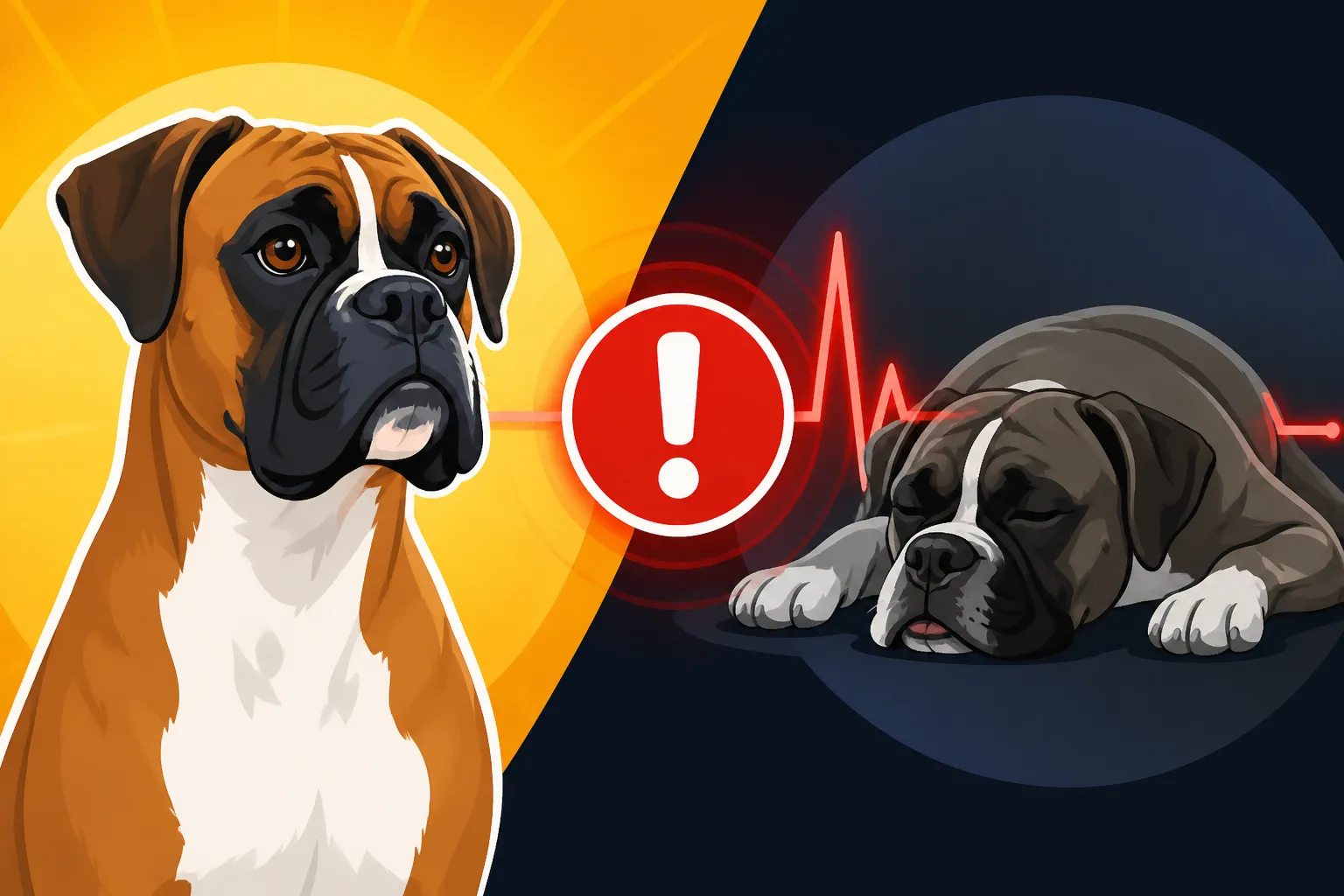
Sudden Death in an Apparently Healthy Boxer
There’s almost nothing more heartbreaking than losing your beloved Boxer, especially when it happens suddenly, without warning, and they seemed perfectly healthy just moments before. The shock, the confusion, and the overwhelming grief can be truly paralyzing, leaving you searching for answers that often feel out of reach. This guide aims to shed light on the various reasons why a seemingly healthy Boxer might experience sudden death, offering insights into prevention, screening, and how to cope with such an profound loss.
The Devastating Reality of Sudden Cardiac Events in Boxers
Boxers, with their boundless energy and affectionate nature, are unfortunately predisposed to a number of serious health conditions, particularly those affecting the heart. These conditions often lurk beneath the surface, showing no obvious symptoms until a catastrophic event occurs. It’s a cruel twist of fate for a breed so full of life.
Why Boxers Are Prone to Heart Issues
It's a tough pill to swallow, but the truth is, a significant portion of the Boxer breed carries genetic predispositions to specific cardiac diseases. This isn't just bad luck; it's a deeply ingrained part of their genetic makeup, a legacy of how the breed was developed over generations. The heart of the matter, quite literally, often revolves around a condition known as Arrhythmogenic Right Ventricular Cardiomyopathy, or ARVC. This isn't just a fancy medical term; it’s a terrifying reality for many Boxer owners, a condition that can transform a perfectly normal, playful day into the worst day of your life in an instant.
Think about it: your Boxer is running around, playing fetch, acting completely normal, and then suddenly collapses. The sheer incomprehension in that moment is gut-wrenching. It’s because these genetic conditions often don't present with outward signs that you, as an owner, would easily spot. There's no limping, no persistent cough that sends you rushing to the vet. Instead, the electrical system of the heart, or its very structure, can be silently deteriorating, making a sudden cardiac event a real and present danger. This is why understanding these predispositions is so crucial, not just for breeders but for every Boxer parent out there.
The Silent Killer: Boxer Cardiomyopathy
Boxer cardiomyopathy, or ARVC, is tragically common in the breed, earning it the heartbreaking nickname "Boxer heart disease." What makes it such a silent killer is its nature: healthy heart muscle is gradually replaced by fatty or fibrous tissue, particularly in the right ventricle. This abnormal tissue doesn't conduct electrical impulses properly, leading to dangerous arrhythmias, which are essentially chaotic, ineffective heartbeats. One minute, your Boxer's heart is beating just fine, pumping blood throughout their robust body. The next, it's quivering uselessly or skipping beats in a way that can't sustain life.
The insidious part is that many Boxers with ARVC show absolutely no clinical signs for years, if ever, before a sudden collapse. You might notice an occasional cough, a bit of fatigue after strenuous exercise, or even a fleeting dizzy spell, but these signs are often so subtle or infrequent that they're easily dismissed or attributed to something else. A Boxer's high pain tolerance and eager-to-please nature can also mask underlying weakness. It’s not until a severe arrhythmia strikes that the problem becomes horrifyingly apparent. This is why regular screening, even in seemingly healthy dogs, is so vital. We delve deeper into What Boxer ARVC Actually Does to the Heart in another post, explaining the precise mechanisms at play. Understanding the underlying pathology can help prepare you for necessary proactive measures.
Other Heart Conditions That Can Cause Sudden Collapse
While ARVC might be the poster child for sudden cardiac death in Boxers, it's not the only heart condition that can strike unexpectedly. The breed's genetic lottery, unfortunately, includes other potentially fatal cardiac issues that can catch even the most diligent owner off guard.
Subaortic Stenosis (SAS): A Hidden Threat
Another serious, genetically inherited heart defect prevalent in Boxers is Subaortic Stenosis, or SAS. This condition involves a narrowing (stenosis) of the outflow tract from the left ventricle of the heart, just below the aortic valve. Imagine trying to push water through a hose that suddenly becomes much narrower – the heart has to work incredibly hard to force blood through this constricted area. Over time, this extra effort can lead to thickening of the heart muscle and an increased risk of sudden death, especially during periods of high exertion like intense play or exercise.
The tragedy of SAS is similar to ARVC in that it can be incredibly difficult to detect without specific screening. A veterinarian might hear a heart murmur during a routine check-up, especially in a puppy, which can be the first clue. However, some Boxers with mild to moderate SAS might not exhibit any noticeable symptoms at all in their daily lives, only to experience a sudden collapse due to a fatal arrhythmia or heart failure triggered by the increased strain. This highlights why Screening a Boxer for Subaortic Stenosis is so important, ideally even before you bring a puppy home. Early diagnosis can lead to management strategies that, while not a cure, can improve quality of life and potentially extend it.
Less Common but Equally Serious Cardiac Issues
While ARVC and SAS are the most well-known culprits, other less common but equally devastating cardiac issues can lead to sudden death in Boxers. For instance, some Boxers can develop dilated cardiomyopathy (DCM), a condition where the heart chambers enlarge and the heart muscle weakens, making it less effective at pumping blood. While DCM often presents with more visible signs like lethargy, coughing, and fluid retention, it can sometimes progress rapidly or lead to acute heart failure without much prior warning.
Then there are other congenital defects that, while perhaps rarer, can still pose a significant risk. These might include various structural abnormalities of the heart or major blood vessels that weren't detected during early veterinary checks. The sheer musculature and power of a Boxer’s heart can sometimes compensate for these defects for a time, making it seem as though they are perfectly healthy until a critical threshold is met. This underscores the importance of not just routine check-ups but also being vigilant about any subtle changes in your Boxer’s demeanor or exercise tolerance. A comprehensive veterinary exam that includes listening carefully to the heart and perhaps a baseline ECG can offer peace of mind, or, more importantly, an early warning.
Beyond the Heart: Non-Cardiac Causes of Sudden Death
While heart conditions are undeniably a major concern for Boxer owners, it's important to remember that not all sudden deaths are cardiac in nature. There are other acute, life-threatening emergencies that can arise with alarming speed, giving the impression that a dog was "healthy" just moments before.
The Immediate Danger of Bloat (GDV)
Gastric Dilatation-Volvulus, universally known as bloat, is a terrifying and rapidly progressive condition that is tragically common in deep-chested breeds like Boxers. This isn't just an upset stomach; it's a life-or-death emergency where the stomach first fills with gas and then often twists upon itself, trapping the gas and cutting off blood supply. The progression from normal to critical can happen within hours, sometimes even minutes, making it appear incredibly sudden.
One moment, your Boxer might be happily eating or playing, and the next they might start pacing restlessly, attempting to vomit without success, drooling excessively, and exhibiting a visibly distended abdomen. The pain is immense, and without immediate veterinary intervention, bloat is almost always fatal. The shock of watching a seemingly robust dog suddenly succumb to such a rapid and agonizing condition is profound. This is why every Boxer owner needs to know Bloat Signs Every Boxer Owner Should Know and understand the urgency required. Preventive measures, such as splitting meals and avoiding intense exercise immediately after eating, are crucial. Some owners even opt for a prophylactic gastropexy, which tacks the stomach to the abdominal wall to prevent twisting, often performed during a spay or neuter. You can explore Whether Preventive Bloat Surgery Suits a Boxer to see if it's the right choice for your dog.
Acute Toxins and Environmental Hazards
Sometimes, the culprit isn't an internal malfunction but something insidious from their environment. Accidental ingestion of toxins can lead to rapid organ failure and sudden death, leaving owners bewildered. This could be anything from common household cleaners, rodenticides, certain human medications (especially pain relievers like ibuprofen or acetaminophen), to antifreeze or even some plants. Boxers, being curious and sometimes prone to eating things they shouldn't, are susceptible to such tragic accidents.
Beyond ingesting poisons, environmental factors like extreme heat pose a significant and immediate threat to brachycephalic (flat-faced) breeds such as Boxers. Their shortened muzzles make them less efficient at panting and cooling themselves, leading to heatstroke with shocking speed. A casual walk on a warm day, or even just being left in a car for a short time, can quickly escalate into a fatal emergency. Signs can range from excessive panting and drooling to staggering, collapse, and seizures, with death following rapidly. Understanding How Fast a Flat-Faced Boxer Overheats is vital for preventive care. These situations, while not indicating a "sick" dog prior, result in a sudden and unexpected loss.
Undiagnosed Medical Crises
There are also instances where a seemingly healthy Boxer might harbor an underlying medical condition that hasn't presented with overt symptoms, leading to a sudden, acute crisis. For example, some Boxers can develop splenic hemangiosarcoma, an aggressive and highly metastatic cancer that affects the spleen. A tumor on the spleen can grow silently, and its first sign might be a sudden rupture, leading to massive internal bleeding and rapid collapse. While the dog wasn't truly "healthy," the cancer was undiagnosed and symptom-free until the rupture.
Similarly, severe, acute allergic reactions (anaphylaxis) to an insect sting, a medication, or even a food component can be incredibly sudden and life-threatening. While these are rare, they can cause rapid respiratory distress, circulatory collapse, and death. These situations emphasize that while we strive for optimal health, sometimes the body holds secrets that even the most thorough veterinary examinations might miss until a critical point.
The Role of Genetics and Screening in Prevention
Given the Boxer's predispositions, a proactive approach to their health isn't just advisable—it's absolutely essential. Understanding the genetic landscape and committing to regular health screenings can genuinely be a lifeline for your beloved companion.
Understanding Genetic Predisposition
The reality is that many of the serious health issues that afflict Boxers, particularly heart conditions like ARVC and SAS, have a strong genetic component. This means they're passed down from parent to offspring, a hereditary burden. Responsible breeding practices are the cornerstone of reducing the incidence of these devastating diseases. A reputable breeder will go to great lengths to screen their breeding stock, ensuring that both the dam and sire are clear of known genetic markers for these conditions, or at the very least, are not carriers that would produce affected puppies. They'll readily share health clearances and pedigrees with you. This vital information is often overlooked by puppy buyers, but it's perhaps the most important factor in bringing a healthy Boxer into your home.
For instance, the genetic test for ARVC, often referred to as The Striatin Gene Test for Boxers, helps identify Boxers that carry the genetic mutation associated with the disease. While a positive test doesn't guarantee a Boxer will develop ARVC or die suddenly, it indicates a significantly increased risk and should certainly influence breeding decisions. Similarly, breeders should be screening for SAS, often through echocardiograms, to ensure they're not propagating affected lines. As owners, knowing your Boxer's lineage and the health history of their parents is incredibly empowering and can guide your own approach to preventative care. We discuss this further in The Health Screening a Boxer Breeder Owes You.
Regular Health Screening as a Lifeline
Even with the best genetic background, regular health screening for your Boxer is paramount, particularly as they mature. Just like we go for annual physicals, Boxers benefit immensely from consistent veterinary oversight that goes beyond routine vaccinations. For heart conditions, this means specific tests that can detect issues before they become life-threatening.
For ARVC, the gold standard for detection is a 24-hour Holter monitor, which records the heart's electrical activity over a full day. This captures arrhythmias that might be intermittent and missed during a brief vet visit or even a standard ECG. It's generally recommended that Boxers begin Holter monitoring around three years of age, and continue annually. You might be wondering, Why a Boxer Holter Starts at Three Years; it’s because the disease often begins to manifest itself electrophysiologically around this age. For SAS, an echocardiogram (an ultrasound of the heart) is crucial to assess the structure of the heart and the severity of any narrowing. These screenings, while an investment, can truly make the difference between early detection and sudden, tragic loss. Pet insurance providers like Healthy Paws often cover these diagnostic tests, making proactive care more accessible and manageable for families. Early detection allows for medication and management protocols that can significantly improve your Boxer’s prognosis and quality of life, allowing you to enjoy many more happy years together.
Coping with the Unthinkable: What Happens After
Losing a Boxer suddenly and unexpectedly is an experience that leaves deep wounds. The absence of a clear answer can make the grief even more complicated, as you replay every moment, searching for a sign you might have missed.
The Emotional Toll on Boxer Owners
The emotional fallout from a sudden, unexplained death is immense. You're not just grieving a pet; you're grieving a family member, a constant source of joy, laughter, and companionship. The suddenness often compounds the shock, preventing you from mentally preparing or saying a proper goodbye. Many owners grapple with intense guilt, wondering if they could have done something differently, if there was a subtle symptom they overlooked, or if their Boxer suffered. This self-blame is a natural, albeit painful, part of the grieving process, but it's important to remember that most sudden deaths are due to underlying conditions that are extremely difficult, if not impossible, for an owner to detect without specialized medical screening.
The search for answers can be consuming. You might find yourself replaying memories, poring over old vet records, or endlessly searching online forums. This quest for understanding is a coping mechanism, a way to make sense of something senseless. It's okay to feel devastated, angry, confused, and utterly heartbroken. Allow yourself to feel these emotions, and don't let anyone diminish your grief. This type of loss is uniquely brutal, and acknowledging its impact is the first step toward healing. For many, thinking about the unexpected costs associated with such a sudden event, even after the fact, can add another layer of stress, highlighting how valuable pet insurance from companies like Healthy Paws can be for managing unforeseen circumstances throughout a Boxer's life.
Considering a Necropsy for Answers
For some owners, finding a definitive answer to "why" is crucial for their healing process. This is where a necropsy, essentially an autopsy for animals, comes into play. A veterinary pathologist examines the deceased Boxer's organs and tissues for any abnormalities that might explain the sudden death. This can involve gross examination (looking at organs with the naked eye) and microscopic examination of tissue samples.
Deciding to pursue a necropsy is a deeply personal choice. It can be emotionally challenging, as it means not burying or cremating your beloved Boxer immediately. There's also a financial cost involved, which can feel daunting during an already traumatic time. However, for many, the information gained provides invaluable closure. It can confirm a suspected condition like ARVC or SAS, rule out a poisoning, or even identify a previously undiagnosed cancer. While it can't bring your Boxer back, knowing the cause of death can alleviate the crushing burden of guilt and uncertainty, allowing you to mourn with a clearer understanding. It might also provide crucial information for breeders, potentially helping prevent future tragedies in a Boxer’s Boxer Lifespan and the Years That Decide It.
Here’s a quick overview of some common causes of sudden death in Boxers:
| Cause of Death | Primary Mechanism | Common Onset Age | Detectable Symptoms (Often Absent Until Crisis) | Prevention/Screening |
|---|---|---|---|---|
| Arrhythmogenic Right Ventricular Cardiomyopathy (ARVC) | Electrical malfunction; heart muscle replaced by fatty/fibrous tissue | 3+ years | Fainting, collapse, exercise intolerance (often none) | Annual 24-hour Holter monitor, genetic testing (Striatin gene) |
| Subaortic Stenosis (SAS) | Narrowing of blood outflow from left ventricle | Puppyhood onwards | Heart murmur (puppies), fainting, exercise intolerance (often none in mild cases) | Echocardiogram, breeder screening |
| Bloat (Gastric Dilatation-Volvulus) | Stomach distends with gas, often twists | Any age (adults more common) | Retching (unproductive), distended abdomen, restlessness, drooling, pain | Split meals, avoid post-meal exercise, gastropexy |
| Acute Toxin Ingestion | Poisoning (e.g., chemicals, certain foods/plants) | Any age | Vomiting, diarrhea, neurological signs, collapse (can be very rapid) | Secure storage of toxins, awareness of toxic foods/plants |
| Heatstroke | Overheating due to inefficient cooling | Any age | Excessive panting, drooling, red gums, staggering, collapse, seizures | Avoid heat exposure, provide shade/water, cooling vests |
| Splenic Hemangiosarcoma (Rupture) | Rapidly growing cancer on the spleen, sudden rupture | Older adults | Lethargy, weakness, pale gums (often none before rupture) | Regular vet checks, abdominal ultrasounds (less common for screening) |
Disclaimer
The information provided in this article is for educational purposes only and is not intended to be a substitute for professional veterinary advice, diagnosis, or treatment. Always seek the advice of your veterinarian or other qualified animal health provider with any questions you may have regarding a medical condition.