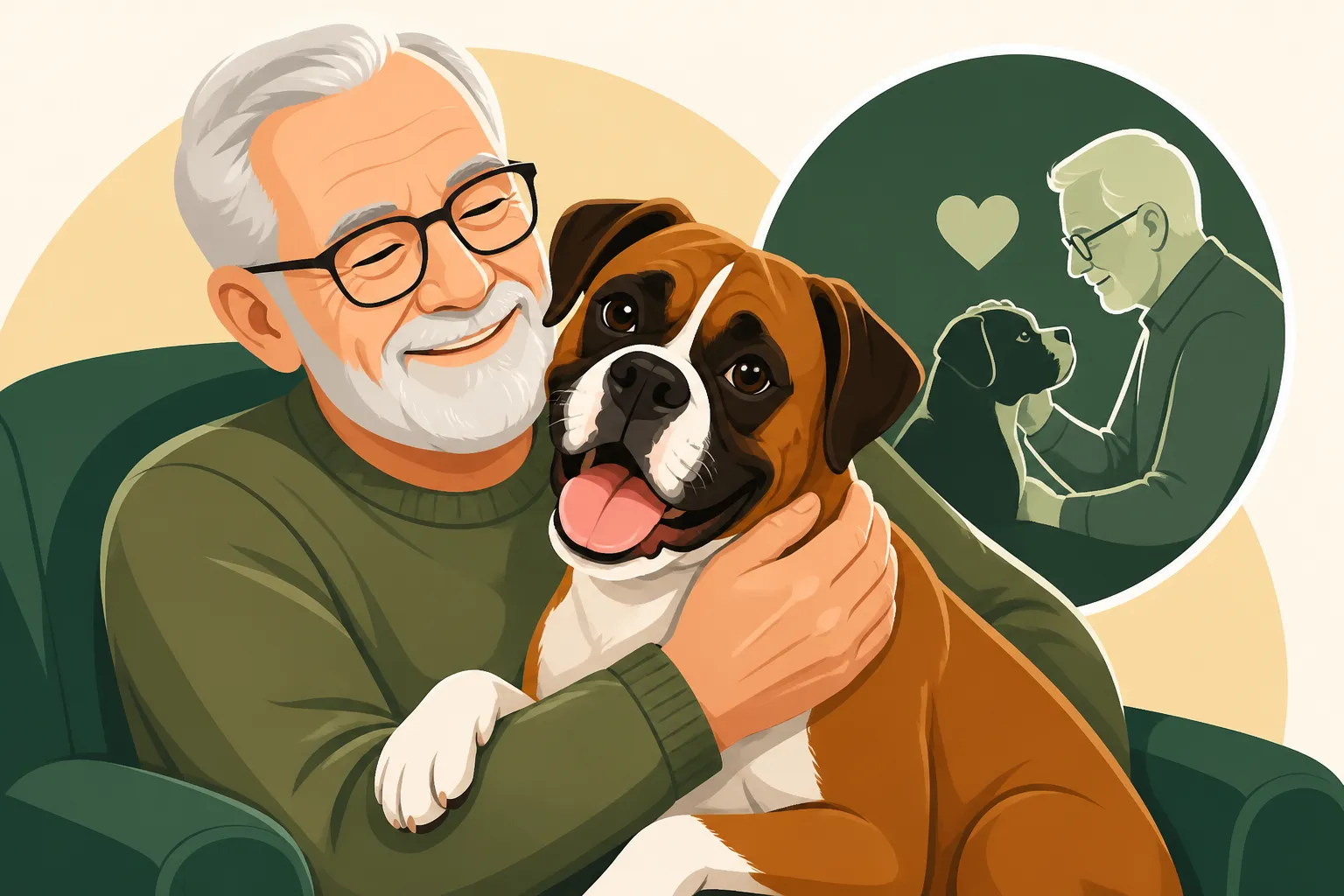
How Boxers Behave With Older Owners
Many prospective dog owners, particularly those who are a little older or living with mobility challenges, often wonder if a lively, powerful breed like the Boxer is truly a good fit for their lifestyle. It’s a completely valid concern, given their reputation for boundless energy and playful antics. This guide will delve deep into the Boxer's unique temperament and needs, exploring how they can integrate beautifully into households with older owners, and offering practical strategies to ensure a harmonious and joyful life together.
Understanding the Boxer's Core Temperament
Boxers are not just dogs; they're family members through and through. They possess a remarkable blend of loyalty, playfulness, and intelligence, making them incredible companions for the right household. But understanding their inherent nature is key to appreciating how they can thrive with owners who may not be able to keep up with a twenty-something's pace.
The Everlasting Puppy Syndrome
It's a common saying among Boxer enthusiasts that they are "the Peter Pan of dogs," forever young at heart. This isn't just a cute anecdote; it’s a reality that owners need to prepare for. Boxers mature more slowly than many other breeds, often acting like exuberant puppies well into their second or even third year. This means that for a significant period, you’ll have a large, powerful dog with the mental maturity of a much younger pup. They’ll bounce, zoom, and test boundaries with an enthusiasm that can be both charming and challenging. Why a Boxer Acts Like a Puppy Until Three discusses this phenomenon in more detail.
For an older owner, this extended puppyhood might seem daunting. The sheer physicality of managing a young, boisterous Boxer can be a lot. They might jump on you in excitement, accidentally knock things over, or demand constant attention. However, this isn't an insurmountable obstacle. It simply means that clear expectations, consistent training from day one, and a willingness to adapt your environment are critical. It also means that while they might have bursts of energy, their core desire is often just to be with you, engaging in whatever activity you choose.
Affectionate and People-Oriented Nature
If there's one thing a Boxer excels at, it's loving their people. These dogs form incredibly strong bonds with their families. They thrive on companionship and want to be involved in whatever you're doing, whether it's watching TV, gardening, or going for a gentle stroll. This deep-seated need for connection makes them incredibly sensitive to their owners' moods and desires. They are renowned for their clownish antics designed to make you laugh, and their unwavering presence can be a huge comfort.
This strong bond is precisely what makes them so suitable for older owners who are looking for a devoted companion. Their affection isn't tied to high-impact activities; it's about shared presence and mutual enjoyment. They are natural leaners and snugglers, often seeking physical contact. This profound connection means they are often very attuned to their human's physical state, frequently adapting their behavior to be gentler if they sense you're not feeling well or are less mobile. Whether a Boxer Bonds With One Person delves into how deep these relationships can go.
Energy Levels and Exercise Needs
The perception of a Boxer as a non-stop energy machine isn't entirely wrong, but it's also not the full picture. Their energy levels fluctuate with age, and more importantly, they are often quite adaptable to their owner's routine once they've had their fundamental needs met.
Managing High-Energy Phases
A young Boxer, especially from about six months to two years old, absolutely needs a significant outlet for their energy. We're talking about Sixty to Ninety Minutes a Day With a Boxer of vigorous exercise, often split into multiple sessions. This might include brisk walks, fetch, or dedicated play sessions in a secure yard. For an older owner, directly providing all of this high-intensity exercise might not be feasible or safe.
This is where creative solutions and support networks come into play. Many older owners successfully manage young Boxers by:
- Hiring a professional dog walker: A reliable dog walker can take your Boxer for vigorous outings during the day, burning off that excess energy.
- Enrolling in doggie daycare: A few days a week at a reputable daycare can provide immense physical and mental stimulation.
- Utilizing secure dog parks: If you have a well-socialized Boxer and feel comfortable, supervised visits to a dog park can be a great way for them to run and play with other dogs.
- Engaging in mental exercise: Puzzle toys, training sessions, and scent games can tire a Boxer out just as effectively as physical exercise, without requiring strenuous physical exertion from you. You can find a fantastic selection of brain-stimulating toys and feeders on sites like Chewy that can help keep their minds active.
The key is consistency and ensuring their energy is channeled productively, preventing destructive behaviors that stem from boredom.
Adapting to Slower Paces
One of the most heartwarming aspects of Boxer ownership is watching them mature. While they retain their playful spirit, their boundless energy does begin to mellow around age three to five. As they enter their senior years, typically after seven or eight, their exercise needs naturally decrease. What Changes in a Boxer After Seven outlines this shift.
At this stage, their pace often aligns much more closely with an older owner's rhythm. Instead of needing long, brisk runs, they might be perfectly content with several shorter, leisurely walks throughout the day, interspersed with plenty of naps and cuddle time. Their enthusiasm for gentle games of fetch in the yard or a short stroll around the block remains, but the intensity lessens considerably. This is often when a Boxer becomes the quintessential companion for an older adult, content to be by their side, offering quiet comfort and companionship without demanding constant, high-octane activity.
Training and Manageability
A well-trained Boxer is a joy regardless of your age, but for an older owner, good manners aren't just a nicety—they're a necessity for safety and peace of mind.
The Importance of Early Training
From the moment a Boxer puppy enters your home, training should begin. Their intelligence, while sometimes overshadowed by their clownishness, means they are capable learners. Focusing on fundamental commands like "sit," "stay," "come," and especially "down" or "off" is paramount. A seventy-pound Boxer jumping up can easily knock a person off balance, which is a serious concern for older individuals. Proactive training to prevent jumping is crucial. Stopping a Seventy-Pound Boxer From Jumping offers detailed strategies.
Leash manners are another non-negotiable. A strong, excited Boxer can pull with surprising force. Investing in a good front-clip harness or head halter can make a world of difference in managing them on walks. Remember, you can easily find various training aids and harnesses suitable for Boxers on platforms like Chewy, making it convenient to get what you need delivered right to your door. Professional puppy classes or one-on-one sessions with a trainer experienced with Boxers can also provide invaluable guidance and support, ensuring you start on the right paw.
Positive Reinforcement and Consistency
Boxers respond exceptionally well to positive reinforcement methods. They are sensitive souls and can shut down or become stubborn if harsh corrections or loud voices are used. Positive reinforcement, which involves rewarding desired behaviors with treats, praise, or toys, not only strengthens your bond but also makes training an enjoyable experience for both of you. Why a Boxer Shuts Down When You Get Loud explains this sensitivity.
Consistency is the bedrock of Boxer training. Everyone in the household needs to be on the same page with commands and expectations. Short, frequent training sessions (5-10 minutes) are often more effective than long, drawn-out ones, as Boxers can get bored. This approach is also less physically demanding for the owner. By being consistent and patient, you'll find your Boxer eager to please and a well-mannered member of the family.
Physical Considerations for Older Owners
Let's be realistic: Boxers are powerful dogs. Their enthusiasm, combined with their size, can pose unique challenges for older owners, but these are often manageable with the right tools and techniques.
Strength and Control on Leash
One of the biggest concerns for many older owners is maintaining control of a Boxer on a leash, especially if the dog spots a squirrel or another dog and decides to bolt. A fully grown Boxer can weigh upwards of 70 pounds and pack a lot of muscle.
This is where the right gear and training become lifesavers. Forget neck collars for walks; a well-fitted front-clip harness redirects their pulling power from their chest, making it much easier to manage. Brands like Easy Walk or Freedom Harness are often recommended for strong pullers. Alternatively, a head halter can offer even greater control, gently guiding their head (and therefore their body) in the direction you want to go. Consistent Harnesses That Hold a Pulling Boxer training, focusing on loose-leash walking, is also essential. Even short training bursts multiple times a day can make a huge difference.
Managing a Bouncy, Enthusiastic Boxer
Boxers are famous for their "wiggle butt" greetings and their habit of "boxing" with their front paws when excited. While endearing, this can be risky for older individuals, especially those with balance issues or fragile bones. A Boxer That Knocks Children Over is a real concern, and it applies just as much, if not more, to elderly family members.
Teaching an "off" command from an early age is vital, coupled with rewarding four-on-the-floor greetings. When guests arrive, having a designated "place" command for your Boxer can help manage their initial excitement. You might even consider gate-training them so they can greet visitors calmly from behind a barrier until they settle. Always encourage gentle interactions and avoid exciting games when you or others are feeling unsteady. Providing them with plenty of appropriate chew toys can also redirect their mouthy play away from your hands and clothing.
Health and Lifespan Realities
Boxers, like all purebred dogs, come with their own set of potential health challenges. Understanding these and being prepared for the commitment they entail is crucial for any owner, but especially for older individuals planning for the future.
The Vet Visits and Care Commitment
Boxers are known for a few common health issues, including certain cancers (especially mast cell tumors and lymphoma), heart conditions like ARVC (Boxer Cardiomyopathy), and sensitive digestive systems that can lead to colitis or bloat. This means that regular veterinary check-ups are incredibly important, often twice a year as they age. Beyond routine wellness exams, you might find yourself navigating specialist appointments, diagnostic tests, or managing chronic conditions. The Yearly Bill for a Seventy-Pound Boxer can attest to the financial and time commitment involved.
For older owners, managing these appointments can sometimes be challenging, particularly if transportation is an issue. Having a plan for veterinary care, including knowing reliable pet transport services or having family/friends who can assist, is a wise move. Consider pet insurance early in your Boxer's life to help mitigate the costs of unexpected illnesses or emergencies.
| Boxer Health Stage | Typical Needs | Potential Impact on Older Owner |
|---|---|---|
| Puppy (0-1 year) | Vaccinations, deworming, growth checks, spay/neuter | Frequent vet visits, managing puppy energy and training |
| Adult (1-7 years) | Annual wellness exams, heart screenings (Holter) | Regular check-ups, monitoring for early signs of disease |
| Senior (7+ years) | Bi-annual exams, blood work, joint supplements, cancer screening, potential medications | More frequent vet visits, managing multiple conditions, mobility support |
Preparing for Senior Boxer Care
As Boxers enter their golden years, typically around eight years old, their needs will shift. They may develop arthritis, experience cognitive decline, or require daily medication for conditions like heart disease or hypothyroidism. Caring for a Boxer Past Eight involves a deeper level of commitment and attentiveness.
For older owners, this might mean:
- Mobility Assistance: Investing in orthopedic beds, non-slip rugs, or even a ramp for the car can help an aging Boxer get around more comfortably.
- Medication Management: Administering daily pills, drops, or injections becomes part of the routine.
- Dietary Changes: Switching to senior-specific diets or prescription foods (readily available on platforms like Chewy) might be necessary to support joint health, weight management, or organ function.
- Increased Grooming: Older Boxers might need more help with nail trims or wiping folds if they can't manage it themselves.
While this may sound like a lot, the enduring loyalty and comfort a senior Boxer provides often far outweigh the extra care. Their calm presence can be immensely soothing, and the bond deepens as you care for them in their twilight years.
The Emotional Bond and Companionship
Ultimately, the reason most people bring a Boxer into their lives is for the incredible companionship they offer. For older owners, this aspect is often the most valuable.
Unwavering Loyalty and Affection
A Boxer's love is profound and unconditional. They are truly "velcro dogs" who thrive on being close to their humans. For older individuals, who may experience loneliness or reduced social interaction, a Boxer can fill a huge void. Their constant, loving presence provides comfort, reduces stress, and offers a sense of purpose. They are phenomenal snugglers, eager to curl up next to you on the couch, or even in bed if you allow it. Their funny antics, their expressive faces, and their gentle nudges for attention bring immense joy and laughter into the home.
They are intuitive animals, often sensing when you need a little extra TLC. Many Boxer owners report their dogs being incredibly gentle and reassuring during times of illness or sadness. This deep, emotional connection makes the Boxer an exceptional companion for an older owner looking for a devoted, loving friend.
Boxer as a Motivator for Activity
While we've discussed managing their energy, a Boxer's need for daily walks and engagement can also be a significant benefit for older owners. Having a happy, enthusiastic dog looking at you with expectant eyes can be a wonderful motivator to get out and move. Even a leisurely stroll around the neighborhood provides fresh air, light exercise, and a chance for social interaction with other dog walkers.
This gentle push towards activity can help maintain physical health, balance, and overall well-being. It’s a reciprocal relationship: you provide your Boxer with the enrichment they need, and in return, they contribute positively to your own health and happiness. It's about finding that sweet spot where their needs align with your capabilities, creating a truly enriching partnership. If you're considering a Boxer as a first-time owner, it's worth exploring Whether a Boxer Fits a First-Time Owner for broader considerations beyond age. And remember, even when the weather isn't cooperating, a Boxer still needs activity, so consider Boxer Exercise Needs and the Heat That Limits Them to keep them safe and engaged year-round.
Disclaimer
This article is for general informational purposes only and does not constitute professional advice. Laws, prices and regulations vary by location and change over time. Consult a qualified professional for guidance on your specific situation.