Radiation After a Boxer Tumor Removal
Finding a lump on your beloved Boxer is one of the most terrifying moments a dog owner can face. Even when that lump is successfully removed and you breathe a sigh of relief, the worry often lingers: What if it comes back? This is a deeply valid fear, especially with certain aggressive cancer types common in Boxers. This comprehensive guide will walk you through why your vet might recommend radiation therapy after a Boxer's tumor removal, what the process entails, and what you can expect, so you can make informed decisions for your furry family member.
Why Radiation is Recommended After Tumor Removal in Boxers
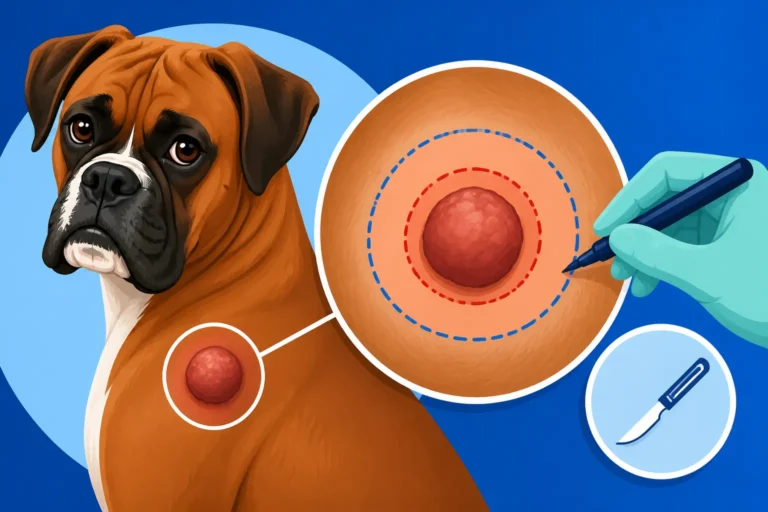
When your Boxer has a tumor removed, the goal is always to get "clean margins" – meaning the surgeon tries to remove all visible cancerous tissue along with a border of healthy tissue. However, cancer cells are microscopic and can be sneaky. Sometimes, despite the best efforts, tiny, invisible remnants can be left behind, lurking to cause a recurrence. This is where radiation therapy steps in, acting as a crucial backup to surgical removal.
Addressing Microscopic Disease Left Behind
Imagine cancer cells as dandelions in your lawn. Surgery is like carefully digging out the main plant. If you get all the roots, great! But often, tiny root fragments break off or extend further than you could see, and those fragments can regrow into new dandelions. That’s essentially what microscopic disease is. Even if your vet tells you they achieved "clean margins," it doesn't always guarantee that every single cancerous cell was eradicated. Aggressive tumors can have tendrils that are invisible to the naked eye, even during surgery.
For a Boxer, whose genetic predisposition makes them susceptible to various cancers, addressing these microscopic residues is paramount. The aim of post-surgical radiation is to target and destroy any of these lingering cancer cells in the immediate area where the tumor was removed. This significantly reduces the chances of the tumor growing back in the same spot, which is a common and heartbreaking scenario for many owners. It’s about taking proactive steps to give your Boxer the best possible long-term outcome, extending their quality of life and potentially their Boxer Lifespan and the Years That Decide It.
High-Risk Tumor Types Common in Boxers
Boxers, unfortunately, have a genetic propensity for several types of cancer that are known for their aggressive nature and high likelihood of local recurrence. These are the specific villains that often warrant a discussion about radiation therapy post-surgery. Knowing these types can help you understand your vet's recommendation.
One of the most common and frustrating cancers in Boxers is the mast cell tumor. These can be particularly tricky. Even if a mast cell tumor appears small and innocent on the surface, its behavior under the microscope can be highly unpredictable. High-grade mast cell tumors, or those located in difficult-to-remove areas, often require radiation to ensure all malignant cells are zapped. You can learn more about Grading a Boxer's Mast Cell Tumor to understand the prognosis better. Another concern is soft tissue sarcomas. While these may appear encapsulated, they often send microscopic projections into surrounding tissues, making complete surgical removal challenging. Similarly, certain aggressive fibrosarcomas or perianal adenocarcinomas might also benefit from adjunctive radiation. These are some of The Cancers That Take Most Boxers, and their aggressive nature is precisely why a multi-modal approach, including radiation, is often considered the gold standard.
How Radiation Therapy Works for Your Boxer
Understanding the mechanics of radiation therapy can feel a bit intimidating, but it's essentially using targeted energy to damage and destroy cancer cells. The process is carefully planned and executed to maximize impact on the cancer while minimizing harm to healthy tissues. It's a precise science, and your veterinary oncologist will be your best guide through every step.
Different Types of Radiation Treatment
When we talk about radiation therapy for dogs, we're generally referring to external beam radiation, where a machine delivers radiation from outside the body. There are a couple of primary approaches, each with its own benefits and considerations, depending on your Boxer's specific tumor and situation.
Conventional Fractionated Radiation Therapy (CFRT): This is the most common type and involves delivering small doses (fractions) of radiation daily, typically Monday through Friday, for several weeks (e.g., 3-4 weeks). Each session is short, usually lasting only a few minutes. The idea behind fractionating the dose is to allow healthy cells to repair themselves between treatments while cancer cells, which are less efficient at repair, accumulate damage and die. Your Boxer will need to be sedated or anesthetized for each treatment to ensure they stay perfectly still, allowing for accurate targeting. This method aims to provide excellent local control with a manageable level of side effects.
Stereotactic Radiation Therapy (SRT) or Stereotactic Radiosurgery (SRS): This is a newer, more advanced approach that delivers a very high dose of radiation in just 1-5 treatments. SRT uses highly precise imaging and targeting to deliver radiation with sub-millimeter accuracy to the tumor while sparing surrounding healthy tissue. Because the dose per treatment is much higher, fewer sessions are needed. This can be appealing for owners who want to minimize the number of anesthetic events for their Boxer, or for tumors located in sensitive areas where collateral damage needs to be minimized. However, not all facilities offer SRT, and it typically requires a referral to a specialty veterinary oncology center. Both methods have their place, and your oncologist will discuss which is most appropriate given your Boxer's diagnosis and overall health.
The Treatment Process from Consultation to Completion
Embarking on radiation therapy for your Boxer is a journey, and it begins long before the first beam is delivered. It's a comprehensive process that requires careful planning and a significant commitment from you as an owner.
First, you'll have an in-depth consultation with a veterinary radiation oncologist. They will review your Boxer's history, pathology reports (especially the Histopathology Fees on a Boxer Tumor report that graded the tumor), and any previous imaging. This is the time to ask every question you have, no matter how small. The oncologist will explain the recommended treatment plan, including the type of radiation, number of fractions, potential side effects, and prognosis. Next comes the planning phase, which is crucial for precision. This typically involves a CT scan of the affected area, often performed under general anesthesia. The CT images allow the oncologist to precisely map the tumor site and surrounding healthy organs, creating a detailed 3D treatment plan. This plan dictates exactly where the radiation beams will be directed and from what angles, ensuring the cancer gets the maximum dose while vital structures are protected. This planning ensures that the "radiation after a Boxer tumor removal" is as effective and safe as possible.
Once the plan is finalized, your Boxer will undergo their treatment sessions. As mentioned, for conventional radiation, this means daily visits, usually for several weeks. Each session requires your Boxer to be gently sedated or briefly anesthetized to ensure complete stillness and accurate positioning. The actual radiation delivery itself only takes a few minutes per session, but the preparation, anesthesia induction, and recovery add to the overall time spent at the clinic. During this period, the oncology team will be closely monitoring your Boxer, checking for any immediate side effects and adjusting supportive care as needed. This continuity of care is vital for their comfort and well-being throughout the treatment course.
What to Expect During and After Your Boxer's Radiation Treatment
Undergoing radiation therapy is a significant undertaking for both your Boxer and for you as their dedicated owner. It's natural to worry about how your dog will cope, what side effects might arise, and what the recovery period will look like. Being prepared for these aspects can help you navigate the process with greater confidence and provide the best possible support for your beloved companion.
Acute Side Effects and How to Manage Them
Just like in human cancer treatment, radiation therapy in dogs can cause side effects. These are generally categorized as acute (occurring during or shortly after treatment) and late (developing weeks to months later). The acute side effects are usually localized to the area being treated and are a result of the radiation affecting rapidly dividing healthy cells in that region, such as skin cells and mucous membranes.
For a Boxer receiving radiation to, say, their leg where a sarcoma was removed, you might observe skin changes similar to a severe sunburn. This can include redness, irritation, hair loss, and sometimes even moist dermatitis where the skin breaks down. It's uncomfortable, no doubt, but manageable. The oncology team will prescribe medications like pain relievers, anti-inflammatory drugs, and topical creams to soothe the skin and prevent infection. It’s important to keep the treated area clean and dry and prevent your Boxer from licking or chewing it, which might require an Elizabethan collar. Another common acute side effect is fatigue. Your Boxer might seem more tired than usual, especially towards the end of their treatment course, which is perfectly normal. Ensuring they have a quiet, comfortable place to rest and maintaining gentle exercise is key. Don't push them to maintain their usual energy levels; listen to their body.
Long-Term Side Effects and Post-Treatment Care
While acute side effects typically resolve within a few weeks after treatment ends, some long-term changes can occur. These are generally less severe but are important to be aware of and monitor. The most common late effects include changes to the skin and hair in the treated area. The hair might grow back a different color or texture, or sometimes not at all. The skin can become thicker, scarred, or develop hyperpigmentation (darkening). These are usually cosmetic and don't bother the Boxer, but it's something to be prepared for visually.
More serious long-term side effects are rare but can include tissue fibrosis (hardening and tightening of tissues), chronic pain, or, very rarely, the development of a secondary tumor in the irradiated area years down the line. Your veterinary oncologist will discuss these risks with you based on the specific treatment plan and the area being radiated. After treatment, regular follow-up appointments with your oncologist will be scheduled to monitor your Boxer's recovery, assess for any recurrence, and manage any lingering side effects. These check-ups are vital for catching any potential issues early. Continuing to do Weekly Lump Checks on a Boxer at home remains crucial, even after extensive treatment. The oncology team will also advise you on long-term care, which might include specific skin care routines or dietary adjustments to support healing.
Making the Decision: Is Radiation Right for Your Boxer?
The decision to pursue radiation therapy for your Boxer after tumor removal is a deeply personal one, weighing emotional, medical, and financial factors. It's a choice that no owner takes lightly, and it's essential to have a clear understanding of what you're signing up for and why. Your veterinary oncologist will provide all the clinical data, but ultimately, the decision rests on what you feel is best for your unique companion and your family's circumstances.
Weighing the Benefits Against the Risks
On the one hand, the benefits of radiation therapy can be profound. For certain aggressive tumors, especially those where Surgery Margins on a Boxer Mast Cell Tumor were close or incomplete, radiation can dramatically improve local tumor control. This means a much lower chance of the tumor growing back in the same spot, potentially leading to a longer disease-free interval and a better quality of life for your Boxer. It can be the difference between a quick recurrence and several years of healthy, happy life. The peace of mind knowing you've done everything possible to combat the cancer is also a significant benefit for owners.
However, there are undeniable risks and downsides. The need for daily anesthesia (for conventional radiation) carries inherent risks, especially for Boxers, who can be prone to cardiac issues like What Boxer ARVC Actually Does to the Heart or anesthesia sensitivities due to their brachycephalic (flat-faced) nature. The side effects, while manageable, can be uncomfortable for your Boxer and demanding for you to manage. It's a significant time commitment, requiring frequent trips to the veterinary oncology center. You must weigh the potential for increased lifespan and improved local control against these physical, emotional, and logistical challenges. It’s not just about adding years, but about adding good years.
Financial Considerations and Pet Insurance
Let's be blunt: cancer treatment for a Boxer, including radiation therapy, is expensive. The costs can quickly add up, covering consultations, diagnostic imaging (CT/MRI), anesthesia for each treatment, the radiation sessions themselves, and all the supportive medications and follow-up care. Many owners are shocked by Radiation Therapy Prices for a Boxer, which can range from several thousand dollars for a palliative course to well over $10,000-$15,000 for a full, definitive curative course, depending on the type of radiation, the number of fractions, and your location. This is a very real, and often devastating, burden that can influence treatment decisions.
This is precisely why having comprehensive pet insurance can be a game-changer. When faced with the daunting bills for procedures like tumor removal and potential follow-up radiation, having a robust pet insurance plan can make a world of difference. Many Boxer owners find peace of mind with providers like Healthy Paws, which can cover a significant portion of these unexpected costs. Understanding your policy details before your Boxer ever gets sick is vital. Providers like Healthy Paws often have waiting periods, so enrolling your puppy or young adult Boxer early is a smart move to ensure comprehensive coverage when you need it most, especially for common Boxer ailments. If you're exploring Financing Unplanned Boxer Cancer Treatment, consider what an early investment in a plan like Healthy Paws could have covered. Pet insurance can make otherwise unaffordable, life-extending treatments a viable option, allowing you to focus on your dog's care rather than solely on the cost. It's one of the best ways to prepare for the reality of What a Boxer Costs Across Ten to Twelve Years, particularly when unexpected health issues arise.
Here's a general overview of typical costs (these are estimates and can vary widely by region and facility):
| Service/Item | Estimated Cost (USD) | Notes |
|---|---|---|
| Oncology Consultation | $150 – $400 | Initial visit with a specialist. |
| Diagnostic Imaging (CT Scan for Planning) | $1,000 – $2,500 | Essential for precise radiation targeting, often includes anesthesia. |
| Conventional Radiation (15-20 fractions) | $5,000 – $8,000+ | Most common, multiple small daily doses over 3-4 weeks. Each fraction includes anesthesia. |
| Stereotactic Radiation (1-5 fractions) | $7,000 – $12,000+ | Higher precision, fewer treatments, but higher per-treatment cost. Each fraction includes anesthesia. |
| Anesthesia (per session) | Included in treatment cost, but critical consideration. | Boxers need careful monitoring due to brachycephalic risk. |
| Medications (Pain, Anti-inflammatories) | $50 – $200 per month | For managing acute side effects and discomfort. |
| Follow-up Exams | $100 – $300 per visit | Post-treatment monitoring for recurrence and long-term effects. |
Navigating the financial maze of cancer treatment, from initial diagnostics to radiation therapy, can be overwhelming. Speaking with your pet insurance provider, such as Healthy Paws, about what your specific plan covers for oncology treatments is a key step.
Prioritizing Your Boxer's Quality of Life
Ultimately, the most important factor in making treatment decisions for your Boxer is their quality of life. Radiation therapy can be effective, but it's not without its challenges. You need to consider whether your Boxer is generally healthy enough to tolerate the anesthesia sessions and the potential side effects. A Boxer who is already frail, has significant underlying health issues, or is extremely stressed by vet visits might not be the best candidate for an intensive treatment protocol. This is where you might reflect on topics like Deciding Against Treatment for a Boxer if the burden outweighs the benefit.
Talk openly with your oncologist about your Boxer's personality, their resilience, and your goals. Is the aim to achieve a cure, or is it to improve comfort and extend good quality time? Sometimes, less aggressive options, or even palliative care without radiation, might be more appropriate for maintaining your Boxer's happiness in their final chapter. Your vet can discuss alternative treatments like Chemotherapy for a Boxer With Cancer which might be less invasive in some cases. The goal is always to ensure that any treatment pursued enhances, rather than detracts from, the joy and comfort your Boxer experiences every day. It’s about ensuring that you are truly Knowing When a Boxer With Cancer Has Had Enough and prioritizing their comfort above all else.
Disclaimer
The information provided in this guide is intended for general informational purposes only and does not constitute veterinary medical advice. Always consult with a qualified veterinary professional for any health concerns or before making any decisions related to your Boxer's care and treatment. Every dog's situation is unique, and individualized advice is essential.