The Age Boxer Colitis Usually Starts
Few things are more disheartening for a Boxer owner than seeing their lively, energetic puppy suddenly struggling with loose stools, sometimes even with alarming streaks of blood or mucus. It's a common and incredibly frustrating scenario that often leaves us wondering, "Is this just a normal puppy tummy, or something more serious?" This guide is here to shed light on Boxer colitis, specifically addressing the typical age this breed-specific digestive issue tends to manifest, and what you can do about it.
Understanding Boxer Colitis in Young Dogs
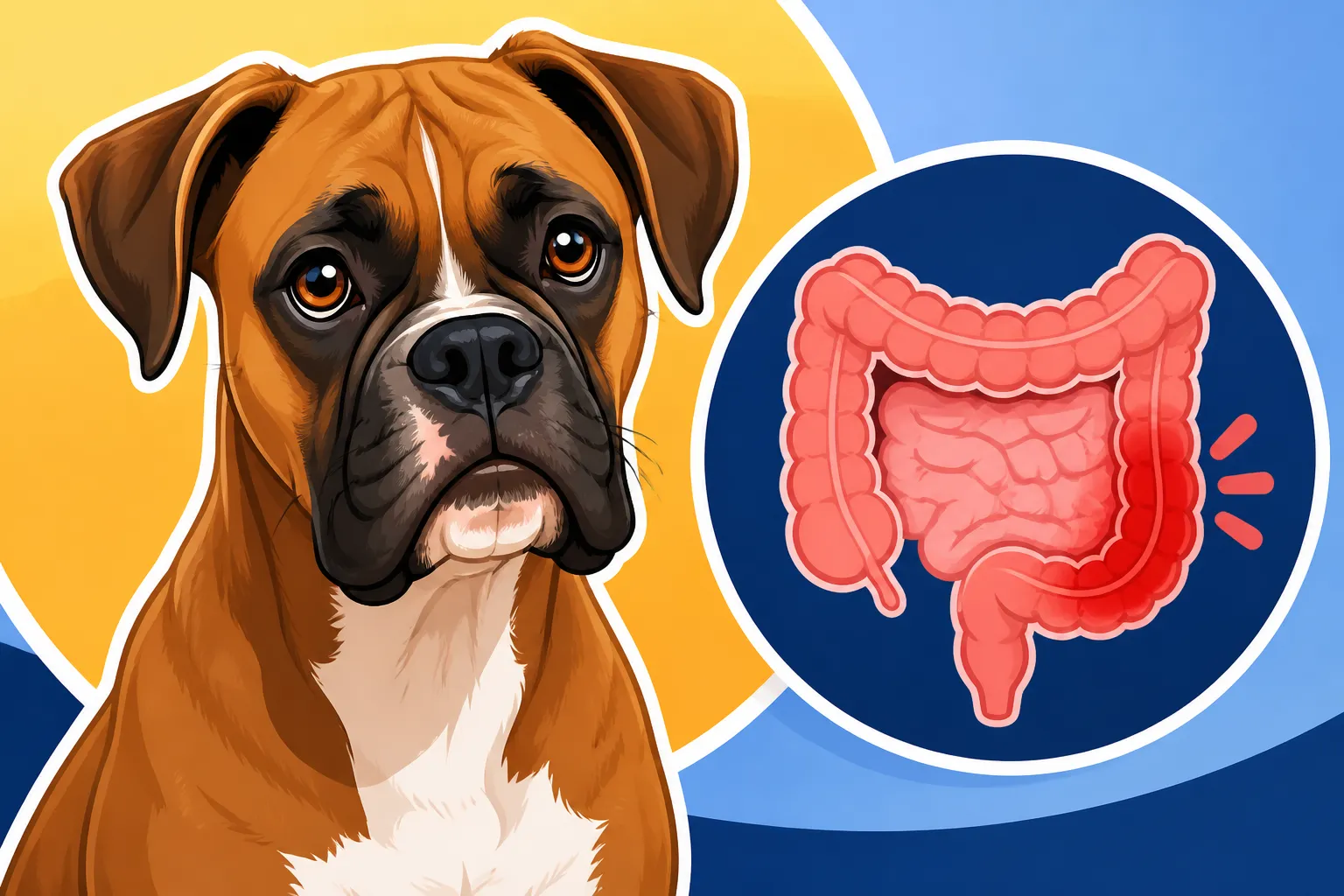
Boxer colitis, often formally known as histiocytic ulcerative colitis (HUC) or granulomatous colitis, is a distinct inflammatory bowel disease that primarily affects our beloved Boxers. It's not your run-of-the-mill upset tummy; it's a chronic, progressive condition that specifically targets the colon. The frustrating part is that it often rears its head when your Boxer is still very much a puppy or just entering adolescence, making it even more distressing for new owners.
What is Boxer Colitis and Why It's Unique
Unlike general inflammatory bowel disease (IBD), which can affect any part of the digestive tract in various breeds, Boxer colitis is peculiar because it’s characterized by the infiltration of the colon lining with specific immune cells called macrophages, which are often packed with E. coli bacteria. This isn't just a simple infection; it's an abnormal immune response where the dog's body seems unable to properly clear these bacteria from the gut lining. This unique mechanism is why standard antibiotics or dietary changes often fall short, and it's also why specific medications are needed to target the underlying problem. It's truly a Boxer-specific challenge, and it's what makes diagnosing and treating it sometimes a bit different from other gastrointestinal issues.
The Typical Onset Age: Puppyhood to Early Adulthood
One of the most defining characteristics of Boxer colitis is its age of onset. You'll typically start to see the first signs when your Boxer is anywhere from under one year old to about two years old. It's quite common for symptoms to begin around six months to two years of age, right when they’re full of puppy mischief and energy. Imagine you’ve just brought home your bouncy Boxer puppy, and instead of enjoying carefree playtime, you're constantly monitoring their potty breaks and worrying about their health. This young age range for onset means it’s crucial for puppy owners to be vigilant and not dismiss persistent digestive issues as merely "sensitive puppy stomach." For some Boxers, the initial signs might be subtle, like soft stools now and then, but for many, it quickly progresses to more severe and frequent episodes. This early manifestation is one of the reasons it can be so heartbreaking and stressful for families, as they often have to navigate chronic illness with a very young dog.
Why Boxers Are Prone to Colitis
The short answer is genetics and a specific immune system quirk. Boxers, as a breed, have a genetic predisposition to this particular form of colitis. While researchers are still fully understanding the exact genetic markers, it’s clear there’s an inherited component. Their immune system, for reasons still being investigated, seems to react unusually to certain E. coli bacteria, allowing them to invade and persist within the colon's macrophages. This isn't something that happens in most other breeds, or at least not in this specific and severe presentation. It's a cruel irony that such a robust and otherwise healthy breed can be struck down by such a debilitating internal issue. This predisposition highlights the importance of thorough health screening by reputable breeders, though even with the best intentions, this condition can still appear. The good news is that understanding this predisposition helps veterinarians narrow down the diagnosis more quickly when a Boxer presents with classic symptoms.
Recognizing the Signs and Symptoms
Spotting Boxer colitis early can be a game-changer for your dog’s comfort and long-term health. Because it often starts subtly, it’s easy to write off initial symptoms as something less serious. However, paying close attention to your Boxer’s bathroom habits and general demeanor can help you catch it before it severely impacts their quality of life. Don't assume that if your puppy has occasional loose stools, they will Whether a Boxer Puppy Outgrows Loose Stools. Persistent issues are a red flag.
Early Indicators You Might Miss
Initially, the signs might be intermittent and mild. You might notice your Boxer puppy has softer stools than usual, perhaps not quite diarrhea, but definitely not firm. These episodes might come and go, making you think it’s just a dietary indiscretion or a fleeting stomach bug. You might also observe some straining during defecation, even if the stool is soft. This straining is a key indicator of colon inflammation, as the dog feels a constant urge to go, even if there’s little to pass. It’s also common to see your Boxer posturing to defecate several times during a walk, only to produce a small amount or nothing at all, a symptom often referred to as tenesmus. Sometimes, the only early sign is a bit of fresh, red blood on the surface of the stool, or perhaps some clear, jelly-like mucus. These seemingly minor details are actually crucial clues that warrant a closer look.
Distinctive Features of Boxer Colitis Stool
When Boxer colitis takes hold, the stool characteristics become much more distinctive. The most common and tell-tale signs are frequent, small-volume stools, often with a significant amount of Bloody Mucus in a Young Boxer's Stool. This mucus isn't just a tiny bit; it can sometimes coat the entire stool or even be passed on its own. The blood is usually bright red, indicating it's fresh from the lower intestinal tract (colon or rectum). The stool itself might be soft, pudding-like, or even watery diarrhea, but the frequency and the presence of mucus and blood are more indicative than just the consistency. Many owners report their Boxers having sudden urges to defecate, sometimes not even making it outside in time, which is very out of character for a typically house-trained Boxer. It's not uncommon to see your Boxer Straining and Small Stools in a Boxer, even small amounts of diarrhea. This pattern of urgency, straining, and the presence of blood and mucus is a classic presentation of colitis.
Behavioral Changes to Watch For
Beyond the obvious stool changes, your Boxer might exhibit subtle behavioral shifts due to the constant discomfort and inflammation in their gut. They might seem more lethargic, less interested in play, or generally not as enthusiastic as a typical Boxer puppy should be. Some dogs might show signs of abdominal discomfort, such as hunching their back, being sensitive to touch around their belly, or stretching out in unusual ways to try and relieve pressure. Appetite can fluctuate; some Boxers might continue to eat well despite the gastrointestinal upset, while others might become finicky or lose interest in food entirely. Weight loss can also occur, especially if the condition is chronic and severe, leading to malabsorption. All these changes, especially when combined with the specific stool characteristics, should prompt an immediate call to your veterinarian. Remember, your vet is your best resource for understanding if these are just minor issues or something that needs urgent attention.
Diagnosis and Initial Management
Navigating a potential Boxer colitis diagnosis can feel overwhelming, especially when your young Boxer is feeling poorly. The good news is that your vet has a clear path to follow, and early, accurate diagnosis is the first step toward effective management and bringing relief to your pup. Don't hesitate to reach out for help. Many pet insurance providers, like Healthy Paws, recognize the importance of early diagnosis and treatment for breed-specific conditions, potentially offering support for the diagnostic journey.
The Importance of Early Veterinary Intervention
Seriously, don't wait. If you're seeing any of the signs we've discussed, particularly recurrent loose stools, blood, or mucus, it's time to get to the vet. Early intervention is crucial for a few key reasons. First, it rules out other common causes of diarrhea in puppies, like parasites (e.g., Giardia Against Colitis in a Boxer), dietary indiscretions, or stress-related upset. Second, if it is Boxer colitis, prompt treatment can help manage the inflammation, reduce discomfort for your dog, and potentially slow the progression of the disease. Prolonged inflammation can lead to more severe damage to the colon lining, making it harder to get under control later. Plus, frankly, seeing your dog in pain or discomfort is awful, and getting them seen quickly means getting them relief sooner.
Diagnostic Steps Your Vet Will Take
Your vet will start with a thorough physical examination and a detailed history of your Boxer's symptoms. This is where your observations about stool frequency, consistency, and any blood or mucus become invaluable. They'll likely recommend a series of tests to pinpoint the problem.
Here’s a typical diagnostic pathway:
- Fecal Examination: This is a standard first step to check for intestinal parasites, which are very common in puppies and can cause similar symptoms. They might look for ova and parasites (O&P) and also run a Giardia test.
- Blood Work: A complete blood count (CBC) and biochemistry panel can assess your Boxer's overall health, check for signs of infection or inflammation elsewhere, and ensure organs are functioning correctly.
- Abdominal Imaging: X-rays might be taken to rule out foreign bodies or other structural issues in the abdomen. Ultrasound can give a more detailed view of the intestinal wall, although it's not always definitive for colitis.
- Response to Treatment Trials: Often, a vet might initiate a trial of specific antibiotics known to be effective against Boxer colitis, such as enrofloxacin, to see if the symptoms improve. This can sometimes provide strong diagnostic evidence, as Why Boxer Colitis Responds to One Antibiotic is unique to this condition.
- Colonoscopy with Biopsy: This is often the definitive diagnostic tool. It involves a specialized procedure where a camera is inserted into the colon to visualize the lining and collect tissue samples. The biopsy samples are then sent to a pathologist who can identify the characteristic inflammatory cells and bacteria present in Boxer colitis, confirming the diagnosis. This is often necessary to Diagnosing Boxer Colitis by Biopsy.
Immediate Home Care and Dietary Adjustments
While you're waiting for a diagnosis or beginning a treatment plan, there are things you can do at home to support your Boxer.
- Bland Diet: Switching to a highly digestible, bland diet is usually the first recommendation. This might mean boiled chicken (skinless, boneless) and plain white rice, or a prescription gastrointestinal diet. The goal is to give the irritated colon a break.
- Small, Frequent Meals: Instead of one or two large meals, offer several smaller meals throughout the day. This reduces the load on the digestive system.
- Plenty of Water: Diarrhea can lead to dehydration, so ensure your Boxer has constant access to fresh water. You can also offer low-sodium chicken broth to encourage drinking.
- Hygiene: Keep your Boxer's rear end clean to prevent skin irritation and infection.
- Stress Reduction: Keep your Boxer's environment as calm and stress-free as possible. Stress can exacerbate gastrointestinal issues.
Remember, these are supportive measures and not a cure for Boxer colitis itself. They work best in conjunction with your veterinarian’s prescribed treatment plan. Many veterinarians will also discuss Diet Changes for a Boxer With Colitis as a long-term strategy.
Long-Term Outlook and Ongoing Care
A diagnosis of Boxer colitis doesn't mean your dog can't live a happy, full life. It does, however, mean committing to a long-term management strategy. This condition often requires ongoing attention, and while it can be challenging, seeing your Boxer thrive makes it all worthwhile. Understanding that Whether Boxer Colitis Comes Back is a possibility prepares you for potential flare-ups.
Managing Chronic Colitis
Boxer colitis is often a chronic condition, meaning it requires ongoing management rather than a one-time cure. The cornerstone of treatment for many Boxers with this condition is a specific antibiotic called enrofloxacin (Baytril), often given for extended periods, sometimes for months. This is because the antibiotic targets the E. coli bacteria within the macrophages in the colon wall, which is unique to this condition. Your vet will monitor your Boxer closely during treatment, adjusting the dosage or duration as needed based on their response.
Beyond antibiotics, some Boxers may also benefit from anti-inflammatory medications, such as corticosteroids, to help calm the intense inflammation in the colon. These are typically used cautiously and often tapered down as other treatments take effect, due to potential side effects. The goal is to find the minimum effective dose of medication that keeps your Boxer comfortable and symptom-free. This often means a close partnership with your vet, regular check-ups, and open communication about how your Boxer is doing. Consistent care and adherence to the treatment plan are vital for successful management.
Dietary Strategies and Probiotics
Diet plays a huge role in managing Boxer colitis. Many Boxers respond well to highly digestible, novel protein diets or hydrolyzed protein diets. These diets feature protein sources that your Boxer hasn't eaten before (like duck or venison) or proteins that have been broken down into smaller components, making them less likely to trigger an immune response in the gut. Your vet might suggest a prescription diet specifically formulated for gastrointestinal sensitivities, such as Royal Canin or Purina Veterinary Diets. These diets are carefully balanced to be gentle on the digestive system and provide optimal nutrition. For more severe cases, Feeding a Boxer With Colitis might even involve home-cooked meals tailored under veterinary guidance.
In addition to specialized diets, incorporating Fiber and Probiotics for a Boxer Colon can be incredibly beneficial. Probiotics help restore a healthy balance of beneficial bacteria in the gut, which can be disrupted by chronic inflammation and antibiotic use. Look for veterinary-specific probiotics, as these are formulated with strains known to be helpful for dogs. Soluble fiber, found in ingredients like psyllium or certain vegetables, can help firm up stools and nourish the good bacteria in the colon. Discuss these supplements with your vet before adding them to your Boxer’s regimen to ensure they are appropriate and won't interfere with other treatments.
The Role of Regular Vet Checks and Support
Managing a chronic condition like Boxer colitis requires an ongoing commitment to veterinary care. Regular check-ups are essential to monitor your Boxer's progress, assess the effectiveness of treatments, and catch any potential side effects from long-term medication use. Your vet will likely recommend periodic blood tests and stool analyses to keep an eye on your Boxer's overall health and the condition of their gut.
It’s also wise to consider pet insurance, especially for a breed like the Boxer known for certain health challenges. Services like Healthy Paws can provide significant financial relief for ongoing diagnostics, specialist consultations, prescription diets, and medications associated with chronic conditions. This can give you peace of mind and allow you to make treatment decisions based on what’s best for your Boxer, rather than being solely driven by cost. Having a good support system, both from your vet and potentially from other Boxer owners who have experience with colitis, can also make a huge difference in managing this condition effectively.
Differentiating Puppy Diarrhea from Boxer Colitis
It's really easy to get flustered when your puppy has a bout of diarrhea. Is it just a bug, or is it something more serious like colitis? Here’s a quick comparison to help you tell the difference, though remember, only a vet can give you a definitive diagnosis.
| Feature | Typical Puppy Diarrhea (Non-Colitis) | Boxer Colitis (Histiocytic Ulcerative Colitis) |
|---|---|---|
| Onset Age | Any age, but common in young puppies (weaning, stress, diet change). | Usually 6 months to 2 years old (puppyhood to early adulthood). |
| Frequency | Can be frequent, but might resolve quickly. | Often frequent, urgent, and persistent; dog may strain multiple times. |
| Stool Volume | Can be large volume, especially if from small intestine. | Typically small volumes passed with urgency, often straining. |
| Blood in Stool | Occasional fresh red streaks; less common with parasites. | Very common, often bright red and present with mucus. |
| Mucus in Stool | Less common, or minimal. | Prominent, often jelly-like, coats stool or passed separately. |
| Straining (Tenesmus) | Less common, usually associated with passing large volumes. | Very common and persistent, even after passing small amounts of stool. |
| Overall Demeanor | May be temporarily lethargic, but often recovers quickly. | Often more prolonged lethargy, discomfort, reduced playfulness, potential weight loss. |
| Response to Bland Diet | Often improves significantly within 24-48 hours. | May improve slightly, but symptoms usually persist or recur. |
| Recurrence | Less likely to recur if underlying cause addressed. | Highly likely to recur without specific, long-term treatment. |
| Breed Predisposition | No specific breed link; any puppy can get it. | Specific to Boxers, genetic predisposition. |
This table helps illustrate why Telling Boxer Colitis From Ordinary Diarrhea is so critical.
Disclaimer
The information provided in this guide is for general informational purposes only and does not constitute veterinary advice. Always consult with a qualified veterinarian for any health concerns or before making any decisions related to your Boxer's care and treatment.