Why E Coli Sits Inside a Boxer’s Colon Wall
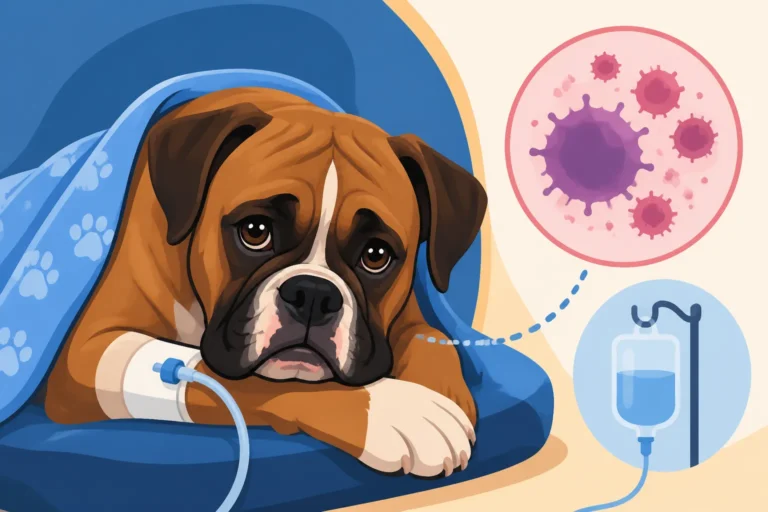
It’s incredibly distressing when your Boxer is struggling with chronic diarrhea, straining to go, and you’re seeing mucus or even blood in their stool. You try everything, from diet changes to various medications, but sometimes the problem just won't go away. This often leaves owners feeling helpless, wondering why their beloved companion is suffering so much. When the culprit is E. coli that has decided to make a permanent home inside your Boxer’s colon wall, the situation becomes even more complex. This guide will delve into precisely why this happens and what it means for your dog.
Understanding Boxer Colitis and Its Unique Challenges
Boxers, as a breed, seem to carry a higher burden when it comes to digestive issues, particularly a stubborn form of inflammatory bowel disease often referred to as colitis. It's not just a run-of-the-mill tummy upset; for many Boxer owners, it becomes a relentless cycle of loose stools and discomfort that truly impacts their dog's quality of life, and their own peace of mind.
The Frustration of Persistent Loose Stools
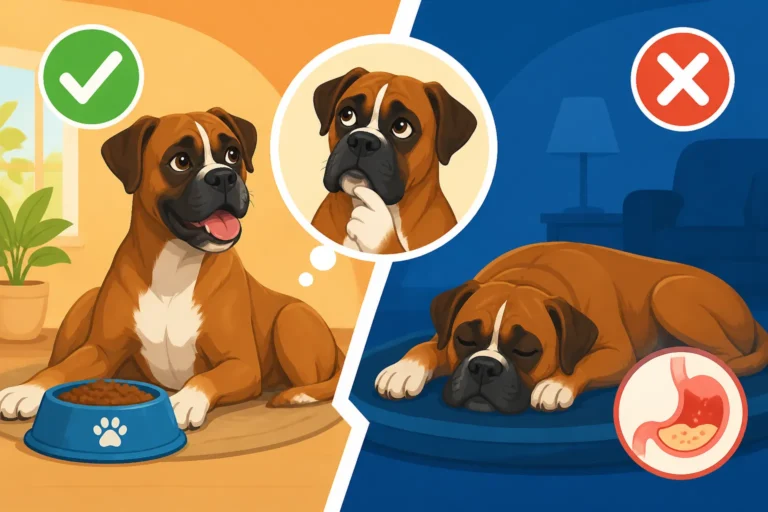
If you've ever dealt with a Boxer experiencing chronic colitis, you know the routine: wake up to a mess, rush them outside multiple times a day, clean up accidents, and constantly worry about their next bowel movement. It's exhausting, emotionally taxing, and heartbreaking to see your usually vibrant Boxer looking uncomfortable or lethargic. You might see your dog straining, producing small amounts of soft stool, sometimes with jelly-like mucus or streaks of fresh red blood. This isn't just unpleasant; it's a sign of significant inflammation in the large intestine. Many owners go through countless food trials, deworming protocols, and different antibiotics before they get to the bottom of the problem, feeling like they’re constantly hitting dead ends. This persistent state of discomfort can be incredibly frustrating, not just for the dog, but for the entire family. For more on this, you might find our post on Straining and Small Stools in a Boxer helpful.
Why Boxers Are Prone to Colitis
The Boxer breed, for reasons not fully understood but believed to be largely genetic, appears to have a predisposition to a specific, severe form of colitis. While any dog can get general colitis from dietary indiscretion, stress, or other infections, Boxers are particularly susceptible to a condition known as Histiocytic Ulcerative Colitis (HUC), or sometimes referred to as Granulomatous Colitis. It's not just a sensitive stomach; it's a deep-seated inflammatory process. Their immune systems, in some cases, react unusually to certain bacteria within their gut, leading to chronic inflammation that just won't resolve with standard treatments. This genetic susceptibility means that even if you do everything right – feed a premium diet, avoid stressors, and maintain excellent hygiene – your Boxer could still be at risk. This is why many experienced Boxer owners are always on high alert for any signs of digestive upset, knowing the breed's history with such issues. The age Boxer colitis usually starts can vary, but it's often seen in younger dogs.
What is Granulomatous Colitis or Histiocytic Ulcerative Colitis HUC?
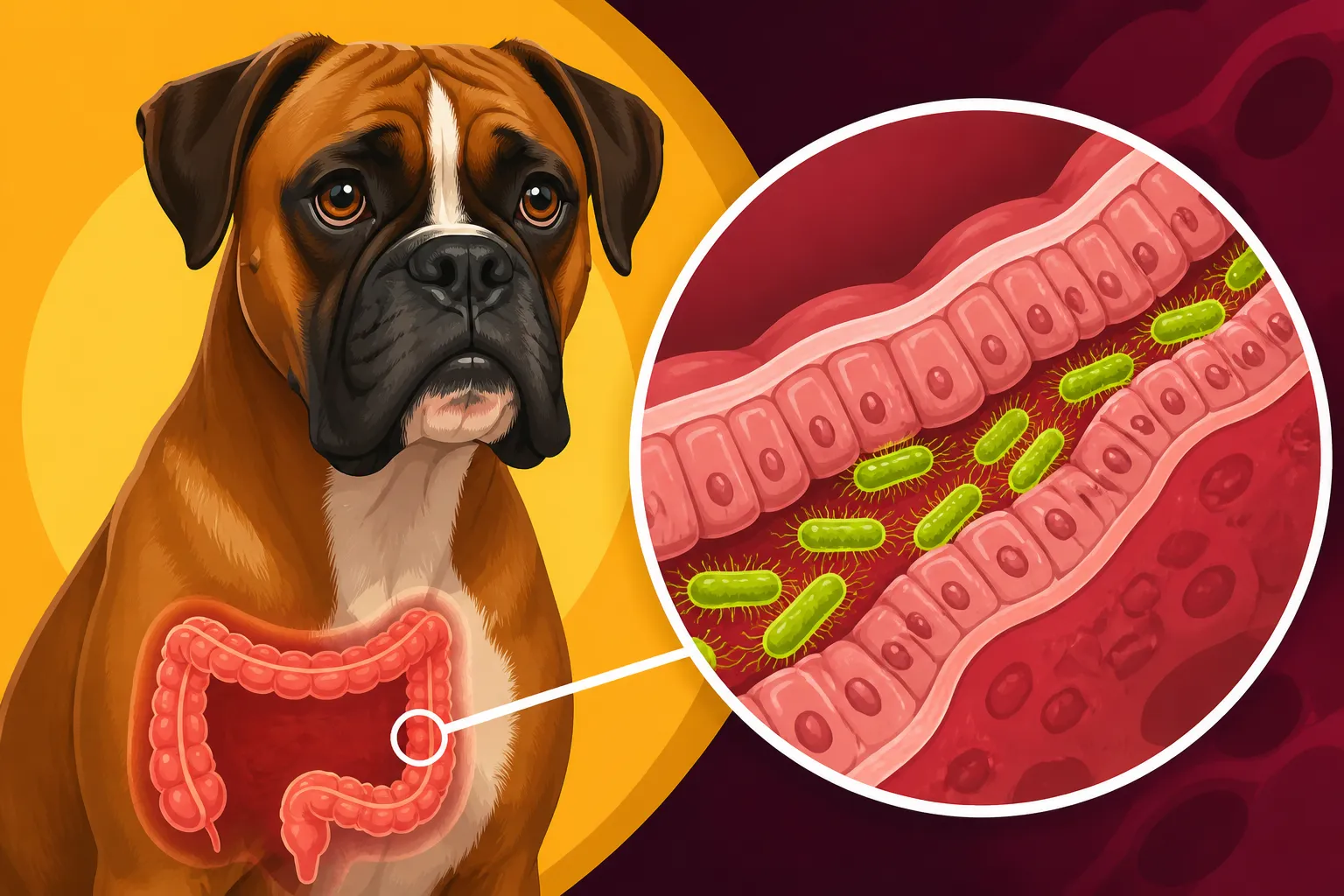
Granulomatous Colitis, or HUC, is a distinct and severe type of inflammatory bowel disease that almost exclusively affects Boxers, and occasionally French Bulldogs. Unlike more common forms of colitis where inflammation is superficial, HUC involves deep infiltration of inflammatory cells, specifically macrophages (histiocytes), into the lining of the colon. This infiltration leads to a thickened, ulcerated colon wall. The key characteristic that sets HUC apart is the presence of a specific type of E. coli bacteria inside these inflammatory cells and deep within the colon tissue itself. It's not just E. coli passing through; it's E. coli that has taken up residence and is actively contributing to the disease process. Without targeting this embedded bacterium, treatment is often unsuccessful. This makes HUC a particularly challenging condition to diagnose and manage, requiring a very specific approach that differs greatly from treating other forms of Boxer colitis. The fact that it's embedded is the critical factor.
The Mechanism: How E. coli Infiltrates the Colon Wall
Understanding why E. coli doesn't just pass through the Boxer's digestive system, but instead burrows deep into the colon wall, is crucial for grasping the nature of this frustrating disease. It’s not just about a simple bacterial overgrowth; it's about a sophisticated invasion facilitated by both the bacteria's unique properties and the Boxer's own intestinal vulnerabilities.
The Role of Adherent and Invasive E. coli AIEC
The specific type of E. coli involved in Boxer HUC isn't your everyday garden-variety E. coli. It’s a strain known as Adherent and Invasive E. coli, or AIEC. These aren't like the typical commensal E. coli that normally live harmlessly in the gut. AIEC strains possess particular genetic traits that allow them to do two things that are key to their persistence:
- Adherence: They have specialized fimbriae or adhesins that allow them to stick stubbornly to the surface of the intestinal epithelial cells, even when other bacteria are being swept away. Think of it like a Velcro patch on their surface, allowing them to latch onto the colon lining.
- Invasion: Once adhered, these AIEC strains can then actively invade the host cells, particularly the macrophages, which are immune cells designed to eat and destroy bacteria. Instead, the AIEC survive and multiply inside these cells. This allows them to hide from the immune system and many antibiotics that can't easily penetrate host cells. So, while other bacteria might be killed off by typical antibiotics or flushed out by the body, AIEC bacteria have found a way to become truly embedded, making them incredibly difficult to eradicate. This ability to invade and reside within the colon wall is the fundamental reason why this particular E. coli can cause such persistent and severe colitis in Boxers.
Compromised Gut Barrier Function
While AIEC is a clever invader, it often gets a helping hand from a compromised gut barrier in susceptible Boxers. Imagine your colon lining as a meticulously built brick wall, where the bricks are intestinal cells and the mortar is made of tight junctions holding them together. This wall is designed to keep harmful bacteria and toxins inside the gut lumen while allowing nutrients to pass into the bloodstream.
In Boxers with a predisposition to HUC, this protective barrier might already be weakened or become compromised due to chronic inflammation. This weakening can be influenced by genetic factors, other immune responses, or perhaps even environmental triggers. When the "mortar" between the "bricks" becomes leaky, it creates microscopic gaps. These tiny breaches act like entry points, making it easier for the adherent and invasive E. coli to not only attach but also to slip past the initial defenses and begin their invasion of the deeper tissues and immune cells. Without these initial points of entry, even the most invasive E. coli would have a much harder time establishing a foothold. The ongoing inflammation further exacerbates this barrier dysfunction, creating a vicious cycle where inflammation weakens the barrier, allowing more invasion, which in turn fuels more inflammation.
The Immune Response and Granuloma Formation
Once the AIEC E. coli has successfully adhered and invaded the colon wall, particularly settling into macrophages, it triggers a very specific and often counterproductive immune response in the Boxer's body. Instead of effectively eliminating the invaders, the immune system mounts an exaggerated and chronic inflammatory reaction.
The body tries to wall off these internal bacterial invaders by forming granulomas – essentially microscopic nodules or clumps of inflammatory cells, primarily macrophages, surrounding the infected areas. These granulomas are the "histiocytic" part of Histiocytic Ulcerative Colitis. While granuloma formation is an attempt by the immune system to contain a persistent threat, in HUC, it ultimately fails to clear the E. coli. Instead, these granulomas contribute to the thickening and ulceration of the colon wall, causing the severe symptoms we see, such as pain, straining, bloody stools, and malabsorption. The E. coli continues to replicate within these macrophages, protected from immune attack and many antibiotics, creating a chronic infection that progressively damages the colon tissue. This unique immune response, coupled with the AIEC's invasive nature, is why the condition is so difficult to treat without specific, targeted therapy.
Diagnosis and Treatment Approaches for Embedded E. coli
Dealing with a suspected case of colitis in your Boxer can be a long and winding road. Because E. coli embedded within the colon wall is such a specific and serious issue, the diagnostic and treatment approaches are very particular. It's not a situation where a general "wait and see" approach will cut it; you need definitive answers to provide effective care.
The Importance of Biopsy for Confirmation
When your Boxer is suffering from persistent colitis, a routine fecal test, while useful for detecting common parasites or superficial bacterial imbalances, simply isn't enough to diagnose HUC. The reason is straightforward: the problem-causing E. coli is inside the colon wall, not just freely floating in the feces. To truly confirm Histiocytic Ulcerative Colitis and the presence of embedded E. coli, a colon biopsy is absolutely essential. This typically involves an endoscopy, where a small camera is inserted into the colon, allowing the veterinarian to visualize the colon lining and take tiny tissue samples.
These samples are then sent to a specialized laboratory for histopathology, where they are examined under a microscope. Pathologists look for the characteristic inflammatory cells (histiocytes) infiltrating the colon wall and, critically, they use special stains (like PAS, or Periodic Acid-Schiff) to identify the bacteria within these cells. This is the definitive diagnostic step. Without a biopsy, you're essentially guessing, and that can lead to ineffective treatments and prolonged suffering for your Boxer. Our post Diagnosing Boxer Colitis by Biopsy goes into even more detail on this critical procedure. It's an investment, but one that provides the clarity needed for a targeted cure.
Targeted Antibiotic Therapy
Once HUC is confirmed by biopsy and the presence of intracellular E. coli is identified, the treatment becomes very specific. Forget many of the general antibiotics that might be prescribed for a common bacterial infection. Because AIEC E. coli is hidden inside cells, it requires an antibiotic that can effectively penetrate those cells and reach the bacteria.
The antibiotic of choice for Boxer HUC is typically enrofloxacin (often known by the brand name Baytril). Enrofloxacin is a fluoroquinolone antibiotic that has excellent intracellular penetration, meaning it can get inside the macrophages where the E. coli is hiding and kill it. It’s a powerful drug, and it needs to be given at a specific dose and for an extended period – often several months, sometimes even longer – to ensure complete eradication of the embedded bacteria. This isn't a short course of treatment, and stopping too soon can lead to relapse. It’s also vital that the proper dose for your Boxer’s weight is prescribed by your vet, as underdosing could contribute to resistance. It's also worth noting that some vets might pair enrofloxacin with other supportive medications, but the enrofloxacin is the core weapon against the embedded E. coli. You can learn more about this specific treatment in our article, Why Boxer Colitis Responds to One Antibiotic.
Dietary Management and Supportive Care
While targeted antibiotics are the cornerstone of treating HUC, dietary management and supportive care play a crucial role in helping your Boxer recover and maintain gut health. You can’t just rely on medication alone; a holistic approach is often necessary.
For Boxers with colitis, a highly digestible, often novel protein or hydrolyzed protein diet is frequently recommended. These diets aim to reduce the antigenic load on the gut, meaning fewer ingredients that might trigger an inflammatory response. Think about trying limited ingredient foods with proteins like duck, venison, or even kangaroo if your Boxer has sensitivities to more common proteins like chicken or beef. Many owners find success with prescription gastrointestinal diets from brands like Royal Canin or Hill's.
Beyond the specific food, supplementing with fiber and probiotics can be incredibly beneficial. Fiber, especially prebiotics, can help nourish beneficial gut bacteria and improve stool consistency. Probiotics introduce good bacteria, helping to restore a healthy microbial balance in the gut, which is often severely disrupted by chronic inflammation and antibiotic use. Your vet might recommend specific veterinary-grade probiotics designed for dogs with GI issues. Additionally, Omega-3 fatty acids, found in fish oil, have anti-inflammatory properties that can help soothe the irritated colon lining. These supportive measures, combined with the correct antibiotic, create the best environment for your Boxer's recovery. For deeper insights on food choices, read Diet Changes for a Boxer With Colitis.
| Feature | Standard E. coli Infection (Gastroenteritis) | Adherent and Invasive E. coli (AIEC/HUC) in Boxers |
|---|---|---|
| Location | Primarily in gut lumen, superficial | Within colon wall cells (macrophages) |
| Severity | Varies, often acute, self-limiting | Chronic, severe, progressive inflammation |
| Breed Predisposition | Any dog | Primarily Boxers (and French Bulldogs) |
| Symptoms | Diarrhea, vomiting, lethargy | Chronic straining, bloody/mucus stools, weight loss |
| Diagnosis | Fecal test, clinical signs | Colon Biopsy with special stains to visualize intracellular bacteria |
| Treatment | General antibiotics, supportive care | Targeted, long-term fluoroquinolone (e.g., enrofloxacin) |
| Recurrence | Less common if cause removed | High if not properly treated, often needs ongoing management |
Long-Term Management and Prevention
Even after successful treatment with targeted antibiotics, managing a Boxer with a history of HUC is a long-term commitment. It's not a "one and done" situation, and proactive measures are essential to keep your beloved companion healthy and prevent frustrating relapses.
Understanding the Risk of Recurrence
The frustrating truth about Histiocytic Ulcerative Colitis, even after a diligent course of enrofloxacin, is that recurrence is a very real possibility. While the antibiotic aims to eradicate the embedded AIEC E. coli, the underlying genetic predisposition and the Boxer's unique immune response that allowed the invasion in the first place still exist. It's like clearing out a persistent weed; even if you get most of the root, tiny fragments can lead to new growth if the conditions are right.
This means you need to remain vigilant. Any return of loose stools, straining, or changes in appetite should be reported to your vet immediately. Relapses can occur months or even years after initial successful treatment. Factors like stress, changes in diet, or other concurrent illnesses can potentially trigger a flare-up. It's important to keep regular veterinary check-ups and open communication with your vet about your Boxer's digestive health. Our comprehensive guide, Whether Boxer Colitis Comes Back, offers more details on managing the risk of recurrence.
Proactive Gut Health Strategies
Given the risk of recurrence and the Boxer's general propensity for sensitive stomachs, adopting proactive gut health strategies is key to keeping your dog comfortable in the long run. This isn't just about preventing HUC; it's about supporting overall digestive wellness.
First and foremost, maintain a consistent, high-quality diet that works well for your Boxer. Avoid frequent food changes, as sudden switches can upset their sensitive gut. If you need to change foods, do so very gradually over several weeks. Continue with probiotic supplementation, ideally a veterinary-specific product, as a daily or weekly routine. These beneficial bacteria help maintain a healthy gut microbiome, which is a crucial defense against pathogens. Some vets may also recommend prebiotics or digestive enzymes, especially if your Boxer shows signs of maldigestion.
Beyond diet, manage stress in your Boxer's life. Boxers thrive on routine, so consistent exercise, feeding times, and a stable home environment can go a long way. Regular exercise is also vital for healthy digestion and can prevent them from A Boxer That Thickens and Slows Down due to inactivity.
Finally, consider investing in pet insurance early, before any conditions like HUC arise. Companies like Healthy Paws can offer significant financial relief for chronic conditions that require ongoing medication, specialized diets, or repeated diagnostic tests. While a policy from Healthy Paws can’t prevent the disease, it can certainly ease the burden of the often substantial costs associated with managing a complex condition like embedded E. coli in the colon wall, allowing you to focus on your Boxer's care without added financial stress. Think of it as another layer of proactive care, ensuring you always have access to the best veterinary options.
Breeding Considerations for Boxers with Colitis
Given the strong breed predisposition for Histiocytic Ulcerative Colitis (HUC) in Boxers, breeding considerations become a very important, albeit sensitive, topic. If your Boxer has been diagnosed with HUC, it's generally recommended that they should not be used for breeding. The genetic component is significant, and passing on this susceptibility could lead to more generations of Boxers suffering from this debilitating condition.
Responsible breeders are dedicated to producing healthy puppies and actively work to reduce the incidence of genetic diseases in the breed. This includes screening their breeding stock for known health issues, and a history of HUC in a Boxer or its immediate relatives would be a red flag. While there isn't a specific genetic test for HUC that identifies carriers, a breeder’s commitment to avoiding affected lines is crucial. When seeking a Boxer puppy, it's always wise to ask the breeder about the health history of the parents and their lines, including any incidence of chronic gastrointestinal issues. Choosing a puppy from parents with robust health histories, especially free from HUC, is one of the best ways to reduce your chances of experiencing this particular challenge yourself. Always prioritize breeders who are transparent about health screenings and concerns, even if it means Boxer Puppy Prices From a Health-Testing Breeder are higher.
Disclaimer
This article is for general informational purposes only and does not constitute professional advice. Laws, prices and regulations vary by location and change over time. Consult a qualified professional for guidance on your specific situation.