Whether a Boxer Puppy Outgrows Loose Stools
Bringing home a Boxer puppy is an absolute whirlwind of joy, goofy antics, and boundless energy. But let's be real, it often comes with a side of anxiety, especially when you find yourself staring at a puddle on the floor, wondering what exactly came out of your precious pup. Loose stools are an incredibly common, and often frustrating, issue for new Boxer owners, leading many to wonder if their furry friend will ever have a consistently firm poop. It’s completely natural to feel concerned and to question if this is just a normal puppy phase they'll eventually "outgrow." This comprehensive guide aims to put your mind at ease (or at least equip you with the knowledge to act) by exploring why Boxer puppies are so prone to digestive upset, how to differentiate normal puppy quirks from serious issues, and the practical steps you can take to help your Boxer puppy achieve digestive stability.
The Rollercoaster of a Boxer Puppy's Digestive System
It’s easy to forget that while your Boxer puppy might seem like a miniature adult dog, their internal systems are still very much under construction. Their digestive tract, in particular, is a work in progress, making them especially vulnerable to upsets that an older, more robust dog might shrug off.
Why Puppy Stomachs Are So Sensitive
Young puppies, and Boxers especially, are born with immature digestive systems. They haven't yet developed the robust balance of gut bacteria (the microbiome) or the full enzyme production needed to process all types of food efficiently. This developmental stage means their stomachs and intestines can react much more strongly to minor changes or irritants than those of a fully grown dog. It's like asking a toddler to digest a gourmet meal – it's just not quite ready for it.
Stress is another colossal factor that can wreak havoc on a puppy's delicate gut. Imagine being plucked from everything familiar – your mom, your littermates, the sounds and smells of your first home – and suddenly thrust into a brand new world. Moving to a new home is incredibly overwhelming. New people, new noises, a new routine, and even just the sheer excitement of it all can flood a puppy's system with stress hormones. These hormones directly impact gut motility, often speeding things up and leading to those dreaded loose stools. Your puppy isn't trying to upset you; their body is simply reacting to the immense shift in their world.
Dietary changes are almost guaranteed to cause some level of upset in a sensitive Boxer puppy. Reputable breeders will often send you home with a small bag of the food your puppy has been eating. The intention is for you to slowly transition to your chosen brand over a period of about a week. However, even a slow, methodical transition can sometimes trigger a bit of digestive distress in a particularly sensitive Boxer. If you make a sudden switch, perhaps because you ran out of the old food or decided to try something new on a whim, you're practically inviting a messy situation. Their gut simply doesn't have time to adjust to the new ingredients and nutrient profile.
And let's not forget the hidden hitchhikers: parasites. Puppies can easily pick up intestinal parasites like roundworms, hookworms, coccidia, or Giardia. Even if your puppy has been regularly dewormed by the breeder or your vet, some of these microscopic nasties can be incredibly persistent or acquired from their new environment. These parasites inflame the lining of the gut, causing persistent loose stools, discomfort, and sometimes even weight loss despite a healthy appetite. This is precisely why regular deworming and early veterinary checks, including stool sample analyses, are so crucial in the first few months of your Boxer's life.
The Impact of Diet on Puppy Stool Consistency
The type and quality of food you choose for your Boxer puppy play a monumental role in their stool consistency. Not all puppy foods are created equal, and what works well for one breed might not be ideal for a sensitive Boxer. High-fat, overly rich foods, or those containing ingredients your Boxer puppy isn't accustomed to, can be significant triggers for digestive upset. We all want to shower our new pups with love and the very best, but when it comes to diet, simplicity and consistency often win. A high-quality, easily digestible puppy food formulated for large breeds (Boxers mature slower and have different nutritional needs than smaller dogs) is paramount. Look for foods with fewer, easily identifiable ingredients.
Overfeeding is another common pitfall for new puppy owners. Boxer puppies are notoriously enthusiastic eaters and often act like they're perpetually starving. It's incredibly tempting to give them a little extra, especially if they gobble down their meals in seconds. However, their small stomachs and developing digestive systems can only handle so much. Too much food at one time or over the course of a day can overload their digestive tract, leading to incomplete digestion and, you guessed it, softer stools. For helpful guidelines on appropriate portion sizes and feeding frequency, you might want to read up on Meals a Day for a Boxer Under Six Months. Stick to the recommended feeding guidelines on your chosen food bag, adjusting as needed based on your puppy's individual growth and energy levels, and always consult your vet if you're unsure.
Then there are the treats! Oh, the joy of training with treats and seeing those happy puppy eyes. While essential for positive reinforcement training, too many treats, or the wrong kind, can easily throw a delicate puppy gut into disarray. Many commercial treats are high in fat, sugar, or contain artificial ingredients that can be hard for a puppy to digest. It's best to opt for single-ingredient, easily digestible treats like small pieces of cooked chicken, freeze-dried liver, or even just pieces of their regular kibble. Introduce any new treats slowly, one at a time, so you can easily identify if something is causing an issue. A handful of kibble as a reward is often just as effective and much gentler on the tummy.
Lastly, adequate water intake is vital. Constant loose stools mean your puppy is losing fluids at an accelerated rate, and dehydration can become a serious concern very quickly in young pups. Always ensure your Boxer has constant access to fresh, clean water. Keeping their water bowl full and clean encourages drinking. Sometimes, adding a little low-sodium chicken broth (ensure it has no onion or garlic, which are toxic to dogs) to their water can entice them to drink more. If your puppy seems reluctant to drink, or if their loose stools are severe, this is a sign you need to contact your veterinarian immediately.
Distinguishing Normal Puppy Poop From Concerning Loose Stools
It's a fact of puppy ownership that you become intimately familiar with their bodily functions. Learning to distinguish between the occasional soft stool and truly worrying diarrhea is a critical skill for any Boxer owner.
What "Normal" Looks Like for a Boxer Puppy
A healthy Boxer puppy stool should ideally be firm but not hard, resembling the consistency of Play-Doh or soft serve ice cream. It should hold its shape, be moist enough that it's not crumbly, and relatively easy to pick up without leaving excessive residue on the ground. The color is typically a medium to dark brown, though slight variations can occur based on their diet. If you recently fed them something with a specific color, like pumpkin, you might see a slight orange tint, which is usually fine.
Puppies also tend to poop more frequently than adult dogs. It's not uncommon for a young Boxer puppy to have bowel movements 3-5 times a day, often shortly after waking up, eating, or after a burst of exciting play. This increased frequency is largely due to their faster metabolism and developing control over their digestive processes and sphincters. As they grow and their systems mature, this frequency should gradually decrease to 1-3 times a day, similar to an adult dog.
Slight, occasional variations in stool consistency are generally okay and not a cause for immediate alarm. For instance, a single soft stool might just be a fleeting reaction to a new, exciting experience (stress!), an unfamiliar treat, or even a sudden change in activity level. It's when the softness becomes persistent, increases in severity, or is accompanied by other noticeable symptoms that you need to shift from casual observation to more focused concern. One slightly squishy poop isn't usually a crisis, but several over a day, or a trend of progressively looser stools, definitely warrants closer attention.
Red Flags: When to Worry and Call the Vet
Knowing the difference between a minor blip and a major problem can literally save your Boxer puppy's life. Here are the red flags that should prompt you to call your veterinarian without delay:
- Persistent or Worsening Diarrhea: If the loose stools continue for more than 24 hours, become increasingly watery, or occur with alarming frequency, it’s a clear sign that something more serious than a simple tummy ache is at play. Puppies can dehydrate incredibly fast, leading to a rapid decline in health. Waiting to see if it "gets better on its own" can be dangerous.
- Blood or Mucus: This is one of the most concerning signs. Seeing streaks of fresh red blood (known as hematochezia) or jelly-like mucus in your Boxer puppy's stool indicates inflammation or irritation in the lower digestive tract. While sometimes associated with straining or minor irritation, it can also point to more serious infections, parasites, or even conditions like Bloody Mucus in a Young Boxer's Stool or the onset of Boxer Colitis and the Young Dogs It Hits. Don't ignore it; it always warrants immediate veterinary attention.
- Vomiting, Lethargy, or Loss of Appetite: If the loose stools are accompanied by other systemic symptoms, it's a critical situation. Vomiting, extreme tiredness or weakness, a refusal to eat or drink, or signs of pain (like hunching over or vocalizing when touched) are emergency signs. These combinations can indicate severe infections (like parvovirus, though hopefully your puppy is vaccinated), an obstruction, toxin ingestion, or other grave health concerns. Puppies, with their small body mass, can become critically ill from dehydration and electrolyte imbalances very quickly.
- Fever or Abdominal Pain: If your puppy feels unusually warm to the touch, is restless, panting excessively without exertion, or cries out or shows signs of discomfort when you gently press on their abdomen, these are serious symptoms that require urgent intervention. These could be indicative of a severe infection, inflammatory condition, or even something like an intestinal foreign body. Do not delay; get your puppy to an emergency veterinarian immediately.
To help you quickly assess your Boxer puppy's stool, here's a helpful table:
| Stool Characteristic | Normal Puppy Stool | Concerning Puppy Stool |
|---|---|---|
| Consistency | Firm, Play-Doh-like, holds shape | Watery, pudding-like, shapeless, urgent |
| Frequency | 3-5 times a day, often after meals | Excessive, 6+ times a day, very frequent urges |
| Color | Medium to dark brown | Black (tarry), bright red, grey, pale yellow, green |
| Contents | No visible foreign objects, parasites | Visible worms, rice-like segments, foreign objects |
| Odor | Mild, natural dog odor | Foul, unusually strong, metallic, or putrid |
| Accompanying Symptoms | None | Vomiting, lethargy, loss of appetite, straining, pain, fever |
| Duration | Occasional, resolves quickly | Persistent for >24 hours, worsening, recurrent |
Practical Steps to Address Your Boxer Puppy's Loose Stools
When your Boxer puppy is experiencing loose stools, knowing what steps to take can make all the difference in their recovery and your peace of mind. While some minor upsets can be managed at home, others absolutely require professional veterinary care.
The Importance of a Bland Diet and Hydration
For very mild, acute cases of loose stools where your Boxer puppy is otherwise acting completely normal – still energetic, playful, and has a good appetite – a temporary bland diet can often work wonders. The classic go-to for this is boiled, unseasoned chicken breast (skinless, boneless, shredded) mixed with plain white rice. This combination is incredibly easy for an irritated gut to digest, providing necessary calories without overwhelming their system. Offer small, frequent meals throughout the day (e.g., 4-6 small meals) instead of their usual 2-3 larger ones. This gives their digestive tract a chance to rest and slowly recover. Many owners find that this simple diet starts to firm things up within 12-24 hours.
Maintaining hydration is absolutely critical, as loose stools mean your puppy is losing essential fluids and electrolytes rapidly. Always ensure fresh, clean water is readily available and encourage them to drink. If your puppy is reluctant to drink plain water, you can try offering unflavored Pedialyte in moderation or a veterinary-specific electrolyte solution (available at most vet clinics or pet stores). These solutions are formulated to replace lost salts and sugars, which can help prevent serious dehydration. However, if your puppy refuses to drink altogether, or if their stools are very watery, it's a serious concern that warrants an immediate call to your veterinarian.
It's vital to avoid giving any human medications to your Boxer puppy without explicit guidance from your vet. What's safe for us can be toxic or dangerous for dogs, especially young puppies with sensitive systems. Stick to the bland diet and plenty of water, and let your vet advise on any appropriate canine-specific medications. Never assume an over-the-counter remedy is suitable for your pup, as incorrect dosages or ingredients can cause more harm than good.
When to Head to the Veterinarian
As soon as you notice any of the serious "red flag" symptoms – such as blood or mucus in the stool, persistent or worsening diarrhea beyond 24 hours, accompanying vomiting, extreme lethargy, loss of appetite, or signs of abdominal pain – it is time to contact your veterinarian immediately. Do not delay. A quick phone call can often help you determine the urgency, whether it's an emergency visit or an appointment the same day. When dealing with puppy health, particularly with a breed like the Boxer known for some health sensitivities, it is always better to err on the side of caution. Many proactive pet owners invest in pet insurance from providers like Healthy Paws, knowing that unexpected vet visits and diagnostics can add up quickly, offering peace of mind when these urgent situations arise. Getting your Boxer puppy insured at eight weeks, for instance, means they are covered before any conditions become "pre-existing."
When you go to the vet, they will likely ask for a fresh stool sample, so if possible, try to collect one before your appointment. This sample is crucial for diagnostic testing. Your vet will typically perform a fecal exam to check for intestinal parasites like Giardia, coccidia, or various types of worms, which are incredibly common in puppies and often the culprits behind persistent loose stools. They might also recommend blood work to assess for dehydration, infection, inflammation, or other underlying systemic issues that could be contributing to the digestive upset.
Depending on the diagnosis, treatment could range widely. It might involve a course of deworming medication, antibiotics (especially if a bacterial infection is identified, such as those sometimes involved in Why Boxer Colitis Responds to One Antibiotic), specific anti-diarrhea medications, or a course of probiotics to help restore healthy gut flora. It is absolutely essential to follow your veterinarian's instructions precisely, which includes completing the full course of any prescribed medication, even if your puppy appears to be feeling better and their stools have firmed up. Stopping medication early can lead to a relapse or incomplete eradication of the problem.
Long-Term Strategies for a Stable Boxer Stomach
Once your Boxer puppy has recovered from an acute episode of loose stools, the goal shifts to establishing long-term digestive health. This involves consistent care and proactive management to prevent future upsets.
Establishing a Consistent Diet and Feeding Routine
Consistency is truly the golden rule for a stable digestive system. Once your Boxer puppy’s digestion has normalized and they are on a food that agrees with them, try to stick with it. Avoid the temptation to frequently switch brands or flavors, as each change introduces a new set of ingredients that their sensitive stomach has to adapt to. If you absolutely need to change foods, do it very gradually over a period of 7-10 days. Start by mixing a small amount of the new food with a large amount of the old, slowly increasing the new food's proportion each day. This slow transition allows their digestive enzymes and gut bacteria to adjust without major upset. For a deeper dive into this process, check out Changing a Boxer's Food Without Upsetting It.
Maintaining a regular feeding schedule also significantly contributes to digestive stability. Feeding your Boxer puppy at the same times each day helps to regulate their metabolic rhythm and digestive processes. Their bodies learn when to expect food, allowing for a more efficient and consistent digestion process. Avoid free-feeding, where food is left out all day, as this can lead to overeating, make it harder to monitor their appetite (a key indicator of health), and contribute to inconsistent stool quality. Scheduled meals also allow you to observe how they react to their food and if any immediate digestive issues arise.
Be extremely judicious with human food and rich treats. While a tiny piece of plain cooked chicken or a small dollop of plain canned pumpkin (not pie filling!) can be occasional safe treats, fatty table scraps, sugary human snacks, or processed meats are a recipe for disaster for a Boxer's sensitive stomach. These items can trigger pancreatitis, severe diarrhea, or other serious digestive issues. Stick to dog-specific treats that are simple in ingredients and easily digestible. Introducing any new treats one at a time, and in small quantities, allows you to gauge your puppy's reaction and identify potential triggers. Remember, training treats don't have to be big or elaborate; consistency and positive reinforcement are what truly count.
Probiotics and Digestive Support
Probiotics can be an incredibly valuable tool for supporting your Boxer puppy's digestive health, especially after a bout of diarrhea, stress, or a course of antibiotics. These beneficial microorganisms help to replenish and maintain a healthy balance of gut bacteria, which is essential for efficient digestion and a strong immune system. Your veterinarian can recommend a high-quality, veterinary-specific probiotic supplement, as human probiotics may not contain the strains most beneficial for dogs. Incorporating them regularly, or during times of stress or dietary change, can help prevent future digestive upsets. For more information, consider reading Probiotics for a Boxer After Antibiotics.
Some Boxer owners find that adding a small amount of certain fibrous foods can help firm up loose stools. Plain canned pumpkin (again, not pumpkin pie filling with spices and sugar) is a popular choice due to its high fiber content. A spoonful or two mixed into their regular food can often help regulate bowel movements. Similarly, a small amount of plain, unsweetened yogurt (if your Boxer puppy tolerates dairy, which some don't) can provide beneficial bacteria. Always introduce these new additions slowly and in very small quantities to see how your puppy reacts.
Beyond diet, being mindful of your Boxer puppy's stress levels is crucial for their overall digestive health. A calm, predictable, and enriching environment contributes significantly to a healthy gut. Ensure your puppy has a safe, quiet den or crate where they can retreat and feel secure. Establish a consistent daily routine that includes appropriate amounts of exercise, engaging mental stimulation (like puzzle toys), and plenty of opportunities for quality rest. Boxers are sensitive and thrive on routine; disruptions can manifest as digestive upset.
The Reality: Can They Truly Outgrow It?
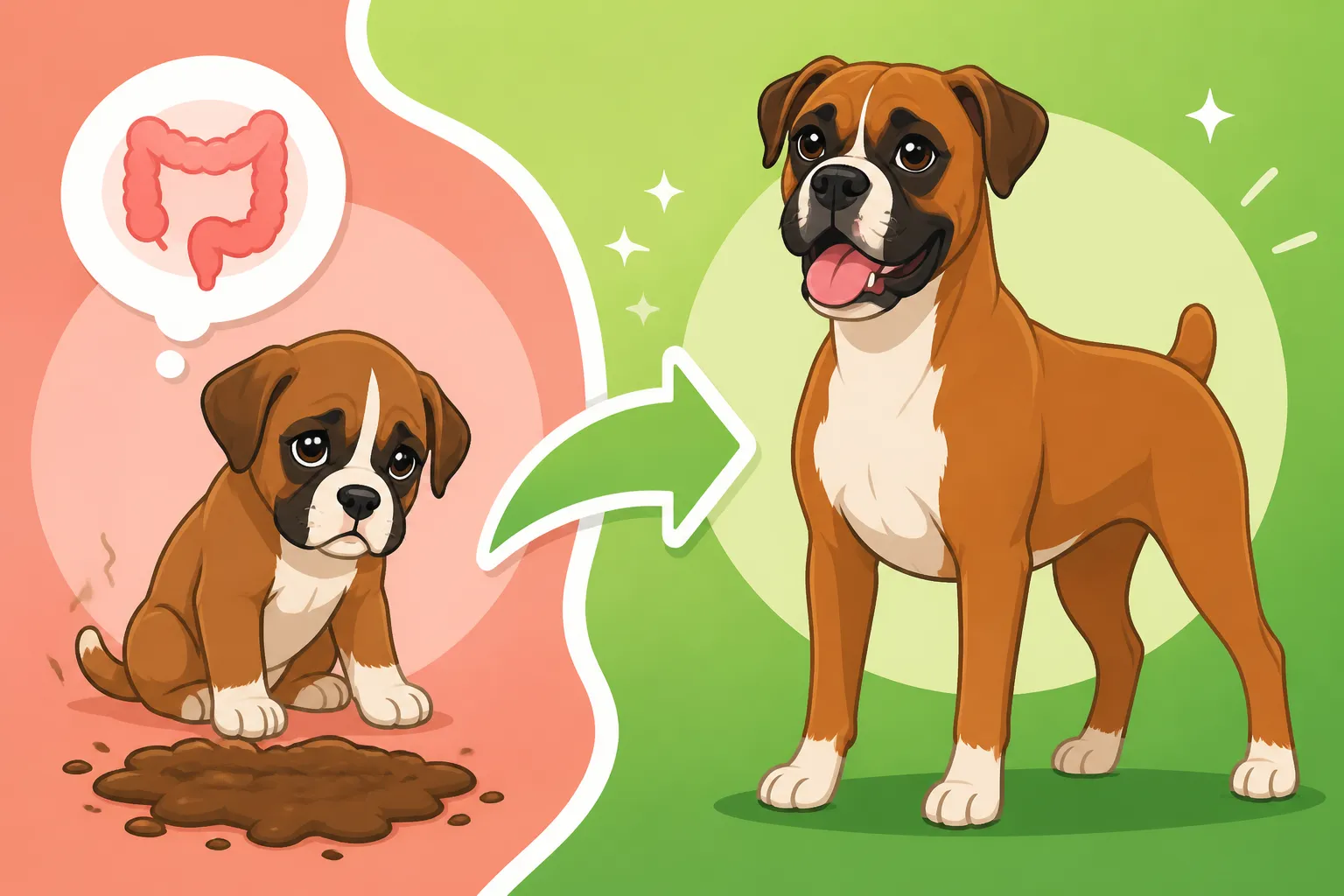
The excellent news is that most Boxer puppies do, in fact, eventually outgrow the extreme digestive sensitivity and frequent loose stools that can characterize their early months. As their digestive systems fully mature, typically by around 18 months to two years of age, their gut microbiome becomes more stable, their immune system strengthens, and they generally become more resilient to minor dietary indiscretions or environmental stresses. You should see a marked improvement in stool consistency and frequency as they transition into adulthood.
However, it's also important to acknowledge that Boxers as a breed can be somewhat predisposed to certain gastrointestinal sensitivities. These might include inflammatory bowel disease (IBD) or various forms of colitis, which can manifest as ongoing or intermittent loose stools throughout their lives. So, while they might outgrow the puppy phase of digestive fragility, some Boxers may always have a slightly more sensitive stomach than other breeds. This means that a vigilant approach to diet, stress management, and prompt veterinary attention for any recurrent issues remains important throughout their entire lifespan. You might find yourself asking whether a Boxer puppy's stools never firm up if persistent issues arise. Pet insurance, such as that offered by Healthy Paws, can be an invaluable asset for Boxer owners, providing a critical financial safety net for ongoing or unexpected health issues that might arise, even if they're not emergencies.
It is absolutely crucial to differentiate between the typical developmental changes of a puppy's digestive system and the presence of an underlying chronic condition. If your Boxer continues to experience intermittent loose stools, or if the problem recurs despite your best efforts at careful management, it warrants a deeper investigation by your vet. This might involve specialized diagnostic tests, such as those discussed in Diagnosing Boxer Colitis by Biopsy, or a trial of a prescription or novel protein diet. Never hesitate to discuss persistent concerns with your veterinarian; they are your most important partner in ensuring your Boxer's long-term health and comfort. Being proactive and having robust support, like a good pet insurance plan, empowers you to provide the very best care for your beloved companion.
Disclaimer
This guide offers general information and advice based on common experiences with Boxer puppies. It is not a substitute for professional veterinary advice. Always consult with your veterinarian for any health concerns or before making significant changes to your Boxer puppy's diet or care routine.