Whether a Boxer Trains Better for Food or Play
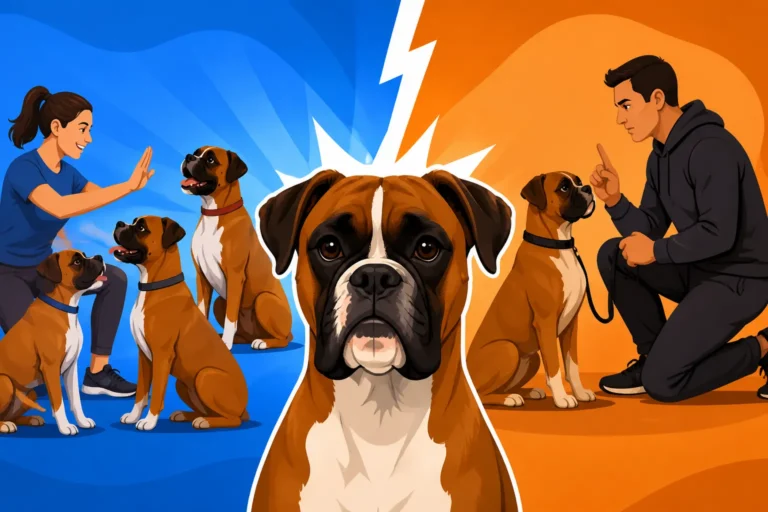
It’s a tale as old as time for Boxer owners: you’ve got this incredibly smart, vibrant dog, full of personality and potential, but sometimes it feels like you're speaking two different languages when it comes to training. You know they can learn, but the challenge often isn't about their intelligence; it's about finding that magic key that unlocks their motivation. This guide is all about diving deep into whether your Boxer responds better to food or play as a reward, helping you tailor your training approach for the best possible results.
Unpacking the Boxer's Unique Learning Style
Before we even talk about treats versus toys, it’s crucial to understand the very unique way a Boxer’s mind works. They aren't your typical "robot dog" learners who thrive on endless repetition and stern commands. Boxers bring their whole goofy, energetic selves to the training arena, and that means their attention span, enthusiasm, and even their physical maturity play a huge role in how they absorb information.
The Boxer's "Perpetual Puppy" Mentality
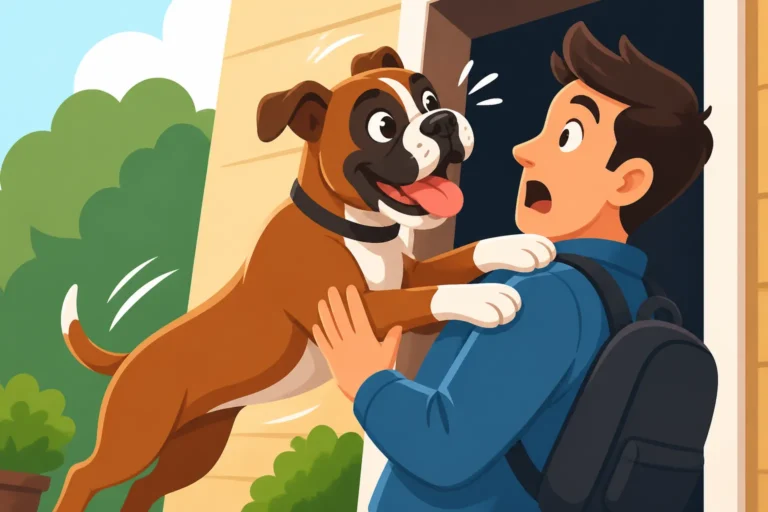
One of the most endearing, and sometimes most challenging, aspects of owning a Boxer is their extended puppyhood. Unlike some breeds that settle into adulthood by their first birthday, Boxers often retain a boisterous, playful, and somewhat impulsive "puppy brain" well into their second, or even third, year. This means that while they might be physically imposing, their mental maturity can lag behind. This isn't a flaw; it's just who they are!
When you're trying to teach a brand-new behavior or refine an existing one, you're not just working with a physically strong dog; you’re working with a big, enthusiastic kid in a furry suit. Their short attention span isn't a sign of disrespect; it's simply that their world is still full of exciting distractions. Understanding this long developmental phase, as discussed in Why a Boxer Acts Like a Puppy Until Three, is foundational to successful training. If you expect them to behave like a seasoned adult dog at 18 months, you're setting both of you up for frustration.
Intelligence vs. Focus: A Boxer's Dichotomy
Don't ever mistake a Boxer's playful nature or occasional stubbornness for a lack of intelligence. These dogs are incredibly smart, capable of learning complex commands and problem-solving with the best of them. However, their intelligence is often coupled with a high energy level and an innate desire for fun, which can sometimes override their focus on "work."
Imagine trying to concentrate on a math problem when there's a circus parade marching past your window. That's often what training feels like for a Boxer! They might grasp the concept quickly, but maintaining sustained attention, especially in stimulating environments, can be a real struggle. This is where tailored motivation becomes absolutely critical. It's not about forcing them to pay attention, but rather making what you want them to do more rewarding and exciting than anything else vying for their focus.
The Undeniable Allure of the Almighty Treat
For many Boxers, especially in the initial stages of learning, food is a universally understood language. It's immediate, tangible, and taps directly into a primal drive. While we might aspire to having a dog that works for praise alone, the reality is that sometimes, only a delicious morsel will truly cut through the distractions and make a new concept stick.
When Food Rewards Are Non-Negotiable
There are definite scenarios where pulling out those high-value treats is not just helpful, but absolutely essential. Think about teaching a brand-new behavior, like a reliable "stay" or a proper loose-leash walk in a busy environment. In these situations, your Boxer needs a powerful, undeniable reason to focus on you and ignore the world. A tiny, quick-to-eat treat delivers immediate gratification for the desired action.
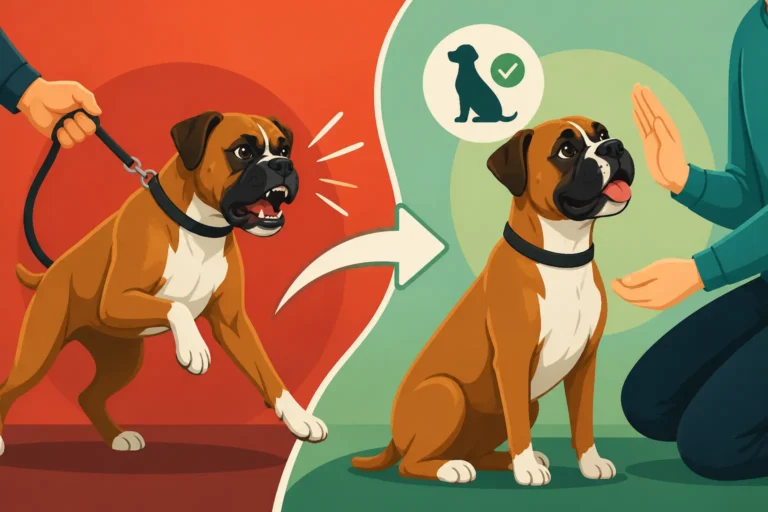
High-value treats are also crucial for counter-conditioning or desensitization work – for instance, helping a reactive Boxer remain calm when another dog passes by. If the reward for staying calm isn't incredibly enticing, why would they bother when barking or lunging offers its own perceived "reward" (even if it's just relief from anxiety)? You can find a huge variety of high-value treats, from soft, smelly jerky to small pieces of cheese or cooked meat, on platforms like Amazon, offering plenty of options to discover what your Boxer considers worth working for.
The Pitfalls of Low-Value Rewards
While it might seem convenient to use your Boxer's regular kibble as a reward, especially if they are particularly food-motivated, it often falls short in certain contexts. Plain kibble, while a necessary part of their diet, rarely carries the same weight or excitement as a special, delectable treat. If your Boxer is in a stimulating environment – say, at a bustling park or a new training class – their everyday food might simply not be compelling enough to hold their attention against all the competing smells, sights, and sounds.
The goal is to make the reward so appealing that your Boxer actively chooses to engage with you. If the reward isn't exciting, their motivation will wane, and they might decide that sniffing that interesting patch of grass is a much better use of their time. This is especially true for Boxers, who, as we discussed, have an innate drive for novelty and excitement. Don't be afraid to experiment to find Rewards a Boxer Will Work Hard For – it makes all the difference!
The Art of Fading the Lure
While high-value treats are a powerful tool, the ultimate goal isn't to have your Boxer demand a treat for every single sit or down throughout their life. The art of fading the lure is about strategically reducing the reliance on constant food rewards once a behavior is established. This doesn't mean stopping rewards altogether; it means transitioning to an intermittent reinforcement schedule, making the treat more of a pleasant surprise than an expectation.
Once your Boxer consistently performs a command in various settings, you can start rewarding every second, third, or even fifth successful execution. This intermittent schedule actually makes the behavior stronger and more resistant to extinction because your Boxer never knows when the big reward is coming, keeping them engaged and hopeful. You'll still use those super high-value treats for new, more challenging situations, but for reliable, known behaviors, you can lean more on praise, a quick pet, or even a mini-game.
Unleashing the Inner Play Dog: When Play Takes the Lead
Boxers, by their very nature, are playful animals. Their name itself is said to come from their tendency to use their front paws in a "boxing" motion during play. This inherent love for interaction and movement can be an incredibly powerful motivator, sometimes even more effective than food, especially once a behavior is understood. Harnessing this natural drive can build incredible enthusiasm and a strong bond.
The Boxer's Innate Drive to Play
If you've ever watched a Boxer play, you know it's a full-body experience. They bounce, they wiggle, they "box" with their paws, and they simply exude joy. This play drive isn't just for fun; it's a vital part of their personality and an instinct that can be skillfully woven into your training regimen. For many Boxers, the opportunity to chase a favorite toy, engage in a quick game of tug, or even just run around with you is the highest form of reward. This natural inclination to use their front paws, as explored in Why a Boxer Boxes With Its Front Paws, makes interactive play a very intuitive reward for them.
Using play as a reward can be particularly effective for behaviors that require speed, enthusiasm, or distance, such as a rock-solid recall. Imagine your Boxer coming sprinting back to you, not just for a piece of chicken, but for the promise of a thrilling game of tug-of-war or a dash after a flung frisbee. This kind of reward taps into their energetic spirit and reinforces that returning to you is the most exciting thing they can do.
Play as a Life Reward
Beyond structured games, play can also be integrated as a "life reward," reinforcing desirable behaviors in everyday situations. For example, if your Boxer walks nicely on a leash past a distraction, a quick burst of praise and then allowing them to sniff an interesting bush for a moment can be a form of play reward. Or, if they patiently wait at the door before going outside, their reward might be the exciting freedom of chasing a ball in the yard.
This type of play-based reward isn't always about a toy; it's about leveraging what your Boxer finds inherently enjoyable in the moment. Platforms like BAXTER & Bella, which advocate for positive reinforcement and comprehensive online training, often incorporate dynamic play techniques to keep dogs engaged and eager to learn, recognizing that engagement and fun are paramount for breeds with high energy and intelligence like the Boxer.
Building Drive with Training Toys
To make play an even more potent reward, consider having special "training toys." These are toys that only come out during training sessions and are immediately put away afterward. This elevates their value, making them something truly special and exciting for your Boxer to earn. A durable rope toy for tug, a favorite soft ball for a quick fetch, or even a specially scented snuffle mat can become powerful motivators when used exclusively for training.
When using play as a reward, it's vital to make it your idea and on your terms. You initiate the play, and you end it, always leaving your Boxer wanting a little more. This builds drive and keeps them enthusiastic for the next training opportunity. Remember that short bursts of activity are key, especially given a Boxer's attention span. As discussed in Why Short Sessions Suit a Boxer's Attention Span, ending on a high note with a fun play session can leave them feeling successful and eager for the next lesson.
Finding the Balance: Combining Food and Play for Optimal Results
The truth is, for most Boxers, neither food nor play is exclusively "better" than the other. The most effective training approach often involves a masterful blend of both, tailored to the specific behavior, the environment, and your individual dog's preferences in that particular moment. It’s about becoming a skilled observer of your Boxer and understanding what truly motivates them when.
The "What Does My Boxer Want Right Now?" Test
This is perhaps the most crucial skill a Boxer owner can develop: the ability to assess your dog's current state and choose the most effective motivator. Ask yourself:
- Are we learning something completely new and complex? Food often provides the clearest, most immediate signal for new concepts.
- Is this a behavior that requires high energy or speed, like a recall? Play can inject incredible enthusiasm.
- Is the environment highly distracting? High-value food often cuts through the noise more effectively than play in initial stages.
- Has my Boxer been working hard and needs a physical release? Play might be the perfect break and reward.
Sometimes, your Boxer might be too excited for food, preferring a quick game to burn off steam. Other times, they might be tired or in a very stimulating environment, and only a delicious, easy-to-consume treat will do the trick. Being flexible and adaptive is key to Keeping Boxer Training Sessions Interesting and productive.
Layering Rewards: The Best of Both Worlds
A highly effective strategy is to combine food and play, often in a layered approach. You might start by using food to clearly teach a new behavior. For example, use a treat to lure your Boxer into a "down" position. Once they perform it reliably, you can start to add play. They get the treat for the down, and then a quick game of tug for staying in the down until released. This helps to build both precision (from the food) and enthusiasm (from the play).
Another way to layer is to use food as the primary reward for the actual execution of a command, and then use play as a "bonus" reward for exceptional performance or a particularly challenging situation. Think of it as: "You did great for the treat, and because you were so good, here’s a super fun game!" This keeps the value of both types of rewards high and teaches your Boxer that working with you can be incredibly fulfilling on multiple levels.
Context is Everything: Adapting Your Rewards
The environment in which you're training plays a massive role in what kind of reward will be most effective. A quiet living room might be perfect for using lower-value treats or even just verbal praise and a pat, whereas a bustling dog park demands your A-game in terms of motivation.
Here’s a simple table illustrating how context and specific goals might influence your reward choice:
| Scenario | Training Goal | Initial Reward Focus | Why It Works for Boxers |
|---|---|---|---|
| Quiet Living Room | Teaching "Stay" | High-value food | Clear signal for a new, stationary behavior. Minimizes confusion. |
| Walk in the Neighborhood | Loose-leash walking past distractions | Medium-value food (frequent) | Helps maintain focus on you amidst sensory input. Easily dispensed. |
| Dog Park (Recall Practice) | Coming when called from a distance | High-value food + Quick, high-energy play | Food grabs immediate attention; play reinforces the joy of returning and releases built-up energy. |
| Socialization (New environment) | Calm greetings of new people/dogs | Special, super-high-value food | Overcomes potential anxiety or over-excitement, creating positive associations. |
| Ending a Session | Disengagement, settling | Calm praise, long-lasting chew (non-training specific) | Signals "work" is over, promotes relaxation, and ends on a positive, satisfying note. |
Remember that Boxers can sometimes get so fixated on one type of reward that they might ignore the other. If your Boxer is super jazzed about a toy, they might bat away a treat. If they're a total foodie, they might just stare at your hand for the next crumb. Learning to read these cues and adapt on the fly is a hallmark of a great Boxer trainer. It keeps your Boxer engaged and ensures that Why Repetition Loses a Boxer doesn't become a problem.
By understanding your Boxer's unique blend of playfulness and intelligence, and by strategically employing both food and play as powerful motivators, you can build an incredible training partnership that's both effective and incredibly fun.
Disclaimer
This article is for general informational purposes only and does not constitute professional advice. Laws, prices and regulations vary by location and change over time. Consult a qualified professional for guidance on your specific situation.