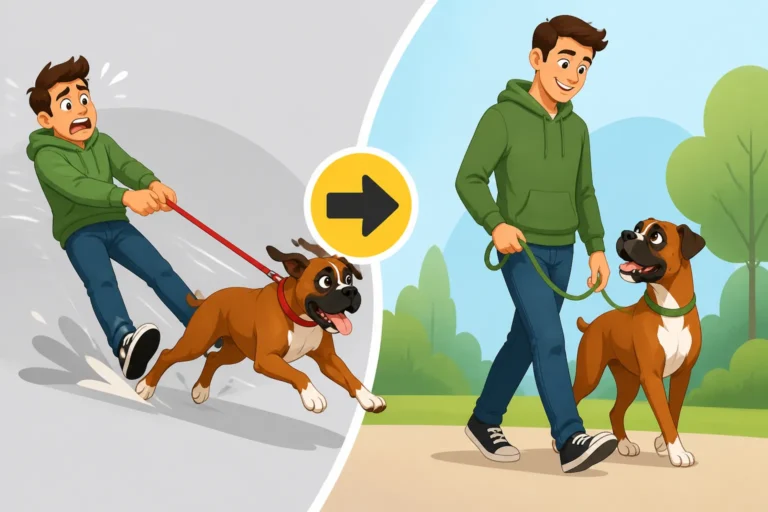
Splitting a Boxer’s Exercise Around the Heat
For Boxer owners, the struggle to balance their dog's boundless energy with the scorching reality of summer heat is a perennial headache. You want your energetic companion to burn off steam and stay happy, but the risk of overheating in our beloved flat-faced friends is a constant, terrifying concern. This guide will meticulously break down how to smartly split your Boxer's exercise throughout the day, ensuring they get the mental and physical stimulation they need while staying safe and cool, even when the mercury climbs.
Understanding Why Heat Is Such a Big Deal for Boxers
It's not just about the thermometer; it's about your Boxer's unique physiology that makes them so vulnerable to heat. You see other dogs running around in the park and wonder why your Boxer seems to wilt faster, and it's not in your head. There are very real, very specific reasons for this, and understanding them is the first step toward effective heat management.
The Brachycephalic Challenge
The most critical factor is that Boxers are a brachycephalic breed, meaning they have those adorable, short, pushed-in muzzles. While we love their squishy faces, this anatomical trait comes with significant health implications, particularly when it comes to regulating body temperature. Their shortened airways, often compounded by narrow nostrils and an elongated soft palate, make it incredibly difficult for them to efficiently cool themselves down through panting. Panting is a dog's primary way of dissipating heat, as they don't sweat like humans do. With restricted airways, the air exchange is simply not as effective, leading to a much higher risk of overheating and even heatstroke. It's a fundamental design flaw that, as loving owners, we need to constantly mitigate. This is also why Anesthesia Risk in a Flat-Faced Boxer is higher and why many Boxers exhibit Snoring and Noisy Breathing in a Boxer, even when resting. It's all connected to those unique airways.
Imagine trying to breathe deeply through a straw while running a marathon – that's a bit what it's like for a Boxer trying to cool off in the heat. Their bodies work harder just to breathe, which in turn generates more internal heat, creating a dangerous cycle. This isn't just discomfort; it's a genuine physiological challenge that can quickly escalate into a life-threatening emergency.
The Boxer's Natural Energy Level vs. Heat
Adding to this challenge is the Boxer's inherent need for vigorous activity. These are not couch potato dogs by nature, especially in their younger years. They are intelligent, athletic, and require significant physical and mental exercise to be well-adjusted companions. You know the drill: an under-exercised Boxer can become a bored, destructive, or even anxious Boxer. Owners often feel torn, desperate to meet their dog's exercise needs but terrified of pushing them too far in warm weather. This conflict is a constant source of frustration, watching your dog bounce off the walls indoors when it's just too hot for a proper outdoor romp.
Their enthusiasm for play and their tendency to push themselves means they won't always self-regulate in the heat. A Boxer will often keep fetching that ball or chasing their canine friend even when their body is screaming at them to stop. This makes it entirely up to us, their owners, to manage their activity levels and protect them. It's why a blanket recommendation for "sixty to ninety minutes of exercise a day" needs careful adaptation when the sun is beating down. We have a deeper dive into this topic in Boxer Exercise Needs and the Heat That Limits Them, which highlights just how critical proper management is.
Strategizing Your Boxer's Exercise Schedule in Warm Weather
Since we can't change a Boxer's anatomy or their zest for life, our strategy has to revolve around when and how we exercise them. This means thinking creatively and being highly adaptable with your daily routine, shifting traditional exercise windows to safer times and incorporating alternative forms of stimulation.
Early Mornings and Late Evenings: The Golden Hours
When the summer sun is at its peak, the only safe times for significant outdoor exercise with your Boxer are often in the very early morning and late evening. We're talking about setting your alarm for before 7 AM, or even 6 AM, to get out there while the air is still crisp and the ground hasn't absorbed the day's heat. Similarly, in the evenings, waiting until after 8 PM, or even closer to sunset, often means temperatures have dropped significantly and paved surfaces have had a chance to cool.
Before you even step out the door, perform the "seven-second rule" on any pavement: place the back of your hand on the asphalt or concrete. If you can't comfortably hold it there for seven seconds, it's too hot for your Boxer's paws. Not only can hot surfaces burn their sensitive paw pads, but they also radiate heat directly back up to your Boxer's body, compounding the risk of overheating. Stick to grassy areas if you absolutely must go out during warmer periods. Early morning walks are fantastic for brisk leashed walks or a game of fetch in a shaded park. In the cooler evenings, you might have another opportunity for a slightly longer walk or some more structured training outdoors. For more tips on this, you might find our article Walking a Boxer Before Sunrise in Summer particularly helpful, as it emphasizes the importance of timing.
Breaking Up the Day with Mental and Indoor Activities
During the hottest parts of the day, when outdoor physical exertion is off-limits, it's crucial to shift your focus to mental stimulation and indoor play. A tired mind is just as good as a tired body for a Boxer, and often safer. Don't underestimate the power of brain games to tire out your smart, sometimes stubborn, companion.
Think about interactive toys, puzzle feeders, or even just short, engaging training sessions indoors. Hide-and-seek with treats or their favorite toy can be a wonderful game. Teaching new tricks or practicing obedience cues in a cool environment can burn mental energy effectively. Many owners find that these activities, even if they don't involve running, leave their Boxers content and sleepy. You can find many durable puzzle feeders and interactive toys on Amazon that can keep your Boxer's mind engaged for extended periods. For structured indoor games and new training ideas, resources like those from BAXTER & Bella can be incredibly helpful in keeping things fresh and interesting, which is key since Keeping Boxer Training Sessions Interesting is a known challenge for Boxers. Using a Puzzle Feeders That Hold a Boxer's Attention can turn mealtime into a mental workout.
Midday Cool-Down Strategies and Short Bursts
Midday is generally a no-go for anything beyond a quick, necessary potty break. If your Boxer absolutely needs to go out, make it as brief as possible, stick to shaded grassy areas, and be hyper-vigilant for any signs of discomfort. Never, ever push it.
This is also where cooling aids become your best friend. A cooling vest can genuinely make a difference by helping to dissipate heat from your Boxer's core. Cooling mats, kept in their favorite resting spots, offer a cool surface for them to lie on. Even just placing a damp towel over their back or belly can provide temporary relief. Just remember that these are aids, not solutions that allow you to exercise them in unsafe temperatures. We explore these options further in Cooling Vests and Fans for a Boxer.
Essential Precautions and Monitoring for Overheating
Even with the best schedule, sometimes the heat is just too much, or an unexpected burst of energy takes over. Knowing the signs of overheating and what to do immediately is not just good practice; it's potentially life-saving for a Boxer.
Recognizing the Warning Signs of Heatstroke
Boxers, with their brachycephalic challenges, can go from perfectly fine to dangerously overheated in a shockingly short amount of time. You absolutely need to be able to spot the early warning signs of heatstroke. Don't wait until it's too late. Key indicators include:
- Excessive Panting: Much heavier and faster than normal, often with a raspy sound.
- Profuse Drooling: More than their usual Boxer drool, often thick and stringy.
- Lethargy or Weakness: Unwillingness to move, stumbling, or collapsing.
- Bright Red Gums: A clear sign of increased blood flow trying to cool the body.
- Glazed Eyes: A dazed or confused expression.
- Vomiting or Diarrhea: Can be a sign of severe heat distress.
- Wobbly or Disoriented Gait: Losing coordination.
If you observe any of these signs, consider it an emergency. Time is of the essence. Immediately move your Boxer to the coolest possible area, ideally indoors with air conditioning. Apply cool (not ice cold) water to their body, especially their belly, groin, and paw pads. You can use a hose, wet towels, or even just pour water over them. Offer small sips of water if they can drink. And most importantly, get to an emergency vet immediately. Even if they seem to recover quickly, internal damage from heatstroke can be severe and delayed. For a more detailed breakdown, refer to Signs a Boxer Is Overheating and Getting a Boxer's Temperature Down in Minutes.
Hydration and Cooling Aids
Constant access to fresh, cool water is non-negotiable. Always have multiple water bowls available throughout your home and yard, especially if they spend any time outdoors. Consider adding ice cubes to their water to keep it cooler longer, or investing in a dog water fountain, which can encourage some Boxers to drink more.
Beyond drinking, other cooling aids can provide crucial relief. A shallow kiddie pool in a shaded part of the yard can be a fantastic way for your Boxer to cool off. Many Boxers love to splash and play in water, even if they aren't strong swimmers due to their build. Regularly wetting down their fur with a spray bottle, particularly their chest and belly, can also help. Just ensure they are not left wet in areas where moisture can cause skin irritation, like deep facial folds. And a final, absolute rule: never, under any circumstances, leave your Boxer unattended in a car, even with the windows cracked. The temperature inside a car can skyrocket to dangerous levels in minutes, even on a seemingly mild day. Proper Water Intake for a Boxer After Exercise is crucial for recovery and maintaining hydration levels.
This table provides a quick guide to help you assess safe activity levels for your Boxer based on ambient temperature. Always consider humidity, direct sun, and your individual Boxer's health.
| Temperature Range | Outdoor Activity Recommendation | Key Precautions |
|---|---|---|
| Below 60°F (15°C) | Normal exercise, longer walks/runs | Monitor for overall comfort, especially if prone to joint issues in cooler weather. |
| 60-75°F (15-24°C) | Moderate exercise, careful monitoring | Hydration, shade breaks, check paw pads frequently. Avoid peak sun. |
| 75-85°F (24-29°C) | Short walks only, early morning/late evening | Avoid asphalt, use cooling vest, constant water, strictly no intense play or extended periods. |
| Above 85°F (29°C) | Potty breaks only, primarily indoor activity | Stay indoors, air conditioning is essential, monitor for any signs of distress, absolutely no exertion. |
Long-Term Considerations for Boxer Owners in Hot Climates
For those of us living in regions where high temperatures are a reality for extended periods, heat management isn't just a summer strategy; it's a lifestyle. It means making conscious choices about your home environment and maintaining open communication with your veterinarian.
Creating a Boxer-Friendly Home Environment
Your home becomes your Boxer's refuge from the heat, so ensuring it's a cool haven is paramount. Air conditioning is often a necessity, not a luxury, for Boxer owners in warm climates. Strategically placed fans can help circulate air and create cooler zones for them to relax in. Consider the type of flooring you have; tile or concrete often stays cooler than carpet, providing a naturally cool spot for your Boxer to sprawl out. If your Boxer has access to a yard, ensure there are multiple shaded areas throughout the day, whether from trees, awnings, or shade cloths. Remember, it's not just about direct sun; ambient heat can still be too much. For more on this, check out Air Conditioning in a Boxer Household, and be aware of Cooling Bills in a Household With a Boxer. In really hot zones, sometimes the best advice is simply Whether a Boxer Should Be Outside at All in July.
Consulting Your Vet About Heat Management
Always keep your veterinarian in the loop, especially as your Boxer ages or if they have any pre-existing health conditions. Boxers are unfortunately prone to certain health issues, particularly cardiac conditions like Arrhythmogenic Right Ventricular Cardiomyopathy (ARVC), which can be exacerbated by heat and strenuous activity. Your vet can offer tailored advice for your specific Boxer, recommend specific cooling products, or even suggest dietary adjustments that might help. They can also provide a realistic assessment of safe exercise levels for your individual dog, which can change over time. If you're caring for an older Boxer, our guide Caring for a Boxer Past Eight has relevant advice, and if your Boxer has a heart condition, Exercise After a Boxer ARVC Diagnosis is a must-read for managing activity safely.
Ultimately, managing a Boxer's exercise in the heat is about constant vigilance, thoughtful planning, and a deep understanding of your dog's needs and limitations. It's a testament to the special bond we share with these wonderful, goofy, and sometimes challenging companions.
Disclaimer
This article is for general informational purposes only and does not constitute professional advice. Laws, prices and regulations vary by location and change over time. Consult a qualified professional for guidance on your specific situation.