A Boxer That Drags a Back Foot
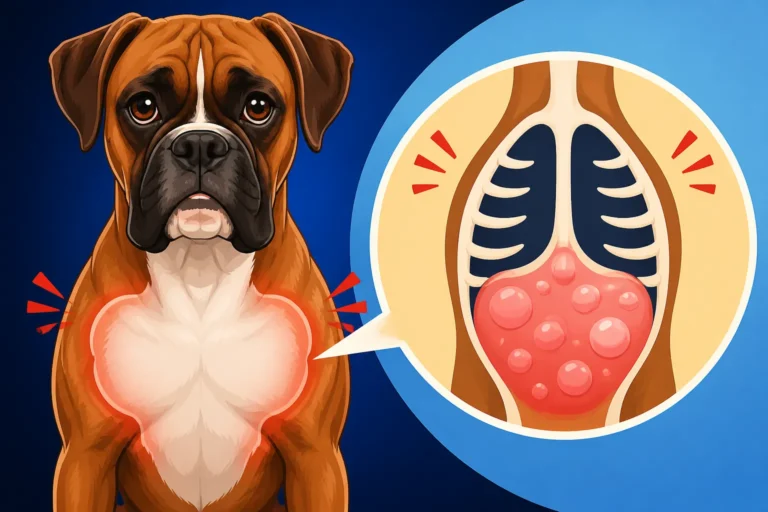
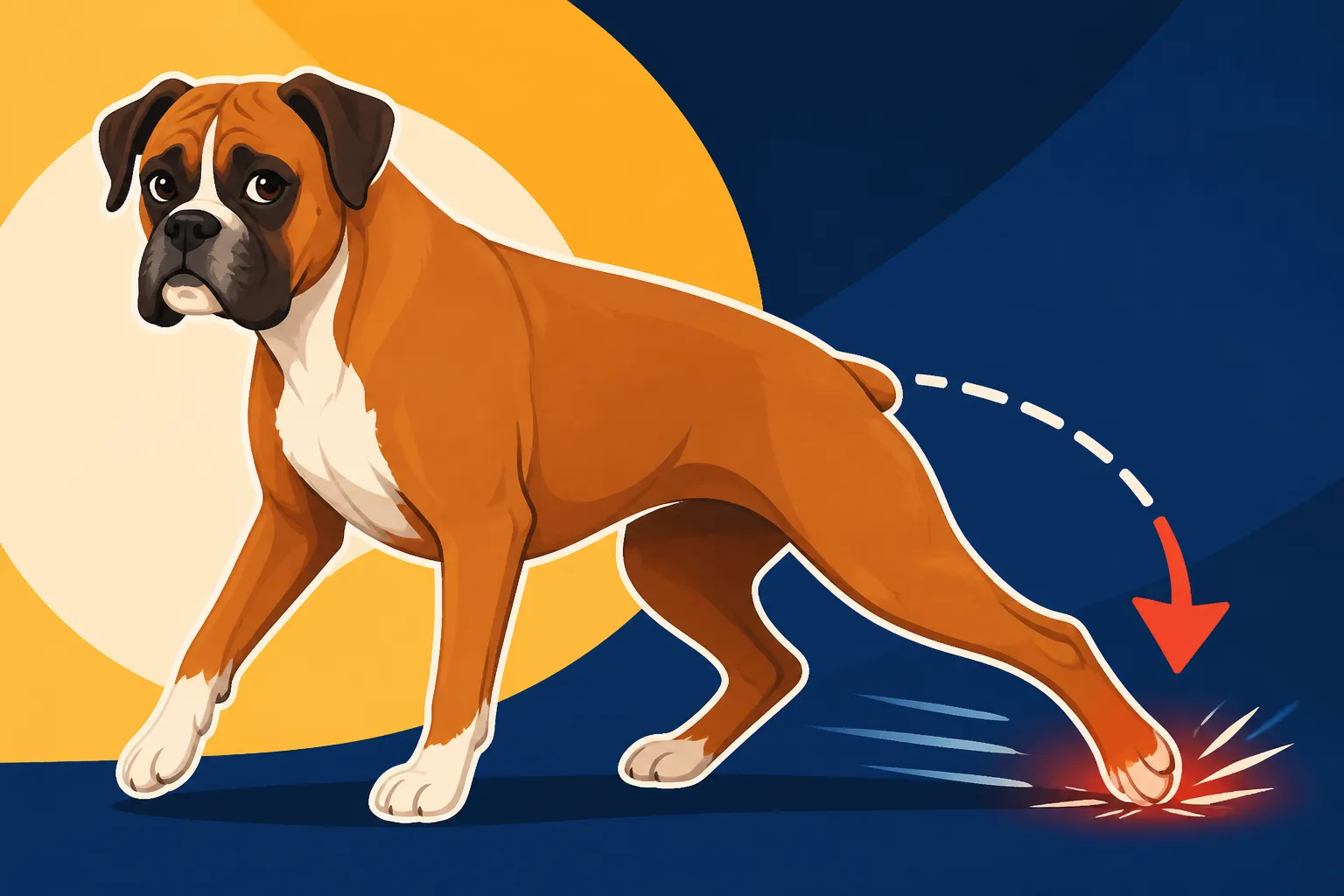
Seeing your energetic Boxer suddenly start dragging a back foot can be incredibly alarming and heartbreaking. One moment they're zooming around the yard, the next they're struggling, scuffing their nails, and losing coordination. This isn't just a sign of aging; it often points to a serious underlying neurological or orthopedic issue that needs prompt attention. This comprehensive guide will walk you through the potential causes, the diagnostic journey, and practical ways to support your beloved Boxer as they face these challenging changes.
Understanding Why Your Boxer Might Drag a Back Foot
When your Boxer starts dragging a back foot, it's a clear signal that something isn't right with their mobility and coordination. This symptom, often referred to as proprioceptive deficit or ataxia, means their brain isn't getting accurate information about where their limb is in space, or the signals from the brain aren't reaching the limb effectively. It's a frustrating sight for any owner, especially with a breed as active and graceful as a Boxer. It’s crucial to understand the most common culprits behind this issue, as identifying the underlying cause is the first step toward effective management and support.
Degenerative Myelopathy: The Silent Thief
For Boxer owners, the phrase "dragging a back foot" often brings to mind Degenerative Myelopathy, or DM. This is a cruel, progressive neurological disease that affects the spinal cord, slowly robbing a dog of its ability to walk. What makes DM particularly insidious is that it's typically non-painful in its early stages, leading many owners to initially mistake it for simple arthritis or just "getting old."
DM primarily impacts the white matter of the spinal cord, which is responsible for transmitting motor and sensory information to and from the brain. As these nerve fibers degenerate, the signals get scrambled or fail to transmit altogether. The earliest signs often include a subtle scuffing of the hind paw nails, especially noticeable on rough surfaces, or a slight wobbliness in the hindquarters. You might observe your Boxer knuckling over, meaning they walk on the tops of their toes instead of their paw pads. This often starts unilaterally, affecting one side more than the other, before progressing to both hind legs. Over time, the weakness progresses, leading to loss of coordination, difficulty rising, and eventually, complete paralysis of the hind limbs. Because Boxers are genetically predisposed to DM, largely due to the presence of The SOD1 Test for Boxer Myelopathy, it's a condition every Boxer owner should be aware of, especially as their dog ages.
Orthopedic Issues Mimicking Neurological Problems
While DM is a significant concern for Boxers, it's vital not to overlook orthopedic issues that can present similarly. Sometimes, what looks like a neurological problem is actually severe pain or instability in a joint that causes your dog to compensate by dragging their foot.
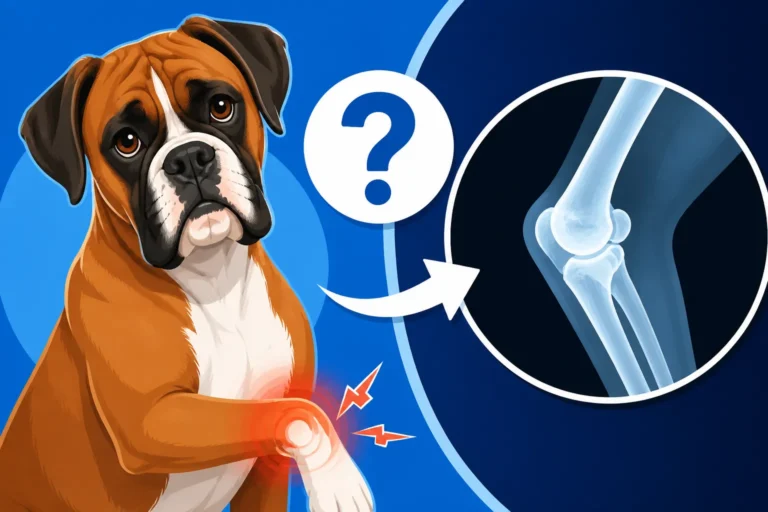
One common orthopedic issue that can cause hind leg weakness is Boxer Hip Dysplasia and Spondylosis. Hip dysplasia, a genetic condition where the hip joint doesn't form correctly, can lead to chronic pain and arthritis over time. A Boxer struggling with significant hip pain might shift their weight, altering their gait and sometimes causing a limb to drag. Similarly, spondylosis, the formation of bony spurs along the spine, can cause stiffness, pain, and in advanced cases, nerve impingement that leads to weakness or an altered gait. While a mild case of spondylosis might just cause stiffness, severe changes visible on an Spondylosis on a Boxer's X-Ray can certainly contribute to mobility challenges. Beyond these, general Arthritis in an Older Boxer in the knees, ankles, or even the lower spine can lead to an inability to fully lift and place the foot, resulting in a drag. A torn cruciate ligament, while usually causing acute lameness, if left untreated or poorly managed, can lead to chronic instability and compensatory movements that look like dragging. It's critical for your veterinarian to differentiate between these orthopedic causes and true neurological deficits, as the treatment approaches are vastly different.
Other Potential Causes of Hind Leg Weakness
The body is a complex system, and many other conditions, though less common than DM or typical arthritis, can manifest as a Boxer dragging a back foot. These possibilities must also be explored during a thorough veterinary examination.
Intervertebral Disc Disease (IVDD) is another significant concern, particularly in breeds with longer backs or those prone to disc issues. In IVDD, the cushioning discs between the vertebrae can bulge or rupture, pressing on the spinal cord. This can cause immense pain, weakness, and even paralysis, ranging from mild dragging to complete inability to move the hind legs. Unlike DM, IVDD is often painful and can have a sudden onset, though chronic, slowly progressive forms exist. Distinguishing between Telling Myelopathy From a Boxer Disc Injury is a crucial part of the diagnostic process. Another, albeit rarer, cause is Fibrocartilaginous Embolism (FCE), often called a "spinal stroke." This occurs when a small piece of cartilage blocks a blood vessel in the spinal cord, causing sudden, non-painful weakness or paralysis, often affecting only one side. While frightening, FCE is usually non-progressive after the initial event. Less commonly, tumors growing on the spinal cord or brain can put pressure on nerves, leading to neurological deficits. Even systemic illnesses, certain nutritional deficiencies, or severe trauma can contribute to generalized weakness or nerve damage that impacts hind leg function. A comprehensive veterinary workup is essential to rule out these possibilities and arrive at an accurate diagnosis.
The Diagnostic Journey: What to Expect at the Vet
When your Boxer starts dragging a back foot, a trip to the veterinarian isn't just recommended; it's absolutely non-negotiable. Self-diagnosing based on online information can lead to delays in crucial treatment or management. The diagnostic process can feel overwhelming, with a myriad of tests and considerations, but each step is designed to narrow down the possibilities and get to the root of the problem.
The Initial Examination and Neurological Workup
Your vet will start with a thorough physical examination, observing your Boxer's gait as they walk around the exam room. They'll pay close attention to how your dog places their feet, whether they favor a limb, and if there's any obvious lameness. They'll also perform careful palpation of your Boxer's spine, hips, and legs, feeling for areas of pain, muscle atrophy, or abnormal joint movement. This initial assessment helps them determine if the problem is primarily orthopedic (like arthritis or hip pain) or neurological.
The neurological workup is particularly important for hind leg dragging. Your vet will test various reflexes, including the proprioception test, where they gently flip your Boxer's paw so it's knuckled over, expecting your dog to immediately correct it. A delayed or absent correction is a strong indicator of neurological impairment. They'll check paw reflexes, assess muscle tone, and test for conscious pain perception in the toes. These tests help to localize the problem to a specific area of the spinal cord or brain and differentiate between upper and lower motor neuron diseases. Based on these findings and your detailed history of when symptoms started, how they've progressed, and any other changes you've noticed, your vet will start to formulate a list of potential diagnoses.
Advanced Imaging and Specialized Tests
Once the initial exam points towards a neurological or complex orthopedic issue, your vet may recommend advanced diagnostics. This is where things can get a bit more involved, and often, more expensive.
X-rays are usually the first step, providing images of bones and joints. They can reveal severe arthritis, hip dysplasia, fractures, or significant bony changes like spondylosis. However, X-rays don't show soft tissues like spinal cords or discs, so they can only provide indirect evidence of disc disease or spinal cord compression. For a more definitive diagnosis of spinal cord issues, advanced imaging like an MRI (Magnetic Resonance Imaging) or CT (Computed Tomography) scan is often necessary. These scans provide detailed cross-sectional images of the spinal cord, discs, and surrounding soft tissues, allowing veterinarians to identify disc herniations (as seen in IVDD), tumors, cysts, or even signs of a fibrocartilaginous embolism. These procedures usually require general anesthesia and are often performed by specialists at a veterinary neurology clinic. Having a robust pet insurance plan can be a lifesaver, and companies like Healthy Paws are often highly recommended for comprehensive coverage that eases the financial burden of these complex diagnoses, allowing you to pursue the best care options.
For suspected Degenerative Myelopathy, a genetic test for the SOD1 gene mutation can be performed using a simple cheek swab. While a positive test confirms genetic predisposition, DM is ultimately a clinical diagnosis, meaning it's diagnosed by ruling out other conditions with similar symptoms and observing the characteristic progression. In some cases, a cerebrospinal fluid (CSF) tap may be recommended to rule out inflammatory or infectious causes affecting the central nervous system. The diagnostic journey can be a lengthy and emotional one, but each test brings you closer to understanding your Boxer's condition and developing an appropriate management plan.
Living With and Supporting a Boxer With Hind Leg Weakness
Receiving a diagnosis for a condition that causes hind leg weakness in your Boxer can feel devastating. However, it's important to remember that there are many ways to support your dog and maintain their quality of life. Adapting your home and routine, combined with medical and rehabilitative therapies, can make a significant difference.
Home Modifications and Mobility Aids
As your Boxer's hind leg weakness progresses, even simple tasks around the house can become challenging. Making strategic home modifications can greatly improve their comfort and safety. Slippery floors, like hardwood or tile, become a major hazard as they struggle with traction. Laying down non-slip rugs, runners, or carpet tiles in high-traffic areas can provide much-needed grip, preventing falls and building their confidence. Ramps can be invaluable for helping your Boxer access furniture, get into or out of the car, or even navigate a few steps around the house, reducing strain on their weakening legs.
For assisted walking, a rear-end support harness or sling is an absolute game-changer. Brands like Help 'Em Up Harness or Walkin' Wheels make fantastic products designed specifically for dogs with hind leg weakness, allowing you to gently support their weight as they walk, go up stairs, or relieve themselves. In more advanced stages, when your Boxer loses significant mobility, a custom-fitted dog wheelchair or cart can restore their independence and joy in movement. It allows them to zoom around and enjoy walks again, preventing muscle atrophy from disuse. You can find detailed information on how these devices help in our article on Carts and Slings for a Boxer With Myelopathy. Furthermore, ensuring they have an orthopedic bed helps alleviate pressure points and provides crucial support for their joints, which can be particularly important for a heavy Boxer.
Rehabilitation and Medical Management
Beyond environmental changes, a comprehensive approach often involves a combination of medical and rehabilitative therapies. Physical therapy is often the cornerstone of managing hind leg weakness, whether it's due to DM, IVDD recovery, or severe arthritis.
Hydrotherapy, which involves exercises in an underwater treadmill or swimming pool, is incredibly beneficial as the buoyancy reduces weight-bearing stress on joints while allowing your Boxer to use their muscles. Therapeutic exercises, guided by a certified canine rehabilitation therapist, can help maintain muscle mass, improve balance, and strengthen core muscles. Massage can also help improve circulation and alleviate muscle tension. Medically, your vet may prescribe anti-inflammatory drugs, pain relievers, or muscle relaxants depending on the underlying cause. For conditions like DM, while there's no cure, supplements like antioxidants, B vitamins, and essential fatty acids are often recommended, though their efficacy in slowing progression is debated. Acupuncture and chiropractic care are also increasingly used as complementary therapies, with many owners reporting improved comfort and mobility for their Boxers. This is where a good pet insurance provider, such as Healthy Paws, can offer invaluable support, allowing you to prioritize your Boxer's health without overwhelming financial stress by helping with the costs of ongoing therapies and medications.
Daily Care and Quality of Life
Living with a Boxer that drags a back foot requires a dedicated approach to daily care to prevent secondary issues and ensure their comfort. One of the most common problems is the constant scuffing of their hind paw nails, which can lead to excessive wear, bleeding, and infections. Regular and frequent nail trims are essential, and some owners opt for paw protection like dog boots or durable socks to shield their paws from scrapes and sores.
Hygiene becomes a significant concern, especially if your Boxer develops urinary or fecal incontinence, which can happen with advanced neurological conditions like DM. Keeping their hindquarters meticulously clean, using pet wipes, and ensuring their bedding is always dry are vital to prevent urine scald and skin infections. Mental stimulation remains incredibly important, even if their physical activity is limited. Puzzle toys, gentle indoor games, and plenty of loving interaction can keep their minds sharp and their spirits high. Monitoring their weight is also crucial; maintaining a lean physique reduces stress on already compromised joints and muscles. The emotional toll on owners watching their once-vibrant Boxer lose hind leg function is immense. Remember to be patient with yourself and your Boxer. Many owners find relief in knowing that their pet insurance, like Healthy Paws, can help cover the costs of these long-term management strategies, from specialized vet visits to physical therapy. For more insights into these challenging stages, consider reading Watching a Boxer Lose Its Back Legs.
The Prognosis and Future Considerations
Facing a diagnosis that explains why your Boxer is dragging a back foot brings with it many questions about the future. Understanding the typical progression of these conditions is crucial for managing expectations and making informed decisions about your Boxer's care and quality of life.
Understanding the Progression of Conditions
The prognosis for a Boxer with hind leg weakness depends entirely on the underlying cause. For Degenerative Myelopathy, the outlook is unfortunately grave. It is a relentlessly progressive disease, typically leading to complete paralysis of the hind limbs within 6 months to 3 years from the onset of symptoms. While it’s not a painful disease, the loss of function is profound, eventually affecting bladder and bowel control. Owners often grapple with the emotional burden of watching their beloved dog slowly lose mobility.
In contrast, Intervertebral Disc Disease (IVDD) can have a more variable prognosis. Mild cases, especially with conservative management (strict crate rest, pain medication), can sometimes improve significantly. More severe cases, or those with paralysis, may require expensive and intensive spinal surgery, which can lead to a good recovery if performed promptly, though some residual weakness or incontinence may remain. For orthopedic issues like severe hip dysplasia or chronic arthritis, the progression is typically slower and more manageable. While these conditions are often chronic and worsen with age, a combination of medication, physical therapy, and environmental modifications can often keep your Boxer comfortable and mobile for many years. Regular communication with your veterinarian and potentially a veterinary neurologist or orthopedic specialist is key to understanding what to expect and how to best support your Boxer through each stage of their condition.
When to Consider Quality of Life
This is perhaps the most difficult conversation any pet owner will have. As a Boxer's hind leg weakness progresses, there will come a point where you need to objectively assess their quality of life. This isn't just about their ability to walk; it’s about their overall happiness, comfort, and ability to engage with the world around them.
Signs that your Boxer's quality of life might be significantly declining include chronic pain that isn't managed by medication, persistent incontinence leading to skin infections or discomfort, loss of interest in favorite activities (eating, playing, interacting with family), or an inability to comfortably reposition themselves without assistance. It’s important to distinguish between your own emotional attachment and your Boxer's true well-being. Keeping a "quality of life" journal, noting their good days and bad days, can help you make a more objective decision. Your veterinary team can provide invaluable guidance during this time, helping you assess their comfort levels and discussing options like palliative care or, when the time comes, humane euthanasia. While no insurance can take away the emotional difficulty, knowing that financial support is available from a provider like Healthy Paws can significantly reduce one major source of stress during an already trying time. Many resources exist to help families through this decision, including veterinary hospice services designed to maximize comfort in a Boxer's final months. For more support and understanding during this challenging period, you may find our article on Hospice Care for a Boxer helpful.
| Condition | Onset | Pain Level | Progression | Diagnostic Clues | Boxer Predisposition |
|---|---|---|---|---|---|
| Degenerative Myelopathy (DM) | Gradual | None | Relentlessly progressive (6mo-3yr) | Knuckling, hind end weakness, muscle atrophy, normal pain sensation initially | High (SOD1 gene) |
| Intervertebral Disc Disease (IVDD) | Acute/Gradual | Variable (often high) | Can be acute paralysis or slow worsening, surgical options | Arched back, yelping, reluctance to move, paresis/paralysis, loss of pain sensation in severe cases | Moderate (brachycephalic build) |
| Hip Dysplasia | Gradual | Low to moderate | Progressive arthritis over years | Bunny hopping, limping, difficulty rising, pain on palpation of hips | Moderate |
| Spondylosis | Gradual | Low to moderate | Slow, bony changes on spine, can impinge nerves | Stiffness, reluctance to jump, pain on spinal palpation, reduced flexibility | Moderate |
| Arthritis (General) | Gradual | Low to moderate | Slow, worsening with age, manageable with care | Stiffness, limping, "slowing down," weather sensitivity, reduced range of motion | High (large breed, athletic) |
| Fibrocartilaginous Embolism (FCE) | Sudden | None | Non-progressive after initial event, recovery possible | Acute, non-painful weakness/paralysis (often unilateral), no progression after 24-48 hours | Low |
Disclaimer
The information provided in this guide is for general informational purposes only and does not constitute veterinary advice. Always consult with a qualified veterinarian for any health concerns or before making any decisions about your Boxer's medical care.