Telling Myelopathy From a Boxer Disc Injury
Boxer degenerative myelopathy and disc injuries present similar hind leg struggles, but differences in pain and progression help owners identify them.
Know what to watch for.
Breed-specific conditions, screening and DNA tests, what surgery actually costs, and the daily habits that stretch a healthy lifespan.
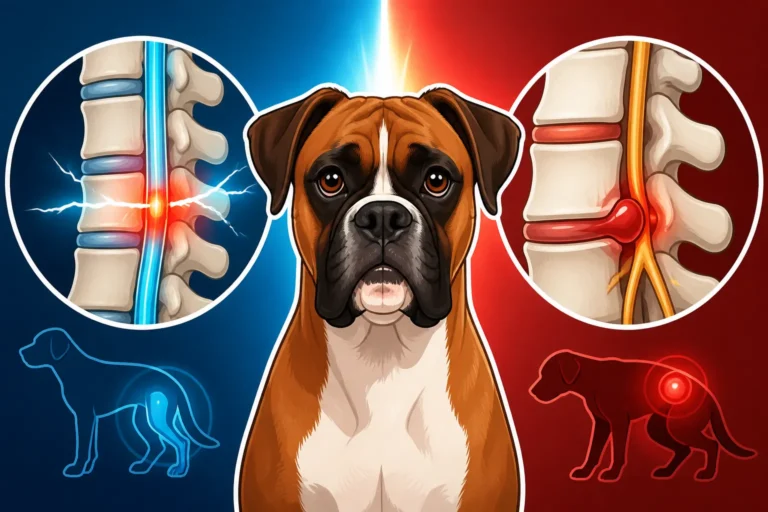
Boxer degenerative myelopathy and disc injuries present similar hind leg struggles, but differences in pain and progression help owners identify them.

Boxer carrier status for the SOD1 gene mutation means having one copy, which does not cause degenerative myelopathy symptoms.

Degenerative myelopathy in Boxers is a progressive spinal cord disease linked to a mutation in the SOD1 gene that causes paralysis.

Carts and slings help Boxers with degenerative myelopathy stay active and maintain mobility as hind leg paralysis progresses.

Boxer myelopathy causes progressive spinal cord decline and loss of motor function in dogs without creating physical pain.
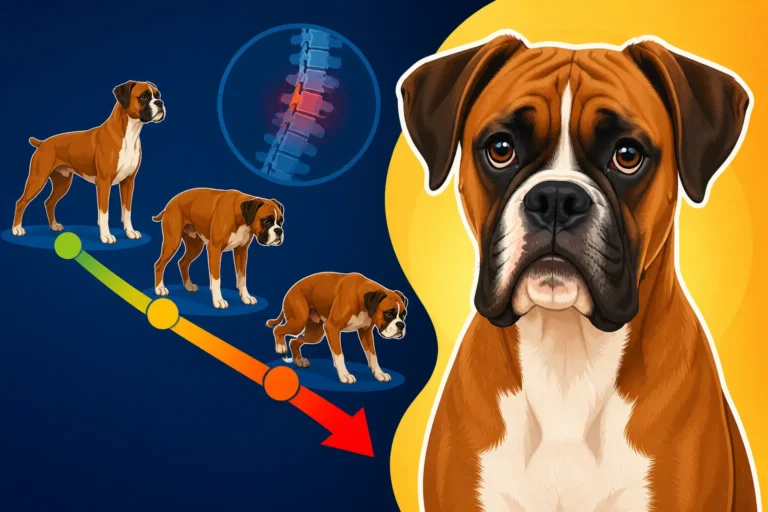
Boxer degenerative myelopathy progression timeline, spinal cord white matter degeneration, and early hind limb weakness signs.
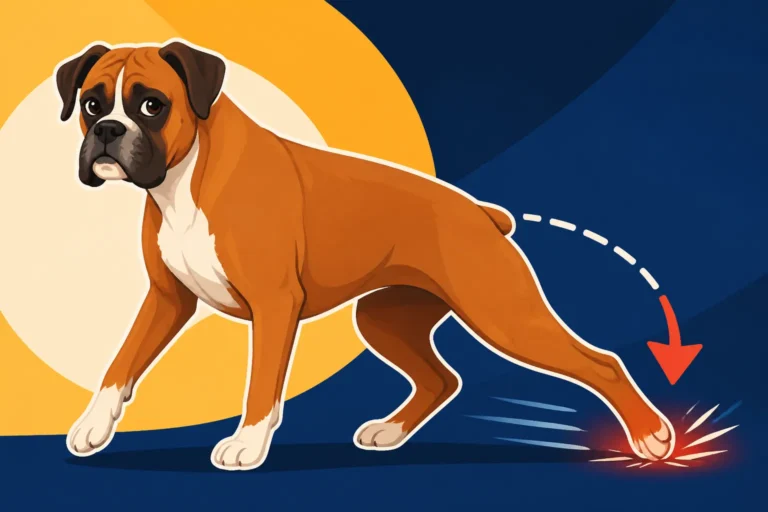
Boxer hind foot dragging can signal Degenerative Myelopathy, hip dysplasia, spondylosis, or arthritis affecting mobility.

Giardia and colitis in Boxers cause diarrhea, lethargy, and weight loss, requiring owners to understand differences and symptoms.
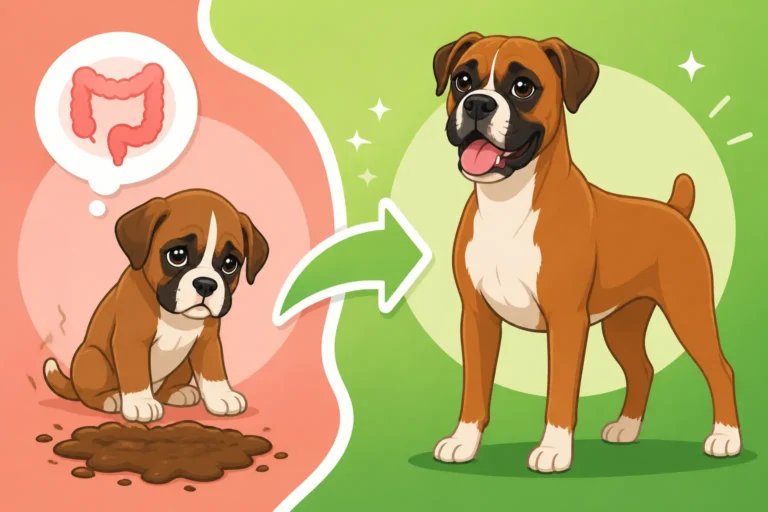
Boxer puppy loose stools stem from sensitive immature digestive systems, stress, dietary changes, and intestinal parasites.

Boxer colitis and ordinary diarrhea differ in causes, severity, and triggers, helping owners identify when to seek veterinary care.