Cleaning Boxer Slobber Off Walls
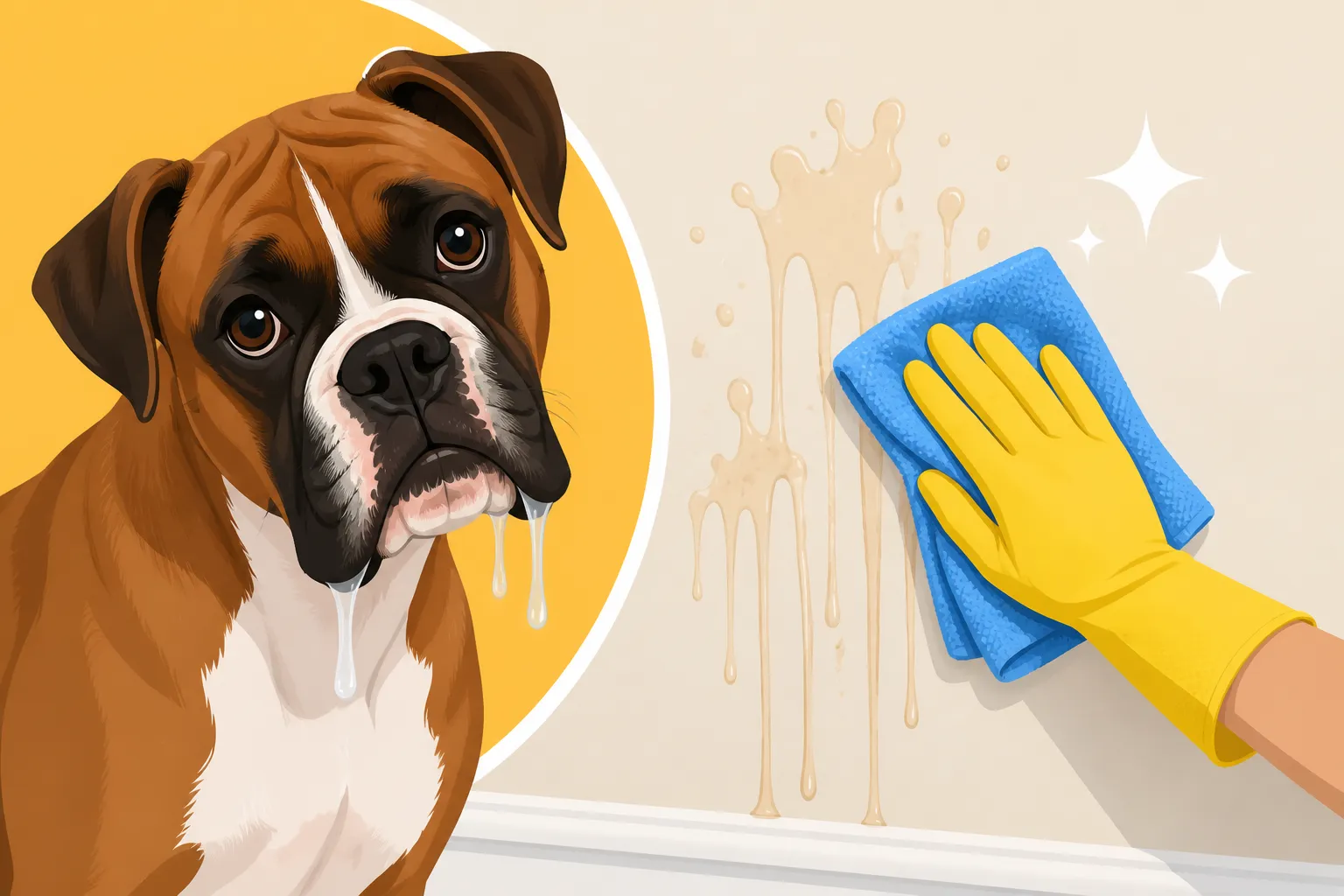
If you share your home with a Boxer, you know the indelible mark they leave — sometimes literally. That enthusiastic greeting, the excited shake, or even just a casual head tilt can send a shimmering arc of slobber directly onto your pristine walls, leaving behind a sticky, often noticeable residue. This guide is here to walk you through not just cleaning those notorious Boxer drool marks, but understanding why they happen and how to minimize their impact on your home.
Understanding the Boxer Slobber Phenomenon
Let's face it, Boxers are magnificent creatures, but they are also prodigious droolers. It's a hallmark of the breed, as much a part of their charm as their playful "wiggle butt." But understanding why they drool so much and how it ends up on your walls is the first step toward managing the mess.
Why Boxers Drool So Much and Why It Lands on Walls
The primary reason for a Boxer's generous drooling is anatomical. Those beautiful, square jaws and loose flews (the pendulous upper lips) are simply not designed to hold saliva effectively. Unlike some breeds with tighter lips, Boxers have plenty of open space for gravity to do its work, leading to a constant, gentle drip, especially when excited, hungry, or exercising. It’s not a flaw, it’s just how they’re built. Their mouths are designed to hold onto something firmly, not to keep things tidy. You can read more about this in Boxer Jowls, Drool and the Mess They Make.
When your Boxer gets excited – which is often, let's be honest, because they love life! – their salivary glands go into overdrive. That increased saliva, combined with their characteristic head shakes and playful "boxing" with their front paws, acts like a canine sprinkler system. The slobber isn't intentionally launched at your walls; it's simply a byproduct of their enthusiastic movements. A simple head shake after a drink of water, a quick bark at the mail carrier, or even a sudden burst of zoomies can send those tell-tale streaks across your paintwork.
The Different Kinds of Slobber Messes
Not all Boxer slobber is created equal, and understanding the nuances can help you tackle it more effectively. You'll encounter everything from fresh, glistening streaks to hardened, crusty deposits. Fresh slobber is usually clear or slightly yellowish and quite sticky. It’s the easiest to deal with, but you have to catch it quickly.
Then there’s the dried-on variety, which can range from a faint, almost transparent sheen to a thick, opaque crust, sometimes even tinted slightly brown or grey from dust and dirt adhering to it. This dried slobber is more challenging because it truly bonds with the wall surface, often absorbing into the paint or wallpaper, making it a bit more stubborn to remove without affecting the finish underneath. If your Boxer has been chewing on something messy before a good shake, the slobber can even carry particles of whatever they were chewing, adding to the staining potential.
Immediate Action: Fresh Slobber vs. Dried On Crust
The moment you spot that tell-tale sheen of fresh Boxer slobber on your wall, act fast! The quicker you get to it, the easier it will be to remove without any lasting marks. Procrastination is the enemy of clean walls when you have a drooling Boxer.
Wiping Away Wet Slobber Before It Dries
For fresh, wet slobber, prevention of drying is key. Grab a clean, soft cloth or a paper towel immediately. Gently blot the area; avoid rubbing vigorously, as this can smear the slobber and push it further into the wall's texture or paint. You want to lift the moisture away.
If it's a particularly thick or sticky blob, you might need to use a slightly damp cloth (plain water is usually enough) to help loosen it, followed by a dry cloth to absorb any remaining moisture. The goal is to remove all the visible slobber and any residue before it has a chance to set and create a permanent mark. Keep a designated "slobber cloth" handy in key Boxer zones, like near their water bowl or their favorite greeting spot by the door. This ensures you're always ready for immediate clean-up. You might find some excellent microfiber options on Amazon that make quick clean-ups a breeze.
Tackling Recently Dried Slobber
Even if you don't catch it immediately and the slobber has started to dry, don't despair! It’s still relatively manageable. For recently dried slobber, a slightly damp cloth is your best friend. Warm water often works wonders to rehydrate the dried saliva, making it easier to lift.
Dampen your cloth (again, a soft microfiber works best to avoid scratching or leaving lint) with warm water, and gently press it against the dried slobber spot for a few seconds. This helps to soften and loosen the crust. Then, with gentle strokes, wipe the slobber away. You may need to repeat this a few times, rinsing your cloth frequently to avoid spreading the dirt around. Pat the area dry with a clean, dry cloth afterward. Always test a small, inconspicuous area first, especially if your walls have a delicate finish or a less durable paint, just to ensure the moisture doesn't cause any damage.
Deep Cleaning Dried and Stubborn Boxer Slobber
Sometimes, despite our best efforts, a slobber mark goes unnoticed, or a particularly potent one decides to dig in its heels. That's when you need to bring out the big guns for a proper deep clean. Don’t panic; even stubborn stains can usually be removed with the right approach.
Choosing the Right Cleaning Solutions for Your Wall Type
The type of wall finish you have will dictate the best and safest cleaning solution. What works wonders on a semi-gloss painted wall might strip the finish off flat paint or damage delicate wallpaper. Always, always do a patch test in an inconspicuous area (like behind a door or a large piece of furniture) before tackling the main stain.
- Semi-Gloss or Gloss Paint: These are the most resilient. You can often use a mild all-purpose cleaner diluted with water. A common household solution is a few drops of dish soap in a spray bottle filled with warm water. Alternatively, a paste of baking soda and water can be effective for tougher spots.
- Flat or Matte Paint: These finishes are much more porous and prone to streaking or showing water marks. Avoid harsh scrubbing or too much moisture. A "magic eraser" type product can work wonders here, but use it very gently, as it’s essentially a fine abrasive. For liquid solutions, stick to plain warm water or a very dilute solution of white vinegar (1 part vinegar to 4 parts water).
- Wallpaper: This is tricky. Vinyl wallpaper can often handle a damp cloth and mild soap. Fabric or textured wallpaper is far more delicate; often, a dry brush or very lightly dampened cloth is all you can risk. If in doubt, consult the wallpaper manufacturer's cleaning instructions.
- Tile/Backsplash: These are generally easy to clean. Standard kitchen or bathroom cleaners are usually fine, or a simple vinegar and water solution. The challenge here is more about the grout lines.
Many pet supply stores or online retailers like Chewy or Amazon offer pet-safe wall cleaners that are formulated to tackle biological stains like drool without harsh chemicals, which can be a great option if you're worried about your dog sniffing or licking the cleaned area later.
Step-by-Step Guide to Removing Stubborn Stains
Once you’ve chosen your cleaner and done your patch test, here’s a step-by-step approach for tackling those tough spots:
- Gently Scrape (If Needed): If the slobber is very crusty and thick, you can very carefully use a plastic scraper (like a credit card or a plastic putty knife) to gently dislodge the thickest parts. Be incredibly cautious not to scratch or damage the wall surface.
- Apply Solution: Dampen a clean, soft cloth with your chosen cleaning solution. Do not oversaturate. You want the cloth damp, not dripping wet. For sprays, spray the cloth, not directly onto the wall, to avoid dripping.
- Dwell Time: Press the damp cloth against the stain for a minute or two. This helps to rehydrate and loosen the dried slobber, allowing the cleaner to penetrate.
- Gentle Wiping: Using gentle, circular motions, wipe the stain. Start from the outside of the stain and work your way inward to avoid spreading it. Rinse your cloth frequently and reapply the solution as needed. Avoid aggressive scrubbing, especially on painted walls, as this can remove paint.
- Rinse (If Necessary): If you used a soap or cleaner, lightly dampen a new, clean cloth with plain water and wipe down the area to remove any cleaner residue. This prevents streaking.
- Dry: Pat the area completely dry with a clean, dry towel. Allowing it to air dry can sometimes leave water marks, especially on certain paint finishes.
Consider using a gentle stain remover specifically designed for pet stains. These often contain enzymes that break down organic matter, making them highly effective. Remember, patience and a light touch are your best allies here.
Dealing with Textured Walls and Delicate Finishes
Textured walls, like those with knockdown, popcorn, or orange peel finishes, present a unique challenge. The slobber can get trapped in the crevices, making it harder to wipe away. For these, a soft-bristled brush (like a soft toothbrush or a detailing brush) can be useful after applying your cleaning solution. Lightly brush the area to work the solution into the texture and lift the slobber, then follow with dabbing with a clean, damp cloth.
For truly delicate finishes, like antique wallpaper, silk wall coverings, or certain faux finishes, it might be best to call in a professional cleaner. Attempting to clean these yourself risks permanent damage. Sometimes, less is more; a very light dry brush or a gentle vacuuming might be all you can do, and some stains might just become part of the home's "character."
| Wall Type | Recommended Cleaning Solution | Caution |
|---|---|---|
| Semi-Gloss/Gloss Paint | Mild all-purpose cleaner, dish soap + water, baking soda paste | Avoid abrasive scrubbers |
| Flat/Matte Paint | Warm water, very dilute white vinegar, magic eraser (gently) | Prone to streaking, don't oversaturate, gentle touch |
| Vinyl Wallpaper | Damp cloth + mild soap, specialized wallpaper cleaner | Test in inconspicuous area |
| Fabric/Textured Wallpaper | Dry brush, very lightly damp cloth (water only) | Highly delicate, professional cleaning often advised |
| Tile/Backsplash | Standard kitchen/bathroom cleaner, vinegar + water | Focus on grout lines, avoid harsh chemicals on sealed grout |
Prevention is Key: Reducing Slobber on Walls
While we adore our Boxers, living in a constant state of slobber patrol isn't ideal. The best offense is a good defense when it comes to Boxer drool. By taking some proactive steps, you can significantly reduce the amount of slobber that ends up gracing your walls.
Managing Drool at the Source
One of the simplest ways to manage drool is by directly addressing your Boxer's mouth. Keep a "drool rag" or a stack of dedicated microfiber towels readily available near their water bowl, at the door, and in their favorite lounging spots. Make it a habit to wipe their jowls after they drink water, after they eat, or when they've been particularly excited. Just a quick wipe can prevent a whole wall's worth of mess. You'd be surprised how much slobber you can catch this way. We often wipe our Boxer's face after every drink, which really helps. You can find more tips in Wiping a Boxer's Face After Every Drink.
Also, consider their diet. Some Boxers might drool more due to food sensitivities or dental issues. While diet won't stop natural Boxer drool, a healthy mouth and gut can reduce excessive or unusually sticky drool. Regular dental checks are crucial, as a sore tooth or gum infection can increase salivation. Maintaining good oral hygiene can also help with general slobber health. Read more about this in Boxer Dental Care and the Undershot Bite. For specific products, Chewy and Amazon both have a wide selection of dental chews and enzymatic toothpastes.
Strategic Placement of Water Bowls and Beds
Where you place your Boxer's water bowl can make a huge difference. Avoid putting it directly against a painted wall. Instead, opt for a corner, a non-painted backsplash, or even a sturdy, easy-to-clean mat underneath. Consider using a no-spill or splash-proof water bowl, readily available from retailers like Amazon. These are designed with features that reduce splashing and dripping, keeping more water (and slobber) in the bowl and less on your floors and walls.
Similarly, think about where your Boxer likes to shake off. If they have a habit of shaking their head after drinking or when they come in from outside, try to guide them to an area with easy-to-clean surfaces, like a tiled entry or outside, before they enter carpeted or painted zones. Placing their beds or crates away from directly painted walls can also prevent those "lean-and-slobber" marks that often appear where they rest their head.
Regular Cleaning Habits to Stay Ahead
The easiest slobber to clean is the one that hasn't dried yet. Incorporate a quick "slobber sweep" into your daily routine. As you walk through the house, give a quick glance to common drool zones – near the water bowl, by the door, around their favorite napping spots. A minute or two of quick wiping with a damp cloth can save you from a lengthy deep-cleaning session later.
It’s also important to address the cleanliness of your Boxer's jowls and muzzle folds. Sometimes, food particles or bacteria can accumulate, leading to excess moisture or even skin irritation that contributes to drooling. Wiping these areas daily with a pet-safe wipe can help. You can learn more about general Boxer cleanliness and care in articles like Cleaning a Boxer's Chin Acne and Sore Skin Under a Boxer's Lip Fold. By being consistently proactive, you can keep your home looking much cleaner, even with a lovable, slobbery Boxer in residence.
Disclaimer
This article is for general informational purposes only and does not constitute professional advice. Laws, prices and regulations vary by location and change over time. Consult a qualified professional for guidance on your specific situation.