Bowl Height and Bloat in a Boxer
Few things strike more terror into the heart of a Boxer owner than the thought of bloat, a condition that can turn deadly in a matter of hours. The sheer panic of seeing your typically energetic companion suddenly distressed, retching unproductive and with a distended belly, is something no one ever wants to experience. This guide dives deep into one common question — whether the height of your Boxer's food bowl contributes to this terrifying emergency — and explores all the crucial feeding strategies and preventative measures you can take to safeguard your beloved dog.
Understanding Bloat in Boxers: A Life-Threatening Reality
When we talk about "bloat" in dogs, especially in a breed like the Boxer, we're not just referring to a little gas or an upset stomach. We're talking about a veterinary emergency known as Gastric Dilatation-Volvulus, or GDV. This isn't just uncomfortable; it's a rapidly progressing, life-threatening condition where the stomach first fills with gas, food, or fluid (dilatation) and then often twists upon itself (volvulus). Imagine a balloon being inflated inside a tightly spun sock – that's essentially what happens to your Boxer's stomach. Once the stomach twists, blood supply is cut off, and without immediate intervention, the outcome is almost always fatal. It’s a terrifying prospect, and understanding why Boxers are so susceptible is the first step towards prevention.
Why Boxers Are Uniquely Vulnerable to Bloat
Boxers, with their deep chests and large stature, fit the classic profile of breeds prone to GDV. It’s a common, heartbreaking fact that many large and giant breeds are at a higher risk, and our wonderful Boxers are unfortunately among them. The specific conformation of their chest cavity allows more room for the stomach to shift and twist when it becomes distended. Think of it this way: a shallow-chested dog's stomach is more "snug" within its body, making it harder for it to flip over. A Boxer's deep chest, however, provides a larger, more open space where a gas-filled stomach can more easily rotate.
Beyond their physical build, Boxers are often high-energy dogs, prone to gulping their food and water, which introduces a lot of air into their digestive system. This frantic eating style, combined with their anatomical predisposition, creates a perfect storm for bloat. It's not just about what they eat, but how they eat it. The genetic component is also strong; if a Boxer's parent or sibling has experienced bloat, their risk significantly increases. It really highlights how many factors beyond our immediate control can contribute to this devastating condition, making us even more vigilant as owners. For more on this, you might find Why a Boxer's Chest Shape Invites Bloat particularly informative.
Recognizing the Urgent Signs of Gastric Dilatation-Volvulus GDV
Recognizing the signs of bloat early is absolutely critical. Time is literally of the essence. If you even suspect bloat, you need to get your Boxer to an emergency vet immediately. Do not wait, do not watch, do not try home remedies. Every minute counts.
The most common signs to look out for include:
- Retching without vomiting: This is perhaps the most classic sign. Your Boxer will try to throw up, strain and heave, but nothing or very little will come out. They might just produce foamy saliva. This is because the twisted stomach blocks the exit.
- Abdominal distention: Your Boxer's belly will appear visibly swollen, particularly on the left side, and might feel hard and tight to the touch. This can progress very rapidly.
- Restlessness and discomfort: They may pace, be unable to lie down comfortably, whine, or appear anxious. They might look at their flank or try to bite at their belly.
- Drooling: Excessive drooling can be a sign of nausea and pain.
- Pain: They may cry out if you gently press on their abdomen, or resist being touched.
- Weakness and collapse: As the condition progresses, your Boxer may become weak, lethargic, struggle to stand, and eventually collapse. Their gums might become pale, and their breathing may become shallow and rapid.
If you observe any of these signs, even if they seem mild, treat it as an emergency. It's far better to make a trip to the vet and be told it's nothing serious than to wait and regret it. Understanding Bloat Signs Every Boxer Owner Should Know can truly save a life.
The Evolving Debate: Raised Bowls and Bloat Risk
For years, it was widely believed that elevated food bowls were beneficial for large, deep-chested breeds like Boxers. The thinking was logical: if a dog didn't have to bend down so far to eat, they would swallow less air, and digestion would be easier, thereby reducing the risk of bloat. Many well-meaning owners invested in stylish raised feeders, readily available from retailers like Chewy or Amazon, to help their beloved Boxers eat more comfortably. However, scientific understanding, like many things, evolves, and sometimes what seems logical on the surface isn't what the research ultimately bears out.
The Original Hypothesis Behind Raised Feeders
The initial idea behind raised feeders was based on human intuition. Imagine bending over to eat a meal from the floor versus eating from a table. It feels more comfortable, doesn't it? The assumption was that for a tall dog, eating from a raised bowl would create a straighter path for food and air to travel down the esophagus into the stomach. This was thought to reduce the amount of air ingested (aerophagia), which in turn was believed to lessen the likelihood of the stomach filling with gas and potentially twisting.
Veterinarians and breeders, observing the comfort of their large dogs eating from elevated dishes, often recommended them. It made sense intuitively, especially for older dogs with arthritis or conditions affecting their neck and back, where bending deeply could be painful. The idea that it could also prevent a life-threatening condition like bloat was an added, and very welcome, bonus. For a long time, this was the conventional wisdom in dog care, and it was adopted by countless owners dedicated to their dogs' well-being.
What Modern Research Says About Elevated Bowls and GDV
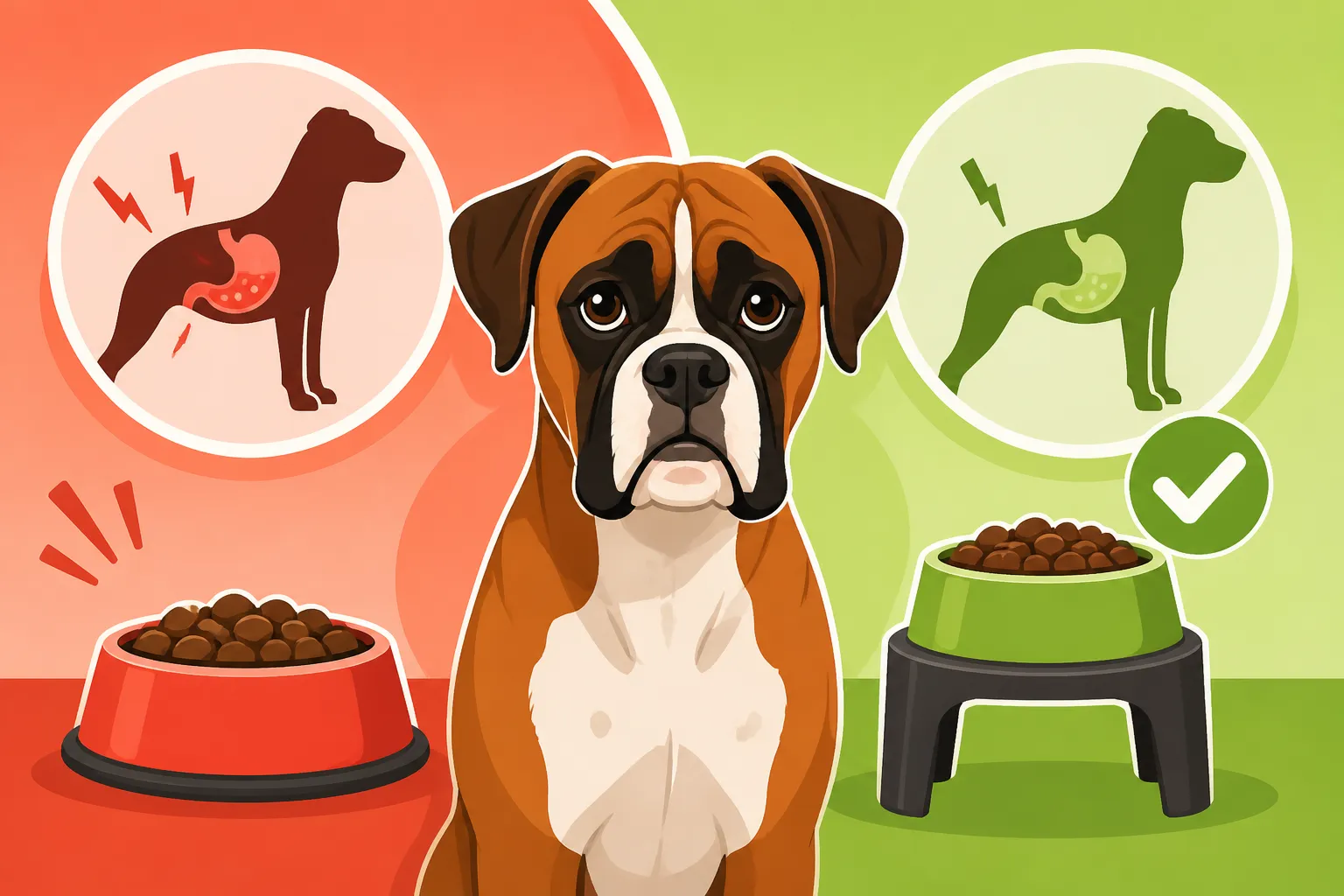
The surprising truth is that modern, large-scale studies have largely debunked the theory that raised bowls prevent bloat. In fact, some research has indicated the opposite. One significant study, the Purdue University study on GDV, actually found that elevated feeding bowls were associated with an increased risk of bloat, especially in large and giant breed dogs. This was a bombshell for many owners and the veterinary community.
While the exact mechanism for this increased risk isn't fully understood, one theory suggests that elevated bowls might actually encourage faster eating, as the dog doesn't have to reposition its head and neck as much. Faster eating often means more air is swallowed, contributing to stomach distention. Another thought is that while the dog is eating, its head is more horizontally aligned with its stomach, which could, paradoxically, make it easier for the stomach to shift if it fills with gas.
So, for bloat prevention specifically, the current consensus among many veterinary professionals is that raised bowls are not recommended. For dogs with specific orthopedic issues, an elevated feeder might still be recommended by a vet for comfort, but for the sole purpose of bloat prevention, feeding at ground level is generally preferred. This doesn't mean you have to panic if you're using a raised bowl, but it's important to be aware of the updated information and consider other preventative measures.
| Factor | Original Hypothesis for Raised Bowls | Modern Research Findings | Implications for Boxer Owners |
|---|---|---|---|
| Air Ingestion (Bloat) | Decreased air intake, reduced bloat | Increased risk of bloat | Feed at ground level, focus on slow eating techniques. |
| Digestion | Easier passage of food | No significant benefit observed | Focus on diet quality and meal timing. |
| Comfort (Orthopedic) | Beneficial for joint/neck comfort | Still potentially beneficial | Consult vet for specific comfort needs, separate from bloat risk. |
| Eating Speed | No direct effect assumed | May encourage faster eating | Implement slow-feeder bowls regardless of height. |
Factors Beyond Bowl Height That Influence Bloat
While the bowl height debate is a fascinating one, it's crucial to understand that GDV is a complex condition with many contributing factors. Focusing solely on one aspect, like bowl height, can distract from a holistic approach to prevention. Many elements of your Boxer's daily routine, from their eating habits to their stress levels, can play a role in increasing or decreasing their risk. A truly comprehensive prevention strategy involves looking at the bigger picture of their lifestyle and making informed adjustments.
Eating Habits: Speed, Volume, and Meal Frequency
How your Boxer eats can be just as important, if not more important, than what they eat.
- Eating Speed: Boxers are notorious for being enthusiastic eaters. They often inhale their food, gobbling down kibble in mere seconds. This rapid ingestion leads to a significant amount of air being swallowed along with their food, which is a major contributor to stomach distention. The more air in the stomach, the more potential for it to dilate and twist.
- Meal Volume: Feeding one large meal a day might seem convenient, but it's generally discouraged for bloat-prone breeds. A large volume of food can stretch the stomach, making it heavier and potentially more unstable, particularly if combined with vigorous activity soon after.
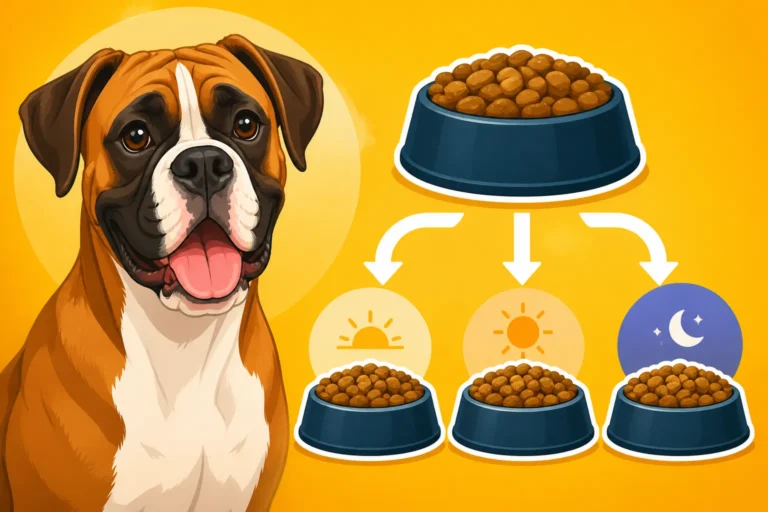
- Meal Frequency: Instead of one or two big meals, breaking your Boxer's daily ration into smaller, more frequent meals can be highly beneficial. This reduces the sheer volume of food in the stomach at any one time, allowing for more gradual digestion and less gas buildup. For instance, feeding three smaller meals throughout the day rather than one or two large ones can ease the digestive load. You can always use a slow feeder bowl from Chewy or a puzzle toy stuffed with their daily portion of kibble to help with this. For guidance on feeding, see Feeding a Boxer to Stay Lean and Muscled. Also, remember that whether a Boxer should never free feed is a key consideration for bloat prevention.
Exercise Timing and Post-Meal Activity
The timing of physical activity around meal times is another critical factor often overlooked. Energetic Boxers love to play, but intense exercise immediately before or after eating can significantly elevate the risk of bloat.
- Before Meals: When a Boxer exercises vigorously, they tend to pant heavily, swallowing more air. If they then immediately dive into a meal, they're starting with a stomach already potentially containing more air, which can exacerbate bloat risk. A good rule of thumb is to allow a calm period of at least an hour before meals, giving their breathing and heart rate a chance to normalize.
- After Meals: This is perhaps the most crucial timing to manage. A full stomach, especially one distended with food and potentially some swallowed air, is much more likely to twist if the dog is jumping, running, or rolling vigorously. Imagine a heavy sack of potatoes being swung around – the contents can shift dramatically. Similarly, a Boxer's stomach, when full, can be more prone to rotation during activity. Aim for at least one to two hours of complete rest, or very light activity like a short, leisurely potty break, after each meal. Avoid exciting play, long walks, or training sessions. This quiet period allows digestion to begin and the stomach contents to settle without undue stress. Whether a Boxer Should Rest After Meals offers further important insights here.
Stress, Genetics, and Other Contributors
Bloat isn't just about food and exercise; it's a multi-faceted problem.
- Stress and Anxiety: Just like in humans, stress can have a significant impact on a dog's digestive system. Anxious Boxers, especially those prone to stress, may be more susceptible to bloat. Stress can lead to changes in gut motility, potentially affecting how gas and food move through the digestive tract. Keeping your Boxer's environment calm, especially around meal times, can be helpful. If your Boxer is generally anxious, addressing that underlying anxiety with your vet or a certified professional is important for their overall health.
- Genetics: This is a huge factor we can't change, but we must be aware of it. If your Boxer has close relatives (parents, siblings) who have bloated, their risk is inherently higher. This genetic predisposition underscores the importance of choosing a reputable breeder who prioritizes health screening and transparency about their lines. While it doesn't mean bloat is inevitable, it emphasizes the need for extra vigilance and preventive measures.
- Age: Older Boxers tend to be at a slightly higher risk of bloat, though it can occur at any age. As dogs age, their digestive system might not be as efficient, and other underlying health conditions could contribute.
- Temperament: Some studies suggest that fearful or aggressive dogs might have a slightly higher incidence of bloat, possibly linked to stress responses.
- Underlying Medical Conditions: While less common, certain medical conditions might also indirectly increase bloat risk.
Understanding these interconnected factors allows you to develop a robust prevention strategy that goes beyond just looking at the food bowl.
Best Practices for Feeding Your Boxer to Minimize Bloat Risk
Given the serious nature of bloat, adopting best practices in your Boxer's feeding routine is non-negotiable. It's about creating a predictable, calm, and safe eating experience that minimizes the risks. These aren't just suggestions; they are crucial components of bloat prevention for our deep-chested companions. By being mindful of how and when your Boxer eats and drinks, you can significantly reduce their vulnerability to this silent killer.
Strategies for Slowing Down a Rapid Eater
Many Boxers approach their food bowl like it's a race, inhaling their meal in seconds flat. This rapid eating is a prime culprit for swallowing excessive air, a major bloat trigger. Fortunately, there are many effective ways to slow them down:
- Slow Feeder Bowls: These bowls have built-in obstacles, ridges, or mazes that force your Boxer to work around them to get to their kibble. This makes it impossible for them to gulp down large mouthfuls and significantly extends mealtime. Brands like Chewy and Amazon offer a wide variety of slow feeder bowls, so you can find one that suits your Boxer's eating style and your aesthetic preferences. Look for designs that are sturdy and easy to clean.
- Puzzle Feeders and Enrichment Toys: Instead of a bowl, consider feeding part or all of your Boxer's meal in a puzzle toy or dispensing ball. These require mental and physical effort to release the food, turning mealtime into an engaging activity that naturally slows eating.
- Muffin Tins or Multiple Small Bowls: If you don't have a slow feeder, you can spread your Boxer's meal across the compartments of a muffin tin or simply use several small, shallow bowls placed a few feet apart. This forces them to move between portions, preventing them from finishing too quickly.
- Hand Feeding or Scattering: For a super-fast eater, you might even consider hand-feeding small portions over a longer period, or scattering their kibble across a clean floor or a snuffle mat. This makes them forage for each piece, which takes time and engagement.
- Introducing Water with Food: For kibble, adding a little warm water to create a slurry can help slow eating, and also ensures they are well-hydrated. However, be mindful of dogs that might then gulp the watery mixture even faster.
These methods not only reduce bloat risk but also provide mental stimulation, which is a bonus for intelligent and energetic Boxers.
Optimal Feeding Schedules and Portion Control
The structure of your Boxer's meals plays a huge role in their digestive health and bloat prevention.
- Multiple Small Meals: As mentioned, avoid feeding one large meal a day. Ideally, divide your Boxer's total daily food allowance into at least two, preferably three, smaller meals. For example, if your Boxer eats 4 cups of food daily, instead of 2 cups twice a day, aim for 1.3 cups three times a day. This keeps the stomach from becoming overly full at any one time, reducing the physical stress on the digestive system.
- Consistent Schedule: Dogs thrive on routine. Feed your Boxer at consistent times each day. This helps regulate their digestive system and reduces anxiety around meal times, which can sometimes lead to frantic eating.
- Measure Portions Accurately: Overfeeding can contribute to weight gain, which is another risk factor for many health issues, and it also means larger meal volumes. Use a measuring cup to ensure your Boxer is getting the correct amount of food for their ideal body weight and activity level. If you're using a fresh food service like Ollie, their portions are usually pre-measured, taking the guesswork out of it. Regular body condition scoring – feeling for ribs and checking for a waist – helps ensure your Boxer stays lean and muscular. Feeding a Boxer to Stay Lean and Muscled is a great resource here.
- No Free Feeding: Leaving food out all day (free feeding) is generally not recommended for Boxers prone to bloat. It's difficult to monitor how much and how fast they're eating, and it often leads to irregular eating patterns and potential overconsumption, increasing overall risk.
Hydration and Water Bowl Management
Water is essential for life, but even water consumption needs careful management for bloat-prone Boxers.
- Always Provide Fresh Water: Your Boxer should always have access to fresh, clean water throughout the day. Dehydration is never the answer for bloat prevention.
- Limit Water Immediately After Meals: While continuous access is important, restrict large volumes of water immediately after a meal, especially if your Boxer tends to gulp. A large influx of water after a belly full of kibble can expand the stomach rapidly. Offer small amounts, wait 20-30 minutes, and then resume normal access.
- Monitor Water Intake During Exercise: After vigorous exercise, a thirsty Boxer might drink an excessive amount of water very quickly. Instead of letting them drink a whole bowl at once, offer small sips every few minutes until their thirst is quenched. You can also mix a small amount of water into their food to ensure some hydration with their meal, but again, watch for gulping.
- Consider Bowl Placement: While the feeding bowl height for solid food is a specific debate, ensure water bowls are easily accessible but don't encourage frantic lapping if placed in a high-traffic or stressful area. Again, placing water bowls at ground level is generally the simplest and most recommended approach.
Considering Surgical Prevention: Gastropexy for Boxers
For many Boxer owners, despite implementing all the feeding and exercise protocols, the fear of bloat remains. The risk is ever-present, and the sudden, devastating nature of GDV can be incredibly anxiety-inducing. This is where surgical prevention, specifically a procedure called gastropexy, comes into the conversation. It's a proactive measure that can offer immense peace of mind, though it's important to understand what it entails and whether it's the right choice for your individual Boxer.
What a Preventive Gastropexy Involves
A gastropexy is a surgical procedure where the stomach is permanently attached to the abdominal wall. The key thing to understand is that a gastropexy prevents the stomach from twisting (the "volvulus" part of GDV), but it does not prevent the stomach from dilating (filling with gas). So, a dog that has had a gastropexy can still get bloat, but it will be a less life-threatening form of bloat because the stomach won't be able to flip over and cut off blood supply. This means more time to get to the vet and less risk of immediate, catastrophic consequences.
There are a few ways a gastropexy can be performed:
- Traditional Open Surgery: This involves an incision into the abdomen, where the surgeon manually attaches a section of the stomach wall to the inner abdominal wall, often by creating a permanent adhesion.
- Laparoscopic Gastropexy: This is a minimally invasive technique where the surgeon uses a small camera and instruments inserted through tiny incisions. It often results in less pain, a faster recovery, and smaller scars.
- Incidental Gastropexy during Spay/Neuter: This is a popular option where the gastropexy is performed at the same time as a routine spay or neuter surgery. Since the dog is already under anesthesia and an incision has been made, it's often more cost-effective and convenient, and minimizes the number of anesthetic events for your Boxer. Tacking a Boxer's Stomach During the Spay discusses this in more detail.
The decision to pursue a gastropexy should always be made in consultation with your veterinarian, who can assess your Boxer's individual risk factors, age, and overall health.
Weighing the Pros and Cons of Gastropexy
Deciding whether to perform a gastropexy on your Boxer is a significant decision, and it’s one that requires careful thought about the benefits versus the drawbacks. It’s not a choice to be made lightly, but for many, the peace of mind it offers is invaluable.
Pros of a Gastropexy:
- Prevents Volvulus: The single biggest advantage is that it almost entirely eliminates the risk of the stomach twisting, which is the most dangerous and rapidly fatal aspect of GDV. While the stomach can still fill with gas, it won't flip, buying you critical time to seek veterinary care if signs of bloat appear.
- Significant Reduction in Mortality: By preventing the twist, a gastropexy dramatically reduces the mortality rate associated with bloat. This is a huge relief for owners of high-risk breeds.
- Peace of Mind: For many Boxer owners who live with constant anxiety about bloat, a gastropexy offers immense peace of mind, allowing them to relax a little more about their dog's daily activities.
- Combined with Other Procedures: As mentioned, it can often be performed concurrently with a spay or neuter, minimizing anesthesia and recovery time, and potentially reducing overall costs compared to two separate surgeries. Adding a Gastropexy to a Boxer Neuter delves into the cost aspects.
Cons of a Gastropexy:
- Surgical Risk: Any surgery carries inherent risks associated with anesthesia and the procedure itself, including infection, pain, and complications.
- Cost: While it can be more cost-effective when combined with another surgery, a gastropexy is still a surgical procedure with associated fees. These costs can vary widely depending on your location, the veterinary clinic, and whether it's an open or laparoscopic procedure. For some insight into the financial aspects of emergencies, read Emergency Bloat Surgery on a Boxer.
- Doesn't Prevent Dilatation: It's vital to remember that a gastropexy prevents the twist, but not the initial gas buildup (dilatation). Your Boxer can still experience discomfort and need veterinary attention if their stomach fills with gas. You still need to be vigilant for bloat signs.
- Recovery Period: There will be a recovery period after surgery, which involves restricting activity and managing pain. This can be challenging for an active Boxer.
Ultimately, the decision for a gastropexy involves weighing the lifetime risk of bloat for your Boxer against the risks and costs of surgery. For many, especially those with Boxers from lines with a history of bloat, it's a decision that dramatically improves their dog's prognosis and their own quality of life. Understanding Whether Preventive Bloat Surgery Suits a Boxer is essential for making an informed choice.
Disclaimer
This article is for general informational purposes only and does not constitute professional advice. Laws, prices and regulations vary by location and change over time. Consult a qualified professional for guidance on your specific situation.