Water Intake for a Boxer After Exercise
There’s nothing quite like the boundless energy of a Boxer, is there? They’ll launch themselves into play with a joyous enthusiasm that can take your breath away – and theirs. But this incredible zeal, combined with their unique brachycephalic (flat-faced) anatomy, means they're far more susceptible to overheating and dehydration than many other breeds. Understanding precisely how much water your Boxer needs after a good romp, and how to safely provide it, is absolutely critical to their health and happiness, and this guide is here to walk you through exactly that.
The Critical Role of Water for Your Exercised Boxer
When your Boxer is zooming around the yard, chasing a ball, or enjoying a brisk walk, their body is working hard. Just like us, exercise generates heat, and that heat needs to be dissipated to maintain a healthy core temperature. Water is the unsung hero in this process, performing several vital functions that keep your Boxer feeling good and operating at their best.
Why Boxers Need More Mindful Hydration
Boxers, with their distinctive pushed-in faces, gorgeous jowls, and boundless energy, are prone to overheating in a way that longer-nosed breeds often aren't. Their brachycephalic structure means their airways are shorter and sometimes narrower, making panting – their primary method of cooling down – less efficient. They have to work harder to move air across the moist surfaces of their mouths and throats, and this increased effort itself can generate more heat. Imagine trying to breathe through a straw during a workout; that's a bit what it's like for them. This means that after a burst of activity, they can quickly go from pleasantly warm to dangerously hot.
Water steps in here as an internal cooling system. It's essential for carrying heat away from the body, supporting proper circulation, and ensuring nutrients reach their muscles. Without adequate water, their body struggles to regulate temperature, leading to a cascade of problems that can escalate rapidly into heatstroke – a serious, life-threatening emergency. We talk a lot about Boxer Exercise Needs and the Heat That Limits Them, and careful hydration is a huge part of managing that.
Understanding Dehydration vs. Overhydration Risks
The goal is always optimal hydration, which means striking a delicate balance. On one hand, you have the very real and common risk of dehydration. This occurs when your Boxer loses more fluids than they take in. After exercise, especially on a warm day, they can lose a lot of water through panting and sweating (yes, dogs sweat, mostly through their paw pads, but panting is far more significant). Signs like excessive panting, dry sticky gums, lethargy, and a loss of skin elasticity are red flags. If ignored, dehydration can lead to organ damage, shock, and heatstroke.
On the flip side, while less common, overhydration or water intoxication is a serious concern, particularly with enthusiastic, fast-drinking Boxers. This happens when a dog consumes too much water too quickly, diluting their electrolyte levels (especially sodium) in the bloodstream. This rapid dilution can cause cells to swell, most dangerously in the brain. Symptoms can include bloating, vomiting, lethargy, staggering, and even seizures. While often associated with dogs gulping water during swimming, it can also happen if a Boxer, overly thirsty after a vigorous play session, is allowed to drink an entire bowl in one go. The key is moderation and observation.
How Much Water is Enough for Your Boxer?
Determining the exact "right" amount of water for your Boxer isn't as simple as checking a chart, because every dog and every situation is unique. However, we can use general guidelines and then fine-tune based on observation and specific circumstances.
General Guidelines vs. Individual Needs
A common rule of thumb for dogs is that they should drink approximately one ounce of water per pound of body weight per day. So, for a 60-pound Boxer, that's roughly 60 ounces, or about 7.5 cups, over a 24-hour period. However, this is just a baseline for a moderately active dog. After exercise, especially intense activity or on a hot day, their needs will significantly increase.
Factors that influence their individual water needs dramatically include:
- Activity Level: A Boxer who just ran a mile will need far more water than one who had a leisurely stroll around the block.
- Temperature and Humidity: Hot, humid weather means more panting, and thus more water loss. Boxers truly struggle when The Degrees at Which a Boxer Struggles.
- Diet: Dogs on a dry kibble diet typically drink more water than those who eat wet food, which contains a higher moisture content.
- Age: Puppies and senior Boxers may have different hydration needs. Puppies, with their higher metabolism, often need more proportionally, while older Boxers might not recognize their thirst as readily.
- Health Status: Certain medical conditions or medications can impact water intake and output. If your Boxer is on medication or has a chronic condition, always discuss their hydration needs with your vet.
There truly isn't a one-size-fits-all answer, and that's where your keen observation skills come in!
Recognizing Thirst Cues and Replenishing Strategically
After exercise, your Boxer will usually make it pretty clear they're thirsty. Look for these common thirst cues:
- Excessive Panting: While panting is normal after exercise, prolonged, deep panting even after resting for a few minutes can indicate thirst.
- Dry or Sticky Gums: Healthy gums are moist and typically pink (though color varies by individual Boxer). If they feel dry or tacky to the touch, your Boxer needs water.
- Thick, Ropy Saliva: Normal Boxer drool is one thing (and we know Boxer Jowls, Drool and the Mess They Make can be a lot!), but if their saliva becomes noticeably thicker or stringy, it's a sign of dehydration.
- Seeking Water: They might make a beeline for their water bowl, or even try to drink from puddles if desperate.
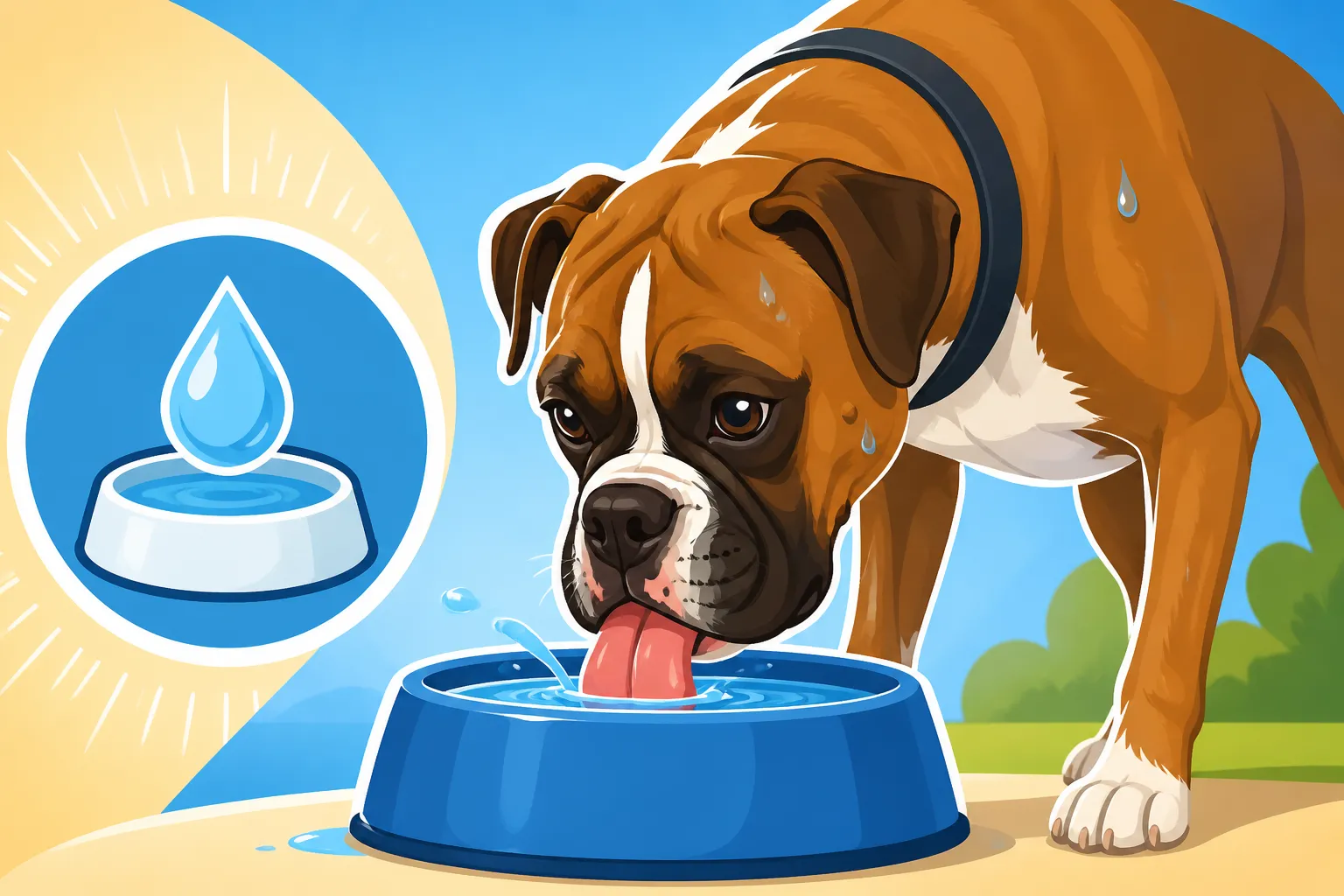
When it comes to offering water, strategy is key. Instead of putting down a giant bowl for them to gulp down all at once, offer small, frequent amounts. Start with a cup or two, let them drink, then encourage them to rest for 5-10 minutes. If they're still panting heavily or seem thirsty, offer another small amount. This helps prevent rapid overhydration and also allows their body to gradually rehydrate without overwhelming their system.
A good rule of thumb is to give them about 15-20 minutes to cool down a bit after intense exercise before offering a significant amount of water. Their body needs to regulate before it can properly absorb and utilize the water effectively.
Best Practices for Post-Exercise Water Intake
Making hydration a seamless and safe part of your Boxer's post-exercise routine involves a few simple, yet crucial, best practices.
Offering Water Safely and Effectively
The way you offer water is just as important as the water itself.
- Location, Location, Location: After an energetic session, guide your Boxer to a quiet, cool spot indoors or in the shade. This allows their body temperature to start coming down naturally before they even begin drinking.
- The Right Bowl: For home use, a wide, shallow bowl is often best, as it minimizes the effort a Boxer needs to drink and can make it harder for them to gulp huge amounts at once. When you're out and about, invest in a good portable water bowl. Collapsible silicone bowls or bottle-and-bowl combos are fantastic for hikes and park visits. Brands like Amazon offer a wide array of options for these, making it easy to carry water and offer it on demand.
- Water Temperature: Cool, fresh water is ideal. Avoid ice-cold water immediately after intense exercise, as it can be a shock to their system and, in some cases, even trigger a stomach upset or exacerbate issues like bloat. Room temperature or slightly chilled water is perfect.
- Preventing Gulping: Boxers are often eager drinkers. To prevent them from inhaling too much water too quickly (which carries the risk of bloat, or water intoxication), try these tricks:
- Small, Frequent Offers: As mentioned, offer a bit at a time, wait, and repeat.
- Add Large Rocks: Placing a few clean, large, smooth rocks in the bottom of their water bowl can slow down their drinking as they have to navigate around them. Just make sure the rocks are too large to be swallowed.
- Slow Feeder Water Bowls: Yes, they make these! These bowls often have internal structures that force dogs to drink more slowly. You can find these on sites like Chewy, and they can be a real game-changer for a fast drinker.
When to Seek Veterinary Advice
While proper hydration helps prevent many issues, it's vital to know when a situation warrants immediate veterinary attention. Your Boxer's health is paramount, and early intervention can be life-saving.
- Signs of Heatstroke: Despite your best efforts at cooling and hydrating, if your Boxer exhibits symptoms like prolonged, uncontrollable panting (even when resting), bright red gums, excessive drooling, lethargy, staggering, vomiting, diarrhea, or collapse, this is an emergency. These are signs that Signs a Boxer Is Overheating. Don't delay – get them to the vet immediately.
- Signs of Water Intoxication: Though rarer, if your Boxer shows extreme lethargy, bloating, vomiting, pale gums, dilated pupils, staggering, or seizures after excessive water intake, this is also an emergency. Again, prompt veterinary care is crucial.
- Persistent Lethargy or Unusual Behavior: If your Boxer remains unusually lethargic, isn't keen on drinking, or just "isn't acting right" for an extended period after exercise, even without the more severe symptoms listed above, it's always best to consult your vet. You know your Boxer best, and if something feels off, trust your gut.
Regular vet checks are always a good idea, and your vet can advise on your individual Boxer's specific needs, especially if they have any underlying health conditions.
Common Hydration Mistakes and How to Avoid Them
Even with the best intentions, it's easy to fall into common traps when it comes to hydrating an active Boxer. Being aware of these pitfalls can help you avoid them and keep your dog safe and healthy.
Forcing Water and Restricting Too Much
It’s natural to worry when your Boxer seems hesitant to drink, but trying to force water down their throat can be counterproductive and even dangerous. If they're showing signs of severe distress or refusing water, forcing it could lead to aspiration (inhaling water into their lungs) or increased anxiety, which only adds to their stress. In such cases, it’s far better to seek immediate veterinary help than to try to force fluids.
Conversely, restricting access to water for long periods, especially after exercise, is a serious mistake. A Boxer's body needs consistent access to water to function properly. Depriving them of it will lead to dehydration and increase their risk of heat-related illnesses. The balance is in offering water thoughtfully and in moderation, rather than withholding it entirely. Always make sure your Boxer has constant access to fresh water throughout the day, not just after exercise.
Not Considering Water Quality and Source
The quality of the water you offer your Boxer matters. While most municipal tap water is safe for dogs, some owners prefer filtered water, especially if their local tap water has a strong chlorine taste or odor, which might deter some dogs from drinking enough. If you’re ever unsure about your tap water, a simple carbon filter pitcher can often do the trick.
A significant mistake, particularly when out on walks or at the park, is allowing your Boxer to drink from stagnant puddles, ponds, or other questionable water sources. These can harbor harmful bacteria like Leptospira, Giardia, or E. coli, as well as blue-green algae, which can be highly toxic. Always carry your own water supply and a portable bowl (many options available on Ollie or Chewy websites) when you're out with your Boxer, especially when you know they'll be exercising. It’s worth the minor inconvenience to ensure they’re drinking clean, safe water. You might find some helpful tips in Paddling Pools and a Boxer That Cannot Cool Itself for keeping your Boxer hydrated and safe in summer.
Hydration Red Flags: Dehydration vs. Overhydration
It's helpful to quickly compare the signs of too little water versus too much, so you know which way to respond.
| Sign / Symptom | Dehydration (Too Little Water) | Overhydration (Too Much Water) |
|---|---|---|
| Energy Level | Lethargic, weak, tired, unwilling to move. | Lethargic, unusually tired, uncoordinated, staggering. |
| Gums | Dry, sticky, pale. Capillary refill time (CRT) prolonged (over 2 seconds). | Pale or normal, but can sometimes be slightly swollen. |
| Eyes | Sunken appearance. | Clear or sometimes slightly dilated pupils. |
| Panting | Excessive, prolonged, even at rest. | Can be present due to discomfort, but not usually the primary cooling mechanism. |
| Vomiting/Diarrhea | Can occur, often with dry heaving. | Vomiting is common, sometimes profuse diarrhea. |
| Abdomen | Normal or slightly tucked. | Bloated appearance, distended belly. |
| Urination | Decreased or absent. | Increased urination, or sudden inability to urinate if severe. |
| Behavior | Seeking water intensely, disoriented, collapse. | Confused, disoriented, head pressing, seizures in severe cases. |
Always remember, if you suspect either severe dehydration or water intoxication, getting to an emergency vet clinic is the most important step you can take. Your Boxer relies on you to recognize these critical differences and act swiftly.
Disclaimer
This article is for general informational purposes only and does not constitute professional advice. Laws, prices and regulations vary by location and change over time. Consult a qualified professional for guidance on your specific situation.