Introducing a Boxer to a Resident Dog
Bringing a new dog into a home where another furry family member already resides can be a wonderfully exciting prospect, but let's be honest, it often comes with a healthy dose of anxiety. You’re not just introducing two dogs; you're navigating personalities, established routines, and the very real possibility of clashes. This guide will walk you through a step-by-step process for successfully introducing your energetic new Boxer to your resident dog, aiming for harmony right from the start.
Understanding the Boxer's Approach to Other Dogs
Before you even think about noses touching, it's crucial to understand the Boxer's inherent traits when it comes to interacting with other canines. This breed has a distinct way of playing and communicating, and it's not always universally understood by other dogs.
The Boxer's Natural Play Style
Boxers are famous for their exuberant, full-body play style, which is often endearingly referred to as "boxing" due to their use of front paws. They'll bat, swat, and even gently push with their front feet, sometimes accompanied by a characteristic "rumble" in their throat that sounds more intimidating than it usually is. This can involve a lot of body slamming, chasing, and boisterous wrestling. For a more sedate or sensitive dog, this intensity can be overwhelming, startling, or even perceived as aggressive, even when the Boxer means no harm.
Their natural exuberance can sometimes be misinterpreted, especially by dogs who prefer a more refined or calmer play style. A Boxer’s enthusiastic "hello" might involve a bounding rush, a full-body lean, and an immediate invitation to wrestle, which could easily put off an older, shyer, or more reserved resident dog. It’s not uncommon for a new Boxer puppy, in particular, to try and engage an adult dog with boundless energy and little regard for personal space.
Understanding that this is a typical Boxer trait, rather than malice, is key. It doesn’t mean your Boxer is aggressive; it just means they have a high-energy, physical way of engaging. Our article on Boxer Play Style With Other Dogs delves deeper into these specific behaviors and how to manage them. You'll need to be the translator and advocate for both dogs, ensuring that the Boxer learns to temper its enthusiasm and the resident dog feels safe and understood.
Reading Your Boxer's Cues
Knowing your Boxer's body language is paramount during these initial introductions. Their excitement can manifest in ways that might be misread as aggression if you're not familiar with the breed. The famous "Boxer wiggle butt," for instance, is a sign of immense joy and excitement, often accompanied by frantic tail wags and full-body undulations. However, if this is directed at a wary resident dog, it could still be too much, too fast.
Conversely, you also need to be able to spot signs of stress or anxiety in your Boxer. While they are generally outgoing, new situations can make any dog nervous. Look for lip licking, yawning (when not tired), averted gaze, a tucked tail, or a stiff posture. An overly quiet Boxer might also be a sign of discomfort rather than calm acceptance. Recognizing these subtle cues in both your new Boxer and your resident dog allows you to intervene before stress escalates into conflict, ensuring that you can adjust the pace and approach as needed.
Preparing Your Home and Resident Dog
Successful introductions often hinge on meticulous preparation. This isn't just about managing the dogs when they meet; it's about setting up an environment that minimizes stress and maximizes the chances of a positive first impression.
Setting Up Separate Spaces
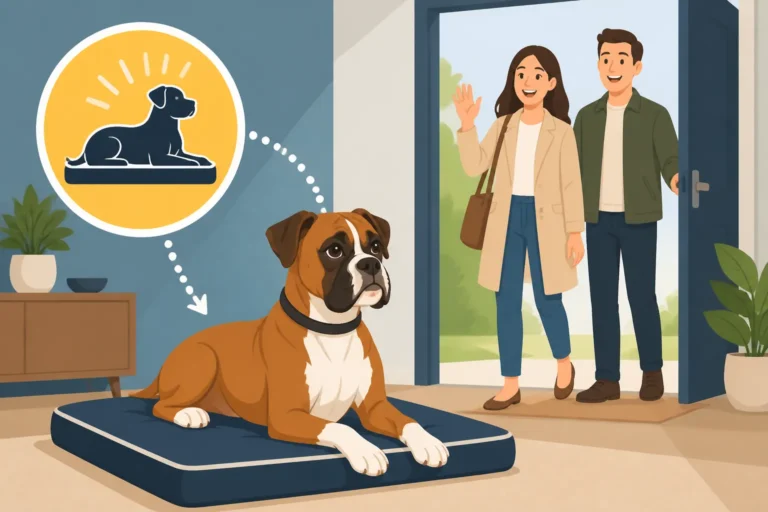
One of the most crucial steps is to ensure both dogs have their own dedicated, safe spaces within your home. This might mean setting up crates in different rooms, using baby gates to section off areas, or having separate feeding and resting spots. The goal is to create "sanctuaries" where each dog can retreat and feel secure, without fear of intrusion from the other. This prevents early resource guarding issues and allows both dogs to decompress after any interactions.
For your new Boxer, a sturdy crate is often an invaluable tool. Boxers, especially as puppies, thrive on structure and boundaries, and a crate can become their personal den. We discuss selecting the right size in Crates Big Enough for a Grown Boxer. Meanwhile, your resident dog will appreciate having their familiar bed, toys, and food bowl remain exclusively theirs, at least initially. Having these separate zones mitigates potential conflict over coveted resources like food, favorite toys, or prime sleeping spots. It also gives you a controlled way to manage their interactions, allowing them to get used to each other's presence without direct contact.
Preparing Your Resident Dog Mentally
The integration process starts even before the new Boxer steps paw in the door. Begin by introducing the scent of the new Boxer to your resident dog. You can do this by rubbing a blanket or toy on the Boxer (if you have access before bringing them home) and letting your resident dog sniff it. Observe their reaction calmly. Positive reinforcement during these scent introductions can help create a positive association.
It’s also incredibly important to maintain your resident dog’s routine as much as possible. Dogs are creatures of habit, and disruptions can lead to stress or resentment towards the newcomer. Continue their regular walk times, feeding schedules, and play sessions. Giving your resident dog extra attention and reassurance during this period can help them feel secure and less threatened by the new arrival. Their world is about to change, and making them feel loved and valued is paramount to a smooth transition.
Leash and Collar Management
For initial face-to-face meetings, and even for controlled visual introductions through a barrier, both dogs should be on leashes. This gives you vital control over their movements and allows you to gently guide them or separate them if necessary. Ensure both leashes are comfortable yet secure, and that collars or harnesses fit properly. A flat-buckle collar might be fine for some, but a Boxer’s strength often calls for a more robust solution. Many Boxer owners find front-clip harnesses helpful for managing their strength, especially if you have a Boxer that tends to pull on walks. Our article Harnesses That Hold a Pulling Boxer offers advice on suitable options.
Having each dog on a separate leash, held by a separate handler (if possible), is ideal. This prevents one dog from dragging the other around and gives both handlers maximum control. Remember, the goal is not to restrain them aggressively but to provide a gentle means of guidance and to ensure safety for both animals. This management strategy helps prevent either dog from rushing, posturing, or engaging in behaviors that could escalate tension.
The Step-by-Step Introduction Process
This is where the rubber meets the road! Rushing this stage is the biggest mistake you can make. Patience and careful observation are your best friends.
Neutral Territory First Meeting
The very first "meet and greet" should happen on neutral territory. This means a place where neither dog has established a territory or feels possessive, like a local park, a quiet street, or even a friend’s backyard. The goal here is to keep arousal levels low and avoid any territorial disputes. Start with parallel walks: both dogs on leash, walking some distance apart in the same direction, allowing them to sniff the same ground and get used to each other's presence without direct interaction.
Keep these initial sessions short and positive. If either dog shows signs of stress or over-excitement, increase the distance or end the session. The idea is to leave them wanting more, not to overwhelm them. You’re building positive associations. Think of it as a casual acquaintance building up to friendship, not a forced marriage. Gradually, if both dogs seem relaxed, you can slowly decrease the distance between them over several walks. This allows them to become comfortable with each other’s presence and scent in a calm, non-confrontational setting.
Controlled Visual and Scent Introductions
Once parallel walks are going well, you can move to controlled visual introductions within your home, still using barriers. A baby gate or a sturdy screen door can work wonders. Allow them to see each other through the barrier, exchange sniffs through the gaps, and get accustomed to each other's sights and sounds while still having a safe divide. Again, these sessions should be brief and always end on a positive note.
During these interactions, observe body language like a hawk. Look for loose, wagging tails, relaxed ears, or soft gazes. Avoid any direct staring or stiff body postures. Offer high-value treats to both dogs whenever they are calm in each other’s presence, creating another layer of positive association. If either dog fixates, barks excessively, or becomes overly aroused, it's time to take a break. The pace should always be dictated by the most hesitant or stressed dog.
First Physical Meet and Greet (Leashed)
When both dogs consistently show relaxed and positive body language during barrier introductions, you can try a supervised, leashed physical meet and greet. This should still happen in a neutral, open space, free from distractions. Each dog should be on a separate leash, handled by a different person. Begin by walking them in parallel again, then allow them to naturally move closer to sniff each other, perhaps in a loose arc rather than a direct, head-on approach.
Keep this interaction extremely short – just a few seconds of sniffing, then calmly move them apart. Reward calm behavior immediately with praise and treats. Repeat these short, controlled encounters, gradually increasing the duration as long as both dogs remain relaxed and appropriate. Do not force interaction. Let them dictate the pace. Remember, you're looking for polite sniffing and loose body language, not frantic wrestling right off the bat. Our article on Rewards a Boxer Will Work Hard For can give you ideas for high-value treats to use in these sessions.
Supervised Off-Leash Time
The transition to off-leash time is a big step and should only happen when you are absolutely confident that both dogs are relaxed and comfortable with each other on leash. Choose a secure, neutral area – perhaps your fenced yard, if it's not strongly associated with one dog's territory, or a securely fenced dog park during off-peak hours. Make sure there are no high-value resources (toys, food bowls) present that could trigger conflict.
Start with very short off-leash sessions, just a few minutes, gradually extending the time as they prove they can interact politely. Supervise every second of their interaction. Look for signs of appropriate play, like play bows, taking turns, and self-handicapping (where a larger dog might deliberately move slower or lower themselves to the level of a smaller dog). If play becomes too boisterous, if one dog is clearly overwhelming the other, or if there are any signs of tension, calmly interrupt the play by calling them away or gently guiding them apart. It's always better to end a session too early on a good note than too late after an argument.
| Introduction Stage | Key Actions | Goals |
|---|---|---|
| Scent Introduction | Exchange blankets/toys; positive reinforcement. | Familiarize with each other's smell; create positive association. |
| Parallel Walks | Leashed walks in neutral territory, distance apart; gradual reduction. | Get used to each other's presence and sight calmly. |
| Barrier Introduction | Visual contact through gate/fence; short, calm sessions; treats. | See each other safely; reward calm behavior. |
| Leashed Meet & Greet | Neutral space, separate handlers; brief, calm sniffing. | First physical contact; ensure safety and positive interaction. |
| Supervised Off-Leash | Secure, neutral area; very short sessions; constant monitoring. | Allow natural play; intervene if over-aroused; build trust. |
Common Challenges and Long-Term Integration
Even with the best preparation, you might encounter bumps in the road. It’s important to be ready for them and to continue fostering a harmonious environment long-term.
Managing Over-Excitement or Fear
Boxers, by nature, can be incredibly enthusiastic. This boundless energy, while charming, can sometimes translate into over-excitement when meeting new dogs. If your Boxer rushes, barks excessively, or tries to engage in immediate rough play, it can easily overwhelm a more reserved resident dog, leading to fear or defensive reactions. Conversely, if your resident dog is fearful, they might cower, growl, or even snap out of self-preservation.
It's crucial to identify the signs of stress in both dogs. These can include lip licking, yawning, stiff body posture, averted gaze, whale eye (where the whites of the eyes are visible), or a tucked tail. If you see these signals, it's time to take a break. Separate the dogs calmly and give them time to decompress in their individual safe spaces. Don't punish the dogs; simply manage the situation by removing them from the stressful interaction. You might need to go back a step in your introduction process, or even seek guidance from a professional dog trainer experienced with multi-dog households. Remember, the goal is to build positive associations, not create traumatic experiences.
Resource Guarding Prevention
Resource guarding, where a dog becomes possessive over items like food, toys, beds, or even a person, is a common potential challenge in multi-dog households. With a new Boxer, it's vital to put preventative measures in place from day one. Always feed dogs separately, in their own crates or different rooms, especially for the first several months, or even permanently. This removes any competition over food, which is often a major trigger.
Similarly, pick up all toys when the dogs are together, especially if you're not actively supervising play. Introduce shared toys only much later, and with extreme caution, ensuring there are more than enough for both dogs and that neither feels deprived. It’s also wise to ensure both dogs get individual attention, training, and affection from you, so neither feels the need to guard your presence. Consistency in managing resources helps prevent conflicts before they even start, laying the groundwork for a peaceful co-existence.
Establishing Household Harmony
The introduction process isn't a one-and-done event; it's an ongoing journey, particularly with a vibrant breed like the Boxer. For long-term harmony, continued supervision, especially in the first few weeks and months, is non-negotiable. Even after successful initial introductions, unexpected triggers can arise, and you need to be there to manage them. Consistency in routines, fair treatment, and continued positive reinforcement for polite interactions will solidify their bond.
Both dogs will benefit immensely from ongoing training. A well-trained Boxer, for instance, who understands cues like "leave it" or "come," will be much easier to manage in a multi-dog household. Online training programs like BAXTER & Bella can provide valuable resources and structured lessons that you can follow at your own pace, helping both your new Boxer and your resident dog learn to coexist respectfully. Furthermore, utilizing various tools found easily on platforms like Amazon – from extra baby gates to durable chew toys to redirect energy – can greatly aid in managing space and activity levels. Remember that a happy household with multiple dogs is one where everyone feels safe, respected, and loved. For more insights on how Boxers fit into family dynamics, consider reading Boxers With Children and Other Dogs. By setting clear expectations and providing consistent guidance, you’ll help your dogs forge a strong, lasting bond.
Disclaimer
This article is for general informational purposes only and does not constitute professional advice. Laws, prices and regulations vary by location and change over time. Consult a qualified professional for guidance on your specific situation.