Boxer Nail Trimming
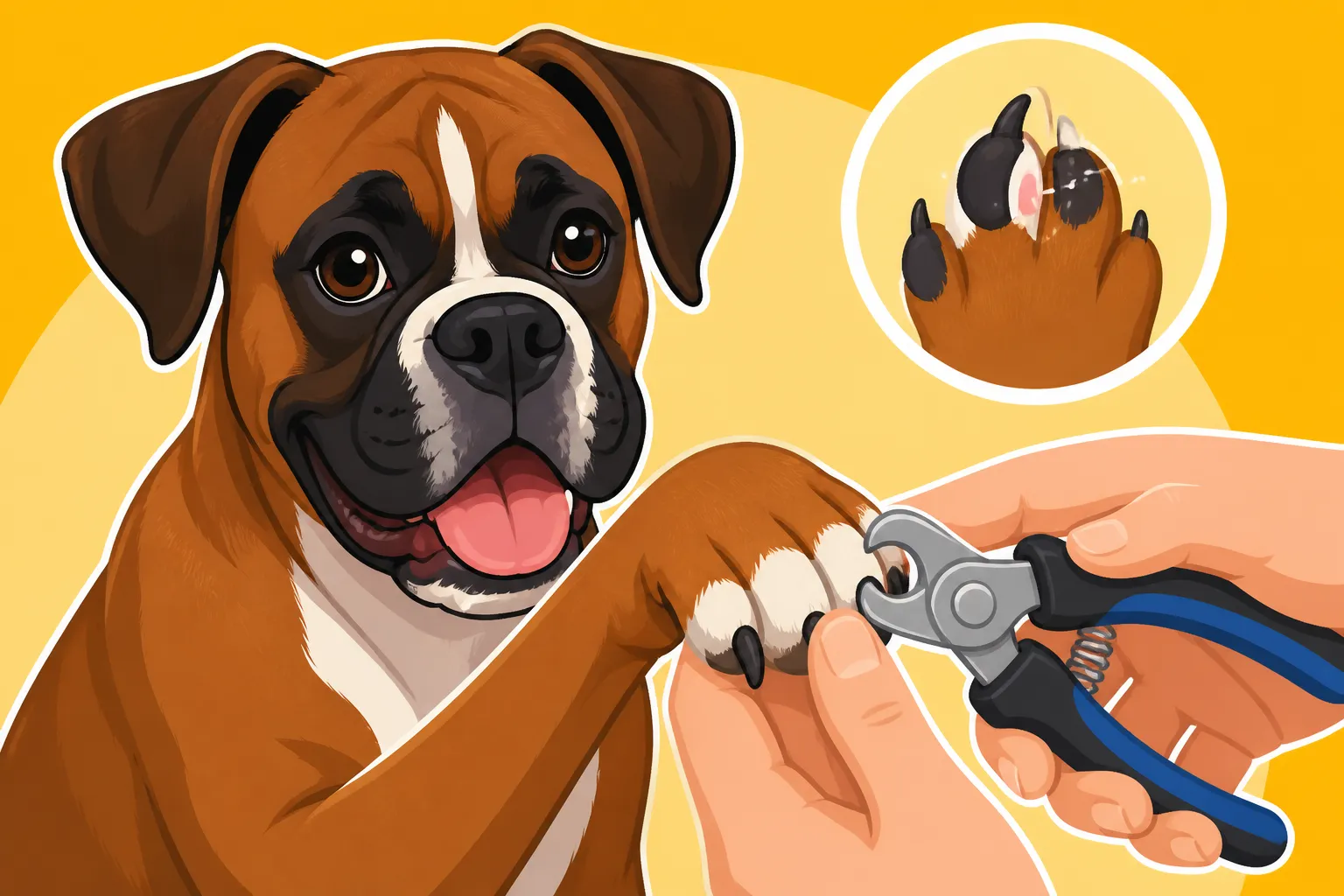
The thought of trimming your Boxer's nails can send a shiver down many an owner's spine. Between their playful wiggles, those often dark, opaque nails, and the ever-present fear of hitting the quick, it’s a chore many of us dread or put off. This comprehensive guide is here to walk you through everything you need to know to make Boxer nail trimming a less stressful, more manageable experience for both you and your beloved companion.
Understanding Your Boxer's Nails
Before you even pick up a clipper, it's really helpful to understand what you're actually dealing with. A Boxer's nails aren't just solid bits of keratin; they have a complex structure that's important to respect. This understanding is your first step to confident trimming.
The Anatomy of a Boxer Nail: Quick and Shell
Every dog nail, including your Boxer's, consists of two main parts: the outer hard shell and the inner, sensitive quick. The quick is a soft core containing blood vessels and nerves. If you cut into the quick, it's painful for your Boxer and will bleed, sometimes quite a lot. For many Boxers, especially those with darker coats, their nails are black, making the quick notoriously hard to see. This is where a lot of the anxiety around nail trimming comes from.
Imagine trying to cut a black pipe without knowing where the electrical wires run inside it. That's what it can feel like. The quick actually recedes as the nail is kept short. If your Boxer's nails are very long, the quick will also be long, extending further down the nail. This means you can only take off a tiny bit at a time. Over time, with consistent, small trims, the quick will gradually shrink back, allowing you to trim the nails shorter without causing discomfort. It’s a process, not a one-time fix, especially if you're starting with overgrown nails.
Why Regular Trimming is Crucial for Boxers
Long nails aren't just an aesthetic issue; they can have a serious impact on your Boxer's health and comfort. When nails are too long, they hit the ground before the paw pad does. This creates an unnatural pressure, pushing the bones of the paw up and back. Over time, this can lead to painful joint issues, splayed toes, and even problems further up the leg and spine. Think about how uncomfortable it would be if you had to walk on your tiptoes all the time. Your Boxer feels something similar.
Long nails can also reduce traction, making your Boxer more prone to slipping on smooth surfaces. This is particularly concerning for a muscular, active breed like the Boxer, who needs good grip for their energetic bursts and turns. They might even compensate for discomfort by altering their gait, which can put strain on other parts of their body. Beyond physical discomfort, overgrown nails can snag and tear, causing excruciating injuries that often require a vet visit. Regular trimming prevents these cascading problems, helping your Boxer maintain a healthy gait and remain pain-free throughout their active life.
The Right Tools for the Job
Having the proper equipment can make a huge difference in your success and your Boxer's comfort during nail trimming. Don't just grab the first set of clippers you see; consider what will work best for your dog's specific needs.
Choosing the Best Clippers for Boxer Nails
There are two main types of nail clippers for dogs: scissor-style and guillotine-style. For a Boxer, with their strong, thick nails, many owners find scissor-style clippers, often called "Resco" or "pliers-style" clippers, to be more effective. They give you more leverage and a cleaner cut, reducing the chance of crushing the nail, which can be uncomfortable. Guillotine clippers, where you insert the nail into a hole and squeeze, tend to be better for smaller, thinner nails, and can sometimes struggle with a Boxer's thickness.
Regardless of the type, ensure the clippers are sharp and appropriately sized for your Boxer. Small clippers meant for toy breeds won't be able to handle a Boxer's sturdy nails, and using them will only lead to frustration and a poor cut. Look for ergonomic handles that fit comfortably in your hand, giving you a steady grip. Brands like Safari, Millers Forge, and other reputable pet product manufacturers offer durable, sharp options. You can find a wide selection of these tools on platforms like Chewy or Amazon, where you can also read reviews from other large dog owners to help make your decision. Good clippers are an investment in your dog's comfort and your peace of mind.
The Benefits of a Nail Grinder
For many Boxer owners, a nail grinder becomes a game-changer. Grinders, which are essentially rotary tools with a sanding drum, file the nail down gently. The biggest advantage is that they significantly reduce the risk of quicking, especially with black nails. Instead of a single, decisive cut, you remove small layers at a time, allowing you to stop as soon as you see the first hint of the quick (a tiny dark dot in the center of the nail).
Grinders also produce a much smoother finish, preventing sharp edges that can scratch you or snag on carpets. This is a huge plus, especially if your Boxer loves to Boxer Mouthing From Puppy to Adult and play with their paws. However, grinders aren't without their drawbacks. The buzzing noise and vibration can be intimidating for some dogs, and the dust from the nail can be a bit messy. They also take more time than clippers for each nail. If you choose this route, start slowly, letting your Boxer get used to the sound and vibration before ever touching it to a nail. It can be a fantastic tool, but it requires patience and a gentle introduction.
Essential Extras: Styptic Powder and Treats
No matter how careful you are, accidents happen. You might quick your Boxer at some point, and when you do, you'll be incredibly grateful for styptic powder. This magical powder, often sold under brand names like Kwik Stop, is designed to stop bleeding quickly. Keep it easily accessible whenever you're trimming nails. You simply apply a pinch to the bleeding nail and apply gentle pressure. It stings a little, so your Boxer might pull back, but it's effective.
Beyond immediate first aid, high-value treats are your secret weapon. For a Boxer, who is often highly food-motivated, delicious treats can transform nail trimming from a terrifying ordeal into a tolerable, even positive, experience. Think small, smelly, and highly palatable — cooked chicken, cheese, or specialized training treats are perfect. You want something your Boxer will really work for. Dispense them generously throughout the process, especially after each successful clip or grind. This creates a strong positive association. Treats That Survive Boxer Training Sessions are ideal here, as you'll want something that doesn't crumble too fast but can be eaten quickly.
Mastering the Trimming Technique
Okay, you've got your tools, you understand the nails. Now comes the actual trimming. This section will guide you through making the process as smooth and stress-free as possible.
Getting Your Boxer Comfortable with the Process
This is perhaps the most critical step, especially if you have a young Boxer puppy or an adult with existing fears. You need to desensitize them to having their paws handled and to the tools themselves. Start slowly, without any expectations of actually trimming. Simply touch your Boxer's paws gently every day. Play with their toes, rub their pads, and handle each nail. While doing this, offer praise and treats. Make it a positive, enjoyable experience. This is part of the Boxer Puppyhood That Lasts Three Years where consistency builds trust and good habits.
Once they're comfortable with paw handling, introduce the clippers or grinder. Let them see and sniff the tools. Turn the grinder on briefly in another room so they hear the sound without it being directly next to them. Gradually move closer, offering treats as the noise gets louder. Don't use the tool on them yet. Just let them be near it, associating it with good things. You might even lightly touch the back of the clippers to their paw, or the non-sanding part of the grinder, followed by a treat. The goal is to build up positive associations so they don't immediately bolt when they see the equipment.
Step-by-Step Clipper Usage for Black Nails
Trimming black nails requires a bit more care and attention, but it's absolutely doable.
- Gather Your Supplies: Have clippers, styptic powder, and plenty of high-value treats within arm's reach.
- Position Your Boxer: Find a comfortable spot where your Boxer feels secure. Some owners prefer their Boxer lying down, others sitting, and some even have their Boxer stand on a table (if it's sturdy and non-slip). For a particularly wiggly Boxer, having another person gently hold them or provide continuous treat distraction can be incredibly helpful. If your Boxer is crate-trained, sometimes a Crates Big Enough for a Grown Boxer can be a calm spot for short sessions.
- Hold the Paw: Gently but firmly hold one paw, ensuring you have a clear view of the nail. Push the fur back if necessary.
- Identify the Cut Point: This is the tricky part with black nails. Instead of looking for the quick directly, look for the shape of the nail. The very tip will usually be brittle and crumbly. Make tiny, shallow cuts from the tip. After each small cut, look at the exposed end of the nail. You'll see a white or grayish center. As you get closer to the quick, this center will become a small, dark, shiny circle, often described as a "pencil lead." Stop cutting when you see this. That dark circle indicates you are right at the edge of the quick.
- Small Cuts are Key: It's better to take off too little than too much. Clip a tiny bit, look, clip a tiny bit more. If you're nervous, even just "tipping" the nails, taking off only the very end, is a good start.
- If You Quick Them: Don't panic! Apply styptic powder immediately and press firmly for about 30 seconds. Apologize to your Boxer, give them a few extra special treats, and maybe take a break before continuing. It happens to the best of us. Don't let it discourage you entirely, but do take a moment to reset.
Grinding Techniques for a Smooth Finish
Using a grinder is a slightly different approach but can yield excellent results, especially for those who fear clippers.
- Introduction and Acclimation: As mentioned, let your Boxer get used to the sound and vibration first. Lots of treats for calm behavior.
- Hold the Paw and Grinder: Hold your Boxer's paw gently. Turn the grinder on.
- Short Bursts: Instead of holding the grinder on the nail for a long time, use short bursts of 1-2 seconds. This prevents the nail from heating up, which can be uncomfortable for your Boxer. Remove the grinder, look at the nail, then apply again.
- Angle the Grinder: Aim to grind the bottom of the nail upwards, removing the hooked tip and shaping it so it's flush with the paw pad.
- Watch for the Quick: Again, with black nails, look for that "pencil lead" dot. As you grind, you'll see a white powdery residue. When the center starts to look darker or pinkish, you're approaching the quick. Stop.
- Don't Forget Dewclaws: If your Boxer has dewclaws (the thumbs on the inner side of their front legs), these also need trimming. They don't wear down naturally, so they can grow in a circle and dig into the leg if left untended.
- Praise and Reward: Constantly praise and treat throughout the session. Make it as positive as possible.
Overcoming Common Boxer Nail Trimming Challenges
It's rare for a Boxer to love nail trims right from the start. Most owners will encounter some form of resistance or challenge. Knowing how to address these can help you stay calm and persistent.
Dealing with a Fearful or Resistant Boxer
A fearful Boxer can make nail trimming feel like wrestling an octopus. They might pull their paws away, try to bite (even gently), or simply refuse to cooperate. The key here is patience, incremental training, and often, professional help. Don't try to force the issue, as this can create deeper fear and resistance.
Break the task down into the smallest possible steps. Day 1 might just be touching a paw. Day 2, touching a paw and then a treat. Day 3, touching a nail. Gradually, introduce the clippers or grinder without actually using them, just associating them with treats. You might spend weeks or even months on this desensitization process. If your Boxer is truly terrified, consider enlisting the help of a professional groomer or your veterinarian. They have techniques and experience with resistant dogs and can often get the job done efficiently and safely. Sometimes, a series of very short, positive sessions with a professional can help turn the corner, and then you can slowly take over.
Managing the Quick in Overgrown Nails
If your Boxer's nails are severely overgrown, the quick will also be extended far down the nail. This means you can't just hack off a large portion. The solution is frequent, tiny trims. Aim to trim a very small amount off the tip every 3-5 days. Each time you do this, the quick is stimulated to recede slightly. It's a slow process, but it works.
Consistency is paramount. If you wait too long between trims, the quick will start to grow out again. Think of it like pushing back a tide with many small nudges instead of one giant shove. Use a grinder for this if possible, as it allows for more precise, minute adjustments without the risk of an aggressive cut. Over time, usually several weeks to a few months, you'll notice the quick has pulled back, allowing you to achieve shorter, healthier nails. This process is often part of the general Caring for a Boxer Past Eight when regular movement might slow and nails don't wear down as much.
Maintaining Paw Health Beyond Trimming
Nail trimming is just one part of overall paw health. Boxers are active dogs, and their paws take a lot of impact. Beyond keeping nails short, regularly inspect their paw pads for cuts, cracks, or foreign objects. Just like human feet, their pads can get rough or dry. You can use dog-specific paw balms to keep them supple, especially after walks on rough terrain or in extreme weather. Paw Pad Care for a Boxer on Hot Pavement is particularly important to review if you live in a hot climate, as scorched pads are painful.
Also, pay attention to the skin between their toes. Boxers, like other breeds, can sometimes develop interdigital cysts or irritations in this area. If you notice any redness, swelling, or excessive licking, it's worth a trip to the vet. Keeping the fur trimmed between the pads can also prevent matting and trap less dirt. All these small checks, combined with regular nail trims, contribute to your Boxer's long-term comfort and mobility. Boxer Dental Care and the Undershot Bite is another crucial area of health where consistent, often routine home care makes a huge difference, similar to paw care.
| Challenge | Description | Solutions |
|---|---|---|
| Fear/Resistance | Boxer pulls away, struggles, whines, or shows signs of fear (lip licking, yawning, stiff body). Often rooted in past negative experiences or lack of early desensitization. | – Start Slowly: Desensitize them to paw handling and tools over days/weeks with positive reinforcement. – High-Value Treats: Use irresistible treats during and immediately after each small step. – Short Sessions: Keep sessions very brief to prevent overwhelming them. – Professional Help: Don't hesitate to seek a vet or groomer's assistance for a few sessions to establish a positive baseline. – Muzzle Training: For safety, if aggression is a concern, slowly introduce a basket muzzle as part of desensitization, never as punishment. |
| Black Nails/Quick Fear | Inability to see the quick makes owners nervous about cutting too far, leading to infrequent trims and overgrown nails. | – Small, Frequent Trims: Clip tiny amounts off the tip every 3-5 days to encourage the quick to recede. – "Pencil Lead" Rule: Look for the small, dark, shiny circle in the center of the nail after each small cut, stopping when you see it. – Use a Grinder: Grinders remove material slowly, making it easier to see the quick approaching. – Keep Styptic Powder Handy: Knowing you can stop bleeding quickly builds confidence. |
| Overgrown Nails | Nails are so long they touch the ground, impacting gait and potentially causing pain. The quick is also likely overgrown. | – Aggressive Frequency: Commit to trimming very small amounts every few days, religiously. – Prioritize: Make nail trims a top priority until the quick has receded to a healthier length. – Professional Guidance: Ask your vet or groomer for a demonstration on how much to remove safely on overgrown nails. |
| Wiggling/Lack of Stillness | Your Boxer's natural exuberance makes it hard to get a clear, steady shot at their nails. | – Comfortable Position: Experiment with different positions (lying down, sitting, on a non-slip mat) to see where your Boxer is most relaxed. – Distraction: Have a second person offer a lick mat smeared with peanut butter or a steady stream of treats during the trim. – Practice "Stay": Work on "stay" cues during regular training that can translate to stillness during grooming. Getting a Boxer's Attention Outdoors might offer clues on how to hold focus indoors. – Crate Calm: For some, a crate can provide a sense of security and limit movement during very short sessions. |
| Split/Cracked Nails | Nails are brittle or prone to splitting, which can be painful and lead to infection. | – Regular Trimming: Prevent nails from getting too long and catching on things. – Nutrition Check: Ensure your Boxer is on a high-quality diet; sometimes brittle nails can indicate nutritional deficiencies. – Consider Supplements: Ask your vet if biotin or Omega-3 fatty acid supplements might help with nail strength. Products like those from Ollie or even generic fish oil found on Amazon could be beneficial. – Vet Check: If splitting is severe or frequent, consult your vet to rule out underlying health issues. The Yearly Bill for a Seventy-Pound Boxer should always include vet visits for these concerns. |
Incorporating Nail Care into Your Boxer's Routine
Consistency and integration are key to making nail care a routine, rather than a dreaded battle. The more regularly you address it, the easier it becomes for everyone.
How Often Should You Trim Your Boxer's Nails?
There's no single answer that fits every Boxer, as activity levels and individual nail growth rates vary. However, a general rule of thumb is to trim your Boxer's nails every 2-4 weeks. You'll know it's time when you start to hear their nails "clicking" on hard floors. If you can hear them, they're too long! Another visual cue is when your Boxer is standing, their nails should not be touching the ground. They should be just shy of contact, allowing the paw pads to bear the weight.
Active Boxers who frequently run on rough surfaces like pavement or trails might wear their nails down more naturally, requiring less frequent intervention. However, even these dogs often need their dewclaws trimmed, as these don't touch the ground. For less active or older Boxers, who may move less and have thicker nails, weekly or bi-weekly trims might be necessary to keep the quick short and prevent overgrowth. Establishing a consistent schedule and marking it on your calendar can help you stay on track, ensuring you don't let those nails get out of hand.
Professional Grooming vs. DIY
Deciding whether to tackle nail trimming yourself or rely on a professional depends on a few factors: your comfort level, your Boxer's temperament, and your budget.
DIY Advantages:
- Cost-Effective: Once you have the tools, there's no ongoing fee.
- Convenience: You can trim whenever needed, without an appointment.
- Bonding: It can be a positive bonding experience if done gently.
- Quick Receding: Frequent, small trims are easier to do yourself at home, helping the quick recede faster.
DIY Disadvantages:
- Steep Learning Curve: Especially with black nails, it takes practice.
- Stress: Both for you and your Boxer, if you're not confident or they're resistant.
- Risk of Injury: Higher chance of quicking if inexperienced.
Professional Grooming/Vet Advantages:
- Expertise: Groomers and vets are skilled and efficient, reducing stress.
- Safety: Less risk of injury.
- Speed: They can often get it done quickly, which is good for nervous dogs.
Professional Grooming/Vet Disadvantages:
- Cost: Ongoing fees can add up over your Boxer's What a Boxer Costs Across Ten to Twelve Years.
- Appointments: Requires scheduling and travel.
- Less Frequent: Unless you schedule very often, the quick might still grow out between visits.
Many owners opt for a hybrid approach: regular DIY trims at home, with occasional professional visits for a "reset" or if they encounter a particularly difficult nail. If your Boxer is truly a challenge, paying a professional is absolutely money well spent for your dog's comfort and your peace of mind.
Long-Term Strategies for Stress-Free Nail Care
The goal is to integrate nail care so seamlessly into your Boxer's life that it's no big deal. This is a marathon, not a sprint, especially with a breed known for its "puppyhood that lasts three years" and boundless energy.
- Make it a Routine: Just like walks and meals, make nail checks and trims a regular, predictable part of your Boxer's schedule. This could be every Sunday, or twice a month, whatever works for you. Consistency builds acceptance.
- Continuous Positive Reinforcement: Even after your Boxer tolerates trims, never stop with the praise and treats. Every session, no matter how quick, should end with a positive reward. This reinforces the good behavior.
- Regular Paw Handling: Continue to handle your Boxer's paws outside of trimming sessions. Rub them, massage them, look at them. This keeps them accustomed to the sensation and helps you spot other issues, like checking for lumps or skin irritations which The Weekly Skin Check Every Boxer Needs covers.
- Environment: Ensure the trimming area is calm, well-lit, and free of distractions. Some Boxers do better with soft music, others with absolute quiet.
- Chews as Distraction: For some Boxers, a long-lasting chew or a stuffed Kong from Chewy or Amazon can provide a wonderful distraction during trims. These are not only rewarding but also keep their mouth busy and focused on something else while you work on their paws.
By adopting these strategies, you can transform what might initially feel like a formidable task into a manageable and even routine part of caring for your wonderful Boxer.
Disclaimer
This article is for general informational purposes only and does not constitute professional advice. Laws, prices and regulations vary by location and change over time. Consult a qualified professional for guidance on your specific situation.