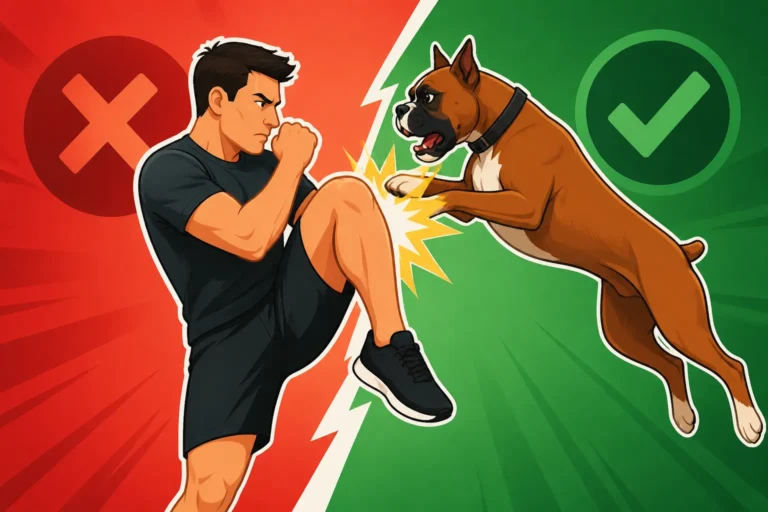
Whether a Boxer Would Protect You
It's a question many Boxer owners, myself included, have pondered: would your big, goofy, shadow-following companion actually protect you if a real threat emerged? We see their playful antics and sweet devotion daily, but the underlying instinct of protection can feel a little mysterious. This guide will delve into the protective nature of Boxers, shedding light on their historical roles, how their loyalty translates into guardianship, and what you can realistically expect from your beloved family member when it comes to keeping you safe.
Understanding the Boxer's Natural Protective Instincts
Boxers have a fascinating history, a blend of formidable working dog and affectionate family pet. Their protective instincts are deeply ingrained, not just a matter of individual personality.
The Boxer's Working Dog Heritage and Guardian Traits
To truly understand a Boxer's protective side, we have to look back at their roots. The Boxer descends from the Bullenbeisser, a powerful German breed used for hunting large game like wild boar and bears. These dogs needed immense strength, courage, and a tenacious grip. Over time, as hunting practices changed, their role evolved, and they were bred to be more versatile working dogs, including for military and police work in the early 20th century. This history isn't just a fun fact; it means that traits like alertness, courage, and a natural tendency to stand their ground were selected for and passed down through generations.
In modern Boxers, this heritage manifests as a strong guardian instinct. They are often incredibly observant of their surroundings, quick to notice anything out of the ordinary. This isn't necessarily aggression, but rather a keen awareness. If they perceive a threat to their home or, more importantly, their people, that deep-seated protective drive can kick in. They might not be the silent, stealthy guardians of some breeds, but their presence and initial reaction can be incredibly effective. You can read more about how this plays out in The Boxer's Working History.
Loyalty and Bond: The Foundation of Boxer Protection
Beyond their working history, the most significant factor in a Boxer's protective behavior is their profound loyalty and bond with their human family. Boxers are renowned for being "velcro dogs," deeply attached to their owners. They thrive on companionship and see themselves as an integral part of the household. This isn't just about getting cuddles; it creates an unwavering devotion that forms the bedrock of their protective instincts.
When a Boxer feels its family is in danger, their natural response is to intervene. It's not a programmed attack but an instinctual reaction rooted in their love and desire to keep their pack safe. They differentiate between an unfamiliar person on the street and someone actively threatening a family member. For a Boxer, their people are everything, and they will instinctively place themselves between their loved ones and perceived harm. This deep connection makes them formidable, not necessarily because they are trained to attack, but because their love for you empowers them to be brave.
What Real Boxer Protection Looks Like and Doesn't Look Like
The image of "protection" can vary wildly depending on the breed and individual dog. For Boxers, their natural protective actions often prioritize deterrence and warning.
Deterrence and Alerting: The First Line of Defense
Most of the time, a Boxer's protective behavior isn't about biting; it's about making a potential threat reconsider. Their mere presence is often a significant deterrent. A well-built Boxer, even a goofy one, is an imposing animal. Their strong, muscular physique and deep bark can send a clear message. When a Boxer perceives a threat, their first response is typically to alert you and try to scare off the intruder. This might involve:
- Loud, sustained barking: This is often the most common form of protection. They'll let everyone know something is amiss. You might notice this when a stranger approaches your door, as detailed in How a Boxer Reacts to a Stranger at the Door.
- Growling: A low, rumbling growl is a serious warning that should not be ignored. It signifies their discomfort and readiness to defend.
- Body blocking: Many Boxers will instinctively place themselves between you and the perceived threat. This could be standing squarely in front of you, or even leaning into you to push you behind them.
- Stiff body language: Their posture will change from relaxed to rigid, their hackles might raise, and their gaze will be fixed and intense.
This combination of vocalization and physical presence is usually enough to make someone with ill intentions think twice. They want to avoid confrontation, and a barking, growling, 70-pound Boxer is certainly a confrontation.
The Role of Temperament and Training in Protection
It's crucial to understand that while Boxers possess protective instincts, they are not typically "attack dogs" in the way some breeds are explicitly trained for personal protection work. Their default is not aggression, but rather a strong desire to guard and deter. A Boxer that is well-socialized and properly trained is far more effective in a protective role than one that is anxious or poorly controlled.
A Boxer with a stable temperament will assess a situation more calmly and react appropriately, rather than out of fear or uncontrolled aggression. Formal protection training, which involves teaching a dog to bite on command, is a highly specialized field and not something most pet owners should pursue. It requires immense expertise, careful selection of dogs, and significant commitment to ensure the dog remains stable and safe. For the average family, what you want is a confident, well-behaved Boxer whose natural instincts are channeled positively, rather than a dog prone to unprovoked aggression. The goal is a reliable guardian, not a liability. We've talked more about this distinction in Whether a Boxer Makes a Good Guard Dog.
| Characteristic | Natural Protective Instincts (Typical Boxer) | Formal Protection Training (Specialized) |
|---|---|---|
| Motivation | Loyalty, bond, perceived threat to family/home | Specific commands, controlled aggression, defense sport |
| Behavior | Barking, growling, body blocking, deterrence, alertness | Biting, holding, releasing on command, controlled attacks |
| Initiation | Dog's assessment of threat, often reactive | Handler's command or specific trigger |
| Primary Goal | Deterrence, warning, safety of family | Physical incapacitation of threat, sport competition |
| Training Needs | Socialization, obedience, confidence building, clear boundaries | Expert handler, specialized equipment, rigorous program |
| Typical Outcome | Threat avoids confrontation, family alerted | Threat neutralized by physical force (controlled) |
Factors Influencing a Boxer's Protective Response
Several elements play a part in how and when a Boxer's protective instincts will manifest. It's not just about inherent breed traits; environment and upbringing are critical.
Socialization and Exposure to the World
One of the most vital components in shaping a Boxer's protective response is comprehensive socialization. A Boxer puppy needs to be exposed to a wide variety of people, places, sounds, and other animals in a positive and controlled manner during their critical developmental window (roughly 8 to 16 weeks). This helps them learn what is normal and safe in the world. A well-socialized Boxer understands that most strangers are not a threat, and can differentiate between a friendly visitor and someone with ill intent.
Without proper socialization, a Boxer might become fearful or overly reactive to novel situations. This can lead to what looks like protection but is actually fear-based aggression. A dog that barks and lunges at everyone could be seen as protective, but it's often a sign of anxiety and lack of confidence. The aim is to have a confident dog that is comfortable in many situations, so when a true threat arises, their protective instinct is a considered response, not a panic reaction. Resources like those from BAXTER & Bella can be invaluable for helping new puppy owners navigate this crucial period, offering guidance on positive exposure and building a well-adjusted dog. Early socialization topics are covered extensively in Socializing a Boxer Puppy Before Sixteen Weeks.
Training and Handler Relationship
A strong, trusting relationship with your Boxer is paramount. They need to see you as a reliable leader who can assess situations and provide guidance. Obedience training isn't just about teaching commands; it's about building communication and trust. A Boxer that respects and trusts its owner will be more likely to look to them for cues in an uncertain situation. If you appear calm and give a "leave it" or "stay" command, they will be more likely to comply, even if their instincts are telling them to react.
Conversely, if a Boxer feels insecure or doesn't trust its owner to handle things, it might feel compelled to take matters into its own paws, sometimes with undesirable results. Consistent training, using positive reinforcement, helps your Boxer understand boundaries and appropriate behavior. It allows you to direct their energy and instincts rather than having them react unpredictably. A well-trained Boxer is a better companion and a more effective, albeit passive, protector. You can delve into how building this bond impacts their protective nature in Whether a Boxer Is Naturally Protective.
Environmental Factors and Threat Perception
A Boxer's protective response isn't a one-size-fits-all reaction; it's heavily influenced by the context of the situation. They are excellent at reading body language – both human and canine – and will take cues from their environment and, most importantly, from you.
Consider the difference in how a Boxer might react to:
- Someone walking past your house on the sidewalk: Typically, a quick glance, maybe a low grumble, then back to their nap. They recognize this as a normal occurrence.
- A stranger entering your yard uninvited: This will likely trigger alert barking and a more assertive posture. The boundary has been crossed.
- Someone physically threatening you or a family member: This is when their deepest protective instincts are most likely to surface. They will perceive your distress and react with heightened intensity, potentially stepping in forcefully.
Your own reaction is also a huge factor. If you are calm and dismissive of a perceived threat, your Boxer will often take that cue. If you become agitated or fearful, your Boxer will mirror that emotion and be more likely to react strongly. Boxers are incredibly perceptive and sensitive to their owner's emotions, so your composure can greatly influence theirs.
Responsible Ownership and Encouraging Desirable Protective Behavior
As Boxer owners, we have a responsibility to nurture their natural instincts in a way that creates a well-adjusted, confident, and safe dog, rather than an aggressive one.
Nurturing Confidence, Not Aggression
The goal is to have a Boxer that is confident in its own skin and in its role within your family. Confidence allows them to assess situations rationally, while fear or insecurity can lead to unpredictable, sometimes aggressive, behavior. Here's how to foster confidence:
- Consistent Leadership: Be a calm, confident leader. Your Boxer needs to know you're in charge and will handle things. This reduces their need to "take over."
- Positive Reinforcement: Reward brave and appropriate behavior. If they investigate a strange noise, acknowledge their alert, then praise them for calming down when you give a "thank you" or "quiet" command.
- Avoid "Testing": Never intentionally put your Boxer in a situation to "see if they'll protect you." This can create anxiety or encourage inappropriate aggression.
- Early Problem-Solving: Address any signs of fear, reactivity, or aggression early with a qualified professional. Don't let issues fester. Building confidence is a journey, and you can find helpful advice in Building Confidence in a Shy Boxer.
Remember, a confident Boxer is a reliable Boxer. You want a dog that is secure enough to know when to bark and when to relax, not one that is constantly on edge.
Managing the Boxer's Alertness and Vocalization
Boxers are alert dogs, and they will bark. This is part of their natural guardian instinct, and it's something we love about them—most of the time. However, it's essential to teach them appropriate boundaries for their vocalizations. Nobody wants a dog that barks incessantly at every leaf blowing past the window.
- Acknowledge and Redirect: When your Boxer barks at the mail carrier or a passerby, acknowledge their alert ("Good watchdog!"), then redirect them. A "quiet" command, followed by a reward, can be very effective. Many Boxers respond well to puzzle toys or long-lasting chews when you need them to settle down after an alert.
- Desensitize: Gradually expose them to the things they bark at from a distance, rewarding calm behavior. For example, if they bark at people walking past your fence, start further away and slowly work closer as they remain calm.
- Provide Mental Stimulation: A bored Boxer is a noisy Boxer. Ensure they get enough physical exercise and mental engagement. Interactive toys, like those readily available on Amazon, can keep them engaged and less likely to feel the need to "supervise" everything outside. Consider things like snuffle mats or KONGs filled with frozen treats.
- Teach a "Place" Command: This is invaluable for when guests arrive. Teach your Boxer to go to their bed or mat when the doorbell rings, and reward them for staying there calmly. This helps manage their excitement and gives you control over initial greetings, as discussed in Teaching a Boxer a Place to Go When Guests Arrive.
By managing their alertness and vocalization effectively, you cultivate a Boxer who is an excellent sentinel without becoming a nuisance. They will know when their "job" is done and trust you to take over, making them a true protective companion.
Disclaimer
This article is for general informational purposes only and does not constitute professional advice. Laws, prices and regulations vary by location and change over time. Consult a qualified professional for guidance on your specific situation.