Whether Kneeing a Jumping Boxer Works
Few things are more universally frustrating than a well-meaning, enthusiastic Boxer who simply can't keep all four paws on the floor when greeting people. It starts adorably when they're a puppy, a little bouncy wiggle-butt, but when your Boxer hits seventy pounds and still launches itself at every visitor, elderly relative, or even just you after a long day, it stops being cute and starts being a real problem. This guide is here to tackle that common, often exasperating, jumping behavior and definitively explain why certain "old school" methods like kneeing your dog are harmful and ineffective, while offering practical, humane solutions that truly work.
The Frustration of a Jumping Boxer: Why Owners Consider Drastic Measures
If you've ever had a Boxer launch itself at you, sending your coffee flying or nearly knocking you off your feet, you know the struggle is real. Boxers are exuberant, affectionate, and often quite clumsy in their enthusiasm, which can lead to a lot of unintended chaos. It's completely understandable to feel overwhelmed and look for quick fixes when faced with such a powerful, bouncy companion.
When the Playfulness Becomes Problematic
Boxers, bless their hearts, are essentially perpetual puppies. Many owners will tell you that the Boxer Puppyhood That Lasts Three Years is a very real phenomenon, meaning their youthful exuberance extends far beyond what you might expect from other breeds. This fantastic energy and playfulness are part of what we love about them, but it needs to be channeled correctly. A tiny Boxer puppy jumping up to mouth your hand is one thing; a full-grown adult male Boxer, easily weighing 60 to 80 pounds, launching itself chest-first at your guests is an entirely different, and potentially dangerous, scenario.
It’s not just about the mess or the embarrassment; there's a genuine safety concern. An elderly visitor could easily lose their balance and suffer a fall. A child could be knocked over, leading to tears or worse. A Boxer That Knocks Children Over is a common worry for many families. You want your Boxer to be a joyful part of your family, not a source of anxiety every time someone comes to the door. This pressure to find a solution, any solution, can sometimes make even well-meaning owners consider methods they'd otherwise dismiss.
The Misguided Idea Behind "Kneeing"
The advice to "knee" a jumping dog often stems from an older, more confrontational era of dog training, or from anecdotal stories passed down without critical thought. The idea, presumably, is to make the act of jumping unpleasant or uncomfortable for the dog, thereby deterring the behavior. It’s rooted in dominance theory, which has largely been debunked by modern canine behavior science. This approach assumes that dogs are deliberately trying to "dominate" us by jumping, and that we must physically assert our authority.
However, a Boxer isn't jumping to assert dominance. They're jumping because they're excited, they want attention, they want to greet you face-to-face, or they haven't been taught an alternative way to express their joy. They're seeking connection and positive interaction. The problem isn't their intention; it's their method, which is often simply the most effective way they've found to get what they want – even if that's just a reaction from you. When owners are at their wits' end, hearing advice like "just knee them" can sound like a direct, firm solution, even if deep down it feels uncomfortable.
Why Kneeing a Jumping Boxer Is Never the Answer
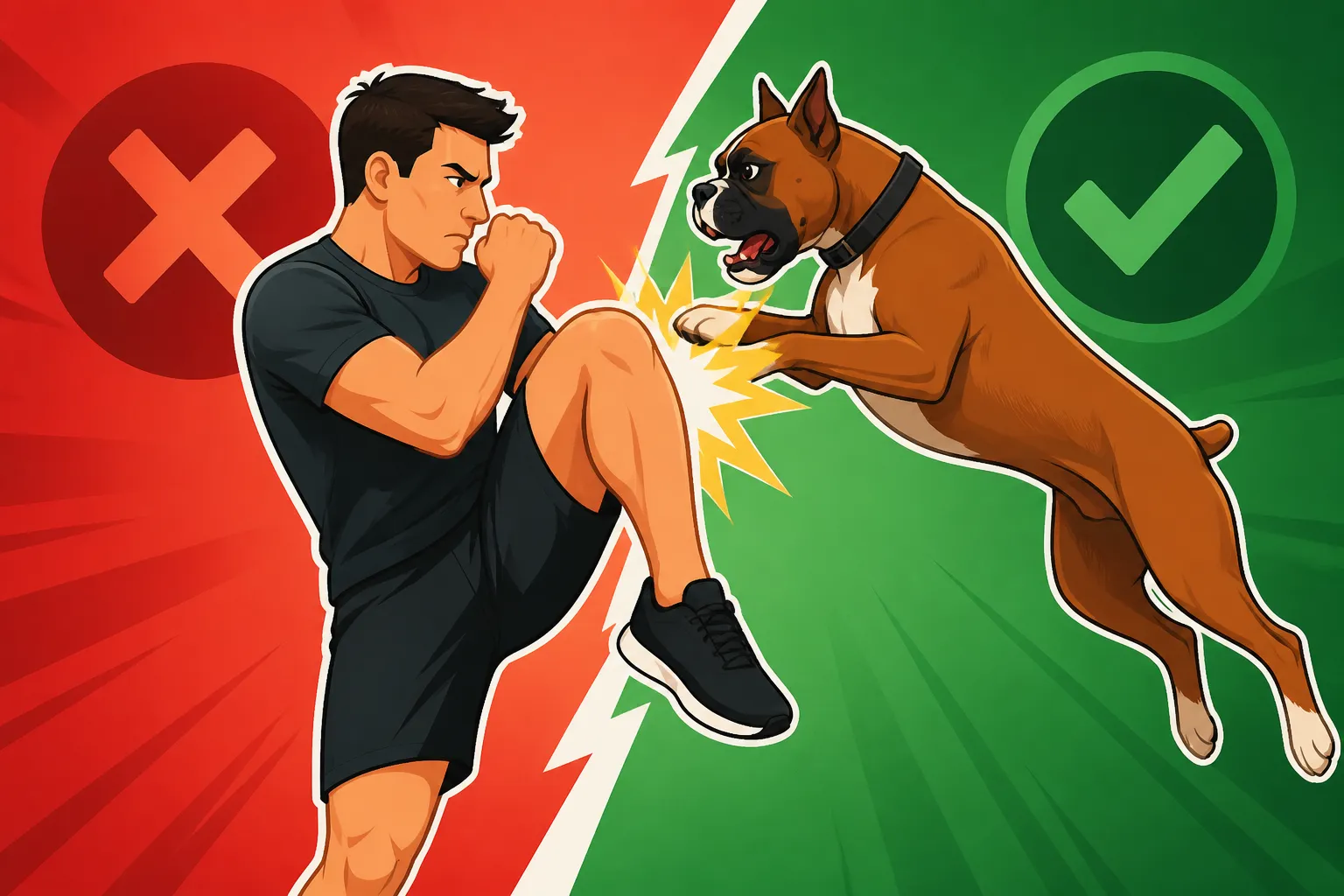
Let's be absolutely clear: intentionally kneeing your Boxer, or any dog, is not a recommended or humane training technique. Not only can it cause physical harm, but it fundamentally misunderstands how dogs learn and can severely damage the precious bond you share.
The Risk of Injury to Your Boxer (and Yourself)
Consider the mechanics: a Boxer, especially an excited one, is a solid, muscular animal moving with considerable force. If you attempt to "knee" them, even with what you might consider controlled force, there's a significant risk of impact with sensitive areas. Their chest, ribs, and internal organs are vulnerable. A poorly timed or forceful knee could lead to:
- Bruising and muscle strain: Just like a human, a dog can suffer soft tissue injuries.
- Rib fractures: A direct hit to the ribs could easily cause a fracture, which is incredibly painful and can lead to serious complications.
- Internal organ damage: While less common, severe trauma could impact vital organs, requiring emergency veterinary care.
Beyond the physical harm, there's the psychological impact. Your Boxer might learn to associate greetings with pain, leading to a fearful or avoidant response. This isn't training; it's suppression through intimidation. Moreover, when a large, excited dog flails unexpectedly after a painful correction, there's a real chance they could accidentally injure you in their attempt to get away or brace themselves. The goal is to build a cooperative relationship, not one built on fear and potential harm.
Damaging the Bond and Trust
Boxers are renowned for their loyalty and deep affection for their families. They are incredibly sensitive dogs, despite their tough exterior. They thrive on positive interaction and a clear, consistent understanding of expectations. Introducing pain or fear into your interactions, especially during what should be a happy moment like a greeting, erodes the trust they place in you.
Think about it from your Boxer's perspective. They come bounding towards you, tail wagging, eager for connection, and suddenly they are met with a painful jolt. This isn't how they learn. Instead, it creates confusion and can teach them that approaching people, particularly when excited, is dangerous. They might stop jumping at you, but they might also become hesitant, fearful, or even develop defensive behaviors like growling if they anticipate pain upon approach. This can manifest in other areas too; a Boxer that feels unsafe or distrustful of its owner is much less likely to respond to other cues or to be a confident, happy companion. Their joyful wiggle, a hallmark of the breed, might even diminish if they learn that enthusiasm leads to punishment.
It Doesn't Actually Teach Anything Productive
The core flaw in the "kneeing" method is that it's purely punitive. It tells the dog what not to do, but it completely fails to teach them what they should do instead. A dog doesn't understand complex human reasoning; they associate actions with consequences. If jumping up results in pain, they might stop jumping at the person who inflicted the pain, but they haven't learned an appropriate alternative greeting.
What often happens is that the Boxer becomes confused. They might jump less frequently, but the underlying excitement and desire to greet remain unaddressed. This confusion can lead to:
- Generalized fear of greetings: They might avoid people altogether, or only approach very cautiously.
- Behavior suppression: The dog acts "calm" but is actually fearful and stressed.
- Redirected behavior: The jumping might stop, but the energy might come out in other undesirable ways, like excessive barking, destructive chewing when left alone, or even reactivity towards other dogs or people.
Boxers respond incredibly well to positive reinforcement and clear guidance. They are intelligent and eager to please, but Why a Boxer Shuts Down When You Get Loud or confrontational tells us that harsh corrections are counterproductive. They need to be shown the right path, not punished for taking the wrong one out of ignorance or enthusiasm.
Effective, Humane Ways to Teach Your Boxer Not to Jump
So, if kneeing your Boxer is off the table (and it absolutely should be), what does work? The good news is that there are many effective, kind, and bond-building strategies that will teach your Boxer impeccable greeting manners. It takes patience and consistency, but the results are a happier dog and a more peaceful home.
Laying the Foundation: Management and Consistency
Before you can even begin to train a new behavior, you need to manage the current unwanted behavior. This means preventing your Boxer from rehearsing the jumping. Every time your Boxer jumps and gets a reaction (even a negative one like shouting), they are practicing the behavior and getting some form of attention.
Management Strategies:
- Leash Management: When guests arrive, keep your Boxer on a leash. This gives you immediate control. If they try to jump, you can gently guide them back down to "four on the floor" without any physical confrontation.
- Gate or Crate Your Boxer: For particularly exuberant greetings, consider putting your Boxer behind a baby gate or in their crate until they are calm. This isn't punishment; it's a way to set them up for success. Once they've settled, they can be slowly introduced to the visitor. Why a Boxer Needs a Crate More Than Most discusses the utility of crates for this breed.
- Guest Preparation: Ask your guests to ignore your Boxer entirely until all four paws are on the ground. No eye contact, no petting, no talking. This removes the reward for jumping.
- Consistency is Key: Every single person who interacts with your Boxer must follow the same rules. If one person allows jumping, your Boxer will be confused and the training will be undermined. Explain the rules clearly to family members and visitors.
Teaching an Alternative Behavior: "Four on the Floor"
Instead of focusing on "don't jump," we focus on "do this instead." The goal is to teach your Boxer that polite greetings (with all four paws on the floor) are what earns them attention and rewards.
Here’s how to do it:
- Start Small: Begin training in a low-distraction environment with just you.
- The "Ignore and Reward" Method: When your Boxer jumps up at you, immediately turn your back, cross your arms, and completely ignore them. Do not make eye contact, speak to them, or push them off. The moment all four paws are on the floor, even for a split second, turn back around, offer a small, high-value treat, and calmly praise them ("Good, four on the floor!").
- Timing is Everything: The reward must come the instant their feet are down. This helps them connect the reward with the desired behavior.
- Practice Makes Perfect: Repeat this process many, many times. Your Boxer needs to understand that jumping gets them nothing, but calm paws on the floor gets them everything they want (attention, treats, praise).
- Add a Cue: Once they are consistently offering "four on the floor," you can add a verbal cue like "Off" or "Paws Down" just as their feet touch the ground, before you reward them. Eventually, you'll be able to use the cue before they jump.
- Introduce Distractions Gradually: Once your Boxer is reliable with you, introduce a calm family member, then a slightly more exciting friend, always following the "ignore and reward" rule. Use a leash for added control if needed, allowing you to easily guide them back down. Teaching a Boxer to Keep Four Feet Down goes into more detail on this process.
- Give Them a "Job": Consider teaching them to Teaching a Boxer a Place to Go When Guests Arrive. This gives them a clear, alternative behavior that is incompatible with jumping.
You'll want to have some truly irresistible treats on hand for this training. Boxers are highly food-motivated, so finding Treats That Survive Boxer Training Sessions (meaning they are small, easy to swallow, and your dog absolutely loves them) will be a game-changer. For an extra boost in training consistency, consider an online program like BAXTER & Bella, which provides structured lessons and support for teaching polite manners. Their guidance can be invaluable for breaking down complex behaviors into manageable steps.
Addressing Excitement and Energy Levels
Boxers are high-energy dogs. A significant reason they jump is often an overflow of excitement and an unmet need for physical and mental stimulation. A tired Boxer is a well-behaved Boxer.
- Adequate Exercise: Ensure your Boxer is getting enough exercise before expecting calm greetings. This often means Sixty to Ninety Minutes a Day With a Boxer for a healthy adult. A good long walk, a game of fetch in the yard, or a run at the dog park can take the edge off their energy. Remember to consider Boxer Exercise Needs and the Heat That Limits Them, especially during warmer months, and adjust exercise times to cooler parts of the day.
- Mental Stimulation: Boxers are smart, and their brains need a workout too! Incorporate puzzle toys, scent games, or short training sessions throughout the day. Puzzle Feeders That Hold a Boxer's Attention can be excellent for engaging their minds and tiring them out without excessive physical exertion. A mentally stimulated Boxer is less likely to resort to jumping as an outlet for pent-up energy.
- Calm Greetings Practice: Before a real guest arrives, practice calm greetings with family members. Have them come in and out, ignoring your Boxer until they are calm, then rewarding them. This desensitizes your Boxer to the excitement of someone entering the house.
Tools and Techniques for a Well-Mannered Boxer
Building on the foundation of management and alternative behaviors, there are specific tools and additional techniques that can help solidify your Boxer's polite greeting skills.
Using Leashes and Gates for Controlled Greetings
These simple tools are invaluable for managing a boisterous Boxer, especially during the learning phase.
- The Power of the Leash: A leash isn't just for walks. It's a fantastic training tool for managing jumping. When you anticipate a greeting, clip a lightweight leash onto your Boxer. If they start to bounce, simply step on the leash a few feet from their collar (or hold it short) to prevent them from launching upwards. The moment their paws are down, release the tension and reward. This gives you control without force. You might even find that certain Harnesses That Hold a Pulling Boxer also provide excellent control during excited moments.
- Strategic Use of Gates: As mentioned, baby gates are your friends. Place them strategically in your home to create controlled environments. You can have your Boxer behind a gate while guests enter, allowing them to calm down before a managed greeting. This prevents them from practicing the unwanted behavior and allows you to set the terms for interaction. Gradually, you can move to having them on leash behind the gate, then just on leash, then eventually free but still managing the interaction.
Positive Reinforcement and Professional Help
The most effective training relies on positive reinforcement, building desired behaviors through rewards rather than suppressing unwanted ones through punishment.
- Embrace High-Value Rewards: Boxers are enthusiastic, so your rewards should be too! Think small pieces of cooked chicken, cheese, or special training treats they don't get at other times. Deliver them with enthusiastic praise and gentle pets (when they're calm).
- Clicker Training: A clicker can be an incredibly precise tool. It marks the exact moment your Boxer does something right (like all four paws on the floor), making it very clear to them what they're being rewarded for. Many online programs, like those offered by BAXTER & Bella, integrate clicker training into their curriculum for maximum effectiveness.
- When to Seek Professional Guidance: If you're struggling to make progress, don't hesitate to reach out to a certified professional dog trainer. Look for trainers who use force-free, positive reinforcement methods. A good trainer can observe your Boxer's specific behaviors, identify triggers, and create a tailored training plan. They can also offer group classes, which are great for socialization, or private sessions for more focused help. Group Class Against Private Work for a Boxer can help you decide which is best for your situation.
Consistency, Patience, and Understanding Your Boxer
Ultimately, teaching your Boxer not to jump comes down to these three things. Boxers, with their boundless energy and slow maturity, require a patient and understanding approach.
- Unwavering Consistency: Everyone in the household must be on the same page, always. If you let it slide "just this once," your Boxer learns that sometimes jumping works, making the behavior harder to extinguish.
- Boundless Patience: Boxers are smart, but they are also stubborn and can take a while to generalize behaviors. Don't get discouraged if progress feels slow. Celebrate small victories and remember that every consistent interaction is teaching them something. Remember Why a Boxer Acts Like a Puppy Until Three, so don't expect adult manners from a dog still growing into its body and brain.
- Empathy and Understanding: Your Boxer isn't jumping to annoy you; they're doing it out of excitement and a lack of understanding of appropriate alternatives. Approach their training with empathy. Redirect their energy, reward good choices, and remember that you are building a relationship, not just training a trick.
Here's a quick comparison of the two approaches:
| Feature | "Kneeing" Method (Avoid) | Positive Reinforcement (Recommended) |
|---|---|---|
| Underlying Idea | Punishment for perceived "bad" behavior; dominance-based | Reward for desired behavior; communication & cooperation-based |
| What it Teaches | Fear, confusion, avoidance of owner/greetings | Clear alternative behavior, confidence, polite manners |
| Effectiveness | May suppress behavior temporarily; creates stress | Builds reliable, lasting behavior; strengthens bond |
| Risk of Injury | High (to dog & human) | Very Low |
| Impact on Bond | Damaging; erodes trust | Strengthening; builds positive association |
| Focus | What not to do | What to do instead |
By committing to positive, consistent training, you'll transform your bouncy Boxer into a wonderfully well-mannered companion who knows exactly how to greet their favorite humans with all four paws firmly on the ground.
Disclaimer
This article is for general informational purposes only and does not constitute professional advice. Laws, prices and regulations vary by location and change over time. Consult a qualified professional for guidance on your specific situation.