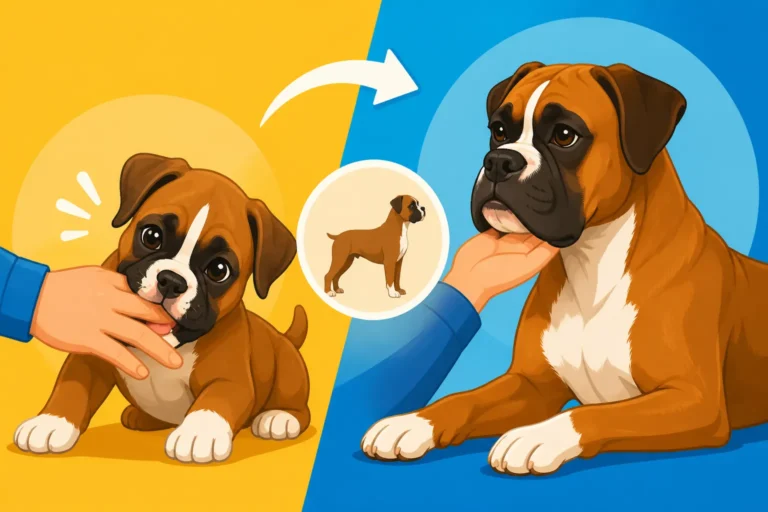
Whether a Boxer Should Run in Eighty Degrees
That intense drive Boxers have, that boundless energy and love for running, can be a real double-edged sword when the temperatures start climbing. Many of us want to give our beloved Boxers all the exercise they crave, but facing a hot day with a dog that needs to move can lead to some serious anxiety and even danger. This guide is here to help you understand why 80-degree weather poses a significant risk to your Boxer and, more importantly, how to keep them safe, happy, and well-exercised without putting their health on the line.
Understanding Your Boxer's Unique Heat Vulnerability
It's easy to look at the thermometer and think, "80 degrees? That's just a warm summer day, right?" But for our Boxers, with their distinct physical characteristics, 80 degrees can be surprisingly — and dangerously — hot. They aren't built like other breeds when it comes to regulating their body temperature, and understanding these inherent challenges is the first step toward keeping them safe.
The Brachycephalic Challenge: Why Flat Faces Struggle
One of the most defining and beloved features of a Boxer is their charming, flat face. While it gives them that soulful, expressive look we all adore, it also places them squarely in the category of brachycephalic breeds. This term isn't just a fancy word; it describes a specific set of anatomical traits that significantly impact their ability to cool down. Unlike dogs with longer muzzles, Boxers often have narrowed nostrils, an elongated soft palate, and sometimes a smaller windpipe.
These structural differences mean that the primary way dogs cool themselves — panting — is much less efficient for a Boxer. When a dog pants, air passes over the moist surfaces of their tongue, mouth, and upper respiratory tract, evaporating moisture and carrying heat away from the body. Imagine trying to breathe through a very narrow straw while running a marathon – that's a bit like what a Boxer's respiratory system can contend with, especially when they're exerting themselves. They simply cannot move enough air over those crucial cooling surfaces to shed heat effectively. An 80-degree day, combined with high humidity, can push their system past its limits incredibly quickly, making them prone to overheating even when it doesn't feel oppressively hot to us.
Boxer Energy vs. Body Temperature Regulation
Boxers are renowned for their playful, energetic nature. They are veritable bundles of muscle and enthusiasm, always ready for a game of fetch, a brisk run, or a vigorous romp with their human family. This high energy, while wonderful, can unfortunately work against them in warm weather. A typical Boxer is often so caught up in the joy of the moment that they might not recognize when their body is telling them to slow down. They push themselves hard, sometimes to the point of exhaustion, without adequately cooling off.
Think of your Boxer tearing across the park, full steam ahead, even as the sun beats down. Their powerful muscles are generating a significant amount of internal heat, and their compromised respiratory system is struggling to dissipate it. This combination creates a perfect storm for dangerously elevated body temperatures. Their genetic predisposition for strength and athleticism means they often want to keep going, even when their physiology is screaming "stop!" As owners, it's our responsibility to recognize this imbalance and intervene long before they reach a critical point. The Degrees at Which a Boxer Struggles can give you a more specific idea of temperature thresholds.
The Dangers of Running a Boxer in Eighty-Degree Weather
The risks associated with exercising a Boxer in warm temperatures aren't just about discomfort; they're about serious, life-threatening health emergencies. Every Boxer owner needs to be intimately familiar with these dangers and the signs that accompany them, because a delay of even a few minutes can have dire consequences.
Recognizing the Signs of Overheating and Heatstroke
Overheating can sneak up on a Boxer, progressing from mild discomfort to full-blown heatstroke surprisingly fast. Early signs are crucial to spot, as immediate intervention can prevent a catastrophe. Initially, you might notice your Boxer panting much more heavily than usual, perhaps with a louder, more strained sound. Their gums might appear bright red, indicating increased blood flow trying to cool them down. They might seek shade more frequently or appear a bit disoriented or wobbly. These are all red flags that your Boxer is struggling and needs to cool down now.
If these early warnings are missed, the situation can escalate rapidly to heatstroke, which is a medical emergency. The panting might become more frantic, labored, and shallow, even sounding like gasping. You might see drooling, thick saliva, or even foaming around the mouth. Their gums could turn very dark red or even bluish, indicating poor oxygenation. Other severe signs include vomiting, diarrhea (which can sometimes be bloody), stumbling, disorientation, and eventually, collapse or seizures. How Fast a Flat-Faced Boxer Overheats highlights just how quickly this can happen. If you see any of these advanced signs, it's not a drill – your Boxer needs emergency veterinary care immediately. Cool them with water (not ice) and get to the nearest vet.
The Long-Term Health Risks
Surviving a bout of heatstroke is often just the beginning of a longer journey. Even if a Boxer is successfully revived, the damage caused by extreme body temperatures can have lasting, devastating effects on their internal organs. Prolonged overheating can lead to kidney failure, liver damage, brain swelling, and even heart muscle damage. These organs are incredibly sensitive to high temperatures, and once they start to fail, the recovery can be lengthy, expensive, and sometimes, incomplete.
For Boxers, who are already prone to certain cardiac conditions like Arrhythmogenic Right Ventricular Cardiomyopathy (ARVC), the stress of overheating can be particularly dangerous. The heart works overtime to try and pump blood to cool the body, placing immense strain on an already vulnerable organ. What Boxer ARVC Actually Does to the Heart provides more detail on this inherited condition. Even if your Boxer doesn't have a diagnosed heart condition, repeated instances of overheating or pushing them too hard in warm weather can contribute to cardiovascular stress over time, potentially exacerbating any underlying predispositions. We're talking about their long-term health and quality of life, not just getting through one hot afternoon.
Strategies for Exercising Your Boxer Safely in Warm Weather
Knowing the risks is paramount, but it doesn't mean your energetic Boxer has to become a couch potato all summer. It simply means we, as responsible owners, need to be smarter, more proactive, and more creative about how and when we provide them with the exercise they so desperately need.
Adjusting Your Exercise Schedule and Intensity
The most straightforward way to avoid the dangers of an 80-degree run is to rethink your daily schedule entirely. Forget midday walks or runs in the late morning. During warmer months, you'll need to become an early bird or a night owl. The coolest parts of the day are typically before sunrise and after sunset. A brisk walk or a short, intense play session in the cool, crisp air of dawn or dusk can often provide ample exercise without the heat risk.
When you do venture out, consider the surface. Asphalt and concrete absorb and retain heat, becoming scorching hot long after the air temperature drops. Imagine walking barefoot on a blacktop driveway in the afternoon sun – that's what your Boxer's paw pads are contending with. Always opt for grassy areas or shaded trails. Even then, keep sessions shorter and more frequent rather than one long, extended period of exertion. Instead of one 45-minute run, try two 20-minute sessions at different times of the day. Splitting a Boxer's Exercise Around the Heat offers more ideas on how to manage this. Remember, the goal is consistent activity, not necessarily long, strenuous bouts that could put them at risk.
Essential Cooling Gear and Hydration
Just as you might grab a water bottle and wear light clothing for a summer workout, your Boxer needs their own set of protective gear in warmer weather. A portable water bottle and collapsible bowl are absolute must-haves for any outdoor activity. Offer water frequently, even if your Boxer isn't showing obvious signs of thirst. Dehydration exacerbates overheating, so staying ahead of it is critical.
Beyond water, there's a range of cooling gear designed to help brachycephalic breeds manage heat. Cooling vests, which often use evaporative cooling (you soak them in water), can make a noticeable difference in lowering your Boxer's core temperature. Cooling bandanas that wrap around their neck, targeting major blood vessels, are also helpful. You can find these readily available from retailers like Amazon. Even a simple damp towel draped over their back and chest before and after a short walk can provide some relief. These tools aren't a license to run them in extreme heat, but they are vital aids when the weather is simply warm. Cooling Gear for a Flat-Faced Boxer delves deeper into these options.
Indoor Alternatives and Mental Stimulation
Sometimes, the weather simply dictates that outdoor running is out of the question. When it's genuinely too hot or humid, or the air quality is poor, bringing the exercise indoors is the safest bet. This is where you can get creative and focus on mental stimulation, which can be just as tiring for a Boxer as physical exertion.
Puzzle toys, which require your Boxer to work to get treats, can keep them engaged and thinking for extended periods. A sturdy snuffle mat or a KONG filled with frozen peanut butter or plain yogurt can provide a satisfying challenge. Indoor fetch (if you have the space and durable floors!) or practicing new obedience commands can burn off some physical energy. Consider enrolling in an online training program like those offered by BAXTER & Bella, which provide structured activities and mental challenges you can do from the comfort of your air-conditioned home. Teaching new tricks or running through a full repertoire of known cues can be surprisingly draining for an intelligent Boxer. Puzzle Feeders That Hold a Boxer's Attention can give you some great ideas for keeping them busy.
When to Say "No" to the Run
It's tempting to push the limits, especially when you see your Boxer's eager face, but there are times when saying "no" to a run is the most loving and responsible choice you can make. Understanding these critical thresholds and listening to both your environment and your dog is paramount.
Factors Beyond Temperature: Humidity and Sun Exposure
While 80 degrees is a good starting point for caution, the air temperature alone doesn't tell the whole story. Humidity is a silent killer when it comes to canine heatstroke. When the air is saturated with moisture, a Boxer's ability to cool itself through panting is severely compromised. The evaporative cooling effect is reduced because there's less capacity for moisture to evaporate into the already humid air. So, an 80-degree day with high humidity can feel, and be, far more dangerous than an 85-degree day with very low humidity. Always check the heat index, not just the thermometer.
Furthermore, direct sun exposure plays a huge role. Even on a moderately warm day, direct sunlight on dark pavement can raise surface temperatures to dangerously high levels, well over 100 degrees, which can quickly burn paw pads and contribute to overall body heat. A shaded, breezy 80-degree path is far different from a sunny, still 80-degree asphalt road. Always consider the entire environmental picture before deciding on an outdoor activity. The Temperature a Boxer Should Stop Walking At provides a detailed breakdown of temperatures and their implications.
Listening to Your Boxer and Your Gut
Every Boxer is an individual. While 80 degrees is a general guideline for extreme caution, some Boxers might struggle at 75 degrees, while others might tolerate 80 degrees briefly if conditions are perfect (low humidity, shade, gentle pace). The key is to know your dog. Observe their breathing, their energy levels, their gum color. Are they usually bouncing off the walls but today they seem lethargic after just a few minutes? Are they panting excessively even at rest? These are all signs that they might be overheating.
Beyond their physical cues, listen to your gut. If a part of you feels uneasy about taking your Boxer out for a run, trust that feeling. The guilt of cancelling a walk is nothing compared to the regret and heartbreak of an emergency vet visit for heatstroke. There's always another day, another time, another way to exercise your dog. Prioritize their safety above all else.
Consulting Your Vet for Personalized Advice
If your Boxer has any pre-existing health conditions, especially cardiac issues like ARVC or respiratory sensitivities, your veterinarian is your best resource for personalized advice on exercise in warm weather. Dogs with underlying health problems are at an even higher risk of heat-related emergencies. Your vet can provide specific guidance tailored to your Boxer's age, weight, health status, and even local climate.
For example, a Boxer on certain medications might be more susceptible to heat, or one with a history of a heart murmur might need stricter exercise limitations. Exercise After a Boxer ARVC Diagnosis is a crucial read if your Boxer has this condition. Don't hesitate to call your vet's office before the hottest months of the year to discuss a safe exercise plan. They can help you understand your Boxer's individual limitations and empower you to make informed decisions that protect their health and well-being.
Here's a quick reference table to help visualize conditions:
| Factor | Safe for Boxer Exercise (Optimal) | Caution Zone (Moderate Risk) | Danger Zone (High Risk) |
|---|---|---|---|
| Air Temp | Below 70°F (21°C) | 70-75°F (21-24°C) | Above 75°F (24°C) |
| Humidity | Low (below 50%) | Moderate (50-70%) | High (above 70%) |
| Sun Exposure | Shade, overcast | Partial sun, diffused light | Direct sun, no shade |
| Surface Temp | Cool grass, dirt path | Warm pavement, shaded concrete | Hot asphalt, direct sun on concrete |
| Exercise Type | Brisk walk, light jog, play | Short walks, moderate play (indoors preferred) | Minimal outdoor activity, indoor only |
| Duration | 30-60 mins | 10-20 mins with breaks | 5-10 mins for potty only, supervised |
Disclaimer
This article is for general informational purposes only and does not constitute professional advice. Laws, prices and regulations vary by location and change over time. Consult a qualified professional for guidance on your specific situation.