A Boxer Puppy That Bites Harder When Told No
It's incredibly frustrating when your adorable Boxer puppy, full of boisterous energy and charm, starts using its mouth more than you'd like, and then, to add insult to injury, seems to bite harder when you try to tell them "no." You feel like you're caught in a battle of wills, and it's natural to wonder if you're doing something wrong or if your pup is just exceptionally stubborn. This guide is here to shed light on why the "no" command often backfires with a high-spirited Boxer puppy and equip you with positive, effective strategies to gently guide that natural puppy mouthing into appropriate chewing behavior.
Why "No" Only Fuels Your Boxer Puppy's Biting Instincts
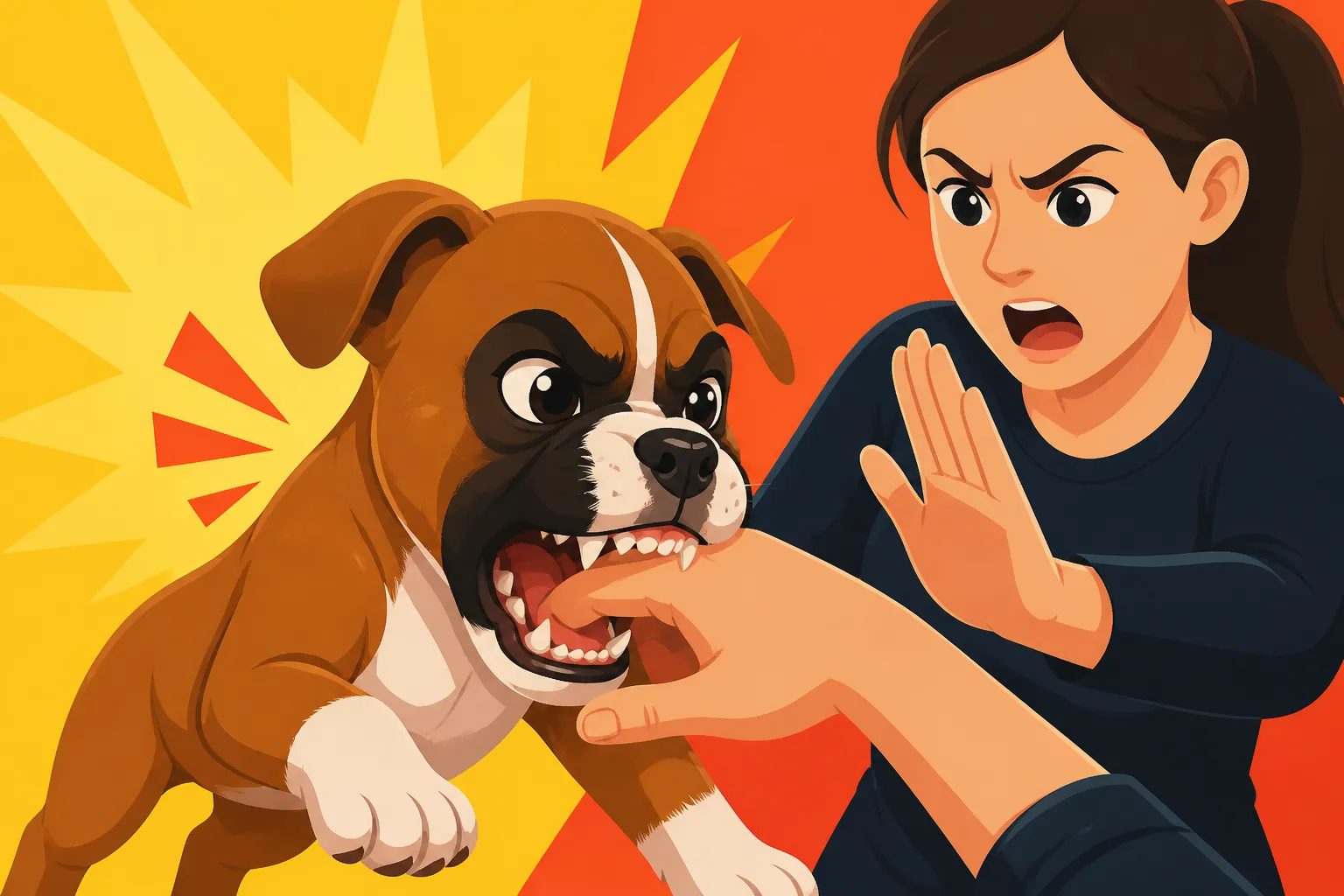
You've probably been told, or instinctively tried, to firmly tell your Boxer puppy "no" when those needle-sharp teeth make contact with your skin or clothes. And what happens? Often, they either get more excited and bite again, or they seem to take it as a challenge, ramping up their intensity. This isn't because your Boxer puppy is maliciously trying to defy you; it's a fundamental misunderstanding of how puppies, especially energetic breeds like Boxers, perceive and react to our attempts at correction.
For a Boxer puppy, every interaction is a chance to learn and engage. When you shout "no," or even pull your hand away quickly, what your puppy often interprets is not a stern command to cease, but rather a surge of excitement and attention. They might think: "Oh, this is a new game! My human is making a funny noise and moving quickly – I should chase and engage more!" Your sudden movement can mimic the way a littermate would react during rough play, which often just encourages them to play harder. They're wired to interact, to wrestle, and to test boundaries through physical contact, and your "no" might just be another signal that the game is on.
Furthermore, Boxers are intelligent and driven. They learn quickly what gets a reaction. If biting elicits a strong, vocal response from you, even if it's negative, it's still attention. For a puppy desperate for engagement and learning about its world, any attention is often better than no attention. This can create a frustrating cycle where your attempts to stop the behavior inadvertently reinforce it, leading to a Boxer Puppy Biting That Does Not Stop. It's not a sign of aggression in most cases; it's simply a puppy expressing its natural instincts and learning about its environment through its mouth, which is their primary tool for exploration, much like a human baby uses its hands. They don't yet understand the difference between your skin and a chew toy.
Effective Strategies to Redirect Mouthiness in Your Boxer Puppy
So, if "no" is out, what do you do when your Boxer puppy decides your ankle is a fantastic new chew toy? The key lies in understanding their developmental stage and working with their instincts, rather than against them. Your goal is to teach them bite inhibition – how much pressure they can exert without causing pain – and to redirect their chewing desire onto appropriate items.
The "Yelp and Withdraw" Method
This strategy mimics how puppies learn from their littermates. When a puppy bites too hard, its sibling will let out a high-pitched yelp and immediately disengage from play. This teaches the biting puppy that painful bites mean the fun stops. You can replicate this:
- Yelp: When your Boxer puppy bites you too hard, let out a loud, high-pitched "ouch!" or "yelp!" Don't shout aggressively, just make a sudden, sharp sound.
- Withdraw: Immediately pull your hand or body part away and completely disengage from your puppy for 10-20 seconds. Turn your back, walk out of the room, or put a barrier between you. The key is to completely stop all interaction.
- Resume Play (Cautiously): After the short "time out," you can resume playing with your puppy. If they bite hard again, repeat the process. If they bite softer, praise them for their gentleness.
The consistency of this approach helps your Boxer puppy connect their bite strength with the consequence of losing your attention. They'll quickly learn that gentle mouthing is acceptable for play, but hard bites make the fun disappear. This is a crucial step in Teaching a Boxer Puppy to Soften Its Grip.
The Power of Redirection and Appropriate Chews
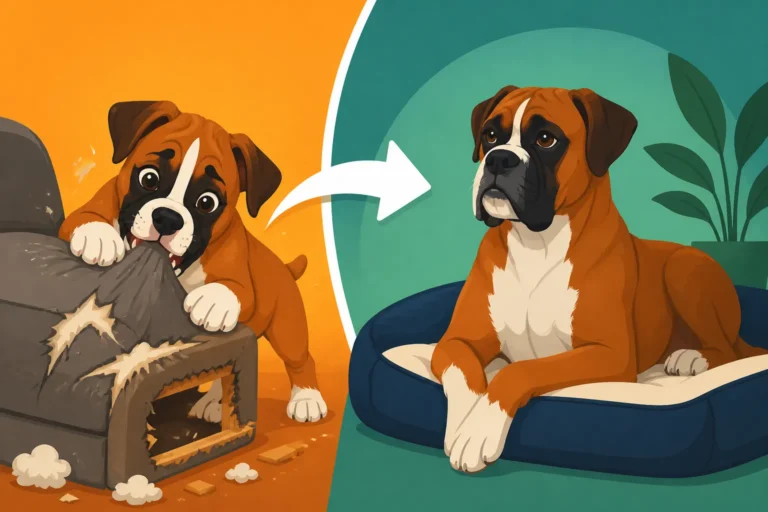
Boxers are energetic dogs with powerful jaws, even as puppies. They need to chew. Instead of trying to stop the natural act of chewing, you need to guide it towards appropriate outlets. This means always having a variety of appealing chew toys readily available.
When your Boxer puppy starts to mouth you or an inappropriate item, immediately offer them an acceptable chew toy. Physically place the toy in their mouth if necessary, and praise them enthusiastically when they take it. You want to make the chew toy more appealing than your hands or furniture. Offer a range of textures – rubber, nylon, rope, puzzle toys – to keep them interested. Brands like KONG, Nylabone, and Benebone offer durable options that can stand up to a Boxer's chewing power. You can easily find a fantastic selection of these durable chew toys on Amazon, ensuring you always have a suitable redirect ready. Having a constant supply of Chews That Redirect a Mouthy Boxer is paramount.
Managing Over-Excitement and Structured Play
Sometimes, excessive biting is a sign of an over-tired or over-stimulated puppy. Just like human toddlers, puppies can get cranky and act out when they need a nap or are overwhelmed. Ensure your Boxer puppy is getting enough structured rest throughout the day. A tired puppy isn't necessarily a good puppy; an over-tired puppy is often a bitey puppy.
Also, be mindful of the intensity of your play. While Boxers love vigorous play, it's important to teach them an "off switch." Incorporate short bursts of high-energy play followed by calm activities like chewing on a toy or practicing a "sit" or "down" command. Use these short training sessions to teach them self-control. Remember, Why Short Sessions Suit a Boxer's Attention Span is crucial for Boxers, so keep them brief, positive, and engaging.
Consistency and Patience are Key
Training a Boxer puppy, especially through their boisterous Boxer Puppyhood That Lasts Three Years, requires immense patience and unwavering consistency. Every member of the household needs to be on the same page with the chosen biting protocols. If one person allows biting and another corrects it, your puppy will become confused and progress will be slow. It's a marathon, not a sprint, and your consistent efforts will lay the groundwork for a well-mannered adult Boxer. The good news is that most Boxer puppies naturally grow out of the worst of the hard biting by 4-6 months, especially with consistent training. For more comprehensive training guidance, resources like BAXTER & Bella offer online puppy programs that can provide structured, positive reinforcement methods from the comfort of your home, helping you navigate these challenging stages.
Essential Tools and Resources for Biting Control
Having the right tools and knowing where to find help can make all the difference when dealing with a mouthy Boxer puppy. Don't feel like you have to tackle this alone.
Chew Toys Galore
As discussed, chew toys are your first line of defense. Invest in a variety of high-quality, durable chew toys. Look for options that can be stuffed with treats to keep your Boxer puppy engaged for longer periods. Frozen KONGs filled with peanut butter or yogurt can be a lifesaver for redirecting attention and soothing teething gums. Remember, Amazon is a great place to stock up on a wide array of options, often with reviews from other Boxer owners highlighting durability.
Deterrent Sprays (Use with Caution)
Bitter-tasting sprays, like bitter apple spray, can be used on furniture, clothing, or even your hands (if non-toxic and vet-approved) to make inappropriate chewing unappealing. The idea is that the unpleasant taste creates a negative association with the item. However, not all Boxers are deterred by these, and some find the taste negligible. Always test a small area first to ensure it doesn't stain. Never use it as a punishment; it's a tool to make certain items less desirable to chew on.
Structured Training and Professional Guidance
Sometimes, despite your best efforts, puppy biting can feel overwhelming. This is where professional help shines. Online training platforms, such as those offered by BAXTER & Bella, provide structured courses and live support that can be invaluable. They can guide you through specific exercises to improve bite inhibition, teach impulse control, and strengthen your bond with your Boxer puppy using positive reinforcement.
If the biting persists, seems aggressive (not just playful), or you're feeling completely lost, don't hesitate to consult a certified professional dog trainer or veterinary behaviorist. They can assess your puppy's individual situation, rule out any underlying issues, and develop a tailored training plan. Getting a Boxer Puppy Reliable in the House involves a holistic approach to training and behavior, and biting is a core part of that.
Here's a quick comparison of common responses to puppy biting:
| Response | Puppy's Likely Interpretation | Effectiveness with Boxer Puppies | Notes |
|---|---|---|---|
| "No!" / Loud Scolding | "New game! More excitement! My human wants to play!" | Low to Negative | Often increases excitement, can build resentment. Why Shouting Sets a Boxer Back |
| Pulling Hand Away Quickly | "Chase me! This is fun!" | Low | Can inadvertently reinforce chasing/biting behavior. |
| Yelping & Withdrawing | "Too hard! Play stops now." | High | Teaches bite inhibition by mimicking littermates. Requires consistency. |
| Offering a Chew Toy | "This is what I should chew on. Good choice!" | High | Redirection of natural instinct. Must be appealing. |
| Ignoring (for minor nips) | "This isn't interesting or rewarding." | Moderate | Works for attention-seeking nips, less so for hard bites. |
| Time Out (for hard bites) | "My human leaves when I bite too hard. I don't like that." | High | Effective consequence for over-the-top behavior. |
When to Seek Professional Guidance
While most Boxer puppy mouthing is normal developmental behavior that improves with consistent, positive training, there are times when it's wise to bring in a professional. If you find yourself wondering, "Is this normal?" or "Am I doing everything right?" then reaching out is always a good idea.
Consider seeking professional help if:
- The biting intensity isn't decreasing, even with consistent application of the methods above.
- Your puppy shows signs of true aggression (growling, snarling, stiff body language, snapping without provocation) rather than just playful nipping. This is rare in young puppies but warrants immediate attention.
- You're afraid of your puppy, or you feel you can no longer manage their behavior safely.
- The biting is causing injury to family members, especially children. Boxers are powerful, and even puppy nips can hurt.
- Your puppy guards resources (food, toys, resting places) with aggressive biting.
- You've adopted an older Boxer with a biting problem. The Energy New Boxer Owners Underestimate can manifest as difficult-to-manage behaviors without proper guidance.
A certified professional dog trainer, especially one experienced with working breeds like Boxers, can offer personalized advice and hands-on demonstrations. They can observe your puppy's specific behavior, identify potential triggers, and help you implement a tailored training plan. They can also differentiate between normal puppy antics and more serious behavioral concerns, ensuring both you and your Boxer develop a happy, harmonious relationship. Don't underestimate the value of professional help, especially if you're a first-time Boxer owner, as Whether a Boxer Fits a First-Time Owner often depends on having a good support system.
Disclaimer
This article is for general informational purposes only and does not constitute professional advice. Laws, prices and regulations vary by location and change over time. Consult a qualified professional for guidance on your specific situation.