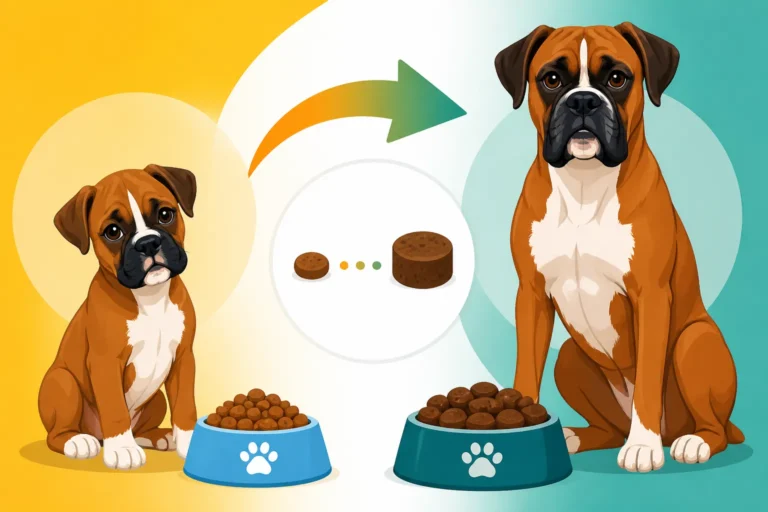
Whether a Boxer Needs a Grain-Free Diet
One of the biggest head-scratchers for Boxer owners is navigating the dizzying array of dog food choices out there, especially when it comes to the "grain-free" trend. It feels like every other bag promises to be the holy grail for sensitive stomachs or allergy-prone pups, leaving you wondering if you're doing your furry friend a disservice by not choosing grain-free. This guide is here to cut through the noise, helping you understand the real story behind grain-free diets and whether your beloved Boxer actually needs one.
Understanding the Grain-Free Trend for Dogs
It's hard to walk down the pet food aisle these days without seeing "grain-free" emblazoned on countless bags and cans. For many of us, it became synonymous with "healthy" and "premium," spurred on by marketing that suggested grains were somehow inherently bad for dogs. But like many trends, the full picture is a lot more nuanced than the headlines suggest.
The Rise of Grain-Free Diets in Pet Food
The surge in grain-free dog foods really took off in the early 2000s, largely mirroring human diet trends that demonized carbohydrates and embraced ancestral eating. The idea was that dogs, being descended from wolves, weren't meant to eat grains. This narrative resonated with many pet parents who were eager to provide the best possible nutrition for their companions, especially those dealing with unexplained skin issues, digestive upset, or allergies.
It wasn't just about wolves, though. There was also a growing belief that grains were a common cause of allergies in dogs. Companies quickly capitalized on this sentiment, pushing products that replaced traditional grains like corn, wheat, and soy with alternative carbohydrate sources such as peas, lentils, potatoes, and tapioca. The market exploded, and for a while, it seemed like grain-free was the only sensible choice for a health-conscious dog owner. Many of us felt pressured, even if our dogs were thriving on conventional foods, wondering if we were missing something important.
What "Grain-Free" Actually Means
When a dog food label proudly states "grain-free," it simply means that the traditional cereal grains — wheat, corn, rice, barley, oats, and so on — have been omitted from the ingredient list. However, it absolutely does not mean the food is carbohydrate-free or even low-carb. In fact, many grain-free foods contain comparable, if not higher, levels of carbohydrates than their grain-inclusive counterparts.
The grains are simply replaced with other plant-based carbohydrate sources. These often include legumes like peas, lentils, chickpeas, and beans, as well as potatoes, sweet potatoes, and tapioca. While these ingredients provide energy, fiber, and other nutrients, they are still carbohydrates. The crucial point here is that "grain-free" is a marketing term emphasizing what's not in the food, rather than a definitive statement about its overall nutritional composition or caloric density. For a Boxer owner concerned about their dog's weight or energy levels, focusing solely on the "grain-free" aspect might lead to overlooking other important nutritional factors.
The Boxer's Unique Digestive System and Dietary Needs
Boxers are magnificent dogs, full of energy and personality, but they are also known for having some sensitivities, particularly when it comes to their digestive systems. Understanding your Boxer's specific needs is key to choosing a diet that keeps them healthy and vibrant.
Common Boxer Sensitivities
If you've owned a Boxer for any length of time, you've likely encountered the famous "Boxer gut." These dogs are notorious for their sensitive stomachs, often leading to issues like flatulence (and not the subtle kind!), loose stools, or even full-blown Boxer Colitis and the Young Dogs It Hits. This isn't just an anecdotal observation; their digestive tracts can indeed be more prone to inflammation and upset than some other breeds.
One of the most common issues is a sensitivity to certain ingredients, often protein sources like chicken or beef, rather than grains themselves. However, some Boxers do react poorly to specific grains, or more often, the fillers and by-products found in lower-quality grain-inclusive foods. It's not always the grain itself, but perhaps the way it's processed or the overall digestibility of the ingredient list. For example, some Boxers might struggle with corn or wheat, not because they are "grains," but because they are common allergens or simply harder for their individual system to process compared to, say, oats or rice. This sensitivity is precisely why figuring out the right diet for your Boxer can feel like a lifelong quest.
Protein, Fat, and Carbohydrate Balance for Boxers
A Boxer, being a medium-to-large, muscular, and athletic breed, has specific nutritional requirements to maintain their physique and high energy levels. A well-balanced diet for a Boxer should prioritize high-quality protein, moderate fat, and appropriate carbohydrates.
Protein is absolutely crucial for Boxers. Their powerful musculature requires ample protein to build and maintain strong, lean muscle mass. Look for animal-based protein sources like chicken, turkey, lamb, or fish as the first ingredients. These are the building blocks for their athletic bodies. Fat provides a concentrated source of energy, supports healthy skin and coat, and aids in the absorption of fat-soluble vitamins. However, too much fat can lead to weight gain, which is detrimental to a Boxer's joints and heart. It's a fine line to walk. Carbohydrates, often maligned, are actually vital for providing quick energy and fiber. For a Boxer who needs sustained energy for their daily zoomies or intense play sessions, complex carbohydrates are a good thing. The key is balance and digestibility. Some Boxers thrive on a diet with rice or oats, while others might do better with sweet potatoes or lentils as their carb source. It's less about avoiding grains entirely and more about finding the right Protein and Fat for a Muscular Boxer and carbohydrate sources that agree with your individual dog. When looking at options, whether grain-inclusive or grain-free, focusing on the overall nutritional profile rather than just one excluded ingredient is vital.
Debunking Grain-Free Myths and Concerns for Boxers
The pet food industry is often awash with marketing buzzwords, and "grain-free" is certainly one of them. While the intention behind choosing grain-free might be noble, it's crucial for Boxer owners to understand the potential downsides and common misconceptions associated with these diets, especially concerning heart health.
The Link Between Grain-Free Diets and Heart Health
Perhaps the most significant concern regarding grain-free diets emerged with the FDA investigation into a potential link between certain grain-free foods and dilated cardiomyopathy (DCM) in dogs. DCM is a serious heart condition that can lead to heart failure, and traditionally, it has been more common in larger breeds with a genetic predisposition, like Dobermans or Great Danes, or certain other breeds with specific nutritional deficiencies. Boxers can get a different heart condition called What Boxer ARVC Actually Does to the Heart, but DCM is distinct.
What researchers observed was an increase in DCM cases in breeds not typically predisposed to it, and many of these dogs were consuming diets high in legumes (peas, lentils, chickpeas) and potatoes, which often replace grains in grain-free formulas. While the exact mechanism is still being studied, it's thought that these ingredients might interfere with taurine absorption or metabolism, or perhaps the formulation itself leads to nutritional deficiencies or imbalances that impact cardiac health. It's a complex issue, and the science isn't fully settled, but it has definitely given many veterinarians and responsible Boxer owners pause. It underscores the fact that "natural" or "trendy" doesn't always equate to "safer" or "healthier." Before making any drastic dietary changes, especially to a grain-free formula rich in legumes, it's wise to discuss it with your vet, particularly if your Boxer has any existing cardiac concerns. This is a far cry from the belief that grain-free was a universally superior option.
Grains as a Source of Essential Nutrients
Another common misconception is that grains offer little to no nutritional value for dogs. This simply isn't true. Whole grains, in particular, are a valuable source of essential nutrients that contribute to a dog's overall health and well-being. They provide complex carbohydrates for sustained energy, dietary fiber for digestive health, and a host of vitamins, minerals, and antioxidants.
For instance, oats and barley offer soluble fiber, which can help regulate blood sugar and promote a healthy gut microbiome. Rice, especially brown rice, is easily digestible for many dogs and provides energy. Corn, when properly processed, is not just a filler; it offers protein, essential fatty acids, and antioxidants. The fear of grains often stems from confusion with common allergens like wheat gluten, but even wheat can be a perfectly fine ingredient for a dog without a specific allergy. Rather than being empty calories, good quality grains are integral to a balanced diet. They can help with satiety, provide energy for a playful Boxer, and contribute to consistent stool quality. For many Boxers, a diet rich in digestible grains can actually be the Food That Settles a Boxer's Gut and provides the necessary fuel without any issues.
When a Grain-Free Diet Might Be Considered for a Boxer
While the vast majority of Boxers do perfectly well on grain-inclusive diets, there are very specific, medically-backed situations where a grain-free approach might be discussed with your veterinarian. It's never a "first resort" or a default choice for general health.
True Grain Allergies vs. Food Sensitivities
It’s easy to conflate a general "sensitive stomach" with a true food allergy, but they are very different things, and true grain allergies in dogs are actually quite rare. Most canine food allergies are to protein sources like chicken, beef, dairy, or eggs, not grains. When a Boxer has a food sensitivity, they might experience mild digestive upset, occasional itchiness, or loose stools after eating a particular ingredient. A true food allergy, however, involves an immune system response and can manifest with more severe symptoms, including chronic skin infections, intense itching, ear infections, or severe gastrointestinal distress like vomiting and diarrhea.
If you suspect your Boxer has a food allergy or severe sensitivity, the absolute best course of action is to work with your veterinarian on an elimination diet. This involves feeding a novel protein source (one your Boxer has never eaten before, like duck, venison, or rabbit) and a novel carbohydrate source for several weeks, completely avoiding all other foods and treats. During this process, grains might be temporarily excluded, but it's typically done to eliminate as many common allergens as possible, not because grains are inherently bad. A grain-free diet might become a temporary tool in this diagnostic process, but it's not the solution itself unless a specific grain is definitively identified as the culprit. If your Boxer is struggling with persistent issues, your vet might even recommend something like Purina Pro Plan Hydrolyzed Protein, available at retailers like Chewy, which breaks proteins down so small the immune system doesn't recognize them as allergens, providing a clearer baseline.
Working with Your Vet on Elimination Diets
An elimination diet is a rigorous process, but it's the gold standard for diagnosing food allergies in dogs. It's not something you should embark on alone, given the potential for nutritional imbalances if not done correctly, and the difficulty of finding truly novel ingredients without cross-contamination. Your vet will guide you through choosing an appropriate diet, which might be a prescription hydrolyzed protein diet or a limited ingredient diet featuring a Novel Protein Diets for a Boxer.
During this period, every single thing that goes into your Boxer's mouth must be controlled – no treats, no table scraps, no flavored medications, no sneaking bits of food from other pets. It's tough, but consistency is key. After several weeks on the novel diet, if symptoms improve, your vet will then guide you through systematically reintroducing ingredients, one by one, to pinpoint the specific allergen. If, and only if, a specific grain is identified through this methodical process as causing an allergic reaction, then a long-term grain-free diet formulated without that particular grain would be appropriate. Even then, the focus would be on avoiding that specific grain, not all grains indiscriminately. Many owners turn to reputable fresh food companies like Ollie during this process, as their ingredient lists are often very transparent and limited, which can be helpful for pinpointing sensitivities once the elimination diet has identified general categories.
Healthy Alternatives to Grain-Free for Boxers
Given the ongoing concerns about grain-free diets and their potential link to heart health, it's reassuring to know that there are many excellent, perfectly healthy alternatives that include grains. For most Boxers, the benefits of a well-formulated, grain-inclusive diet far outweigh any perceived advantages of going grain-free.
High-Quality Grains and Digestibility
The key to feeding grains successfully to your Boxer isn't about avoiding them, but about choosing high-quality, digestible options. Not all grains are created equal, just as not all protein sources are created equal. Opting for dog foods that feature whole grains like oats, brown rice, barley, or quinoa means your Boxer is getting complex carbohydrates that provide sustained energy, fiber for healthy digestion, and a range of essential vitamins and minerals.
For Boxers with their notorious sensitive stomachs, easily digestible grains are particularly important. White rice, for example, is often recommended for dogs with upset stomachs due precisely to its easy digestibility. Oats can be very soothing for the digestive tract and provide beneficial fiber. When you see brands using terms like "whole grain sorghum" or "pearled barley," these are often excellent, nutritious choices. The idea that all grains are problematic stems from a misunderstanding. It's about finding the right balance and ensuring the food is generally well-formulated and high-quality. Many premium brands, available on platforms like Amazon, offer excellent grain-inclusive options specifically designed for breeds with sensitivities or high energy levels.
Balancing Diet with a Boxer's Overall Health Needs
Ultimately, choosing the right diet for your Boxer is about balancing their specific health needs, activity level, and any individual sensitivities, all while providing complete and balanced nutrition. This means looking at the diet holistically, beyond just whether it contains grains or not.
Consider your Boxer's life stage – a growing puppy has different needs than a senior dog. An athletic Boxer needs more calories and perhaps a higher protein content than a more sedentary one. Regular vet check-ups are essential, not just for general health, but also for ongoing dietary guidance. Your vet can help you assess your Boxer's body condition score, recommend appropriate calorie intake, and guide you if any health issues, like developing Boxer Cardiomyopathy and the Holter Monitor or Degenerative Myelopathy in an Older Boxer, require specific nutritional considerations. Don't forget that a diet also needs to be part of a larger picture of care, which includes sufficient Sixty to Ninety Minutes a Day With a Boxer exercise and regular Weekly Lump Checks on a Boxer.
For many Boxers, a balanced, high-quality kibble that includes easily digestible grains is a perfectly appropriate and healthy choice. If you're concerned about digestive upset, consider options that include prebiotics and probiotics for gut health, or novel protein sources if true allergies are suspected. Remember, the goal is optimal health, not simply following a trend.
To help summarize some key considerations, here's a quick comparison:
| Feature | Grain-Inclusive Diets (High Quality) | Grain-Free Diets (Legume/Potato Based) |
|---|---|---|
| Primary Carbohydrates | Whole grains (rice, oats, barley, quinoa) | Legumes (peas, lentils), potatoes, tapioca |
| Nutritional Value | Excellent source of fiber, vitamins, minerals, complex carbs | Provides fiber, vitamins, minerals, complex carbs |
| Digestibility | Generally good, especially with easily digested grains | Varies, some Boxers may tolerate well, others not |
| Allergy Risk | Low for true grain allergy; higher for common protein allergies | Low for true grain allergy; higher for common protein allergies |
| DCM Concerns | No known link to diet-associated DCM | FDA investigation into potential link to DCM, especially in non-predisposed breeds |
| Cost | Widely available across various price points | Often perceived as premium, can be higher cost |
| Vet Recommendation | Generally preferred as first choice for most dogs | Only recommended for diagnosed grain allergies under vet supervision |
Ultimately, a sensible conversation with your veterinarian about your Boxer's individual health, history, and lifestyle is the most reliable way to determine the best dietary path forward.
Disclaimer
This article is for general informational purposes only and does not constitute professional advice. Laws, prices and regulations vary by location and change over time. Consult a qualified professional for guidance on your specific situation.