Why Boxers Are Famously Gassy
If you're a Boxer owner, you've almost certainly been there: a sudden, pungent odor fills the room, followed by the undeniable sound of your beloved Boxer releasing some seriously noxious gas. It's a common, if rather unpleasant, reality for many of us who share our homes with these goofy, energetic dogs. While it might seem like just another quirky Boxer trait, excessive flatulence can be a real source of frustration and even concern. This guide will dive deep into the many reasons why Boxers are so famously gassy, from their unique physical characteristics to their eating habits and what's actually in their food, offering practical advice on how to bring some much-needed relief to both your Boxer and your household.
The Unique Anatomy of a Boxer and Its Impact on Digestion
Boxers are undeniably handsome dogs, with their distinctive square heads, powerful jaws, and often soulful eyes. However, some of these very features, which make them so recognizable and loved, also contribute directly to their propensity for gassiness. It’s not just a coincidence; their physical makeup plays a significant role in how much air they ingest and how their digestive system processes food.
Brachycephalic Features and Air Swallowing
Our Boxers belong to a group of breeds known as brachycephalic, meaning "short-headed." Think about their flattened faces, those adorable pushed-in muzzles, and the way their noses are often tucked back. While endearing, this conformation can lead to a host of respiratory and digestive challenges. Because their airways are often constricted, Boxers tend to breathe through their mouths more, and they pant more intensely, especially when excited or after exercise. This mouth breathing and eager panting often result in them swallowing a significant amount of air, a phenomenon called aerophagia.
When they gulp down food or water, especially quickly, that extra air has to go somewhere. It travels right into their digestive tract. Imagine trying to eat a meal rapidly while simultaneously trying to catch your breath — you'd be sucking in a lot of air with each bite! This trapped air then makes its way through their system, leading to uncomfortable bloating and, inevitably, those infamous farts. It's a mechanical issue, pure and simple, exacerbated by their unique facial structure.
The Boxer's Deep Chest and Digestive Transit
Another striking feature of the Boxer is their deep, broad chest, which narrows towards their waist. This athletic, powerful build is part of their appeal, but it also means they have a particularly capacious abdominal cavity. While this deep chest is often discussed in the context of Why a Boxer's Chest Shape Invites Bloat, it also has implications for overall digestion. The sheer space can mean that swallowed air has more room to accumulate before it's expelled, potentially leading to greater discomfort.
Furthermore, the general mechanics of digestion, including the movement of food and gas through the intestines, can be influenced by body structure. While not as direct a cause as aerophagia, the internal arrangement and length of the digestive tract within their deep chests can affect transit time and the efficiency of gas expulsion. If things move too slowly, or if there's more surface area for gas to linger, it can contribute to the problem. It’s a delicate balance, and the Boxer’s powerful physique often works against them in the flatulence department.
Dietary Culprits: Foods That Fuel Boxer Flatulence
Beyond anatomy, what your Boxer eats is arguably the biggest contributor to their gassiness. It’s a classic case of "you are what you eat," and for Boxers, certain ingredients can trigger an internal chemical reaction that turns their digestive tract into a veritable gas factory. Understanding these dietary triggers is key to finding relief.
High-Fiber Foods and Fermentation
Fiber is generally good for dogs, helping to regulate digestion and promote healthy bowel movements. However, not all fibers are created equal, and some can be particularly problematic for Boxers prone to gas. Complex carbohydrates and certain types of fermentable fibers, often found in ingredients like peas, beans, lentils, broccoli, cauliflower, or even some grains, can be difficult for a Boxer's digestive system to break down completely. When these undigested fibers reach the large intestine, the resident bacteria get to work, fermenting them. This fermentation process produces gases like hydrogen, methane, and carbon dioxide.
A diet overly rich in these highly fermentable ingredients can lead to a continuous production of gas. It's a delicate balance to strike, as some fiber is necessary. The trick is finding a food that provides sufficient, easily digestible fiber without overdoing the fermentable kinds. If you’re seeing frequent, smelly gas, take a close look at the ingredient list of your Boxer's food. For instance, some of the more budget-friendly kibbles available at places like Chewy might use a lot of cheaper, high-fiber fillers that can be hard on a Boxer’s system.
Protein Sources and Digestibility Issues
The type and quality of protein in your Boxer's diet can also significantly impact gas production. While Boxers are muscular dogs that thrive on a high-quality protein diet, certain protein sources can be harder to digest for some individuals. For example, some dogs have sensitivities to common proteins like beef or chicken. When protein isn't fully broken down in the small intestine, it passes into the large intestine, where bacteria again get to work on it. This bacterial breakdown of protein produces compounds like hydrogen sulfide, which is notorious for its rotten-egg smell. This is why those farts can be so incredibly pungent!
Switching to Novel Protein Diets for a Boxer featuring ingredients like lamb, venison, duck, or fish might make a world of difference for a Boxer with protein sensitivities. The quality of the protein matters too. Meals with rendered animal by-products or vague "meat meals" can be harder for the body to assimilate than whole, identifiable protein sources. Look for foods where a specific meat (e.g., "chicken meal," "lamb") is listed as the first ingredient. Reputable brands often focus on highly digestible proteins, which can lead to less undigested material reaching the colon and fewer stinky gas emissions.
Artificial Ingredients and Sensitivities
Many commercial dog foods, particularly those on the lower end of the price spectrum, contain a variety of artificial colors, flavors, and preservatives. While these additives might make the food more appealing to the human eye or extend shelf life, they offer no nutritional benefit to your Boxer and can sometimes trigger digestive upset and increased gas. Just like some people react poorly to certain food additives, dogs can too. These ingredients can disrupt the delicate balance of gut flora or simply be irritating to the intestinal lining.
Beyond artificial additives, some Boxers can develop sensitivities or even full-blown allergies to common ingredients like corn, wheat, or soy. These aren't necessarily "bad" ingredients for all dogs, but for a sensitive Boxer, they can cause inflammation and lead to excessive gas, discomfort, and even Bloody Mucus in a Young Boxer's Stool if the irritation is severe enough to cause colitis. Pay attention to how your Boxer reacts after eating. If flatulence is persistent and accompanied by other signs like itching, loose stools, or vomiting, a food sensitivity could be at play. Opting for foods with limited, natural ingredients can often help pinpoint and eliminate these culprits. Some human-grade fresh dog food services, like Ollie, focus on natural ingredients, which can be beneficial for sensitive Boxers.
Eating Habits That Contribute to Excessive Gas
It's not just what your Boxer eats, but how they eat it that can turn them into a walking gas machine. Boxers are often enthusiastic eaters, approaching their food bowls with an almost frantic energy. This rapid consumption, coupled with inconsistent feeding routines, can wreak havoc on their digestive system and send gas production into overdrive.
Eating Too Fast: Aerophagia and Bloat Risk
As we discussed earlier, Boxers are already prone to swallowing air due to their brachycephalic nature. This problem is compounded exponentially when they eat too quickly. When a Boxer wolfs down their meal in mere seconds, they're not just consuming food; they're also gulping down large volumes of air right along with it. This phenomenon, again, is aerophagia. All that swallowed air quickly fills their stomach, leading to that gurgly, distended belly feeling and, you guessed it, a lot of gas trying to find its way out.
Beyond the immediate gas issue, rapid eating is also a significant risk factor for gastric dilatation-volvulus (GDV), commonly known as bloat, a life-threatening condition for deep-chested breeds like Boxers. Bloat Signs Every Boxer Owner Should Know are critical, but prevention starts with slowing down their eating. Implementing strategies to make mealtime less of a race and more of a leisurely activity is paramount. This can involve specialized bowls or simply breaking up their meals.
Irregular Feeding Schedules and Gut Upset
While some dogs can handle inconsistent meal times, Boxers with their sensitive digestive systems often do better with a predictable routine. Feeding your Boxer at erratic intervals can disrupt their natural digestive rhythm. Their bodies are designed to anticipate and prepare for food at certain times, releasing digestive enzymes in advance. When meals are skipped or delayed, or given at wildly different times each day, it can throw this system out of whack.
This inconsistency can lead to an overproduction of stomach acid, or simply inefficient digestion when food does arrive. The gut becomes unsettled, which can promote an imbalance in gut bacteria and, consequently, increased gas production. Imagine your own stomach grumbling and cramping when you miss a meal – a Boxer experiences something similar. Establishing a consistent feeding schedule, perhaps Feeding a Boxer Twice a Day at the same times each day, can help regulate their digestive process and reduce gas. It gives their system the predictability it needs to function optimally.
Scavenging and Indiscriminate Eating
Boxers are curious creatures, and their powerful noses often lead them into mischief, especially when it comes to finding forbidden snacks. Scavenging for fallen crumbs under the table, raiding the trash can, or snatching dropped food off the sidewalk might seem like minor infractions, but these "mystery meals" can be major sources of gas. A sudden introduction of novel, rich, or spoiled food can shock their digestive system. Their gut bacteria might not be equipped to handle these new ingredients, leading to rapid fermentation and a noticeable uptick in flatulence.
Moreover, eating things they shouldn't can introduce new bacteria or irritants to their gut, causing an inflammatory response. Think about how many times a tiny bit of something unexpected has led to an upset stomach. For Boxers, who often have sensitive tummies, even a small amount of "human food" or yard debris can cause a disproportionate reaction. Training them to "leave it" and being diligent about what they have access to is crucial for managing gas and preventing more serious digestive issues.
When Gas Signals Something More: Health Concerns
While some degree of flatulence is normal for Boxers, especially given their anatomy and sometimes enthusiastic eating habits, persistent, severe, or accompanied by other symptoms, it can be a red flag. Gas isn't always just gas; it can be a symptom of an underlying health condition that needs veterinary attention. Ignoring these signals can lead to prolonged discomfort for your dog and potentially allow a more serious issue to worsen.
Food Allergies and Intolerances
One of the most common reasons for excessive and foul-smelling gas in Boxers, beyond simply ingesting air or fermentable foods, is a food allergy or intolerance. These aren't the same thing, though they often present similarly. A food allergy involves an immune system response, usually to a protein, causing symptoms that can range from skin issues (itchiness, rashes, ear infections) to gastrointestinal upset like vomiting, diarrhea, and yes, prolific gas. A food intolerance is a digestive issue, meaning the body simply can't properly digest a certain ingredient, leading to similar GI symptoms.
Common culprits for allergies and intolerances include beef, chicken, dairy, wheat, corn, and soy. If your Boxer's gas is consistently bad, especially if it's accompanied by loose stools, a rumbling stomach, or itchy skin, it’s worth discussing a food trial with your vet. This usually involves putting your Boxer on a Novel Protein Diets for a Boxer (a protein they've never eaten before) or a hydrolyzed protein diet for several weeks to see if symptoms resolve. Brands like Royal Canin or Hill's often have prescription hydrolyzed protein options.
Gastrointestinal Conditions Like Colitis
Persistent gas, especially when it's particularly foul and accompanied by other digestive issues, can be a sign of an underlying gastrointestinal condition. Boxers are particularly prone to certain inflammatory bowel diseases, including a specific form of colitis known as Boxer colitis or granulomatous colitis. This condition can lead to chronic inflammation of the colon, resulting in symptoms like frequent, urgent bowel movements, straining, bloody mucus in the stool, and significant flatulence. Straining and Small Stools in a Boxer can be a key indicator.
Other forms of inflammatory bowel disease (IBD) or even parasitic infections like Giardia can also cause significant gas and digestive upset. These conditions disrupt the normal function of the gut lining and can lead to malabsorption of nutrients and an overgrowth of gas-producing bacteria. If you notice a sudden change in your Boxer's flatulence, especially if it's accompanied by diarrhea, vomiting, lethargy, or a decreased appetite, don't just dismiss it as "Boxer farts." A vet visit is absolutely necessary to rule out or diagnose these more serious conditions. Early diagnosis of conditions like Boxer Colitis and the Young Dogs It Hits can significantly improve your dog's quality of life.
Bacterial Imbalances in the Gut
A healthy gut relies on a diverse and balanced population of beneficial bacteria. This microbiome plays a crucial role in digestion, nutrient absorption, and even immune function. When this delicate balance is thrown off—perhaps by a course of antibiotics, a sudden diet change, stress, or an underlying illness—it can lead to an overgrowth of gas-producing bacteria or a reduction in the helpful ones. This imbalance, often referred to as dysbiosis, can manifest as excessive, foul-smelling gas.
Small Intestinal Bacterial Overgrowth (SIBO) is another condition where an excessive amount of bacteria, normally found in the large intestine, proliferate in the small intestine. This can interfere with digestion and lead to malabsorption and chronic gas. Your vet might recommend tests to assess gut health or suggest specific interventions like probiotics or dietary changes to restore balance. Addressing bacterial imbalances is crucial not just for reducing gas, but for your Boxer's overall health and well-being.
Practical Strategies to Minimize Boxer Gas
Okay, so we've covered why Boxers are so gassy. Now for the good news: there are many practical steps you can take as an owner to help reduce that infamous Boxer gas. It often involves a combination of dietary adjustments, changes to their eating environment, and supportive supplements. Small, consistent changes can lead to a surprisingly large impact on your Boxer's comfort and the freshness of your home!
Optimizing Their Diet for Better Digestion
The first and often most impactful step is to scrutinize your Boxer's diet. We want to aim for high-quality, easily digestible ingredients that minimize fermentation and provide optimal nutrition.
- Choose High-Quality Protein: Look for dog foods that list a specific, identifiable meat source (like "deboned chicken" or "lamb meal") as the first ingredient, rather than vague "meat by-products." These are generally more digestible. If your Boxer seems particularly sensitive, exploring Novel Protein Diets for a Boxer can be a game-changer.
- Opt for Digestible Carbs: While some fiber is good, excessive fermentable carbohydrates (like peas, beans, lentils, or high amounts of certain grains) can increase gas. Look for ingredients like sweet potato, white potato, or rice which tend to be easier for many dogs to digest.
- Avoid Fillers and Artificial Additives: Steer clear of foods with artificial colors, flavors, preservatives, and unnecessary fillers like corn or wheat if your Boxer shows sensitivity to them. Read labels carefully.
- Consider Limited Ingredient Diets (LIDs): If you suspect food sensitivities, an LID can help you pinpoint problematic ingredients. These foods contain fewer ingredients overall, reducing the chance of encountering an irritant. Many popular brands, available on platforms like Amazon, offer LID options.
- Assess Fat Content: While healthy fats are essential, overly rich or fatty foods can be harder to digest for some Boxers and contribute to softer stools and gas. Ensure the fat content is appropriate for your Boxer's activity level and weight. Feeding a Boxer to Stay Lean and Muscled is also important for their long-term health.
Slowing Down Mealtime
Since rapid eating is a major culprit in air swallowing, actively working to slow down your Boxer's meal consumption can make a huge difference.
- Slow Feeder Bowls: These bowls have internal obstacles or ridges that force your Boxer to eat around them, preventing large gulps of food and air. They are incredibly effective and widely available.
- Puzzle Feeders: Similar to slow feeder bowls, puzzle feeders require your Boxer to "work" for their food, dispensing it in smaller amounts over a longer period. This engages their mind and slows them down significantly.
- Spread the Food Out: Instead of a bowl, try spreading your Boxer's kibble on a large baking sheet, a snuffle mat, or even on the clean floor. This forces them to pick up individual pieces, slowing down the process.
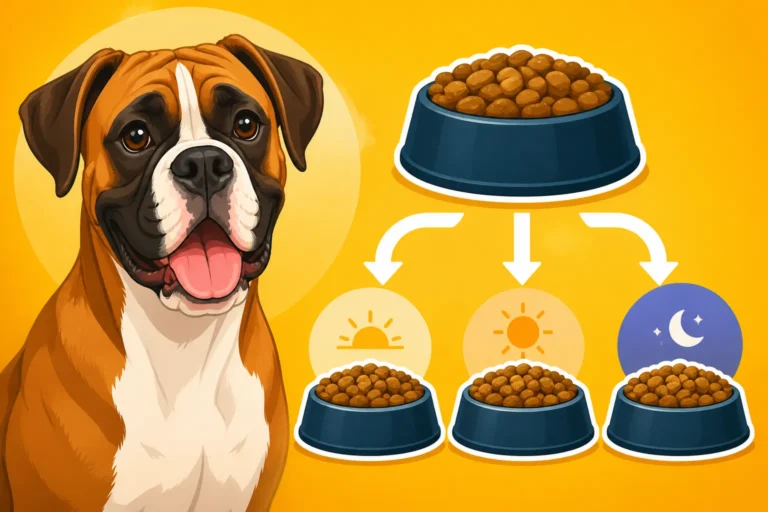
- Multiple Small Meals: Instead of one or two large meals, consider splitting their daily ration into three or even four smaller meals throughout the day. This reduces the amount of food (and air) consumed at one time. Why a Boxer's Meals Have to Be Split and Timed delves into the importance of this for bloat prevention too.
- Elevated Bowls (with caution): While sometimes suggested, the consensus on elevated bowls and bloat risk is mixed, with some studies even suggesting they increase the risk in deep-chested breeds. Discuss this with your vet before implementing.
- Restrict Access to Water During Meals: Some Boxers will gulp water along with their food. Offer water separately, a little before or after the meal.
Probiotics and Digestive Enzymes
Sometimes, even with an optimized diet and slower eating, a Boxer's gut needs a little extra help. Probiotics and digestive enzymes can be beneficial.
- Probiotics: These are beneficial live bacteria that help restore and maintain a healthy balance in your Boxer's gut microbiome. They can aid in digestion and reduce the production of gas. Look for canine-specific probiotics that contain multiple strains of bacteria, such as Lactobacillus and Bifidobacterium. Probiotics for a Boxer After Antibiotics are especially helpful, but they can be used regularly.
- Digestive Enzymes: These supplements help break down food components (proteins, fats, carbohydrates) more efficiently in the small intestine, reducing the amount of undigested food that reaches the large intestine for fermentation. They can be particularly useful for Boxers with chronic digestive sensitivities.
- Consult Your Vet: Always talk to your veterinarian before starting any new supplements. They can recommend appropriate products and dosages based on your Boxer's specific needs and health history.
Knowing When to Consult Your Veterinarian
While addressing Boxer gas through diet and eating habits can bring significant relief, it’s crucial to recognize when the problem goes beyond typical Boxer quirks and warrants a trip to the vet. As empathetic owners, we want to know when our dog’s discomfort signals something more serious. Don't ever hesitate to seek professional advice; it’s always better to be safe than sorry when it comes to your beloved companion's health.
Persistent or Worsening Flatulence
If your Boxer's gas is not just an occasional, mild nuisance but a constant, overwhelming presence, or if it suddenly seems to get much worse, it’s time to call your vet. Persistent, severe flatulence can indicate a chronic underlying issue that isn't going to resolve with simple dietary tweaks. Perhaps the food sensitivity is more pronounced than you thought, or there’s a persistent bacterial imbalance that needs medical intervention.
A sudden increase in the frequency, volume, or odor of gas, particularly if it's accompanied by other digestive sounds like loud gurgling or rumbling in their tummy, should definitely catch your attention. Don't just suffer through the smell; observe your Boxer closely for any other changes, even subtle ones, that might provide clues to your veterinarian. Keeping a log of when the gas occurs, what your Boxer ate, and any other symptoms can be incredibly helpful for your vet in diagnosing the issue.
Accompanying Symptoms of Illness
This is the big one: if your Boxer's excessive gas comes hand-in-hand with any other signs of illness, it’s an urgent situation. These accompanying symptoms are red flags that the gas isn't just a benign annoyance but a symptom of a deeper problem.
Symptoms that demand immediate veterinary attention include:
- Vomiting: Especially if it's frequent, forceful, or contains blood.
- Diarrhea: Particularly if it's severe, watery, bloody, or prolonged. Telling Boxer Colitis From Ordinary Diarrhea can be tricky, but any major change should be noted.
- Loss of Appetite: If your normally food-motivated Boxer suddenly refuses to eat, this is always concerning.
- Lethargy or Weakness: A Boxer who is unusually tired, sluggish, or unwilling to play.
- Abdominal Pain or Distention: If their belly feels hard, swollen, or if they cry out when you touch it. This is particularly critical for Boxers due to their Why a Boxer's Chest Shape Invites Bloat and risk of GDV.
- Restlessness or Pacing: Uncharacteristic behavior, especially if combined with attempts to vomit (non-productive retching). This is a classic Bloat Signs Every Boxer Owner Should Know.
- Weight Loss: Unexplained weight loss, especially if your Boxer is eating normally.
- Fever: Any elevated body temperature.
These symptoms, especially in combination with gas, can point to serious conditions like severe food allergies, inflammatory bowel disease, parasites, bacterial infections, or even life-threatening bloat. Do not wait to see if these symptoms improve; contact your emergency vet if you observe any of these.
The Importance of Regular Vet Checks
Even if your Boxer seems generally healthy, regular veterinary check-ups are invaluable. These routine visits allow your vet to monitor your Boxer's overall health, catch potential issues early, and discuss any ongoing concerns you might have, including chronic gas. During a routine check-up, you can discuss their diet, any changes in behavior or digestion, and get personalized advice.
Your vet can also perform diagnostic tests if needed, such as fecal exams to check for parasites, blood tests to assess overall health and organ function, or even imaging like X-rays or ultrasound if they suspect an internal issue. Sometimes, what seems like simple gas can be the first, most noticeable symptom of a condition that is much easier to manage if caught early. Don't underestimate the power of proactive care in keeping your gassy, lovable Boxer as healthy and comfortable as possible.
| Factor | Impact on Boxer Gas Production | Management Strategy |
|---|---|---|
| Brachycephalic Anatomy | Increased air swallowing (aerophagia) due to flattened face, mouth breathing, and panting. | Slow feeder bowls, puzzle toys, calm eating environment. |
| Deep Chest | Allows more room for gas accumulation; potential for slower digestive transit. | Consistent feeding schedule, moderate exercise. |
| High-Fiber Diet | Fermentation of undigested fibers by gut bacteria, producing gas. | Choose digestible fibers (e.g., sweet potato), avoid excessive fermentable ingredients. |
| Protein Digestibility | Undigested protein reaching the colon, broken down by bacteria into foul-smelling compounds. | Select high-quality, specific protein sources; consider novel proteins. |
| Rapid Eating | Gulping air along with food, leading to stomach distention and gas. | Slow feeder bowls, spread food on a mat, feed multiple small meals. |
| Irregular Feeding | Disrupts digestive rhythm, causing inefficient digestion and gut upset. | Establish and maintain a consistent daily feeding schedule. |
| Scavenging | Introducing new/spoiled foods or bacteria, leading to gut imbalance and fermentation. | Train "leave it," secure trash, supervise outdoor activities. |
| Food Sensitivities | Immune or digestive reactions to specific ingredients, causing inflammation and gas. | Discuss limited ingredient or hydrolyzed protein diets with vet. |
| GI Conditions | Inflammation, malabsorption, or bacterial overgrowth from conditions like colitis or IBD. | Veterinary diagnosis and treatment, prescription diets. |
| Bacterial Imbalance | Overgrowth of gas-producing bacteria, often due to antibiotics, stress, or illness. | Vet-recommended probiotics, dietary adjustments. |
Disclaimer
This article is for general informational purposes only and does not constitute professional advice. Laws, prices and regulations vary by location and change over time. Consult a qualified professional for guidance on your specific situation.