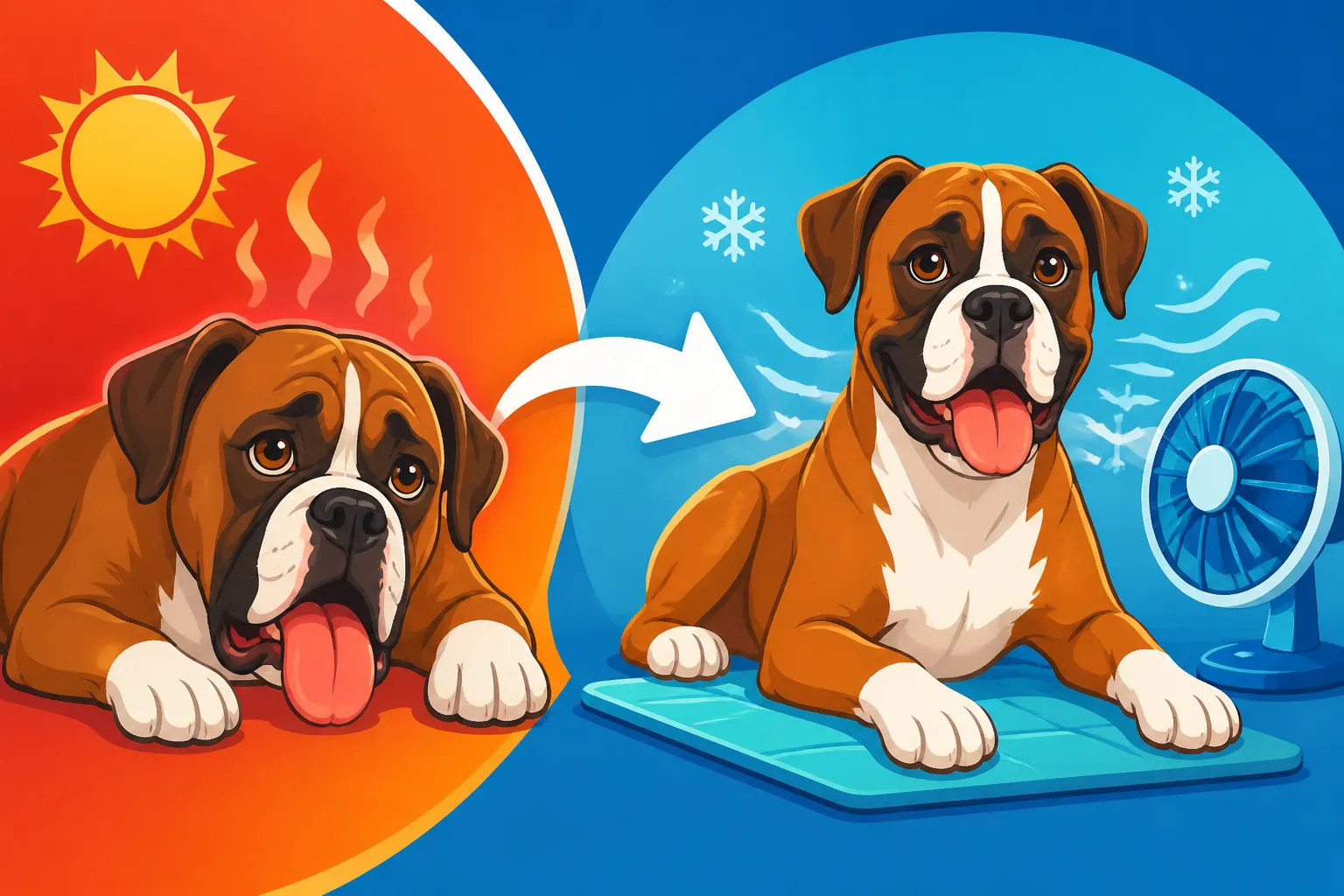
Getting a Boxer’s Temperature Down in Minutes
Few things strike fear into a Boxer owner's heart quite like seeing their beloved dog suddenly struggle in the heat, panting excessively, and looking utterly miserable. Their short muzzles and boundless energy make them particularly prone to overheating, and when heatstroke threatens, every single second truly counts. This guide is designed to equip you with the immediate, actionable steps you need to take to rapidly bring your Boxer's temperature down and potentially save their life, ensuring you know exactly what to do in those terrifying minutes.
Recognizing the Critical Signs Your Boxer Is Overheating
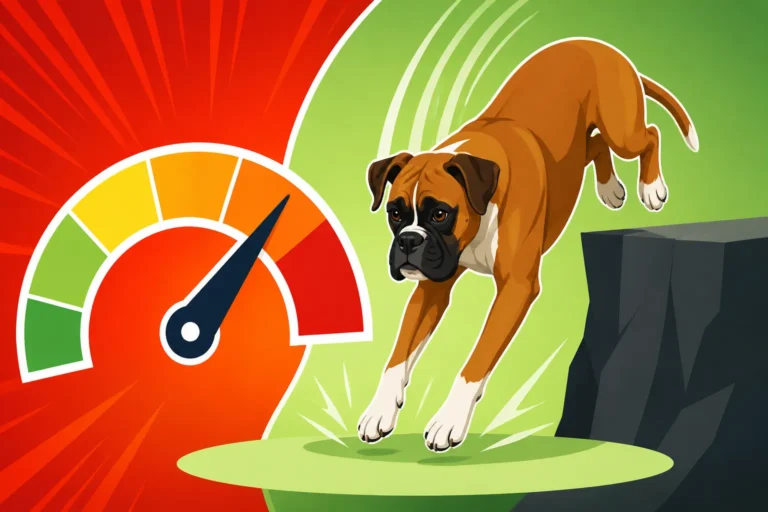
Before you can act, you need to be absolutely sure what you're dealing with. It’s easy to mistake heavy panting after a vigorous play session for something more serious, but with Boxers, the line between normal exertion and dangerous overheating can be perilously thin. Their brachycephalic (flat-faced) anatomy makes them less efficient at cooling themselves through panting compared to other breeds, meaning their internal temperature can skyrocket surprisingly quickly. How Fast a Flat-Faced Boxer Overheats is a crucial read for understanding this urgency.
One of the first things you'll notice is excessive, rapid panting that seems to go on and on, even after they've stopped exercising or moved into the shade. Their breathing might sound strained, almost like a desperate gasp. Beyond the breathing, keep an eye on their gums and tongue. Normally, a Boxer's gums are a healthy pink. With overheating, they can become a bright cherry red or, in severe cases, even bluish or pale, indicating a lack of oxygen. Their drool might become thick, ropey, and profuse, a clear sign their body is struggling to manage its temperature.
As things worsen, your Boxer might become lethargic and disoriented, stumbling as they walk, or even collapsing. They might vomit or experience diarrhea. In the most severe cases, seizures can occur, and they could lose consciousness. Many owners regret not acting sooner, wishing they had known Signs a Boxer Is Overheating when they first noticed subtle changes. The moment you suspect overheating, you need to be prepared to spring into action because delay can lead to irreversible organ damage or worse.
Immediate Cooling Techniques for Your Overheated Boxer
Okay, you've identified the problem. Now, quick action is vital. Your goal is to lower their core body temperature as rapidly and safely as possible. Remember, we’re aiming for cooling, not shocking them with extreme cold.
Moving to a Cooler Environment
The very first step is to get your Boxer out of the heat source immediately. If you're outdoors, seek dense shade or, even better, get them into an air-conditioned car or building. This simple act of removing them from the hot environment can prevent further escalation while you prepare for more active cooling. Every moment they remain exposed to heat, their body temperature continues to climb. If you have an outdoor fan, position it so it blows directly on your Boxer, as this will aid evaporative cooling, which is how panting usually works. For those hot summer months, keeping your home cool is paramount; The Degrees at Which a Boxer Struggles can help you understand safe indoor and outdoor temperatures.
Applying Cool (Not Icy) Water
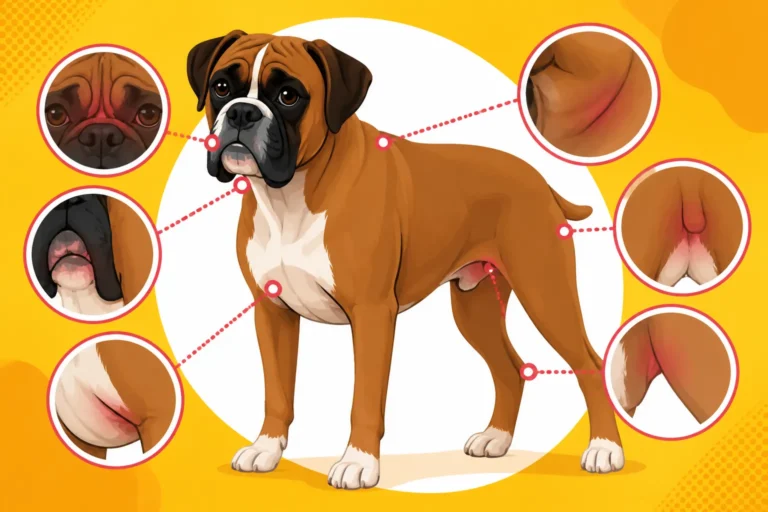
This is perhaps the most effective immediate measure. Get a hose, a damp towel, or even bottles of cool water. Focus on the areas where major blood vessels are close to the surface of the skin:
- Paw pads: These act like radiators. Wet them thoroughly.
- Groin: The inner thighs are excellent spots for heat exchange.
- Armpits: Another area with large blood vessels.
- Neck: Specifically the underside, where the carotid arteries run.
Do NOT use ice water or place ice packs directly on their skin. While it might seem intuitive, extreme cold causes the blood vessels near the skin's surface to constrict. This actually traps heat inside the body, making it harder for your Boxer to cool down their core temperature. Instead, use cool or lukewarm water. Gently douse or sponge these areas. You want to see the water evaporate, taking heat with it. A light stream from a garden hose (ensure it's not super-hot from sitting in the sun!) can be very effective on their entire body. Just remember, the goal is gradual, consistent cooling. Paddling Pools and a Boxer That Cannot Cool Itself can offer insights into safe water play for cooling.
Using Fans and Wet Towels
Pairing cool water application with air movement is a powerful combination. If you have a fan available, aim it at your Boxer while you're wetting them down. The moving air will speed up the evaporation process, drawing more heat away from their body.
For wet towels, don't use thick, heavy towels that might trap heat. Instead, opt for lightweight towels or even t-shirts. Wet them with cool water, wring them out so they're damp but not dripping, and lay them over your Boxer's back, neck, and chest. Crucially, you must change these towels frequently. As they absorb heat from your dog's body, they will warm up. Leaving a warm towel on your Boxer is counterproductive, as it will simply continue to insulate them. Keep a rotation going, swapping out warm towels for freshly cooled ones every couple of minutes. You can even order specialized cooling vests or mats from retailers like Amazon or Chewy to have on hand for such emergencies. Cooling Vests and Fans for a Boxer provides more details on these aids.
Offering Small Amounts of Water
Once your Boxer seems a little more coherent, offer them small sips of cool (again, not ice cold) water. Do not force them to drink, especially if they are disoriented or struggling to swallow, as this could lead to aspiration. If they drink too much too quickly, they might vomit, which can worsen dehydration. The aim here is rehydration, but it's secondary to immediate external cooling. Their priority is to lower their internal temperature.
Monitoring Their Temperature
If you have a rectal thermometer (a pet-specific one is best, or a human one can work, just label it for pet use), take their temperature every 5-10 minutes during the cooling process. A normal Boxer temperature is typically between 101.0 and 102.5 degrees Fahrenheit (38.3 to 39.2 degrees Celsius). Anything above 104°F (40°C) is concerning, and above 106°F (41.1°C) is an emergency. Once their temperature drops to around 103°F (39.4°C), you should stop active cooling measures, as their temperature can continue to drop naturally, and you don't want to over-cool them, which can lead to hypothermia. Even if you don't have a thermometer, continue cooling until their panting significantly reduces, they appear more alert, and their gums return to a healthier pink color.
Here's a quick comparison of effective vs. ineffective cooling methods:
| Cooling Method | Effectiveness for Overheated Boxers | Key Considerations |
|---|---|---|
| Moving to Air Conditioning/Shade | High | Immediate first step, stops further heat absorption. |
| Cool Water on Key Areas | High | Apply to paw pads, groin, armpits, neck. Promotes evaporative cooling. |
| Fans | High | Increases evaporation rate when paired with wetness. Crucial for brachycephalic breeds. |
| Damp, Cool Towels (Changed) | High | Effective if changed frequently; avoid thick towels that trap heat. |
| Small Sips of Cool Water | Moderate (Rehydration) | Offer, don't force. Secondary to external cooling. |
| Ice Water / Ice Packs | Low / Harmful | Causes vasoconstriction, trapping heat in the core. Avoid. |
| Submerging in Cold Water | Moderate (Risk of Shock) | Can cause thermal shock; better to focus on key areas and evaporation. |
| Forcing to Drink | Low / Harmful | Risk of aspiration (water entering lungs). |
When to Seek Emergency Veterinary Care Immediately
Even if your rapid cooling efforts seem to bring your Boxer's temperature down, you must contact your veterinarian or an emergency veterinary clinic as soon as possible. Heatstroke is a severe medical emergency, and even after initial cooling, internal damage to organs like the kidneys, liver, brain, and heart can occur. These complications may not be immediately apparent.
Think of it this way: your immediate actions are first aid, but veterinary care is critical to assess the full extent of the damage. They might need intravenous fluids to combat dehydration and kidney damage, blood tests to check organ function, or even medication to prevent brain swelling or clotting issues. Never assume your Boxer is "fine" just because their temperature came down.
Call ahead to the vet clinic to let them know you're coming and that you suspect heatstroke. This allows them to prepare for your arrival and begin treatment without delay. Be prepared to describe what happened, the symptoms you observed, and the cooling measures you took. This information is invaluable to the veterinary team. Often, Boxers with severe heatstroke require overnight hospitalization and intensive care to recover fully. Understanding the comprehensive care and potential costs involved is also important; What Boxer Cardiomyopathy Costs a Family gives an idea of significant veterinary expenses, though heatstroke can have its own unique financial burdens.
Preventing Future Overheating Incidents
The best way to deal with an overheated Boxer is to prevent it from happening in the first place. Boxers are incredibly athletic and playful, but their physiology demands extra vigilance in warm weather.
Timing and Intensity of Exercise
During warmer months, completely shift your exercise routine. Early morning before the sun really hits, or late evening after sunset, are the safest times for walks and play. Even on a cloudy day, humidity can be a huge factor, making it feel much hotter for your Boxer. Avoid strenuous exercise during the hottest parts of the day, even if it feels comfortable to you. A good rule of thumb is: if it's too hot for you to walk barefoot on the pavement, it's too hot for your Boxer. Whether a Boxer Should Be Outside at All in July explores this further. For Boxers with underlying health conditions, such as Subaortic Stenosis, special caution is needed; Exercise Limits for a Boxer With Stenosis are even stricter.
Consider shorter, more frequent potty breaks instead of long walks when the weather is warm. Engage in indoor activities like puzzle toys, training sessions, or gentle play to burn off energy without risking heatstroke. You can find a wide variety of engaging indoor toys and puzzle feeders on Chewy.
Ensuring Constant Hydration
Always provide fresh, cool water, both indoors and outdoors. If you're out for a walk, even a short one, carry a portable water bottle and a collapsible bowl. Many excellent options are available on Amazon. Make sure your Boxer has constant access to water. Consider adding a few ice cubes to their water bowl at home to keep it cooler longer, but remember not to let them ingest large quantities of ice when already overheated. Water Intake for a Boxer After Exercise is vital information for maintaining their health.
Utilizing Cooling Products and Environments
Invest in cooling aids specifically designed for dogs. These include:
- Cooling Mats: These often contain a gel that activates with pressure, providing a cool surface for your Boxer to lie on. Brands like The Green Pet Shop or K&H Pet Products offer popular options, often available on Amazon or Chewy.
- Elevated Beds: These allow air to circulate underneath, preventing heat from building up, especially if your Boxer loves to sprawl on hot pavement or patios.
- Cooling Vests/Bandanas: These can be soaked in cold water and worn by your Boxer to help regulate their temperature through evaporative cooling. They are especially useful for walks or short outdoor periods.
If you have a yard, consider setting up a shaded spot with a small dog-specific pool for them to splash in. Just ensure the water is shallow enough for safe entry and exit, and supervise them closely.
Awareness of Individual Boxer Sensitivity
Every Boxer is an individual. Some are more heat-tolerant than others, but none are truly immune to heatstroke. Pay attention to your Boxer's specific signals. If they seem unusually tired, are panting heavily, or seeking shade more often than usual, it's a clear sign to cut back on activity and provide cooling. Boxers with heavier builds, darker coats, or certain health conditions might be even more susceptible. By being proactive and attentive to their needs, you can ensure your beloved Boxer stays safe and comfortable, no matter the season.
Disclaimer
This article is for general informational purposes only and does not constitute professional advice. Laws, prices and regulations vary by location and change over time. Consult a qualified professional for guidance on your specific situation.