Natural Ears on a Boxer and How to Clean Them
Caring for a Boxer's beautiful, floppy natural ears can sometimes feel like a never-ending battle against moisture, wax, and potential infections. It's a common frustration for many Boxer owners who love those soft, velvety ears but know they come with specific maintenance needs. This comprehensive guide will walk you through the proper way to clean and care for your Boxer's natural ears, helping you keep them healthy, comfortable, and free from the discomfort of irritation or infection.
Understanding Your Boxer's Natural Ear Anatomy
When you look at your Boxer's head, those expressive, soft, natural ears are one of their most endearing features. But beneath that adorable exterior lies an anatomy that requires a bit more vigilance than breeds with erect ears. Understanding the unique structure of your Boxer's natural ears is the first step in providing them with the best care. It's not just about what you can see; it's about what's hidden away, setting the stage for potential issues.
The Floppy Factor: Why Natural Ears Need Special Attention
The most defining characteristic of a Boxer's natural ear is its floppy nature. The ear flap, or pinna, hangs down, covering the opening of the ear canal. While this looks lovely, it inadvertently creates a warm, dark, and often moist environment within the ear. Unlike breeds with ears that stand upright, allowing for plenty of air circulation, your Boxer's ears act like little humidifiers, trapping any moisture, warmth, and debris that enters. This trapped environment is, unfortunately, a perfect breeding ground for opportunistic bacteria and yeast to flourish, making natural-eared Boxers more prone to infections.
It's a stark contrast to the ears of breeds that typically have their ears cropped, which remain open and exposed to the air. This constant airflow helps to dry out the ear canal naturally, significantly reducing the chances of moisture-related issues. For your natural-eared Boxer, you are essentially compensating for this lack of natural ventilation through regular cleaning and diligent monitoring. Recognizing this inherent challenge is key to understanding why ear care isn't just a suggestion, but a necessity for these wonderful dogs.
Think about it from your Boxer's perspective. If their ears are constantly damp and warm inside, it's not just uncomfortable, it can quickly become itchy and painful. This predisposes them to chronic irritation and a higher likelihood of developing full-blown ear infections. You might notice your Boxer shaking their head more, scratching at their ears, or even rubbing them along the carpet or furniture to relieve the itch. These are all signs that the "floppy factor" is creating an environment ripe for trouble.
The Ear Canal: A Winding Road to Trouble
Beyond the visible ear flap, the ear canal itself is another critical piece of the puzzle. A dog's ear canal isn't a straight shot like a human's; it's an L-shaped structure, featuring a vertical canal that then takes a sharp turn into a horizontal canal before reaching the eardrum. This design, while offering some protection to the delicate eardrum, also makes it incredibly easy for wax, dirt, and moisture to get trapped deep inside. It's like a cul-de-sac for debris, making it difficult for the ear to naturally clear itself.
Because of this winding path, it's impossible to get a good visual on the entire canal without specialized equipment, like a vet's otoscope. This means that surface cleaning, while helpful, often doesn't reach the root of deeply embedded problems. When debris and wax accumulate in these deeper, hard-to-reach areas, they contribute to the warm, moist environment that yeast and bacteria love. Over time, this buildup can become dense, forming a plug that further exacerbates the issue, leading to inflammation and infection.
This unique anatomy also highlights why you should never, ever use cotton swabs (Q-tips) to clean deep inside your Boxer's ear canal. While tempting to "dig out" visible wax, you're far more likely to push debris further down the L-shaped canal, potentially compacting it against the eardrum or even causing damage to the delicate structures within. The goal of cleaning should be to flush out debris and gently wipe away excess, not to force anything further in.
Common Issues Associated with Natural Boxer Ears
Given the anatomy, several common issues tend to plague Boxers with natural ears. The most frequent culprit is otitis externa, which is an inflammation or infection of the external ear canal. You might first notice a strong, unpleasant odor emanating from the ear, often described as yeasty or musty. This is usually accompanied by a dark brown, waxy discharge or a yellowish, pus-like discharge, depending on whether yeast or bacteria (or both) are the primary offenders. Your Boxer will likely show clear signs of discomfort, such as persistent head shaking, pawing at their ears, or rubbing them against surfaces. The skin inside the ear flap might appear red, swollen, or even raw from scratching.
Ear mites, though more common in puppies or dogs exposed to other infected animals, can also cause intense itching and a dark, crumbly discharge that looks like coffee grounds. While less frequent in healthy adult Boxers, it's always a possibility if your Boxer has been in environments with other dogs. Furthermore, Boxers, like many breeds, can suffer from allergies – either environmental (pollen, dust mites) or food-related (common protein sources like chicken or beef). Often, the first and most noticeable symptom of an allergic reaction is intense itching and inflammation in the ears, leading to secondary infections. It’s a vicious cycle where allergies trigger inflammation, which then makes the ear susceptible to infection.
Beyond infections and mites, foreign objects like grass seeds or burrs can occasionally make their way into the ear canal, especially if your Boxer loves to romp through fields. These can cause acute pain, sudden head shaking, and a frantic attempt to dislodge the irritant. While less common, these scenarios underscore the importance of regular ear checks. Early detection of any of these issues is crucial for prompt treatment and preventing minor discomfort from escalating into a serious, painful condition. Just as you do Weekly Lump Checks on a Boxer, don't forget the ears!
Essential Tools for Boxer Ear Cleaning
Having the right tools on hand makes the ear cleaning process much smoother for both you and your Boxer. It’s not just about efficiency; it’s about safety and effectiveness. Using inappropriate products or materials can do more harm than good, irritating the delicate skin inside the ear or pushing debris further into the canal. Let's talk about what you'll need to set up your ear-cleaning station for success.
Choosing the Right Ear Cleaner
This is perhaps the most important tool in your arsenal. You absolutely want to use a vet-approved, pH-balanced ear cleaner specifically formulated for dogs. Avoid anything with alcohol or hydrogen peroxide, as these can be irritating and drying to the sensitive skin inside the ear canal. Alcohol can sting if the ear is already inflamed, and hydrogen peroxide, while it bubbles and seems to clean, can actually cause irritation and is not ideal for routine use. Think of it like using harsh soap on delicate skin – it might clean, but it leaves behind irritation.
Look for gentle ingredients that are designed to break down wax, dry the ear canal, and soothe any irritation. Ingredients like salicylic acid or boric acid can help with drying and preventing bacterial growth, while aloe vera or witch hazel can offer soothing properties. Some cleaners even contain mild antiseptic agents to help manage minor bacterial or yeast populations. You can often find excellent options at your local vet clinic, or online through pet supply retailers like Chewy or Amazon. Always read the labels carefully and, when in doubt, consult your veterinarian for a recommendation tailored to your Boxer's specific needs. They might recommend a particular brand if your Boxer has had recurring issues, for instance.
The goal of the cleaner isn't to sterilize the ear, but to safely dislodge and remove excess wax and debris, creating a less hospitable environment for pathogens. A good cleaner will allow you to gently flush the ear, letting the solution do the heavy lifting of breaking down the gunk so it can be easily wiped away or shaken out by your Boxer.
Wipes, Cotton Balls, and Gauze Pads
Once you've applied the ear cleaner, you'll need something to wipe away the loosened debris. Soft cotton balls, cotton pads, or small squares of gauze are your best friends here. They are gentle enough for the sensitive skin and absorbent enough to pick up discharge and excess cleaner. Use them to wipe the visible parts of the outer ear, the folds of the pinna, and just inside the entrance to the ear canal. Remember the L-shape of the canal? Your fingers wrapped in a cotton ball can only go so far safely.
I cannot stress this enough: do NOT use cotton swabs (Q-tips) deep inside your Boxer's ear canal. While they might seem perfect for getting into crevices, they are far too risky. As mentioned before, they can push debris deeper, potentially compacting wax against the eardrum or even perforating it. Save cotton swabs for cleaning the very intricate folds of the outer ear that your finger might not reach, but never for the canal itself.
For quick, daily touch-ups, especially if your Boxer tends to get a lot of surface gunk, specialized ear wipes can be very convenient. Brands like Pet MD or Zymox offer wipes pre-soaked with gentle cleaning solutions that can be used to wipe the visible ear flap and the immediate opening of the canal. These are great for post-walk cleanups or when you just need a quick freshening without a full flush. They are easy to grab from your cabinet or add to your regular order from Chewy.
Other Helpful Gear: Gloves and Treats
While not strictly for cleaning, these items are essential for a successful and positive experience. First, disposable gloves. Ear cleaning can be a bit messy, especially if there's a lot of discharge, and using gloves helps maintain hygiene. It prevents the transfer of bacteria from your hands to your Boxer's ears, and vice versa. Plus, let's be honest, ear gunk isn't pleasant to get on your bare hands!
Second, and arguably most important for your Boxer's cooperation, are high-value treats. Ear cleaning isn't always a dog's favorite activity, and Boxers can be quite opinionated! Making it a positive experience with generous rewards can transform it from a dreaded chore into a tolerable, or even anticipated, routine. Have a handful of their absolute favorite treats ready – maybe some small pieces of cheese, cooked chicken, or a special soft chew. Ollie offers some fantastic, high-quality soft treats that many Boxers adore and would gladly tolerate a bit of ear cleaning for.
The goal is to create a positive association. After each step, or certainly once the cleaning is complete, offer a reward and plenty of verbal praise. This helps teach your Boxer that ear cleaning isn't something to fear, but rather something that leads to delicious outcomes. Patience and positive reinforcement are just as crucial as the cleaning solution itself.
A Step-by-Step Guide to Cleaning Natural Boxer Ears
Okay, you've got your supplies, you understand the anatomy, and you're ready to tackle those adorable floppy ears. Let's break down the process into manageable steps to ensure a thorough yet gentle cleaning session. Remember, consistency and a calm approach are key to making this a positive experience for your Boxer.
Setting the Stage for a Stress-Free Session
Before you even reach for the ear cleaner, take a moment to prepare. Choose a time when your Boxer is naturally relaxed – perhaps after a good walk, a play session, or even when they're a bit sleepy. Trying to clean the ears of an overly energetic or anxious Boxer is a recipe for struggle and frustration for both of you. Find a quiet, well-lit area where you can comfortably work. A bathroom or kitchen with easy-to-clean surfaces is ideal, as things can get a little splashy.
Gather all your supplies beforehand and place them within easy reach: your chosen ear cleaner, cotton balls or gauze, disposable gloves, and those all-important high-value treats. If your Boxer is particularly squirmy or if it's your first time, it might be incredibly helpful to enlist a second person. One person can gently hold and reassure your Boxer, while the other focuses on the cleaning. This shared effort can make a world of difference, especially with a strong and enthusiastic Boxer. Remember to keep your tone calm and reassuring throughout the entire process.
The Cleaning Process: Gentle and Thorough
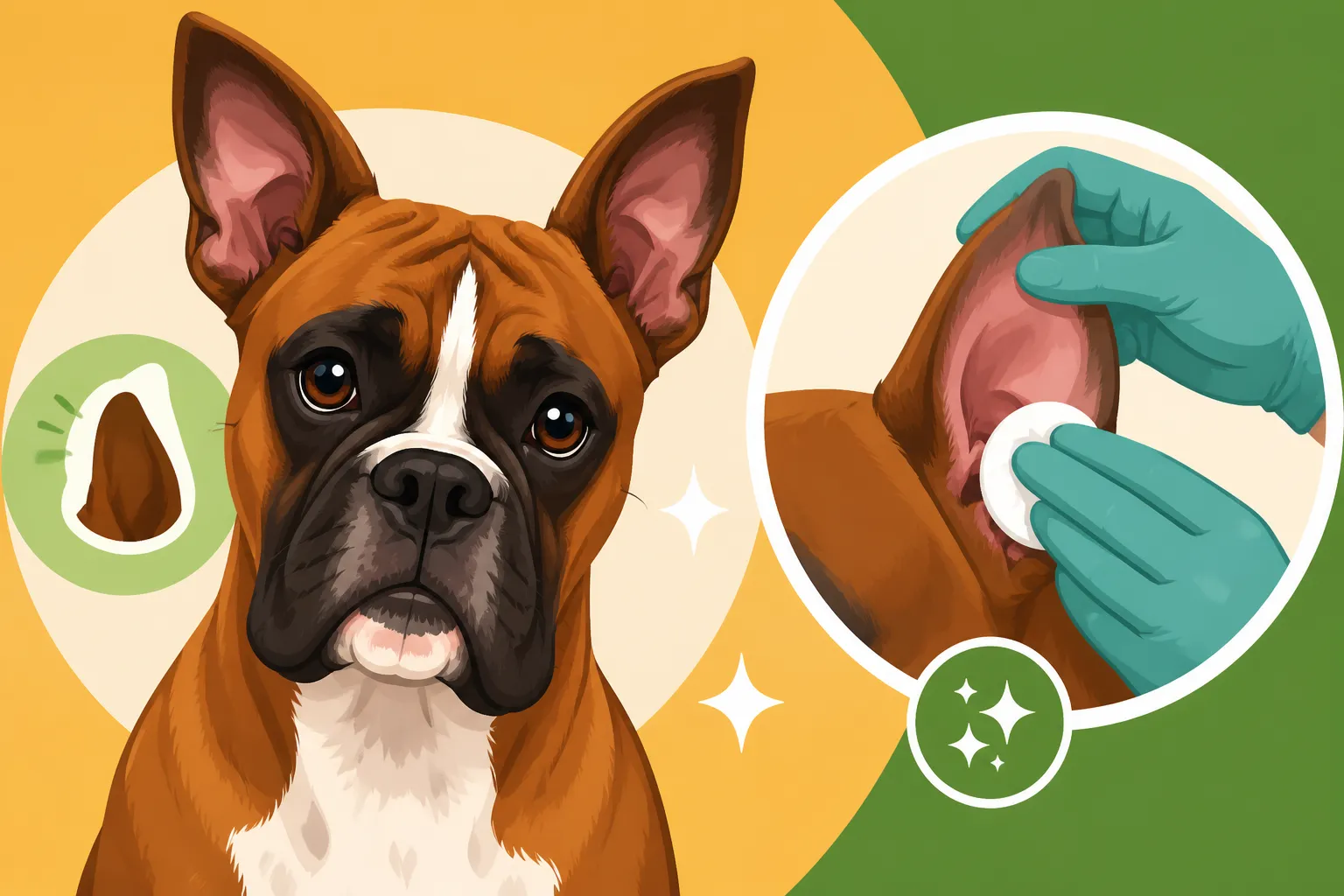
Now for the main event! Put on your disposable gloves. Gently lift your Boxer's ear flap to expose the entrance to the ear canal. You'll likely see some wax and possibly a bit of dirt. This is your target zone. Take your vet-approved ear cleaner and, following the directions on the bottle (which usually involve filling the ear canal), carefully insert the tip of the bottle into the ear canal. Squeeze the bottle to generously fill the canal with the cleaning solution. Don't be shy – you need enough liquid to really flush things out. It's totally normal for your Boxer to react a little at this point, perhaps shaking their head or looking surprised.
Once the cleaner is in, gently massage the base of your Boxer's ear for about 20-30 seconds. You should hear a squishing sound, which means the solution is working its way deep into the L-shaped canal, breaking up wax and debris. This massaging action is crucial for helping the cleaner do its job effectively. After massaging, allow your Boxer to shake their head. This is a vital step! The head shaking helps to bring the loosened wax and cleaner up and out of the ear canal. Stand clear, as it can get a bit messy, but this is exactly what you want to happen.
After the vigorous head shake, use your cotton balls or gauze pads to gently wipe away any visible solution, wax, and debris from the inner surface of the ear flap and around the entrance of the canal. Don't try to go deeper than your finger can comfortably reach with a cotton ball wrapped around it. The goal is to clean what comes out, not to dig deep. Repeat the process if the ear is particularly dirty, using fresh cotton balls each time until no more visible debris comes out. You're effectively performing a thorough Cleaning a Natural-Eared Boxer.
Post-Cleaning Care and Rewards
Once both ears are clean (or one, if you're taking a break for an extra wiggly Boxer), it's time for the absolute best part: generous praise and those high-value treats! Make a big fuss over your Boxer. Tell them how good they were, cuddle them, and immediately offer their favorite reward. This positive reinforcement is critical for building a good association with ear cleaning. The more positive experiences they have, the less they'll dread the next session.
Regarding frequency, the "how often" question really depends on your individual Boxer. For many Boxers with healthy natural ears, a thorough cleaning once a week or every two weeks is sufficient. If your Boxer is particularly prone to wax buildup, swims frequently, or suffers from seasonal allergies, you might need to clean them more often, perhaps twice a week. On the other hand, if their ears are consistently pristine, you might get away with less frequent cleaning. However, daily visual checks are still highly recommended to catch any issues early.
Knowing when to stop and consult a vet is also important. If your Boxer's ears are red, swollen, painful to the touch, or have a significant amount of foul-smelling discharge that doesn't improve after one or two careful cleanings, it's time to call your veterinarian. These are signs of an active infection that requires professional diagnosis and prescription medication. Trying to self-treat a full-blown infection can prolong your Boxer's discomfort and make the issue harder to resolve.
Preventing Ear Problems in Boxers with Natural Ears
An ounce of prevention is worth a pound of cure, and this adage holds especially true for your Boxer's natural ears. While you can't change their ear anatomy, you can certainly adopt habits that minimize the risk of problems and keep those ears healthy and comfortable. It's about being proactive rather than reactive.
Regular Checks and Early Detection
Making regular ear checks a part of your routine is perhaps the most powerful preventative measure you can take. This isn't just about cleaning; it's about visually inspecting and "sniffing" your Boxer's ears daily or every other day. Take a moment to lift the ear flap, look inside, and get a good whiff. Healthy Boxer ears should have a very faint, neutral smell – no strong odors, no foul or yeasty scent. The skin should be a healthy pink color, not red, swollen, or covered in discharge.
Beyond the visual and olfactory inspection, pay attention to your Boxer's behavior. Are they shaking their head more than usual? Are they scratching at their ears with a back paw, or rubbing their head along the furniture or ground? Any of these behavioral changes can be subtle indicators that something is amiss, even before you see obvious physical signs. It's all part of the overall wellness check, similar to when you perform The Lumps a Boxer Owner Has to Check For. The sooner you spot a potential problem, the easier and quicker it will be to address, often preventing a full-blown infection.
Integrating these quick checks into your daily routine, perhaps during cuddle time or after a meal, makes them less of a chore and more of a natural part of interacting with your Boxer. This consistent vigilance allows you to catch minor irritation, excess wax, or the very beginnings of an infection, giving you the chance to intervene with a gentle cleaning or a call to the vet before the situation escalates.
Managing Moisture After Baths or Swims
As we've discussed, moisture is the arch-nemesis of a natural-eared Boxer. Water trapped in the ear canal creates that perfect humid environment for yeast and bacteria to thrive. This means that after any water exposure – whether it's a bath, a swim in the lake, or even just playing in the rain – thorough drying of the ears is absolutely critical. Don't skip this step!
After a bath, gently blot the inside of your Boxer's ears with a soft towel or a clean cotton ball. You can also use a small piece of gauze to carefully wipe out any visible water. For Boxers who love to swim, consider using a veterinary-approved ear drying solution immediately after they get out of the water. These solutions typically contain ingredients that help absorb moisture and acidify the ear canal, making it less hospitable to pathogens. You can find these at your vet's office or on reputable online stores like Amazon.
Some owners even use a hair dryer on the lowest, coolest setting, held at a safe distance from the ear, to gently air dry the canal. Just be incredibly careful not to use any heat and always keep the airflow moving. The idea is to evaporate the moisture, not to bake the ear. Pay particular attention to the folds and wrinkles of the ear flap too, as moisture can accumulate there and lead to irritation. Think about how diligently you might dry other areas after a bath to prevent skin issues, like when Drying a Boxer's Folds After a Bath. The ears need that same attention.
Addressing Underlying Issues: Allergies and Diet
If your Boxer suffers from recurring ear infections, despite your diligent cleaning and drying efforts, it's crucial to look beyond the ear itself and consider potential underlying causes. Often, chronic ear problems are not isolated issues but rather symptoms of a broader systemic problem, with allergies being a very common culprit. Both environmental allergies (to pollen, dust mites, mold) and food allergies can manifest as chronic ear inflammation and infections.
If your vet suspects allergies, they might recommend a strict elimination diet to rule out food allergies. This typically involves feeding a novel protein (one your Boxer has never eaten before, like duck or venison) or a hydrolyzed protein diet for a period of 8-12 weeks to see if symptoms improve. It can be a commitment, but if food is the cause, it can dramatically improve ear health. Similarly, environmental allergies can be managed with medication, immunotherapy, or by reducing exposure to triggers. Discussing these possibilities with your vet is vital for breaking the cycle of recurring infections.
While diet alone might not prevent all ear issues, good nutrition supports a robust immune system and overall skin health, which includes the delicate skin in the ears. High-quality food provides the nutrients needed for healthy skin and coat, making your Boxer less susceptible to various problems. For instance, just as a specific diet can manage Diet Changes for a Boxer With Colitis, nutrition can play a role in reducing inflammatory responses throughout the body, including the ears. It's all connected. If your Boxer has persistent ear issues, a review of their diet with your vet can sometimes uncover surprising links. You might explore brands like Ollie, which offers customized, fresh dog food that supports overall health.
When to See the Vet for Ear Concerns
While routine cleaning and preventive measures go a long way, there are times when ear issues escalate beyond what home care can manage. Knowing when to stop trying DIY solutions and seek professional veterinary help is critical for your Boxer's comfort and long-term health. Delaying proper treatment for an infection can lead to more severe pain, damage to the ear structures, and more complicated, expensive treatments down the line.
Recognizing Signs That Warrant Professional Help
You should absolutely schedule a vet visit if you notice any of the following signs:
- Severe Pain: If your Boxer cries out, growls, or becomes aggressive when you touch their ear, it's likely very painful and needs professional attention.
- Swelling: Visible swelling of the ear flap or around the ear canal is a clear indicator of significant inflammation or infection.
- Excessive Discharge: If there's a large amount of discharge, especially if it's pus-like, bloody, or has a strong, foul odor that doesn't clear up after one gentle cleaning.
- Constant Head Shaking or Scratching: Persistent, frantic head shaking, ear pawing, or rubbing that doesn't subside.
- Loss of Balance or Head Tilt: If your Boxer suddenly starts tilting their head persistently, has trouble walking straight, or shows any signs of dizziness, it could indicate a middle or inner ear infection, which is a serious condition.
- Redness and Inflammation: If the inside of the ear is significantly red, hot to the touch, or raw-looking.
- Ear Cleaning Fails to Improve: If you've tried cleaning once or twice with your regular cleaner, and there's no noticeable improvement in symptoms, it's time for the vet.
The danger of trying to self-treat an active infection is that you might be dealing with something more serious than simple wax buildup. Without knowing the exact cause (bacterial, yeast, mites, foreign body), you can't choose the right treatment. Using the wrong drops or delaying treatment allows the infection to worsen, potentially causing chronic issues or even permanent damage to the ear canal or eardrum. It's worth the trip to prevent further suffering.
What to Expect at the Vet
When you bring your Boxer in for an ear concern, your vet will perform a thorough physical examination, paying special attention to the affected ear(s). They will likely use an otoscope – a special instrument with a light and magnifying glass – to look deep inside the ear canal and assess the eardrum. This allows them to identify inflammation, foreign bodies, tumors, or eardrum damage.
A crucial diagnostic step is typically cytology, where the vet takes a swab of the ear discharge and examines it under a microscope. This quickly tells them whether yeast, bacteria, or mites are present, and in what quantities. If bacteria are suspected, they might also perform a bacterial culture and sensitivity test, which helps them identify the specific type of bacteria and determine which antibiotics will be most effective. This is especially important for recurrent or stubborn infections.
Based on their findings, your vet will prescribe the appropriate treatment. This might include prescription ear drops (which often contain a combination of antibiotics, antifungals, and anti-inflammatories), oral antibiotics, or anti-inflammatory medications. It is incredibly important to follow your veterinarian's instructions precisely and to complete the entire course of medication, even if your Boxer's ears appear to be better after a few days. Stopping treatment too early is a common reason for infections to recur, sometimes even stronger than before.
Chronic Ear Issues and Management
For some Boxers, ear problems can become a chronic, frustrating battle. If your Boxer experiences recurrent ear infections despite consistent treatment and management, your vet might suggest further diagnostics to pinpoint the root cause. This could involve more advanced imaging, such as X-rays, CT scans, or MRIs, especially if middle or inner ear involvement is suspected or if there are concerns about polyps or tumors within the ear canal. Such procedures can be more involved, and understanding How a Boxer Handles Sedation or Anesthesia Risk in a Flat-Faced Boxer might become relevant discussions with your vet.
In very severe, chronic cases where the ear canal itself has become irreversibly damaged and medical management is no longer effective, surgical intervention might be considered. A Total Ear Canal Ablation (TECA) is a procedure where the entire ear canal is surgically removed, eliminating the source of chronic infection. This is a last resort, but for Boxers suffering from relentless pain and infection, it can offer immense relief and a significantly improved quality of life. Naturally, this is a major surgery with a significant recovery period and is only recommended after all other options have been exhausted.
Managing chronic ear issues often involves a multi-pronged approach: consistent vet check-ups, ongoing preventative cleaning, diligent monitoring for early signs of recurrence, and addressing any underlying conditions like allergies. It can be a journey, but with patience and a close partnership with your veterinarian, you can help your Boxer live a much more comfortable and ear-ache-free life. Even simple tools like puzzle feeders (e.g., from Chewy or Amazon) can sometimes help distract a Boxer with minor discomfort or anxiety during treatment application.
Here's a quick comparison of common ear cleaning components:
| Component Type | Example Ingredients | Primary Function | Pros | Cons |
|---|---|---|---|---|
| Drying Agents | Boric Acid, Salicylic Acid | Helps remove moisture, acidify the ear canal | Excellent for post-swim/bath, discourages bacterial growth | Can be drying or irritating if overused or if ear is inflamed |
| Antiseptics/Antifungals | Chlorhexidine, Miconazole | Kills bacteria and yeast | Effective against common pathogens | May require veterinary prescription, can be irritating if too strong |
| Ceruminolytics | Docusate Sodium, Squalene | Breaks down and dissolves ear wax | Great for wax buildup, helps flush debris | Can sometimes be irritating if too strong or left in too long |
| Soothing Agents | Aloe Vera, Calendula | Reduces inflammation, soothes irritated skin | Provides comfort to sensitive ears | Doesn't treat underlying infection, mostly palliative |
| Neutral Cleaners | Water-based, pH-balanced | Gentle flushing and removal of surface debris | Good for routine maintenance, non-irritating | Less effective for active infections or heavy wax buildup |
Disclaimer
This article is for general informational purposes only and does not constitute professional advice. Laws, prices and regulations vary by location and change over time. Consult a qualified professional for guidance on your specific situation.