Getting Weight Onto a Skinny Boxer
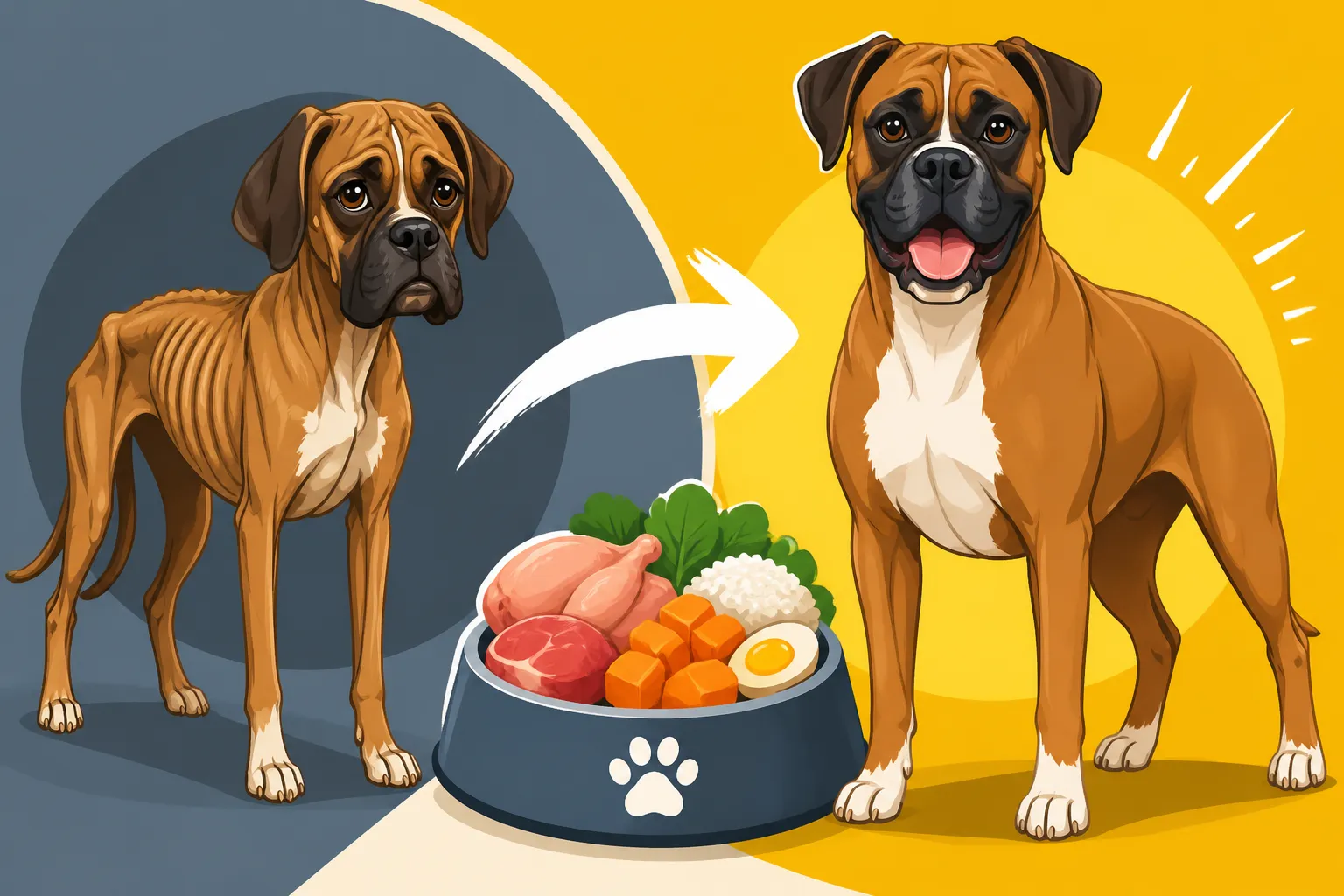
It's incredibly disheartening when you look at your beloved Boxer and see them looking a little too lean, perhaps even a bit bony. That worry can really gnaw at you, especially when you know Boxers are supposed to be such robust, muscular dogs. This guide is here to walk you through understanding why your Boxer might be skinny, how to properly assess their condition, and, most importantly, provide actionable steps to help them regain a healthy weight safely and effectively.
Understanding Why Your Boxer Might Be Too Thin
Before you even think about just piling on more food, it's absolutely crucial to figure out why your Boxer is underweight. There are many reasons, some simple and easily fixed, others requiring professional veterinary attention. Ignoring the root cause could lead to more problems down the road, even if your dog does gain a little weight.
Ruling Out Health Issues First
This is always step number one. A sudden or gradual loss of weight can be a red flag for underlying health problems that need to be addressed by a veterinarian. Don't delay this step; it's the most important thing you can do for your dog's well-being.
One of the most common culprits, especially in younger Boxers, can be intestinal parasites. Worms can steal nutrients right from under your dog's nose, no matter how much they're eating. A simple fecal test at the vet can identify these unwelcome guests, and medication can often clear them up quickly. Beyond parasites, conditions like inflammatory bowel disease (IBD) or exocrine pancreatic insufficiency (EPI) can severely impact a dog's ability to digest and absorb nutrients. Boxers can be prone to sensitive stomachs, and persistent diarrhea or loose stools, especially with bloody mucus in a young Boxer's stool, should always be investigated.
More serious conditions, though less common, can also manifest as weight loss. Certain types of cancer, which Boxers are unfortunately predisposed to, can cause wasting even before other symptoms are obvious. The Lumps a Boxer Owner Has to Check For are something you should be checking for weekly. Sometimes, the issue isn't internal digestion but dental pain. A Boxer with a sore tooth might be reluctant to eat enough, especially dry kibble, even if they appear hungry. An oral exam at your vet can reveal hidden problems in their mouth. Finally, metabolic disorders like hyperthyroidism (though less common in dogs than cats) could speed up their metabolism, causing them to burn through calories too quickly.
Are You Feeding Enough, or the Right Type of Food?
Once health issues are ruled out, it's time to play detective with their diet. It's easy to assume you're feeding enough, but sometimes our perception doesn't match reality, or our Boxer's needs have changed.
Boxers are high-energy, athletic dogs, and their calorie requirements can be surprisingly high, especially during their active "puppyhood" that seems to last forever! If your Boxer is particularly active, perhaps enjoying long runs, extensive play sessions, or dog sports, they might simply be burning more calories than you're providing. A growth spurt in a young Boxer can also temporarily make them look lean as their bones lengthen before their muscle mass catches up. It's a tricky balance to ensure Growth Limits on a Boxer Puppy's Joints are respected while still feeding for adequate development. The general guidelines on the back of a dog food bag are just that – guidelines. They might not perfectly match your individual Boxer's metabolism or activity level.
Beyond quantity, the quality of food matters immensely. A food loaded with fillers like corn, wheat, or soy might fill their belly but won't provide the dense nutrition needed for healthy weight gain and muscle maintenance. Some Boxers also have sensitivities to common protein sources like chicken or beef, which can lead to mild digestive upset and nutrient malabsorption over time, even if it's not full-blown Boxer Colitis and the Young Dogs It Hits. Switching to a novel protein diet or a higher-quality food with better ingredients could make a world of difference.
Stress and Environmental Factors
Sometimes, it's not about what's inside your Boxer, but what's around them. A Boxer's emotional well-being can impact their physical condition, including their weight.
Boxers are sensitive souls and can experience stress or anxiety, especially if there have been changes in their environment or routine. A new pet, a move to a new house, a change in household dynamics, or even just feeling lonely can cause them to eat less or burn more energy due to nervousness. If you have multiple dogs, is your skinny Boxer getting enough to eat without feeling rushed or threatened by the others? Some dogs, particularly if they were in a rescue situation with food scarcity, might bolt their food or get anxious if another dog is nearby during meal times. Resting a Boxer Before and After Meals is not just good for bloat prevention, but also for creating a calm eating environment.
Consider their sleeping arrangements and general comfort. Are they warm enough in winter? Are they excessively bored or under-stimulated, leading to pacing or destructive behaviors that burn calories unnecessarily? Even subtle environmental factors can chip away at a dog's overall well-being and, consequently, their weight.
Assessing Your Boxer's Body Condition
Before you embark on any weight gain program, it's essential to have an objective way to measure your Boxer's current condition and track progress. Simply looking at them and thinking "they're skinny" isn't precise enough.
The Rib Test and Visual Cues
This is a hands-on approach that you can do at home. A healthy Boxer should be lean and muscular, not overly padded.
- Ribs: Gently run your hands along your Boxer's sides. You should be able to feel their ribs easily, like feeling the knuckles on your hand, without having to press hard. If you can see individual ribs clearly without much effort, especially from a distance, or if they protrude sharply, your Boxer is likely underweight. Conversely, if you can't feel the ribs at all without really digging, your Boxer is likely overweight. Feeling a Boxer's Ribs Through Muscle is the sweet spot.
- Waist: Look at your Boxer from above. They should have a noticeable tuck-in at their waist, behind their ribs, before flaring out slightly over their hips. If their sides go straight down or even bulge out, they're likely overweight. If the tuck is extremely dramatic, like an hourglass figure, they might be too thin.
- Abdominal Tuck: Look at your Boxer from the side. Their belly should tuck up from their chest, not hang low or be straight across. An excessively high tuck can also indicate being underweight.
- Hip Bones/Spine: You should generally not see prominent hip bones, shoulder blades, or individual vertebrae along their spine. Feeling them easily is normal, but seeing them clearly means they're too lean.
Remember, Boxers are naturally athletic and well-muscled. They should never look "fluffy" or overly round. The goal is to see muscle definition, not bony protrusions.
Using a Body Condition Score (BCS) Chart
Veterinarians often use a Body Condition Score (BCS) chart, typically on a 5-point or 9-point scale, to standardize assessments. This can be a really helpful tool for you too.
The most common scale is a 1-5 or 1-9 system:
- 1 (or 1-3 on a 9-point scale): Severely underweight. Ribs, spine, pelvic bones easily visible from a distance. No discernible body fat. Obvious loss of muscle mass.
- 2 (or 4 on a 9-point scale): Underweight. Ribs easily visible. Lumbar vertebrae and pelvic bones becoming obvious. Minimal fat. Slight loss of muscle mass.
- 3 (or 5 on a 9-point scale): Ideal. Ribs easily palpable without excess fat covering. Waist easily noted. Abdominal tuck apparent.
- 4 (or 6-7 on a 9-point scale): Overweight. Ribs palpable with difficulty. Waist indiscernible or barely visible. Abdominal tuck minimal or absent.
- 5 (or 8-9 on a 9-point scale): Obese. Ribs not palpable under heavy fat cover. Obvious abdominal distention. Massive fat deposits.
Your goal is for your Boxer to be a solid 3 out of 5, or a 5 out of 9. This means they are lean, muscular, and in peak physical condition without being too thin or carrying excess fat.
Here's a simplified way to think about it for your Boxer:
| Body Condition Aspect | Underweight (1-2/5) | Ideal (3/5) | Overweight (4-5/5) |
|---|---|---|---|
| Ribs | Clearly visible; no fat covering | Easily felt with minimal fat | Hard to feel due to fat cover |
| Waist | Dramatic hourglass, severe tuck | Noticeable tuck behind ribs | Straight, or bulges out |
| Hip Bones | Clearly visible/protruding | Felt, but not prominent | Covered by fat, not felt |
| Muscle Mass | Visible loss/wasting | Well-defined, firm | May be hidden under fat |
| Overall Energy | Potentially lethargic/weak | Energetic, athletic | Potentially sluggish/fatigued |
Taking regular photos from the side and above can also help you track subtle changes over time, as sometimes you might not notice gradual progress day-to-day.
Strategies for Healthy Weight Gain
Once you've ruled out health issues and assessed your Boxer's current condition, it's time to implement a plan to help them put on weight in a healthy, sustainable way. This isn't just about feeding them more junk food; it's about providing nutrient-dense calories.
Adjusting Calorie Intake Safely
The key here is gradual increase. Suddenly doubling their food intake can lead to digestive upset, which is the last thing you want for a dog trying to gain weight.
Start by increasing their daily food portion by about 10-15% for a week or two, then reassess. If they're tolerating it well and showing some slight weight gain, you can increase it again. The goal is steady, healthy gain, not rapid fattening. For a seventy-pound Boxer, Daily Calories for a Seventy-Pound Boxer might be higher than you think, especially if they are very active.
Look for high-quality, calorie-dense dog foods. This means foods with a higher percentage of protein and healthy fats, and fewer fillers. Many premium dog food brands offer formulas specifically for active dogs or puppies that are naturally more calorie-dense. Brands like Ollie, known for its fresh, human-grade ingredients, can be an excellent option for dogs needing to put on weight, as their meals are often highly palatable and nutrient-rich. If you're using kibble, look at the guaranteed analysis on the bag. A kibble with 25-30% protein and 15-20% fat will provide more usable calories than one with lower percentages. Many excellent options can be found on Chewy's website, allowing you to compare nutritional profiles and reviews.
Consider splitting their meals into more frequent, smaller portions throughout the day, especially if they have a sensitive stomach or tend to eat too fast. Instead of two large meals, try three or even four smaller meals. This can help with digestion and nutrient absorption. For a Boxer, this also ties into the recommendation of Feeding a Boxer Twice a Day or more to reduce the risk of bloat.
Supplementing for Extra Calories and Nutrition
Sometimes, simply adding more kibble isn't enough, or your Boxer might be picky. Strategic supplementation can help boost calories and provide essential nutrients.
Adding healthy fats is a great way to increase calorie intake without adding a huge volume of food. Fish oil, rich in Omega-3 fatty acids, is not only calorie-dense but also fantastic for skin, coat, and overall health. Fish Oil for a Boxer's Skin and Heart offers benefits beyond just weight gain. You can drizzle a small amount over their existing food. Coconut oil is another option for healthy fats, though some dogs can be sensitive to it, so introduce it slowly. Start with a very small amount, like half a teaspoon, and gradually increase if tolerated.
High-quality protein additions can also help build muscle mass as your Boxer gains weight. Cooked, lean meats like boiled chicken breast (skinless, boneless), or plain, unsalted ground beef can be excellent additions. Scrambled eggs are another easy way to add protein and healthy fats. Just make sure these additions don't upset their stomach or make them too full to eat their main meal.
Probiotics are also worth considering, especially if your Boxer has a history of loose stools or a sensitive digestive system. A healthy gut biome is crucial for efficient nutrient absorption. A high-quality probiotic supplement can support their digestive health and ensure they're getting the most out of the food they're eating. You can often find reputable probiotic options on Amazon or Chewy. Before adding any new supplement, a quick chat with your vet is always a good idea to ensure it's appropriate for your Boxer's specific needs. Which Boxer Supplements Are Worth Buying is a common question, and your vet can provide tailored advice.
Managing Mealtime Environment
How and where your Boxer eats can significantly impact their appetite and digestion. A calm, consistent mealtime routine can make a big difference.
If you have multiple pets, ensure your skinny Boxer has a quiet, separate space to eat where they won't feel rushed, stressed, or like they need to guard their food. This might mean feeding them in a different room, in their crate, or simply at a time when other pets are not present. Removing competition can encourage them to eat at a more relaxed pace and consume their full portion.
Consider using an elevated food bowl. While the debate around elevated bowls and bloat risk for Boxers is complex and still ongoing, many owners find it makes eating more comfortable for large, deep-chested breeds. The primary concern with bloat is usually rapid eating and post-meal activity, not necessarily the bowl height itself. Bowl Height and Bloat in a Boxer is a topic with varying opinions, but ensuring a calm eating environment and Whether a Boxer Should Rest After Meals are more widely agreed upon bloat prevention strategies.
Make mealtime a positive experience. Avoid distractions, loud noises, or anything that might make your Boxer anxious. Offer praise and encouragement. For some Boxers, especially those who were underweight due to stress or anxiety, creating a serene and predictable mealtime ritual can be just as important as the food itself.
Monitoring Progress and When to Revisit the Vet
Helping your Boxer gain weight is a marathon, not a sprint. Consistent monitoring and knowing when to seek further professional help are crucial for success.
Tracking Weight and Body Condition
Once you start implementing changes, you'll need to keep a close eye on your Boxer's progress. This isn't something you can just set and forget.
Make it a habit to weigh your Boxer regularly, perhaps once a week or every two weeks, using the same scale if possible. Many vet clinics are happy to let you pop in for a quick weigh-in, or you can invest in a large dog scale if you plan to do it at home. Keep a simple journal or use a note on your phone to track their weight, along with any changes you've made to their diet or routine. This data will be invaluable.
Continue to perform the "rib test" and visual assessments we discussed earlier. Take photos every few weeks from the same angles (side and top-down) to visually compare their body condition. Sometimes, daily interaction makes it hard to notice subtle changes, but photos can be very revealing. The goal is to see a gradual increase in healthy tissue, not just fat. Their ribs should become less prominent, their waist less dramatically tucked, and their muscles should feel firmer and more developed. Remember, What a Fit Boxer Weighs means being lean and muscular, not just heavy.
Recognizing When It's Not Working
There will be times when, despite your best efforts, your Boxer just isn't gaining weight, or perhaps even continues to lose it. This is your cue to go back to the veterinarian.
If you've diligently increased calories, improved food quality, managed their environment, and consistently monitored for several weeks without any noticeable improvement, it's a strong indicator that something else is going on. It could be that the initial health screening missed something subtle, or a new condition has developed. Sometimes, conditions like EPI or IBD require very specific diagnostic tests and management protocols that are beyond general dietary adjustments.
Don't hesitate to schedule a follow-up appointment with your vet. Be prepared to share your detailed notes on their food intake, weight changes, and any other symptoms you've observed. This information is gold to your vet and can help them narrow down potential causes more quickly. They might recommend further diagnostics, such as more advanced blood tests, imaging, or even a referral to a veterinary internal medicine specialist. The Vet Visits a Boxer Needs Beyond Screening should always be taken seriously, and a persistent inability to gain weight falls squarely into this category. Your Boxer relies on you to be their health advocate, and sometimes that means pushing for more answers when initial attempts at improvement don't yield results.
Disclaimer
This article is for general informational purposes only and does not constitute professional advice. Laws, prices and regulations vary by location and change over time. Consult a qualified professional for guidance on your specific situation.