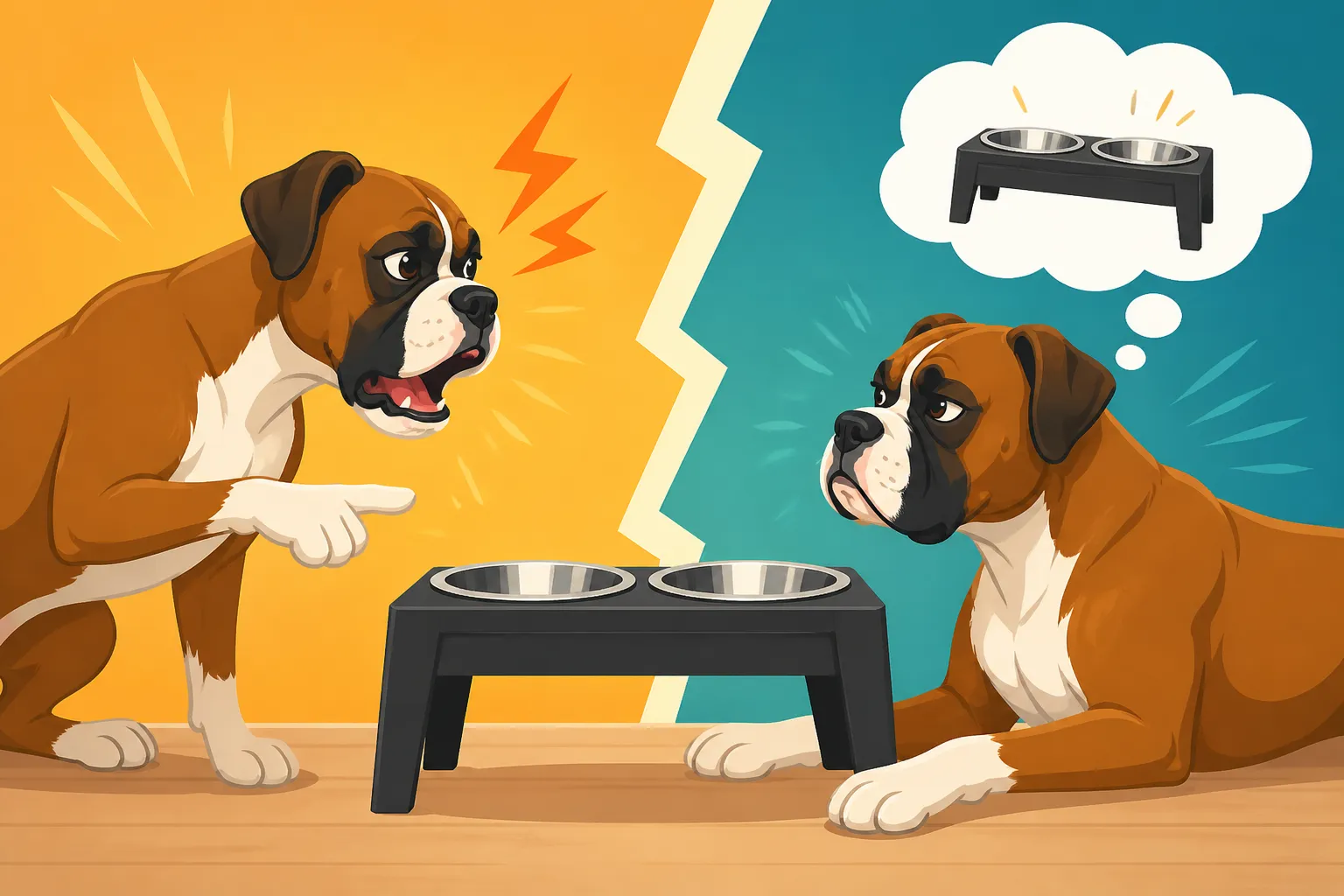
The Raised Bowl Argument in a Boxer Household
It’s a dilemma many Boxer owners grapple with as they try to do right by their beloved companions: Should I feed my Boxer from a raised bowl, or is it better to keep their food and water at ground level? This question often comes loaded with worry about serious health conditions like bloat, and it’s completely understandable to feel overwhelmed by conflicting advice. This guide is here to untangle the science and give you practical, informed advice so you can make the best choice for your furry family member.
The Long-Standing Debate: Raised Bowls and Bloat Risk
For years, the conventional wisdom suggested that raised food bowls were a beneficial, even preventative, measure against a terrifying condition known as bloat. Many of us were told, or read, that lifting the food dish would improve a dog's posture, making digestion easier and reducing the amount of air they swallowed while eating. It sounded logical, right? But, as with many things in the world of dog health, the reality proved to be a bit more complex, and in some cases, counterintuitive.
What is Gastric Dilatation-Volvulus GDV or Bloat?
Let's start by understanding why this topic carries such weight. Gastric Dilatation-Volvulus, or GDV, commonly known as bloat, is an acute, life-threatening condition that every Boxer owner should be acutely aware of. It happens when a dog's stomach fills with gas, food, or fluid, causing it to swell (dilatation). In many cases, the distended stomach then twists on its axis (volvulus), trapping the gas and severely impacting blood flow to the stomach and other organs. This twisting action cuts off circulation, leads to tissue death, and can send a dog into shock very quickly.
Boxers, with their deep, narrow chests, are unfortunately among the breeds at a significantly higher risk for bloat. The shape of their chest seems to create an anatomical predisposition that makes it easier for the stomach to distend and twist. It's a medical emergency that requires immediate veterinary intervention, often surgery, and even with prompt treatment, the mortality rate can be high. Recognizing Bloat Signs Every Boxer Owner Should Know is critical for any Boxer family. The thought of anything we do, even with good intentions, increasing this risk is truly frightening.
The Initial Hypothesis: Why Raised Bowls Were Recommended
The initial thinking behind recommending raised bowls for large and giant breeds like Boxers was based on what seemed like common sense. Proponents argued that an elevated eating position would lead to a more "natural" posture, similar to how wild canids might eat from a carcass. It was believed that this posture would allow gravity to assist food transit down the esophagus, potentially reducing gulping and the ingestion of excess air.
Another point was that dogs wouldn't have to bend their necks as much, which was thought to be particularly helpful for older dogs or those with orthopedic issues. The theory was that a comfortable eating position would lead to a slower, more relaxed meal, thereby decreasing the risk of inhaling air that could contribute to gastric distension. For a long time, this was the accepted wisdom, and countless Boxer owners bought into the idea, setting up their feeding stations with the best of intentions.
The Science That Challenged the Theory
Then came the research that turned this long-held belief on its head. The most impactful study on this topic was conducted by Purdue University in the late 1990s, and its findings resonated deeply through the veterinary and dog owner communities. This large-scale, multi-year study looked at thousands of dogs and numerous risk factors associated with GDV. What they found was quite surprising and directly contradicted the popular advice regarding raised bowls.
The Purdue study, published in the Journal of the American Veterinary Medical Association, indicated that using raised food bowls was actually associated with an increased risk of bloat in large and giant breed dogs. Specifically, for large-breed dogs, the risk of GDV was approximately 1.5 times greater for those eating from raised bowls compared to those eating from ground-level bowls. For giant breeds, this risk jumped to 2.4 times greater. It was a significant finding that immediately sparked a re-evaluation of feeding practices. It wasn't about causation directly, but a strong correlation that couldn't be ignored, forcing us to ask why this might be the case.
Understanding the Purdue Study and Its Implications for Boxers
The Purdue study wasn't just a blip; it was comprehensive and well-regarded, leading many veterinarians and breed clubs to reconsider their recommendations. It highlighted the importance of evidence-based practices over anecdotal theories, especially when a condition as serious as bloat is involved. For Boxer owners, understanding the nuances of this research is key to making informed decisions.
What the Research Actually Found
The researchers at Purdue meticulously analyzed various factors, including genetics, diet, exercise, and feeding practices, collecting data from over 1,900 dogs, including hundreds of dogs that had experienced bloat. The surprising finding about elevated bowls was that dogs, particularly large and giant breeds, who ate from raised dishes had a higher likelihood of developing GDV. The mechanism wasn't fully understood, but the correlation was clear. It's important to differentiate this from causation. The study didn't definitively say that raised bowls cause bloat, but that there was a statistically significant association between their use and an increased risk.
One theory proposed was that dogs might actually eat faster from a raised bowl, gulping down air more rapidly as they don't have to bend their neck and readjust as much. This increased air intake could then contribute to gastric distension, a precursor to bloat. Another thought was that the elevated position might change the dynamics of the stomach's movement, making it more prone to twisting. Whatever the exact reason, the takeaway was stark: elevated bowls, contrary to popular belief, did not appear to offer protection and, for at-risk breeds, might actually increase the danger.
Why Boxers Are Particularly Relevant to This Research
As mentioned, Boxers fall squarely into the category of breeds particularly susceptible to bloat, largely due to Why a Boxer's Chest Shape Invites Bloat. Their deep, narrow chests are a hallmark of the breed, but also a risk factor for GDV. This makes the findings of the Purdue study extremely pertinent to every Boxer household. If a study suggests that a practice, even one intended to help, could increase the risk of bloat in large, deep-chested dogs, then Boxers are precisely the dogs we need to be cautious with.
The concern for Boxers isn't just about their physique; it's also about their generally enthusiastic and often fast eating habits. Many Boxers, left to their own devices, will inhale their food in mere seconds. This rapid ingestion, combined with their anatomical predisposition, amplifies the importance of considering every feeding variable. For this reason, many veterinarians now actively advise against the routine use of elevated feeders for Boxers, unless there's a specific medical reason to use one.
Factors Beyond Bowl Height That Influence Bloat
While the raised bowl debate is significant, it's crucial to remember that bowl height is just one piece of a much larger puzzle when it comes to bloat prevention. Many other factors play a role, and addressing these comprehensively offers the best protection for your Boxer.
Here are some key considerations:
- Eating Speed: Rapid eating is a major culprit for air ingestion. Dogs who vacuum their meals are taking in more air along with their food, which can contribute to stomach distension.
- Genetics: Bloat often has a familial component. If a Boxer's parents or close relatives have experienced bloat, their offspring are at a higher risk. This is why a good breeder will always share health histories.
- Stress and Anxiety: High-stress environments or anxiety around meal times can affect digestion and potentially increase bloat risk.
- Exercise Around Meals: Vigorous exercise or excitement immediately before or after eating is widely considered a significant risk factor. Many vets strongly recommend a resting period. Resting a Boxer Before and After Meals is non-negotiable for many owners.
- Diet Type and Particle Size: Some research suggests that diets with smaller particle sizes (very finely ground kibble) might pass through the stomach too quickly, or certain ingredients could ferment rapidly. However, conclusive evidence on specific diets causing or preventing bloat is still debated.
- Age: Older dogs tend to be at a higher risk for bloat.
- Gender: Male dogs seem to have a slightly higher incidence of bloat than females.
- Temperament: Anxious, nervous, or easily excitable dogs might be at greater risk.
Understanding these multifaceted risk factors allows for a more holistic approach to bloat prevention, rather than focusing solely on bowl height. If you're considering Whether Preventive Bloat Surgery Suits a Boxer, discussing all these factors with your vet is essential.
Weighing the Pros and Cons for Your Boxer
Given the conflicting information and the seriousness of bloat, it's natural to feel conflicted about what's best for your Boxer. Let's break down the potential benefits and downsides of using elevated bowls, keeping in mind that the best approach often depends on your individual dog's health needs.
Potential Benefits of Elevated Bowls
Despite the bloat concerns, there are still situations where a raised bowl can be genuinely beneficial, though these are typically tied to specific medical conditions rather than general bloat prevention.
- Comfort for Orthopedic Issues: For Boxers suffering from arthritis, hip or elbow dysplasia, or other joint problems, bending down to eat from a floor-level bowl can be painful or difficult. An elevated bowl allows them to eat with less strain on their neck, back, and joints, making mealtime a more comfortable experience. As Boxers age, they are prone to issues like Arthritis in an Older Boxer, and comfort during daily activities becomes paramount.
- Megaesophagus: This is a condition where the esophagus is enlarged and loses its muscle tone, making it difficult for food to move down to the stomach. Dogs with megaesophagus often need to eat in an upright, almost vertical position to allow gravity to help food descend. In such cases, a raised feeder (sometimes combined with a special "Bailey chair") is medically necessary and life-saving.
- Swallowing Difficulties: Some dogs, due to neurological conditions or other health issues, may have difficulty swallowing. An elevated bowl might help them manage their food intake more effectively, reducing the risk of aspiration.
- Keeping Feeding Area Cleaner: While not a health benefit for the dog, some owners find that raised bowls keep the feeding area tidier, as less food is pushed out of the bowl and onto the floor. This is a minor point but can be a practical advantage for some households.
It's vital to stress that these benefits are typically for dogs with diagnosed medical conditions, and any decision to use a raised bowl for these reasons should always be made in close consultation with your veterinarian.
The Downsides and What the Research Suggests
The primary downside, as highlighted by the Purdue study, is the increased risk of GDV or bloat in large and giant breeds like Boxers. This is a significant concern that overshadows most other arguments for general use. The exact mechanism isn't fully understood, but the correlation is strong enough for many veterinarians to recommend against elevated feeders for otherwise healthy, at-risk dogs.
Beyond bloat, other potential downsides or considerations include:
- Potential for Faster Eating and Air Gulping: As theorized, the elevated position might make it easier for some dogs to eat faster, swallowing more air in the process. This defeats the original intent of preventing air ingestion and could be detrimental.
- Unnatural Eating Posture: While some argue it's more "natural," dogs in the wild often eat from the ground or from a low crouch. The elevated position might not be as natural as once thought for all dogs and could put different types of strain on their bodies.
- Cost: Elevated feeders, especially sturdy, well-designed ones with adjustable heights, can be more expensive than simple floor bowls. While a minor consideration when health is on the line, it's still a factor. You can find options on sites like Chewy or Amazon, but they do represent an added expense to The Yearly Bill for a Seventy-Pound Boxer.
When a Raised Bowl Might Still Be Medically Indicated
This is where individual assessment by a veterinarian becomes absolutely critical. For the vast majority of healthy Boxers, especially those who are enthusiastic eaters, the current veterinary consensus leans away from recommending raised bowls due to the potential increased risk of bloat. However, if your Boxer has specific health challenges, a raised bowl might be part of a necessary management plan.
Key situations where a raised bowl might be indicated:
- Megaesophagus: As discussed, this is the most clear-cut case where an elevated feeding position, often very upright, is essential for gravity-assisted food transit.
- Severe Arthritis or Neck/Spine Issues: If your Boxer genuinely struggles with the physical act of bending down to eat, and it impacts their quality of life, a vet might recommend an elevated bowl for comfort. This is particularly relevant as What Changes in a Boxer After Seven years old.
- Post-Surgical Recovery: In certain specific post-operative scenarios, a vet might temporarily recommend an elevated bowl to facilitate comfort or restrict certain movements.
Even in these cases, your vet will likely discuss additional measures to mitigate bloat risk, such as feeding smaller, more frequent meals, using a slow-feeder insert, and careful monitoring. Never implement an elevated feeder for a medical reason without your vet's explicit guidance.
Practical Feeding Strategies for Boxer Owners
So, if raised bowls are generally out for healthy Boxers, what can you do to ensure safe and comfortable mealtimes while minimizing bloat risk? There are several highly effective, evidence-backed strategies that every Boxer owner should consider implementing.
Slowing Down a Fast Eater
This is arguably one of the most impactful strategies for preventing bloat in a fast-eating Boxer. The goal is to reduce the amount of air swallowed with each mouthful and encourage more mindful eating.
- Slow-Feeder Bowls: These bowls have ridges, mazes, or pillars inside them that force your Boxer to eat around obstacles, significantly slowing down their ingestion. You can find a wide variety of effective slow-feeder bowls on platforms like Chewy or Amazon. Look for durable, non-slip options.
- Puzzle Feeders: Similar to slow feeders but often more interactive, puzzle feeders make your dog work a little harder to get their kibble. This not only slows them down but also provides mental stimulation, which is a bonus for intelligent breeds like Boxers.
- Spreading Food on a Flat Surface: If you don't have a slow-feeder bowl, you can simply spread your Boxer's kibble across a large, flat baking sheet or silicone mat. This forces them to pick up individual pieces rather than gulping down large quantities.
- Multiple Small Meals: Instead of one or two large meals, consider splitting your Boxer's daily ration into three or even four smaller meals throughout the day. This reduces the sheer volume of food in the stomach at any one time, lessening the risk of over-distension. This aligns with Feeding a Boxer Twice a Day, which is generally recommended, but even more frequent, smaller meals can be better.
- Add Water to Kibble: Some owners add a bit of water to their Boxer's kibble (not so much that it's soupy, but just enough to moisten) to make it slightly harder to gulp down. This can also aid hydration.
Managing Mealtime Routine
Consistency and a calm environment are vital for your Boxer's digestion and overall well-being. A well-managed mealtime routine can significantly reduce stress and associated bloat risks.
- Establish a Schedule: Feed your Boxer at the same times each day. Dogs thrive on routine, and knowing when to expect their meals can reduce anxiety and frantic eating.
- Quiet Feeding Area: Ensure your Boxer eats in a calm, undisturbed area away from other pets or household commotion. A designated spot helps them relax and focus on their meal.
- "Pre-Meal Zen": Encourage a brief period of calm before offering food. Avoid exciting playtime or intense training right before meals.
- Post-Meal Rest: This is absolutely critical. Do not allow your Boxer to engage in vigorous exercise, rough play, or even excessively excited behavior for at least 30 minutes to an hour before a meal, and especially for 1 to 2 hours after eating. This means no long walks, no fetch, and no zooming around the yard immediately following dinner. Let them relax and digest.
Hydration and Water Bowls
While the main concern with raised bowls is food, water intake is also important. Ensuring your Boxer has consistent access to fresh, clean water is paramount, regardless of the bowl's height.
- Multiple Water Sources: Have several water bowls available around the house, especially if you have a large home or multiple pets. This encourages regular hydration.
- Fresh Water Daily: Change your Boxer's water at least once, preferably twice, daily. Clean the bowls regularly to prevent bacterial growth.
- Bowl Material and Size: Stainless steel bowls are often recommended for their durability and ease of cleaning. Ensure the bowl is large enough for your Boxer to drink comfortably without splashing too much.
- Water Gulping: If your Boxer tends to gulp water excessively, similar tactics to slowing down food intake can be applied. Placing a large, clean, non-toxic rock or a few ice cubes in the water bowl can create a barrier that forces them to drink more slowly. Some specialized Bowls That Stop a Boxer Swallowing Air are also available for water.
Observing Your Boxer's Eating Habits
Every Boxer is an individual, and observing your specific dog's eating habits can provide invaluable insight.
- Watch and Learn: Pay attention to how your Boxer eats. Do they gobble their food? Do they get stressed if another pet is nearby? Do they pant excessively while eating, suggesting air intake?
- Monitor for Discomfort: After meals, look for any signs of discomfort, restlessness, drooling, or attempts to vomit. These could be early indicators of bloat. Knowing these signs can be life-saving.
- Adjust as Needed: If a particular feeding strategy isn't working, don't be afraid to adjust. For example, if your Boxer is still eating too fast with one type of slow feeder, try another, or combine it with spreading the food out.
- Consult Your Vet: Always discuss any concerns about your Boxer's eating habits or potential bloat risk with your veterinarian. They can provide personalized advice based on your dog's health history and temperament. They can also discuss fresh food options like Ollie if you're wondering if a different food texture might help.
By focusing on these practical, evidence-based feeding strategies, you can create a safe and healthy mealtime environment for your Boxer, minimizing the risks associated with bloat, without relying on practices that research has shown may actually be detrimental.
| Feeding Strategy | Benefit for Boxer Owners | Recommended Tools/Practices |
|---|---|---|
| Slowing Down Eating | Reduces air ingestion, prevents rapid stomach distension, encourages mindful eating. | Slow-feeder bowls (Chewy, Amazon), puzzle feeders, spreading food on a flat surface. |
| Managing Mealtime Routine | Promotes calm digestion, reduces stress, ensures consistent nutrient absorption. | Scheduled meals, quiet feeding area, pre-meal calm, 1-2 hour post-meal rest. |
| Proper Hydration | Essential for overall health, aids digestion, prevents dehydration. | Multiple fresh water bowls, clean bowls daily, large bowls, slow-water intake methods. |
| Observing Eating Habits | Early detection of issues, allows for personalized adjustments, proactive health management. | Watch for gulping, discomfort, restlessness; adjust bowls/routines as needed; vet consult. |
Ultimately, while the raised bowl argument has been a contentious one, the current weight of scientific evidence, particularly from the Purdue study, suggests that for healthy, at-risk breeds like Boxers, ground-level feeding is generally safer. Of course, any decisions about your Boxer's health and feeding practices should always be made in consultation with your trusted veterinarian, taking into account your dog's individual needs and health history. Your vet is your best resource for tailored advice.
Disclaimer
This article is for general informational purposes only and does not constitute professional advice. Laws, prices and regulations vary by location and change over time. Consult a qualified professional for guidance on your specific situation.