Cutting Nails on a Boxer That Will Not Sit
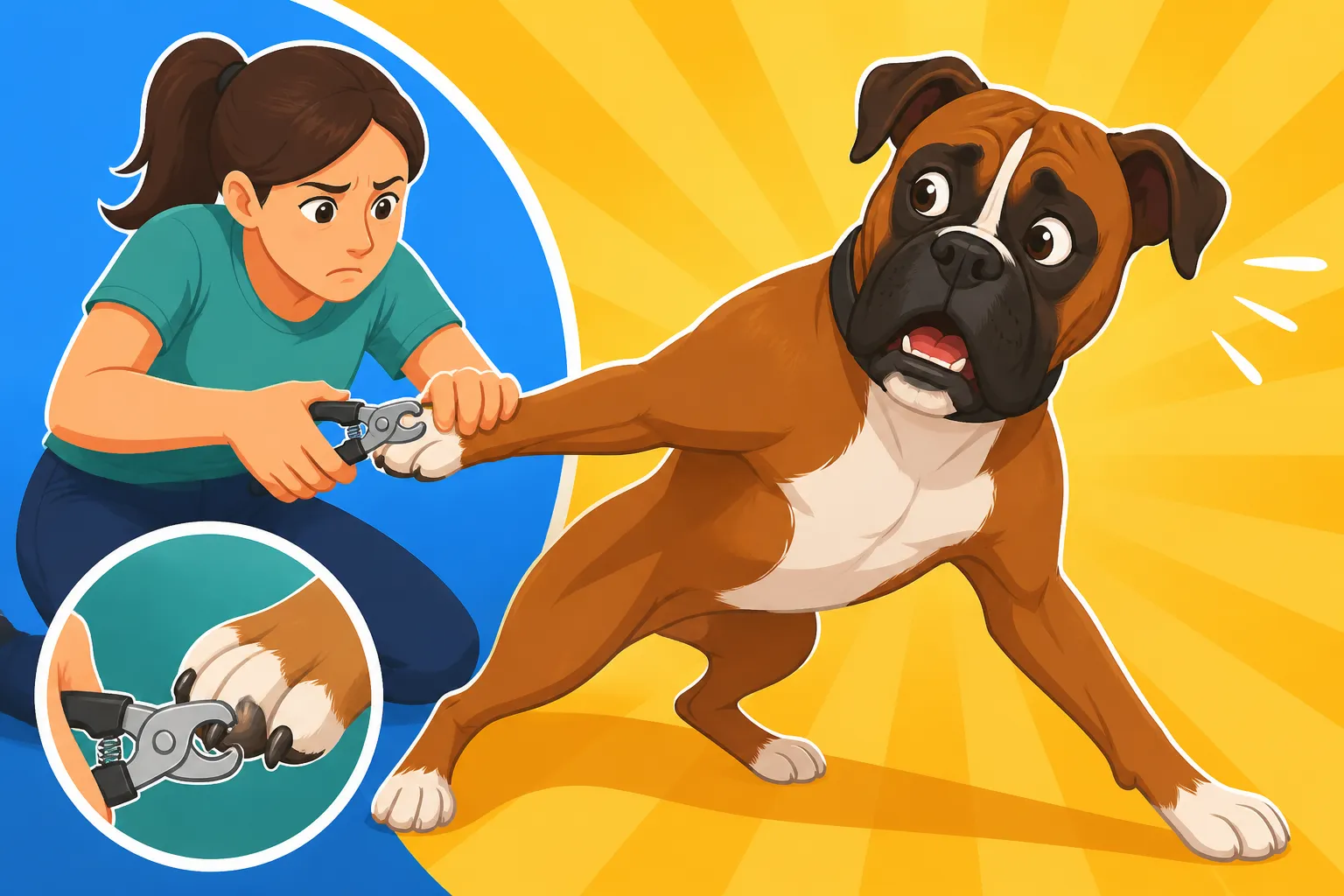
Getting your energetic Boxer to hold still long enough for a nail trim can feel like trying to wrestle a greased pig, especially when they've decided it's the absolute worst thing in the world. Many of us have experienced that frustrating dance, clippers in hand, while our otherwise cooperative dog morphs into a squirming, panicked mess. This guide is here to walk you through understanding why your Boxer might be putting up a fight and practical, empathetic strategies to make nail trimming a less stressful, and hopefully, less athletic event for both of you.
Understanding Why Your Boxer Resists Nail Trims
It's easy to feel like your Boxer is just being stubborn or difficult when they refuse to let you touch their paws. However, there's almost always a deeper reason behind their resistance. For a breed as sensitive and intelligent as the Boxer, their reactions often stem from fear, past negative experiences, or even underlying physical discomfort. Recognizing these root causes is the first step toward building trust and making nail trims manageable.
The Fear Factor: Past Bad Experiences
Imagine you’re having a pedicure, and suddenly, the person accidentally snips a little too much, causing a sharp, stinging pain. You'd probably be pretty hesitant to go back for another one, right? The same goes for our Boxers. A single painful "quick" – that sensitive pink part inside the nail that contains blood vessels and nerves – can create a lasting impression. Their memory is surprisingly long when it comes to unpleasant sensations, and they quickly learn to associate the clippers, or even just the sight of you reaching for their paw, with potential pain.
This fear isn't always rational to us, but to your Boxer, it's very real. They might generalize this fear to all paw handling, making even simple checks for things like Interdigital Cysts on a Boxer's Paw challenging. It's not about being "bad"; it's about self-preservation. They're trying to communicate that they don't want to experience that pain again, and their squirming, pulling, or even growling is their way of saying, "No, thank you!" You'll often see this fear manifest as trembling, pulling away, or a sudden burst of frantic energy to escape the situation.
Empathy is crucial here. Instead of forcing the issue, acknowledge their fear. If a previous trim, perhaps at the groomer or vet, was particularly traumatic, it might take a lot of gentle, consistent effort to rebuild their confidence. They need to learn that you are a source of comfort and safety, not an instrument of discomfort, especially when it comes to their paws.
Lack of Early Socialization and Positive Association
Puppyhood is a critical window for introducing new experiences, and that includes handling sensitive areas like paws, ears, and mouths. If a Boxer puppy wasn't regularly exposed to gentle paw massages, nail touching, and the sound and feel of clippers during their early development, they might grow into an adult who finds these sensations novel and alarming. This isn't a failing on their part; it's a missed opportunity in their early training.
Think about it: a Boxer's puppyhood can feel like it lasts forever, sometimes up to three years, as they mature. The Boxer Puppyhood That Lasts Three Years is a long time to instill good habits. If those early months weren't spent making nail trims a positive, routine part of life, you're starting from a deficit. They don't understand the why behind the nail trim; they just react to the sensation and perceived threat. Building a positive association later in life is definitely possible, but it requires much more patience and consistency than if it had been introduced from the start.
Without that foundation, what seems like a simple task to us can feel like an invasion to them. They haven't learned to tolerate or even enjoy the process, and their natural Boxer intelligence and strong will can make them determined to resist anything they deem unpleasant. This isn't stubbornness for the sake of it, but rather a lack of understanding combined with their inherent nature.
Discomfort and Physical Pain
Sometimes, your Boxer's reluctance isn't just about fear of the clippers; it could be due to actual physical discomfort or pain. Boxers are powerful, athletic dogs, and their paws take a lot of impact. They can develop issues like arthritis in their toe joints, particularly as they age or if they have conditions like Boxer Hip Dysplasia and Spondylosis. Even a minor sprain or a hidden thorn could make paw handling painful, leading to resistance.
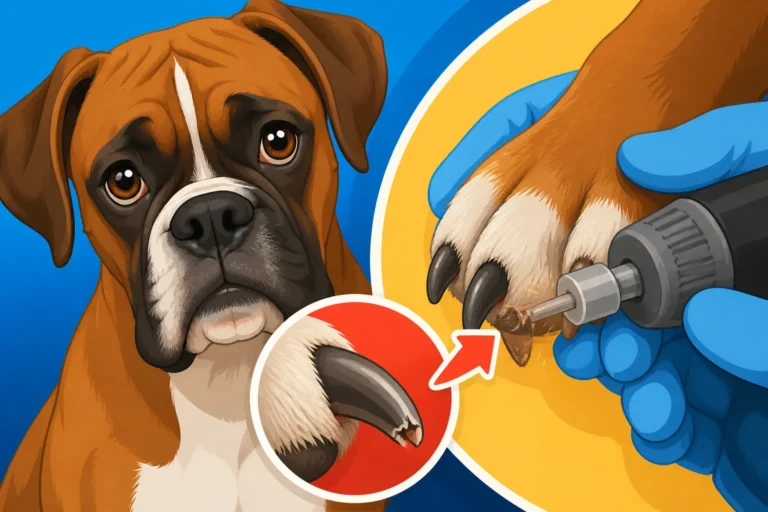
Beyond existing injuries, long nails themselves can be painful. When nails grow too long, they push up into the nail bed and can even splay the toes, causing discomfort with every step. This can affect their posture and gait, potentially exacerbating joint issues. If you notice your Boxer limping, licking their paws excessively, or favoring one leg, it's always worth a vet check to rule out any underlying medical causes for their resistance.
The quick can also be a source of discomfort. If the quick is long, it means there's less nail available to trim before hitting that sensitive area, making every attempt risky. This is especially common in dogs whose nails haven't been trimmed regularly. It becomes a vicious cycle: the nails get longer, the quick grows out, trimming is more painful, and the dog resists even more. Understanding Joint Support in a Boxer's Diet can help with general paw and joint health, making them more comfortable overall.
Essential Tools and Techniques for a Wiggly Boxer
Okay, so you understand why your Boxer might be giving you a hard time. Now, let's talk about how to tackle this head-on with the right gear and a calm approach. Having the right tools isn't just about effectiveness; it's about making the experience as swift and stress-free as possible for your beloved companion.
Choosing the Right Nail Trimmers or Grinder
The world of dog nail care offers a few different options, and what works best for one Boxer might not be ideal for another, especially if they’re particular about handling.
- Guillotine-style clippers: These are often preferred for larger breeds like Boxers because they offer a strong, clean cut. They work by inserting the nail into a small hole, then squeezing the handles to activate a blade that slices through the nail.
- Scissor-style clippers: These resemble human nail clippers but are much larger and sturdier. Many find them easier to handle and more precise, especially for thicker Boxer nails.
- Dremel-style grinders: These battery-operated tools use a rotating abrasive head to gradually file down the nail. Many owners find grinders less intimidating than clippers, as there's less risk of cutting too far and hitting the quick. The sound and vibration can be an initial hurdle, but with desensitization, some Boxers tolerate grinders better.
Whichever you choose, ensure the tool is sharp and well-maintained. Dull clippers crush the nail rather than cut it cleanly, which is painful and can cause splitting. You can often find a good selection of high-quality clippers and grinders on sites like Chewy or Amazon, making it easy to compare options and read reviews from other Boxer owners. Also, always have styptic powder or a styptic pencil on hand – just in case you accidentally nick the quick. Even with the best intentions, accidents happen, and being prepared minimizes stress for everyone.
| Tool Type | Pros | Cons | Best For |
|---|---|---|---|
| Guillotine Clippers | Strong, quick cut; good for thick nails. | Can be intimidating; higher risk of quicking. | Experienced owners; bold dogs. |
| Scissor Clippers | Easy to hold; good control; precise. | Requires frequent sharpening; can be bulky. | Most owners; dogs with average nail thickness. |
| Dremel Grinder | Low risk of quicking; smooth finish; good for black nails. | Noise/vibration can scare dogs; takes longer; dust. | Fearful dogs; owners willing to desensitize. |
Creating a Positive and Calm Environment
This might sound obvious, but the environment you choose for nail trimming can make or break the experience. A busy kitchen with kids running around and the TV blaring is probably not going to cut it. Look for a quiet, well-lit space where you can both be relaxed and focused. Good lighting is critical so you can clearly see the quick, especially if your Boxer has dark nails.
Before you even bring out the tools, spend some time just hanging out in this chosen spot. Offer cuddles, gentle praise, and perhaps a special toy. The goal is to make the area a positive, low-stress zone. Introduce the clippers or grinder slowly. Let your Boxer sniff them. Place them on the floor and give a treat. Repeat this over several days until the tool itself is no longer a source of suspicion. Remember what we discussed about Why Shouting Sets a Boxer Back – keep your voice calm and reassuring throughout the entire process.
Consider playing some calming music or white noise to drown out external distractions. Have all your supplies within easy reach: clippers, styptic powder, and most importantly, a pile of incredibly tempting, high-value treats. You want your Boxer to associate every tiny step of the process with something wonderful.
The Art of the Quick Snip and Retreat
When dealing with a Boxer that's already wary, trying to do all four paws in one go is a recipe for disaster. The "quick snip and retreat" method is all about breaking the task down into the smallest possible steps and celebrating each tiny victory.
Start by simply touching your Boxer's paw, giving a treat, and praising them. Repeat this. Then, touch a nail with the clippers (not actually clipping), treat, and praise. The next step might be just to snip one nail, or even just the very tip of one nail, and then stop. End the session on a positive note, even if you only managed one toe. The key is to avoid pushing your Boxer to their limit, which would only reinforce their negative associations.
Always remember that for a fearful Boxer, quality trumps quantity. It's better to do one nail beautifully and calmly than to wrestle through ten in a panic. Over time, as your Boxer's confidence grows, you'll be able to do more nails in a single session. This method requires a lot of patience, but it pays off in the long run by creating a more trusting relationship and less stressful grooming for both of you.
Strategies to Manage a Boxer That Won't Cooperate
So, you've got the right tools and a calm environment, but your Boxer is still putting up a fight. It's time to pull out some extra tricks! Boxers are intelligent, but they can also be incredibly strong-willed, especially when they've made up their mind about something they don't like. These strategies focus on distraction, gentle handling, and long-term behavioral change.
Enlisting Help: Two Sets of Hands Are Better Than One
Let's be realistic: managing a strong, squirming Boxer while trying to precisely trim their nails is a two-person job for many households. One person can focus entirely on providing comfort, gentle restraint, and high-value treats, while the other handles the clippers. This division of labor significantly reduces the struggle and stress for everyone involved.
The "holder" needs to be calm and confident, providing gentle, reassuring physical contact without being overly forceful. You can try having your Boxer lie on their side, or even cradle them gently in your lap if they're comfortable with that. The goal is a relaxed hold, not a wrestling match. For some Boxers, a "Boxer burrito" — gently wrapping them in a towel or blanket to limit their ability to thrash, while keeping their head free and offering treats — can also be surprisingly effective. It creates a sense of security and containment.
Communication between the two people is key. The person clipping needs to give clear signals about when they're ready, and the holder needs to be attentive to the Boxer's body language. Pay attention to Reading a Boxer Before Play Turns Sharp as a general guide to understanding their stress signals, and know when to take a break. If you're single or don't have a reliable helper, consider scheduling professional grooming or vet visits where trained staff can assist.
Distraction Techniques and High-Value Rewards
Distraction is your secret weapon when dealing with a wiggly Boxer. The trick is to find something so incredibly appealing that it occupies their mind and mouth, making them less focused on their paws.
- Lick Mats: These silicone mats with suction cups can be smeared with peanut butter (xylitol-free!), plain yogurt, or cream cheese and stuck to a wall or floor. They can keep a Boxer engaged for several minutes.
- Frozen Treats: A frozen Kong stuffed with their favorite goodies can provide a long-lasting distraction.
- Bully Sticks or Chews: If your Boxer loves to chew, a brand-new, irresistible chew toy can be presented just for nail-trimming time.
- A dedicated "nail trim treat": This should be something they only get during nail trims, making it extra special. Brands like
Ollieoffer fresh, palatable options that many dogs find incredibly high-value.
As the clipper person, you can work quickly and efficiently while your Boxer is engrossed in their treat. The goal is to make the nail trim synonymous with receiving something amazing. It's about changing their emotional response from fear or annoyance to anticipation and enjoyment. Remember that Rewards a Boxer Will Work Hard For are the ones they truly love, so don't be afraid to experiment to find your Boxer's ultimate motivator.
Desensitization and Counter-Conditioning Over Time
This is the long game, but it’s the most effective strategy for lasting change. Desensitization means gradually exposing your Boxer to the scary stimulus (clippers, paw handling) in tiny, non-threatening increments. Counter-conditioning means changing their emotional response from negative to positive.
Here's a step-by-step approach:
- Touch Paws: Start by just touching their paws for a second, then immediately treat and praise. Do this many times throughout the day, completely unrelated to clipping.
- Handle Toes: Once comfortable with paw touches, move to gently manipulating individual toes, again, treat and praise.
- Introduce Clippers (Passive): Place the clippers on the floor near your Boxer while they're relaxing. Treat. Do not touch them with the clippers yet.
- Introduce Clippers (Active): Touch the clippers to their paw (not a nail, just the fur). Treat. Repeat.
- Simulate Clipping: Gently hold a nail with the clippers, but don't actually clip. Treat. Do this a few times.
- The Actual Clip: Clip one tiny tip off one nail. Immediately follow with a jackpot of treats and enthusiastic praise. Then, stop. End the session.
- Gradual Increase: Over days or weeks, slowly increase the number of nails you clip per session, always monitoring your Boxer's comfort level and stopping before they get stressed.
This process can take weeks or even months, depending on how fearful your Boxer is. Consistency is paramount. Short, frequent sessions (even just 30 seconds) are far more effective than one long, traumatic one. Patience and positive reinforcement are the keys to success. For additional help with training, considering something like Boxer Training Class and Trainer Costs might be beneficial, as a professional can guide you through these techniques.
When to Call in the Professionals
Sometimes, despite your best efforts, your Boxer's fear or resistance to nail trims is simply too strong to overcome at home. It's not a sign of failure, but rather an acknowledgment that some tasks require the expertise and controlled environment of a professional. Knowing when to seek help can prevent further trauma for your Boxer and save you a lot of frustration.
Your Vet or a Professional Groomer
If your Boxer exhibits extreme fear, becomes aggressive, or is simply too strong and agile for you to manage safely, it's definitely time to reach out to a professional.
- Veterinarian's Office: Your vet and their trained veterinary technicians are experienced with handling dogs who are difficult for nail trims. They have the knowledge to quickly and efficiently trim nails, and in severe cases, they can offer mild sedation or calming medications to reduce anxiety during the procedure. This ensures both your Boxer's safety and the staff's safety. Discussing this option during a regular check-up or when looking at something like The Yearly Bill for a Seventy-Pound Boxer can give you an idea of the associated costs.
- Professional Groomer: Many professional groomers are skilled at working with challenging dogs. They often have specialized equipment, different restraint techniques, and a knack for making dogs feel more at ease. They're also used to Boxers and their unique temperament. They might offer a "walk-in" nail trim service where you don't even need a full grooming appointment.
Don't feel ashamed if you need to go this route. Your Boxer's well-being is the top priority, and sometimes that means delegating tasks to those with more experience or the right resources. This is especially true if you're worried about accidental injury to your dog or yourself.
The Long-Term Benefits of Regular Maintenance
Regardless of who is doing the trimming, consistent nail maintenance is incredibly important for your Boxer's overall health and comfort throughout their life. It's not just about aesthetics; it has a profound impact on their physical well-being.
Overgrown nails can cause a host of problems:
- Pain and Discomfort: Long nails can hit the ground as your Boxer walks, pushing up into the nail bed and causing significant pain with every step.
- Splayed Toes and Joint Issues: Chronic long nails can alter a Boxer's paw structure, leading to splayed toes and putting undue stress on their foot and leg joints, potentially contributing to or worsening conditions like arthritis or even issues related to Degenerative Myelopathy in an Older Boxer.
- Posture and Gait Changes: To avoid the pain of long nails, Boxers might change how they stand and walk, which can lead to discomfort in their back, hips, and shoulders.
- Increased Risk of Injury: Overgrown nails are more prone to getting caught, torn, or broken, which can be very painful and often requires a vet visit.
By committing to regular nail trims, whether you do them at home with gradual desensitization or rely on professionals, you are actively contributing to your Boxer's comfort, mobility, and overall quality of life. This small, often challenging task is a vital part of caring for a Boxer, especially as they age, helping them to stay active and happy for as many years as possible, truly impacting What a Boxer Costs Across Ten to Twelve Years in terms of comfort and health.
Disclaimer
This article is for general informational purposes only and does not constitute professional advice. Laws, prices and regulations vary by location and change over time. Consult a qualified professional for guidance on your specific situation.